The Spine and Autonomic Nervous System
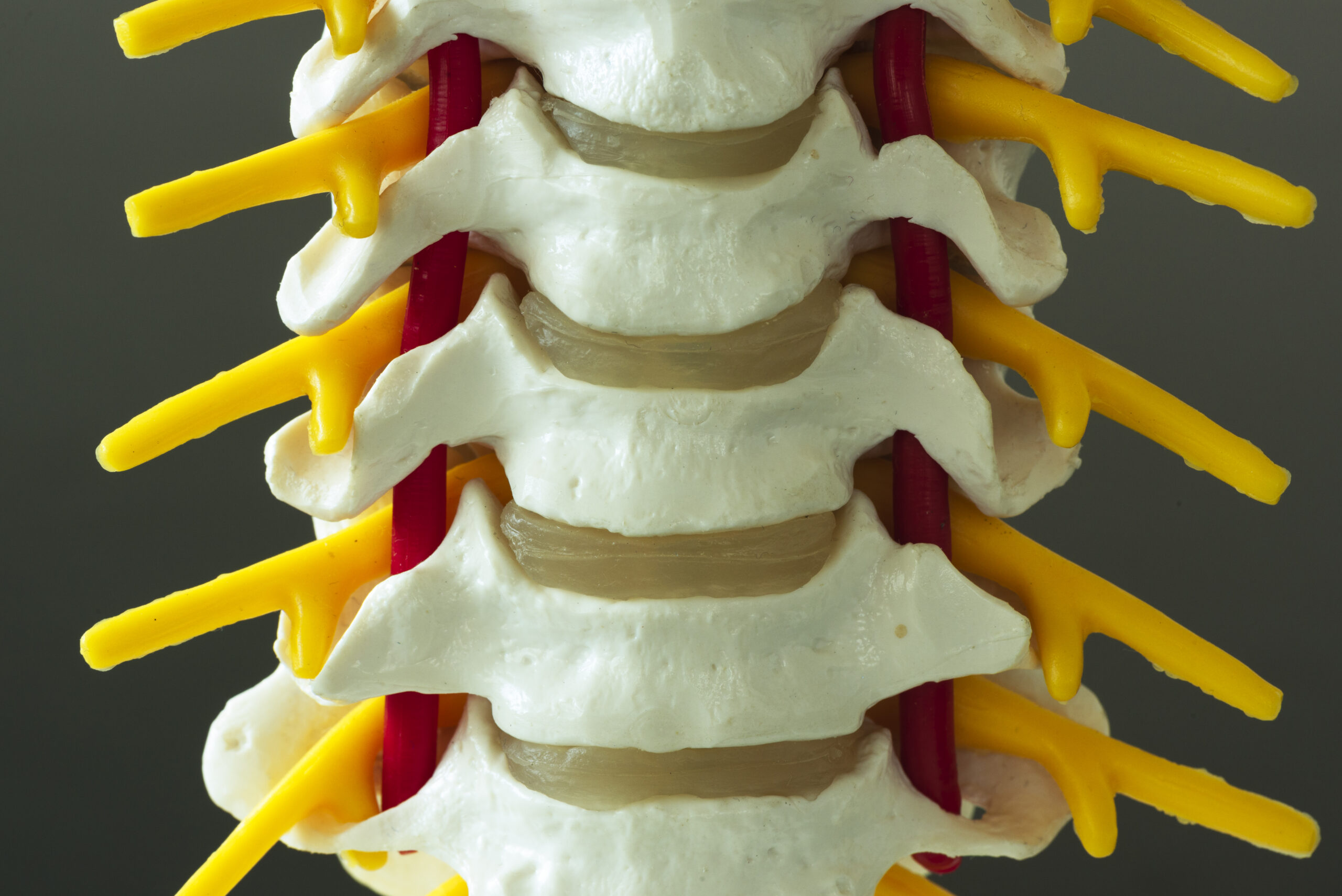
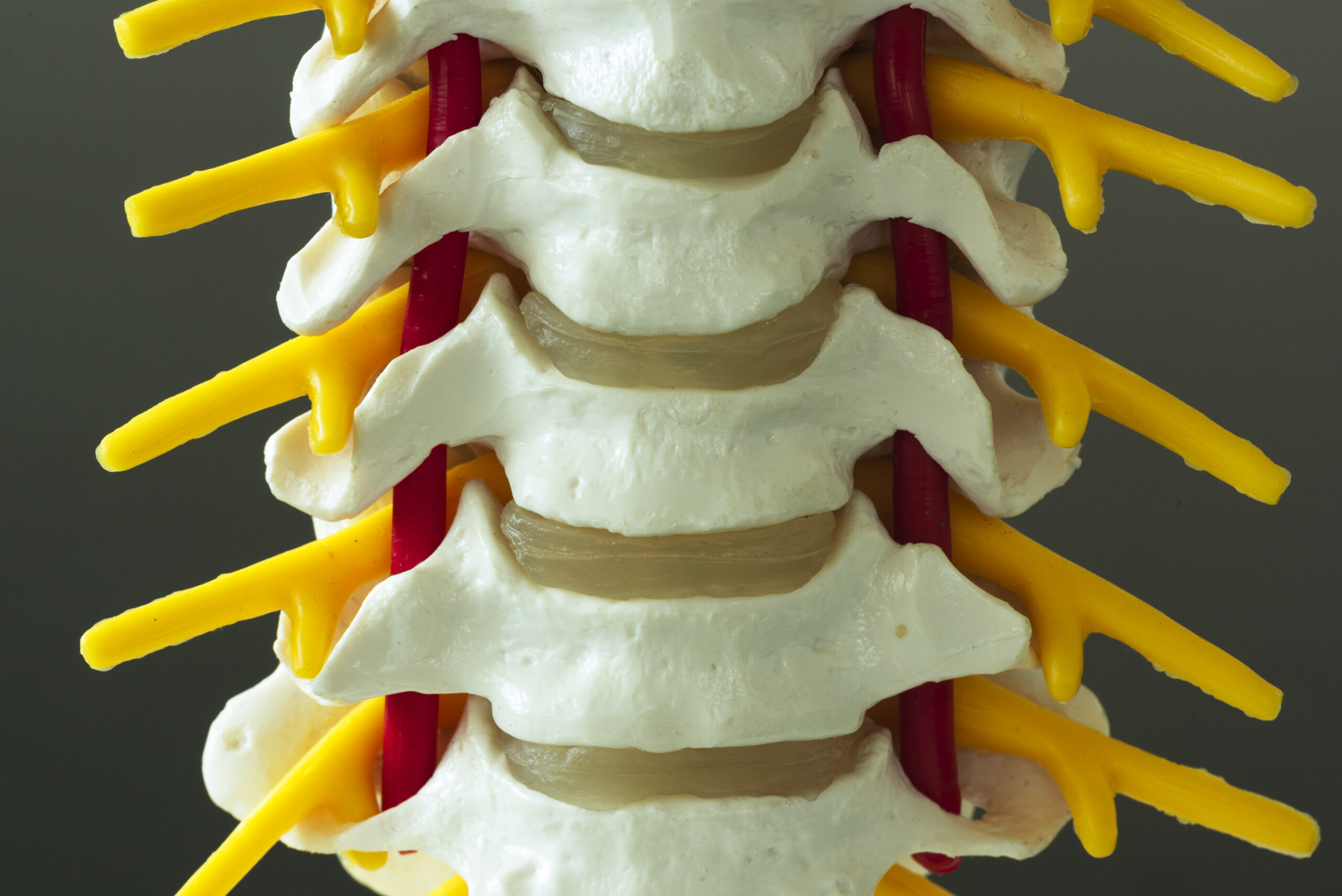
The spine plays a critical role in regulating bodily functions through its connection to the nervous system. The autonomic nervous system (ANS), which controls involuntary processes like heart rate and blood pressure, relies on proper spinal alignment to function effectively. The ANS has two main branches: the sympathetic nervous system (fight-or-flight response) and the parasympathetic nervous system (rest-and-digest response). Misalignments in the spine, known as subluxations, are theorized to interfere with nerve signals between the brain and organs, potentially disrupting ANS balance. While the exact mechanisms remain under study, some research suggests that spinal adjustments may help restore neural communication, indirectly influencing cardiovascular regulation. This connection underscores the importance of spinal health in maintaining overall physiological stability.
How Spinal Adjustments May Influence Blood Pressure
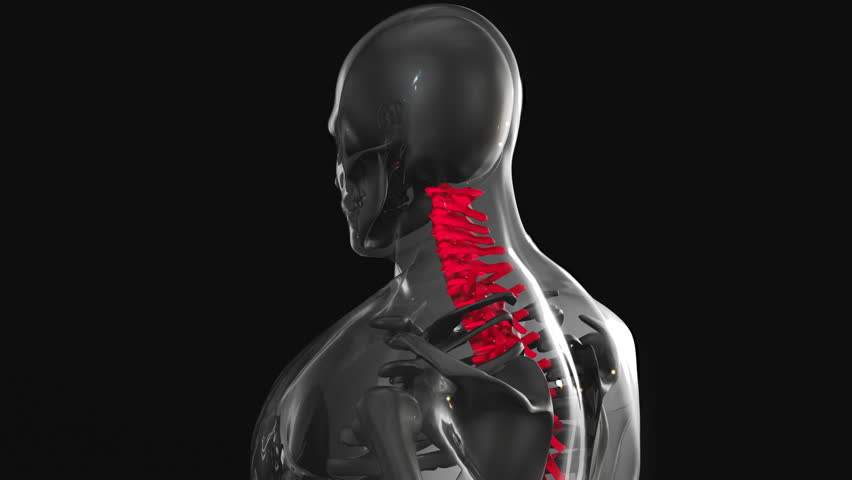
Spinal adjustments aim to correct misalignments that may impede nerve function. Proponents argue that by restoring proper spinal mechanics, these adjustments could alleviate stress on the nervous system, potentially improving blood pressure regulation. For example, adjustments to the upper cervical spine (neck area) might influence the vagus nerve, which plays a role in heart rate and blood pressure. However, the relationship between spinal alignment and blood pressure is complex. While some anecdotal reports and limited studies suggest possible benefits, the evidence remains inconclusive. It is essential to approach this topic with caution, as individual responses can vary. Chiropractors often emphasize that adjustments are part of a broader wellness strategy, not a standalone solution for cardiovascular issues.
Evidence from Clinical Studies
Research on spinal adjustments and blood pressure is limited but growing. Some studies have explored whether chiropractic care can impact hypertension, with mixed results. For instance, a small 2007 study published in the Journal of Human Hypertension found that participants who received upper cervical adjustments experienced a temporary reduction in blood pressure compared to a control group. However, larger, more rigorous trials are needed to confirm these findings. Critics note that methodological challenges, such as small sample sizes and lack of long-term data, hinder definitive conclusions. While some patients report subjective improvements, the scientific community generally agrees that spinal adjustments should not replace conventional medical treatments for high blood pressure. Ongoing research may provide clearer insights into this potential link.
Potential Mechanisms and Theories
Several theories attempt to explain how spinal adjustments might influence blood pressure. One hypothesis involves the nervous system's role in regulating vascular tone. By correcting spinal misalignments, adjustments could reduce nerve irritation, allowing the body to better manage blood pressure through natural regulatory processes. Another theory focuses on the release of tension in the musculoskeletal system, which may indirectly affect cardiovascular function. For example, reduced muscle tightness in the neck or upper back could improve blood flow to the brain and spinal cord. Additionally, some researchers suggest that spinal adjustments might stimulate the parasympathetic nervous system, promoting relaxation and lowering stress-related blood pressure spikes. However, these mechanisms remain speculative and require further investigation to validate their role in blood pressure regulation.
Considerations and Professional Guidance
While some individuals explore spinal adjustments for blood pressure management, it is crucial to consult a qualified healthcare provider before pursuing this approach. Chiropractors are trained to assess spinal health and may recommend adjustments as part of a comprehensive care plan. However, they typically advise against using chiropractic care as a substitute for medical treatment, especially for conditions like hypertension. Patients should disclose their full medical history, including medications and existing health issues, to ensure safe care. Additionally, the effectiveness of spinal adjustments can vary based on individual factors, such as the severity of misalignments or underlying health conditions. Always seek guidance from a licensed chiropractor or physician to determine if this intervention aligns with your specific needs and goals.
Conclusion
The relationship between spinal adjustments and blood pressure regulation remains an area of interest and ongoing research. While some theories and preliminary studies suggest potential benefits, the evidence is not yet robust enough to establish a definitive link. Spinal adjustments may support overall nervous system function, but they should not replace conventional medical care for cardiovascular conditions. Patients considering chiropractic care for blood pressure-related concerns should do so under the supervision of a qualified healthcare professional. As research continues, a balanced approach that integrates chiropractic insights with established medical practices may offer the most effective path to holistic wellness.