Understanding the Spine-Gut Connection
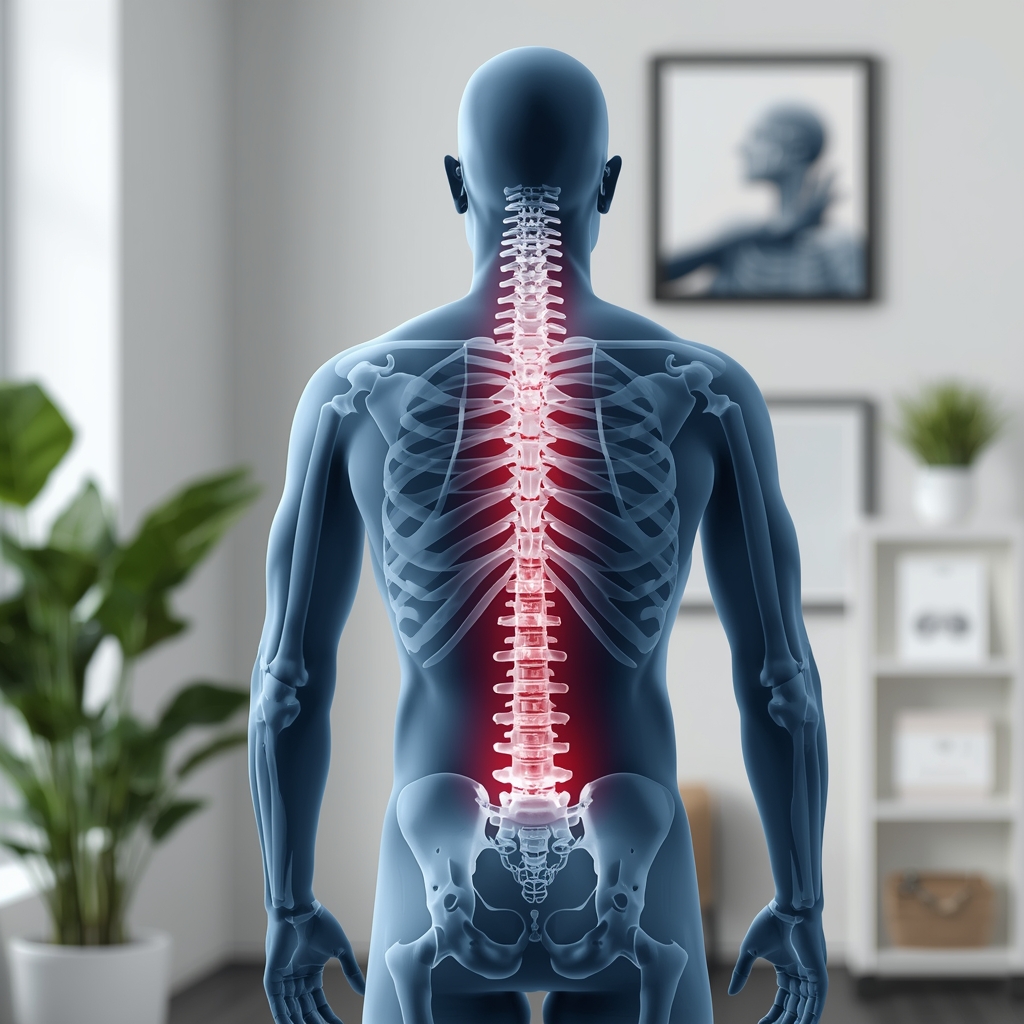
The spine and gastrointestinal (GI) system share a complex relationship through the nervous system. Spinal misalignments, or subluxations, may interfere with nerve signals traveling between the brain and internal organs, including the digestive tract. This disruption could theoretically affect GI function, potentially contributing to issues like irritable bowel syndrome (IBS). Chiropractors focus on restoring proper spinal alignment to support optimal nervous system function, which may indirectly influence digestive health. While the exact mechanisms remain under study, this holistic perspective aligns with chiropractic principles of body-wide interdependence.
How Spinal Misalignments May Impact Digestive Health
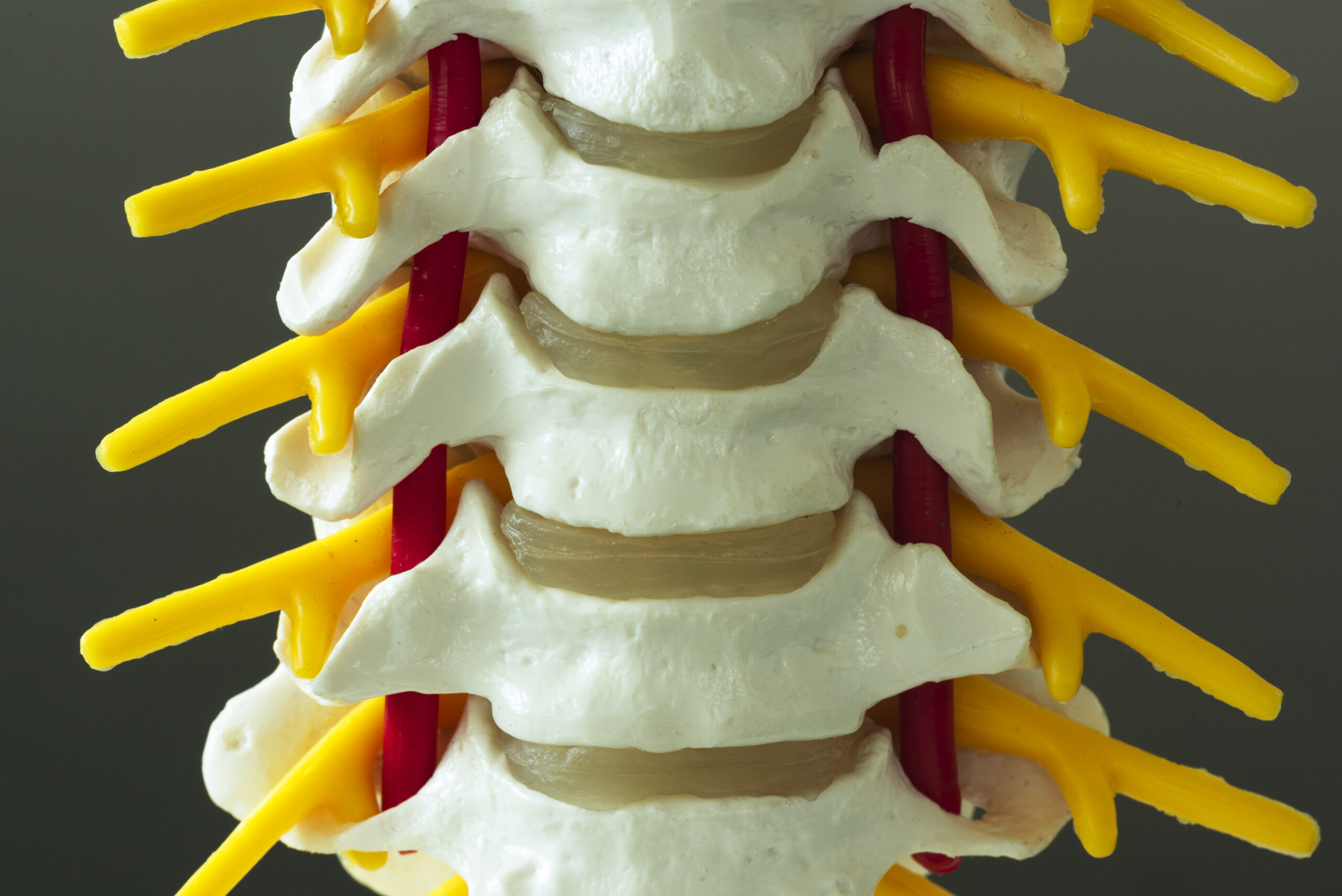
Specific spinal regions, such as the thoracic and lumbar areas, house nerves that innervate digestive organs. Misalignments in these regions might alter nerve communication, potentially leading to digestive irregularities. For example, reduced mobility in the thoracic spine could affect the vagus nerve, which plays a key role in regulating digestion. Chiropractic adjustments aim to correct these misalignments, potentially improving nerve function and supporting digestive processes. However, it's important to note that spinal issues alone rarely cause GI disorders, and other factors like diet, stress, and gut microbiota also play significant roles.
Chiropractic Techniques for Spinal Realignment
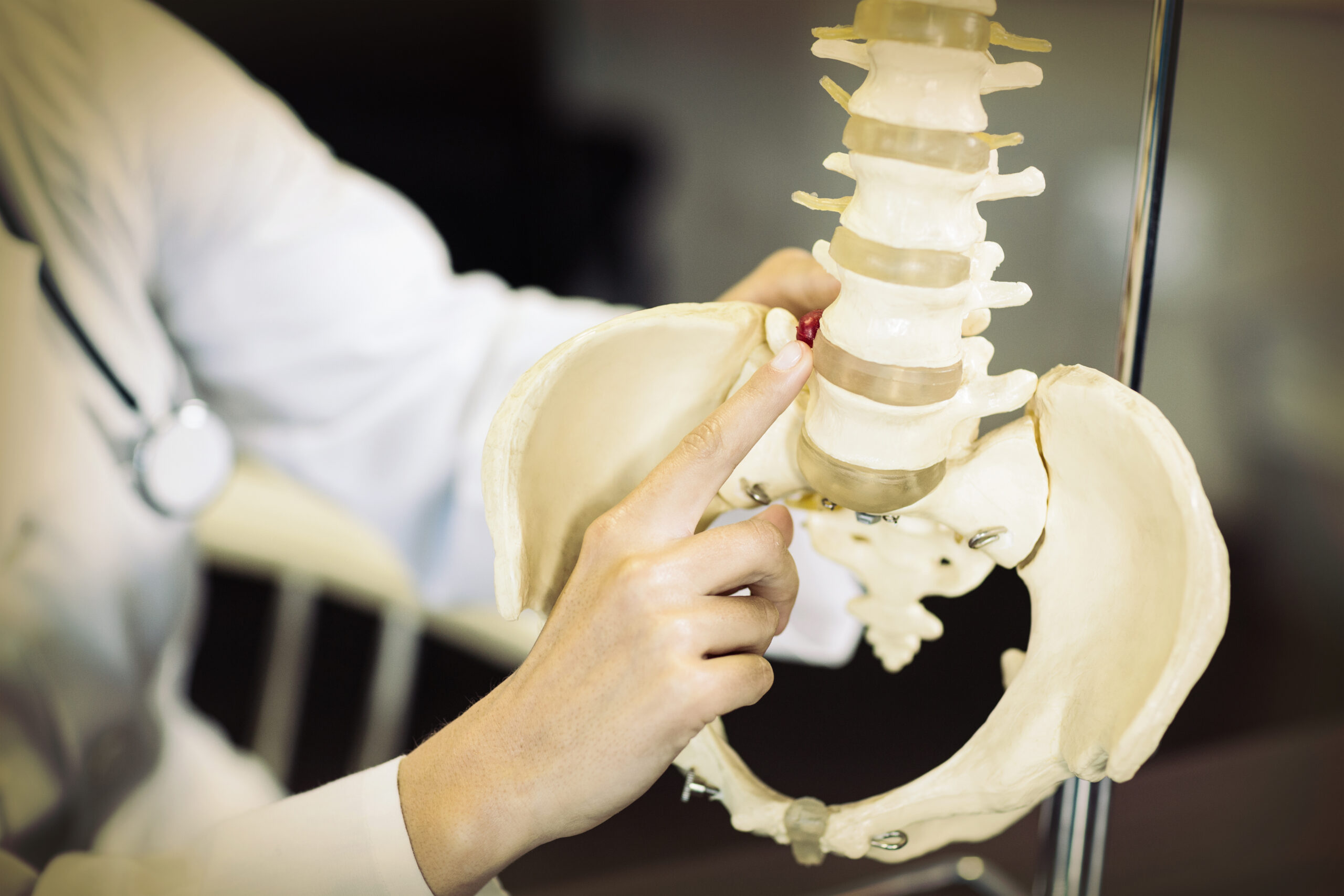
Chiropractors use manual adjustments and specialized tools to correct spinal misalignments. Techniques such as diversified adjustments, activator methods, and flexion-distraction therapy target specific areas of the spine to restore proper alignment. These interventions aim to reduce nerve interference and promote physiological balance. For patients with GI concerns, practitioners may focus on regions associated with digestive organ innervation. While many patients report improved symptoms, chiropractic care is typically part of a broader treatment plan that may include dietary changes, stress management, and other therapies.
Evidence Supporting Chiropractic for GI Disorders
Research on chiropractic care for gastrointestinal issues is limited but growing. Some studies suggest spinal adjustments may alleviate symptoms in conditions like IBS by improving nervous system function. A 2016 review noted potential benefits for patients with chronic digestive complaints, though more rigorous trials are needed. Case studies and anecdotal reports often highlight improvements in bowel regularity and reduced discomfort following chiropractic care. While these findings are promising, they do not confirm causation, and individual results vary widely. Ongoing research seeks to clarify the extent of chiropractic's role in digestive health.
Challenges in Research and Clinical Application
Studying chiropractic's impact on GI disorders presents unique challenges. Variability in patient conditions, treatment approaches, and outcome measures complicates data interpretation. Many studies lack large sample sizes or randomized control groups, limiting their statistical strength. Additionally, the multifactorial nature of digestive issues makes it difficult to isolate the effects of spinal adjustments. Despite these hurdles, some healthcare providers integrate chiropractic care as a complementary option for patients seeking non-invasive approaches. Further research is essential to establish clear guidelines for its use in digestive health.
Considering Chiropractic as Part of a Holistic Approach
Chiropractic care may offer a complementary strategy for individuals exploring non-pharmacological options for GI health. By addressing spinal misalignments, it aims to support the body's natural healing processes. However, it should not replace conventional medical care for conditions like IBS. Patients interested in chiropractic should consult with licensed practitioners and their primary healthcare providers to develop a coordinated plan. While the evidence remains evolving, many find value in combining chiropractic adjustments with dietary adjustments, stress reduction, and other evidence-based therapies for comprehensive digestive wellness.