Understanding the Spine-Gut Connection
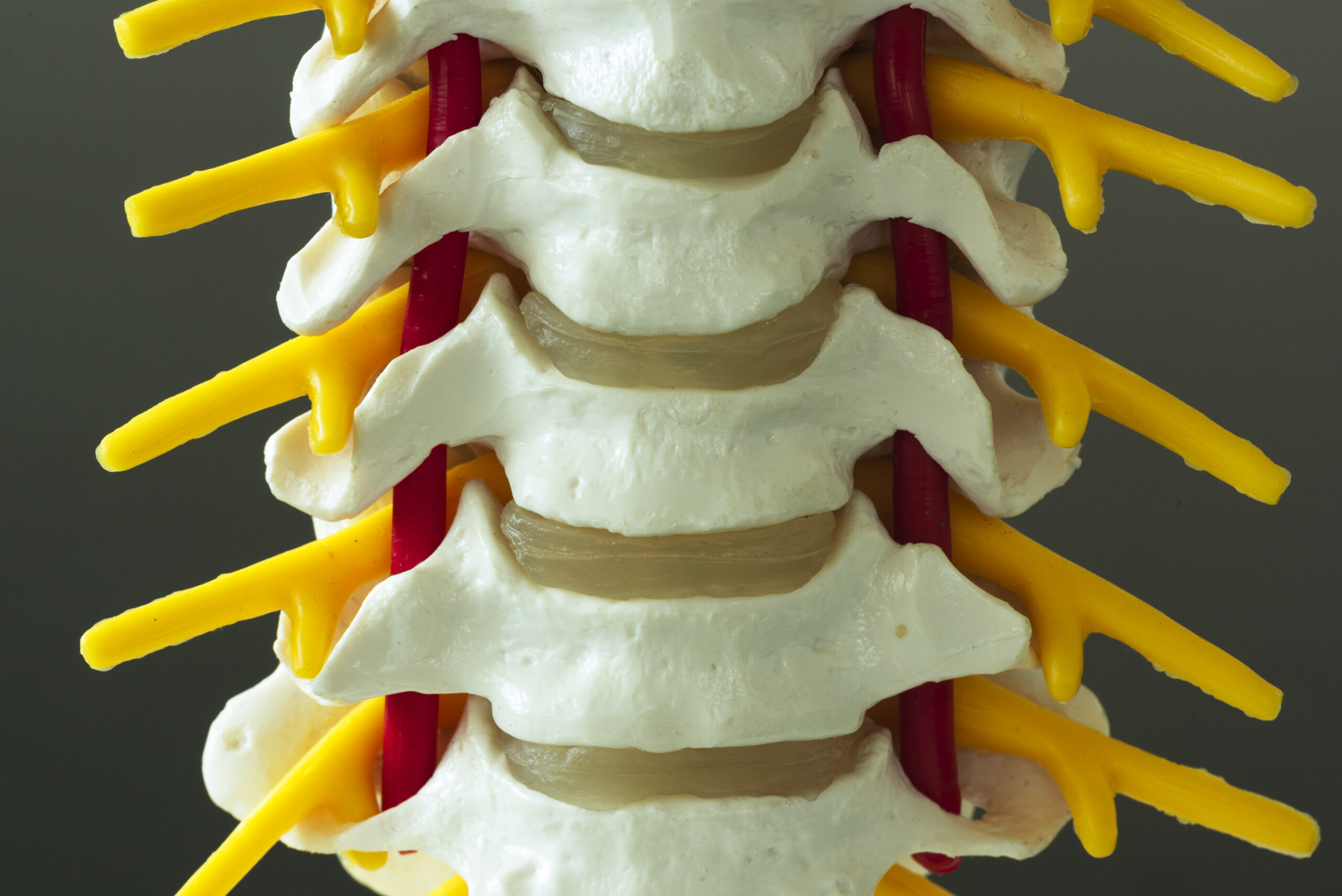
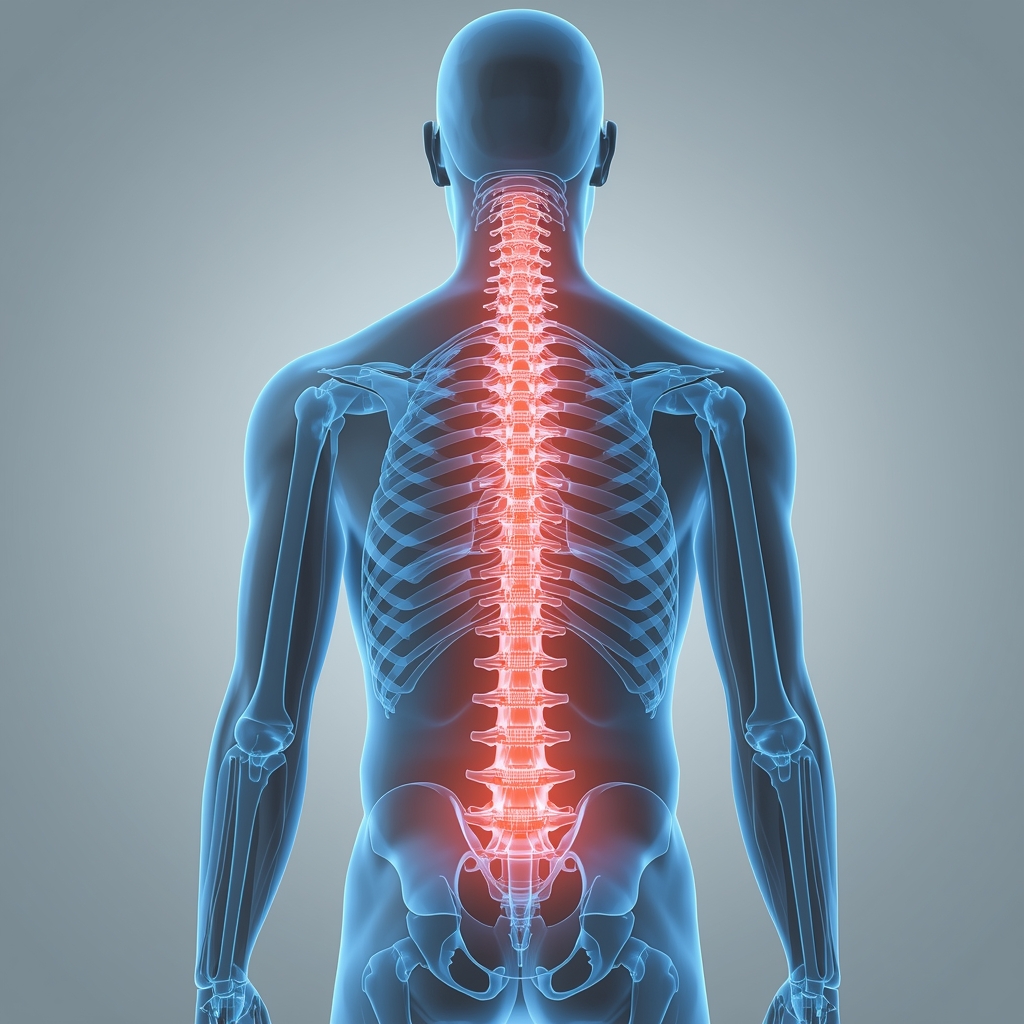
The relationship between spinal health and digestive function is rooted in the nervous system's role as a communication network. The spine houses and protects the spinal cord, which serves as a critical pathway for signals between the brain and the body. The autonomic nervous system, responsible for regulating involuntary functions like digestion, relies on this neural connectivity. Misalignments in the spine, known as subluxations, may theoretically disrupt these signals, potentially affecting gastrointestinal motility, secretion, and sensitivity. While the exact mechanisms remain under study, this interplay highlights the potential for spinal manipulation to influence gut health through neural pathways.
How Spinal Manipulation May Influence Digestive Function
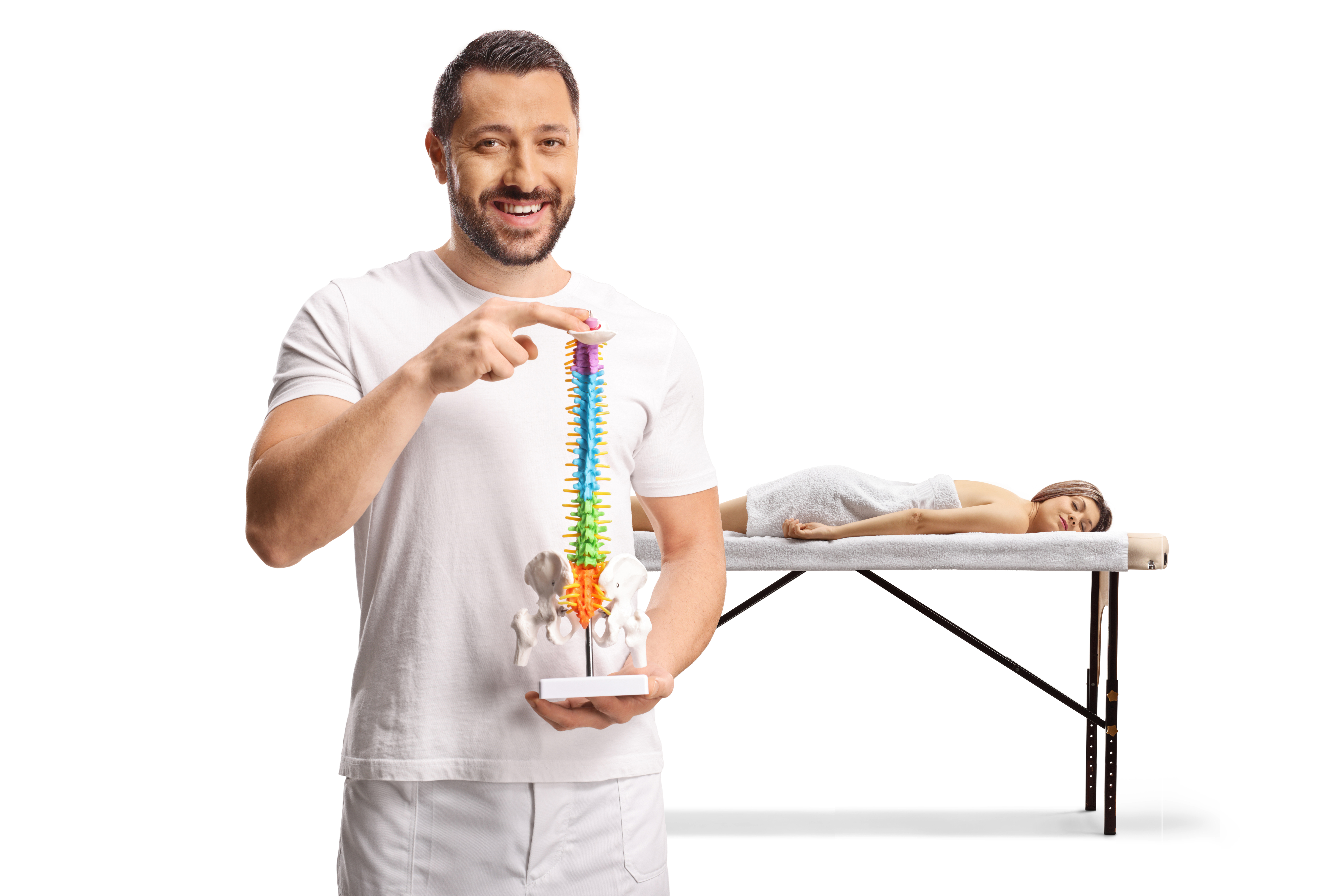
Spinal adjustments aim to restore proper alignment and function to the vertebrae, which could alleviate pressure on nerves that regulate digestive processes. For example, the thoracic spine is closely associated with the vagus nerve, a key component of the parasympathetic nervous system that stimulates digestion. By improving spinal mobility and reducing nerve interference, chiropractic care may support the body's natural ability to process food and maintain gut homeostasis. However, these effects are indirect and not a substitute for medical treatment. Patients often report subjective improvements in digestion following adjustments, though individual responses vary widely.
Exploring Evidence and Research Trends
Research on spinal manipulation and gut health is still emerging, with most studies focusing on broader musculoskeletal benefits. Some preliminary findings suggest that chiropractic care may help manage symptoms of conditions like irritable bowel syndrome (IBS) by addressing nerve-related dysfunction. However, these studies are often small-scale and lack the rigorous methodology needed to establish definitive conclusions. The lack of large, controlled trials means that the evidence remains inconclusive. While some patients and practitioners report positive outcomes, further research is essential to understand the scope and limitations of spinal manipulation in digestive health.
Indirect Benefits for Digestive Disorders
Spinal manipulation may offer indirect support for individuals with digestive disorders by addressing factors that exacerbate symptoms. For instance, chronic stress and poor posture—both linked to spinal misalignments—can worsen gastrointestinal issues. By promoting relaxation and improving posture, chiropractic care might reduce mechanical stress on the abdomen and enhance overall well-being. Additionally, some theories propose that spinal adjustments could stimulate the release of neurotransmitters that influence gut motility. However, these mechanisms are not yet fully understood, and patients should consult healthcare providers for comprehensive care.
Considerations for Patients and Practitioners
Individuals exploring spinal manipulation for digestive concerns should approach it as part of a broader wellness strategy rather than a standalone solution. Chiropractors often collaborate with other healthcare professionals to address complex conditions, ensuring patients receive balanced care. It is crucial to disclose any existing digestive disorders or medical treatments to avoid potential conflicts. While some patients may experience relief, others might not see significant changes. Open communication with a qualified provider helps tailor interventions to individual needs and monitor outcomes effectively.
Conclusion: A Holistic Perspective on Spinal and Gut Health
The potential link between spinal manipulation and gut health underscores the interconnected nature of the body's systems. While direct evidence remains limited, the indirect effects of spinal adjustments on nerve function and overall wellness warrant further investigation. Patients seeking relief from digestive issues should prioritize evidence-based approaches and consult with healthcare providers to explore all options. Chiropractic care may complement traditional treatments, but it should never replace professional medical advice. As research progresses, a clearer understanding of this relationship may emerge, offering new insights into holistic health strategies.