Understanding Soft Tissue Injuries From Auto Accidents
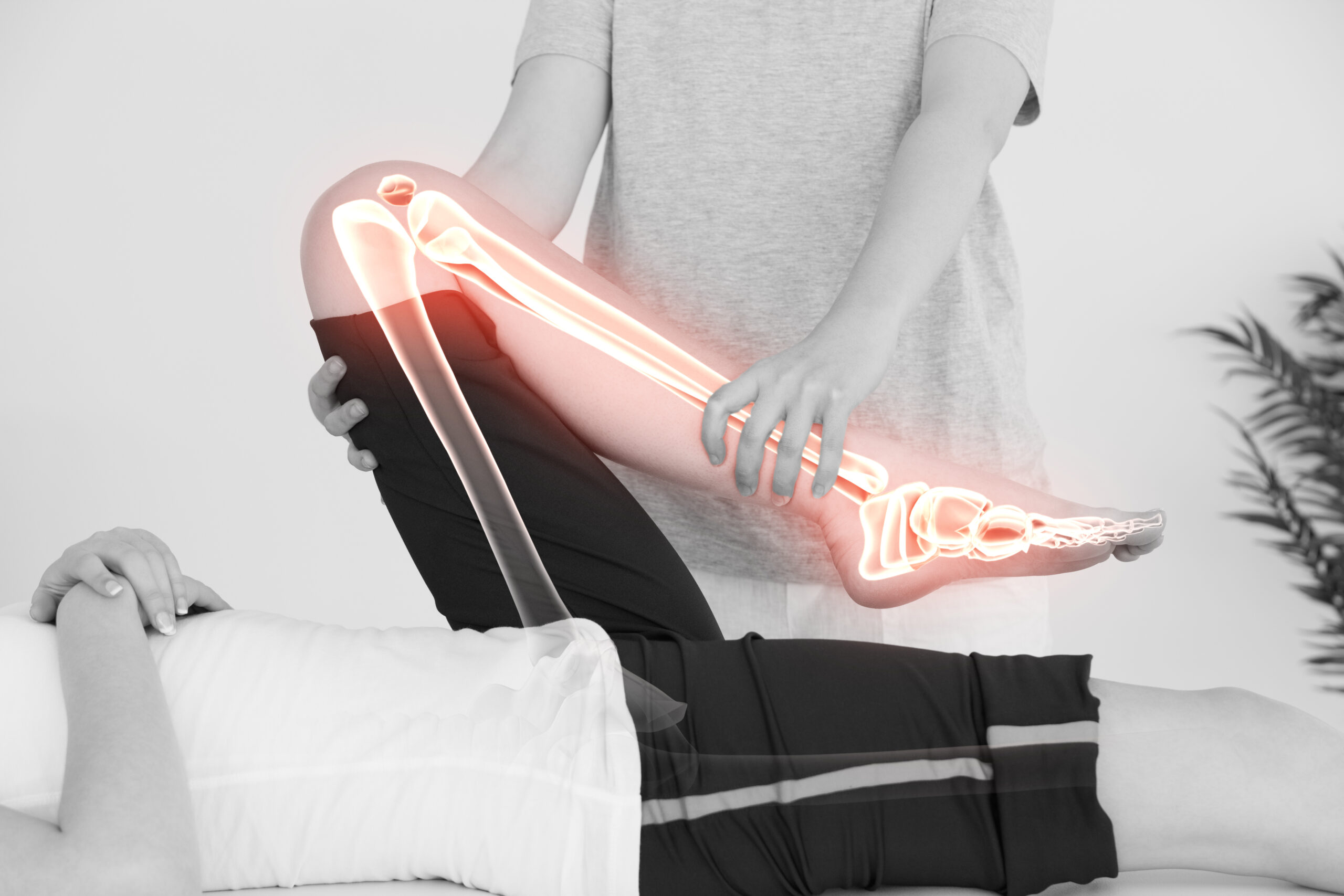
Soft tissue injuries, such as sprains, strains, and ligament damage, are common after car accidents. These injuries often result from sudden impacts that stretch or tear muscles, tendons, or ligaments. While traditional rehabilitation focuses on restoring mobility and strength, chiropractic care offers complementary approaches to accelerate healing. Chiropractors address these injuries by targeting musculoskeletal imbalances and promoting natural recovery processes. The goal is to reduce pain, improve function, and prevent long-term complications. Patients often seek chiropractic care alongside physical therapy to enhance outcomes. Understanding how these techniques work together can help individuals make informed decisions about their recovery. Chiropractic methods are generally non-invasive and focus on the body’s ability to heal itself, making them a valuable addition to standard medical treatments.
Common Chiropractic Techniques for Soft Tissue Repair
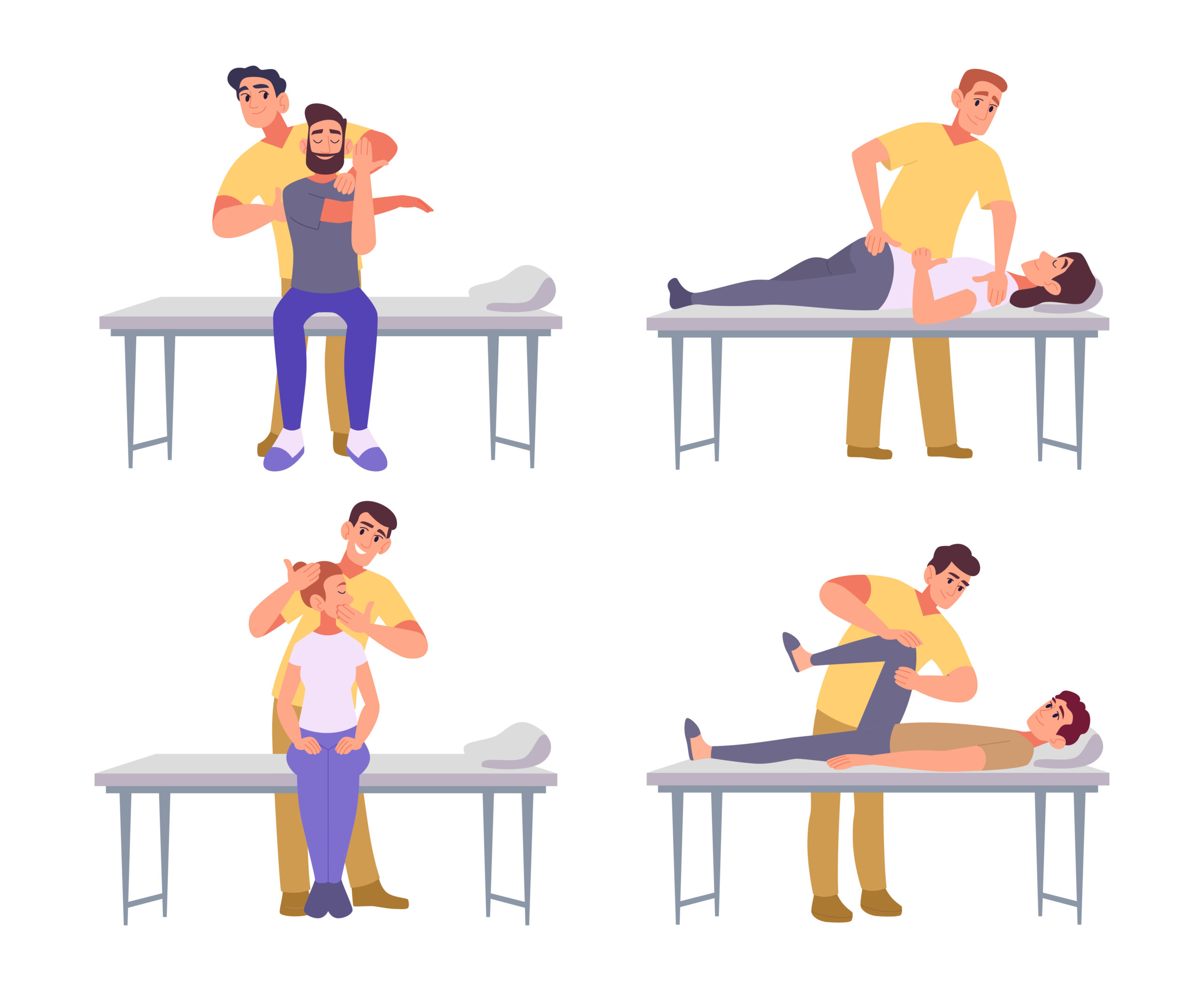
Chiropractors use various techniques to treat soft tissue injuries, including Active Release Technique (ART), soft tissue therapy, and instrument-assisted methods. ART involves applying pressure while the patient moves, breaking up adhesions and restoring mobility. Soft tissue therapy focuses on manipulating muscles and connective tissues to reduce inflammation and improve circulation. These methods help alleviate pain and restore normal function. Chiropractors may also incorporate dry needling or massage therapy to address specific areas of tension. By targeting the root causes of discomfort, these techniques support the body’s natural healing processes. Patients often report reduced pain and faster recovery when these methods are used consistently. However, results vary, and a personalized approach is essential for optimal outcomes.
How Chiropractic Care Complements Traditional Rehabilitation
Chiropractic care works alongside traditional rehabilitation by addressing musculoskeletal imbalances that may hinder recovery. While physical therapy focuses on strengthening and mobility, chiropractic adjustments can correct spinal misalignments that contribute to pain or restricted movement. This dual approach ensures a more comprehensive recovery plan. Chiropractors may also use modalities like cold laser therapy or ultrasound to reduce inflammation and promote tissue repair. By integrating these therapies, patients benefit from both structural and functional improvements. This synergy can lead to faster pain relief and better long-term outcomes. However, it’s important to coordinate care with other healthcare providers to avoid conflicting treatments. A collaborative approach ensures that all aspects of recovery are addressed effectively.
The Role of Spinal Adjustments in Soft Tissue Recovery
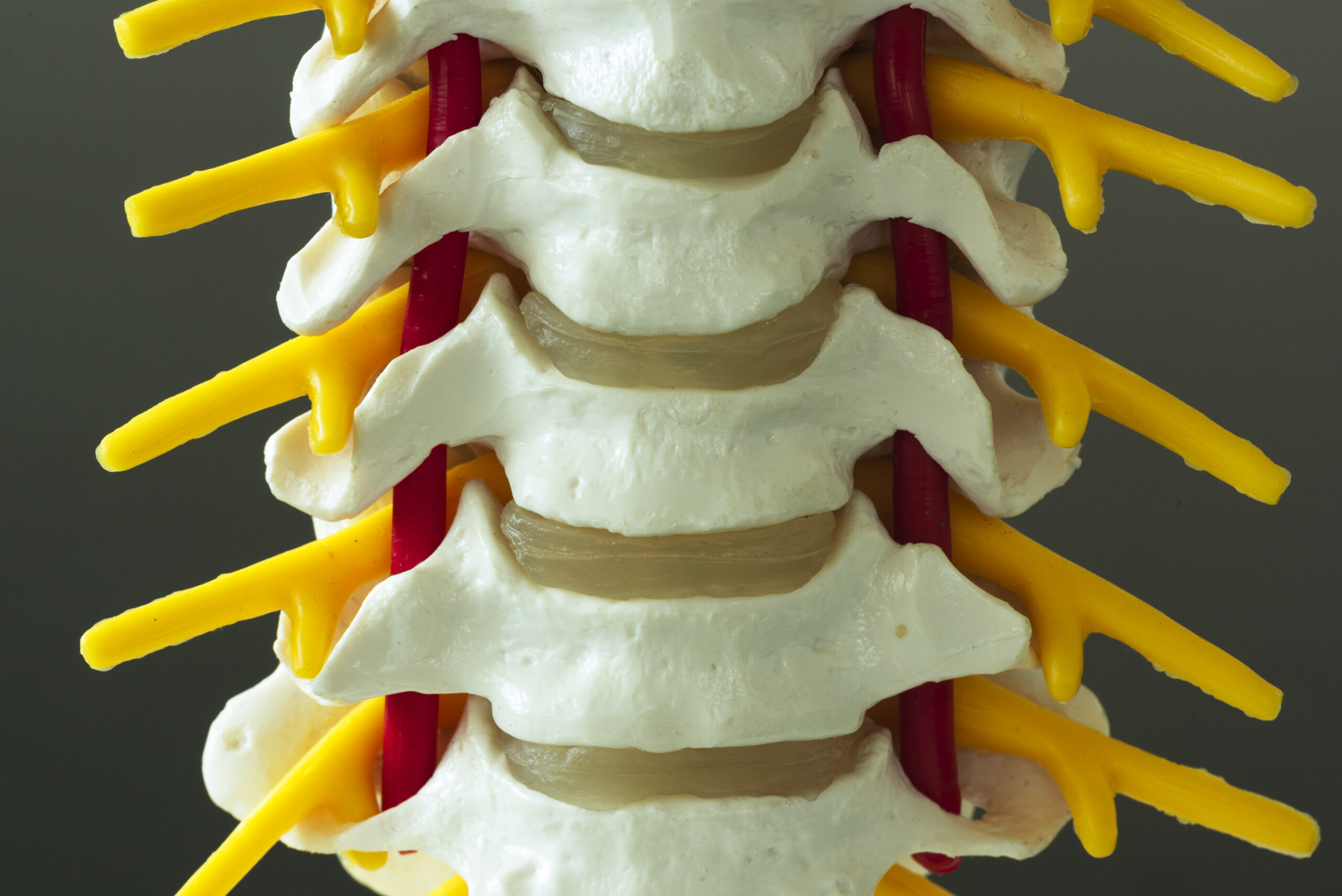
Spinal adjustments are a cornerstone of chiropractic care and play a vital role in soft tissue recovery. By realigning the spine, chiropractors reduce pressure on nerves and muscles, which can alleviate pain and improve mobility. This adjustment also enhances blood flow to injured areas, supporting the body’s natural healing mechanisms. Patients with auto accident injuries often experience referred pain or muscle tension that spinal manipulation can help resolve. Additionally, proper spinal alignment reduces the risk of compensatory movements that may worsen soft tissue damage. Chiropractors tailor adjustments to each patient’s needs, ensuring a safe and effective treatment. While not a standalone solution, spinal care is a critical component of a holistic recovery strategy that addresses both structural and functional aspects of injury.
Integrating Chiropractic With Physical Therapy Practices
Combining chiropractic care with physical therapy creates a more effective recovery plan for soft tissue injuries. Physical therapists focus on restoring movement and strength, while chiropractors address structural imbalances that may impede progress. This integrated approach ensures that both the musculoskeletal system and soft tissues are treated comprehensively. For example, a patient might receive spinal adjustments to reduce nerve irritation and then engage in targeted exercises to rebuild strength. Chiropractors may also recommend specific stretches or mobility drills to complement therapy sessions. This collaboration allows for a more personalized and adaptive treatment plan. Patients often experience faster pain relief and improved function when both disciplines work in tandem. Open communication between providers is key to maximizing the benefits of this combined approach.
Considering Individualized Treatment Plans
Every soft tissue injury is unique, and effective treatment requires a personalized approach. Chiropractors evaluate each patient’s condition, medical history, and recovery goals to create a tailored plan. This may involve a combination of techniques, such as soft tissue therapy, spinal adjustments, and rehabilitative exercises. Patients should discuss their preferences and any existing treatments with their chiropractor to ensure compatibility. While chiropractic care can enhance recovery, it’s not a substitute for medical advice or prescribed therapies. A multidisciplinary team, including physicians, physical therapists, and chiropractors, can provide the best outcomes. By prioritizing individual needs, patients can achieve more sustainable and effective results. Regular follow-ups and adjustments to the treatment plan are essential for long-term success.