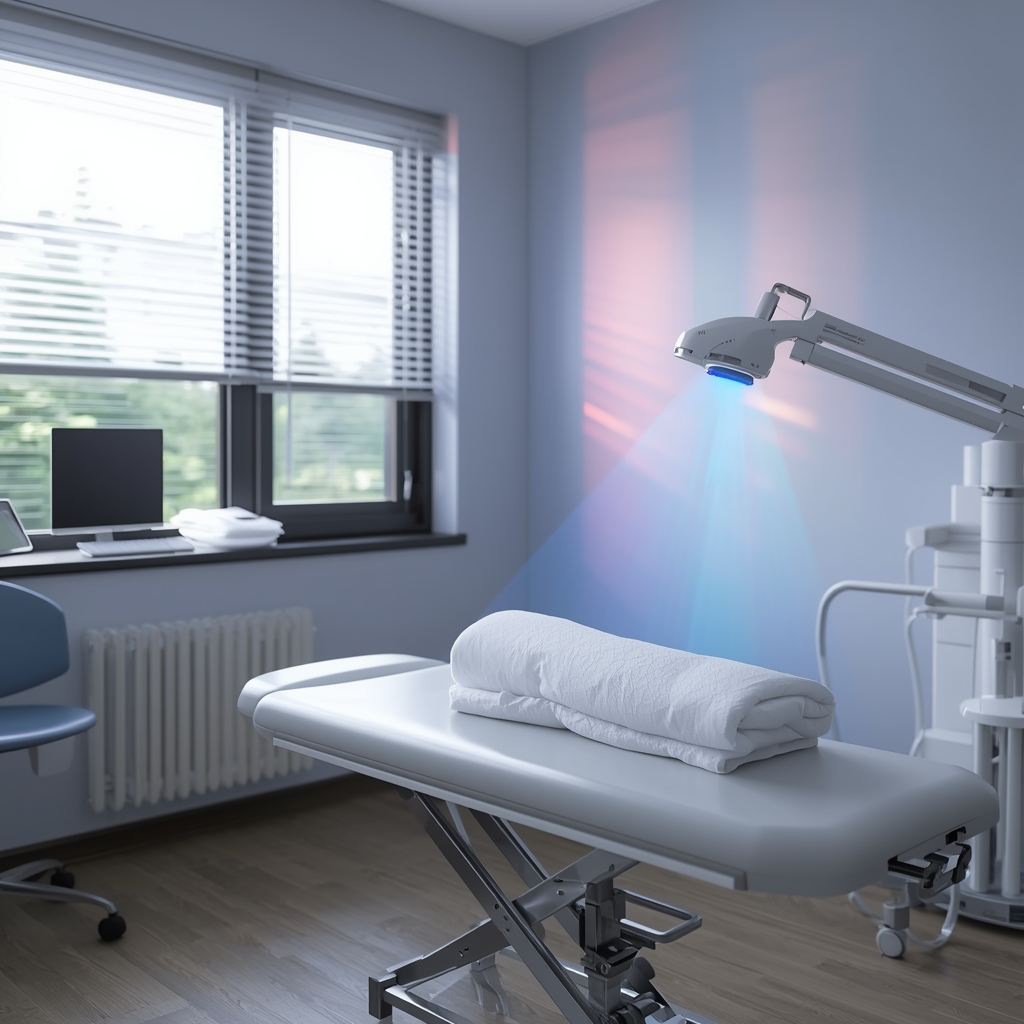
Understanding Cold Laser Therapy for Neuropathic Pain
Cold laser therapy, also known as low-level laser therapy (LLLT), is a non-invasive treatment that uses specific wavelengths of light to stimulate cellular function and reduce pain. For chronic neuropathic pain—caused by nerve damage or dysfunction—chiropractors may employ this modality to target affected areas. Unlike traditional lasers used in surgery, cold lasers do not generate heat, making them safe for prolonged use. The therapy is often used alongside spinal adjustments and other chiropractic techniques to address pain originating from compressed nerves or disrupted neural pathways. While research on its efficacy for neuropathic pain is ongoing, many practitioners report positive outcomes in reducing inflammation and improving nerve conductivity.
How Cold Laser Therapy Works on Nerve Tissue
The mechanism of cold laser therapy involves photobiomodulation, where light energy is absorbed by cells to enhance ATP production and reduce oxidative stress. For neuropathic pain, this process may help repair damaged nerve cells and improve signal transmission. By targeting inflamed or injured nerves, the therapy can potentially alleviate burning, tingling, or shooting sensations characteristic of nerve-related pain. Chiropractors may use different laser settings—such as wavelength and power—to optimize results. However, the exact biological pathways remain an area of active research, and individual responses can vary. Patients should consult their chiropractor to determine if this therapy aligns with their treatment goals.
Targeting Chronic Neuropathic Pain with Cold Laser Therapy
Chiropractors use cold laser therapy to address chronic neuropathic pain by focusing on specific nerve pathways or areas of nerve compression. Conditions like diabetic neuropathy, post-herpetic neuralgia, or sciatica may benefit from this approach. The therapy is typically applied directly to the skin over the affected nerve or spinal segment, with sessions lasting 5–20 minutes. Practitioners may adjust the laser’s intensity and duration based on the patient’s sensitivity and pain severity. While cold laser therapy is not a standalone solution, it can complement other chiropractic interventions, such as spinal adjustments or soft tissue work, to provide comprehensive relief. Patients should discuss their medical history with their chiropractor to ensure safe and effective treatment planning.
Optimal Treatment Protocols for Neuropathic Pain
Effective cold laser therapy for neuropathic pain often follows structured protocols tailored to the patient’s condition. A typical regimen might involve 1–3 sessions per week for 4–8 weeks, with gradual adjustments based on progress. Factors like the laser’s wavelength (often in the red or near-infrared spectrum) and power output influence treatment outcomes. Chiropractors may also combine cold laser therapy with other modalities, such as electrical stimulation or manual therapy, to enhance results. Consistency is key, as neuropathic pain can require prolonged care. Patients should communicate any changes in symptoms to their provider, who can modify the protocol as needed. Individualized care ensures the therapy addresses the unique needs of each patient’s nerve-related discomfort.
Safety and Considerations for Cold Laser Therapy
Cold laser therapy is generally considered safe when administered by trained professionals. However, it is not suitable for all patients, particularly those with photosensitive conditions or certain skin disorders. Chiropractors evaluate each case to determine if the therapy is appropriate, avoiding areas with open wounds or malignancies. While side effects are rare, some patients may experience mild warmth or tingling during treatment. It is important to note that cold laser therapy should not replace conventional medical care for neuropathic pain. Instead, it serves as a complementary option to support healing. Patients should always discuss their treatment plan with their chiropractor to ensure it aligns with their overall health goals and existing medical conditions.
Integrating Cold Laser Therapy into Comprehensive Care
Chiropractors often integrate cold laser therapy into a broader treatment plan for chronic neuropathic pain, combining it with adjustments, rehabilitation exercises, and lifestyle modifications. This multidisciplinary approach addresses both the symptoms and underlying causes of nerve pain. For example, spinal adjustments may relieve pressure on affected nerves, while cold laser therapy promotes tissue repair. Patients may also benefit from referrals to physical therapists or pain management specialists for additional support. Open communication between the patient and chiropractor is essential to monitor progress and make necessary adjustments. By combining evidence-based practices, chiropractors aim to provide holistic, patient-centered care that improves quality of life for those living with neuropathic pain.