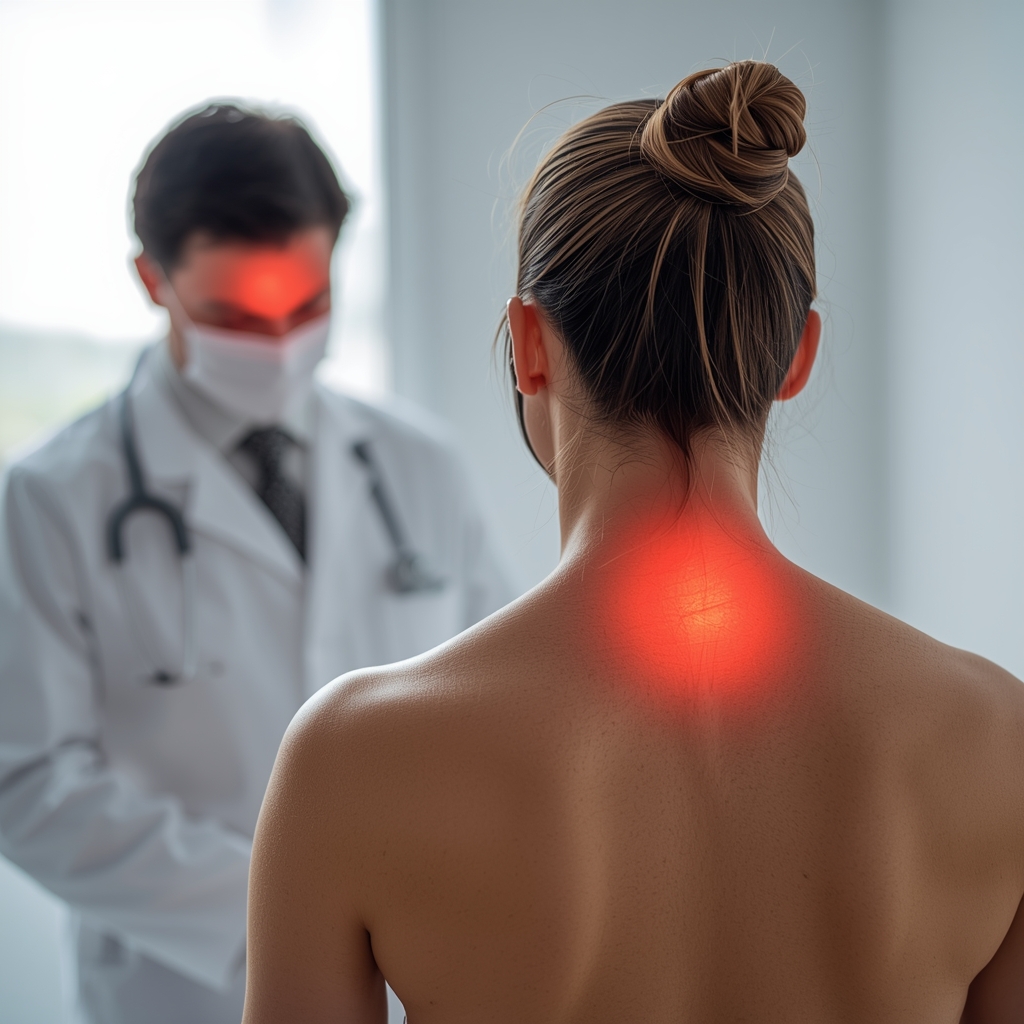
Understanding Chronic Rotator Cuff Tendinopathy
Chronic rotator cuff tendinopathy refers to long-term inflammation or degeneration of the tendons in the rotator cuff, a group of muscles and tendons that stabilize the shoulder joint. This condition often develops from repetitive overhead movements, aging, or improper shoulder mechanics, leading to pain, reduced range of motion, and difficulty performing daily tasks. Unlike acute injuries, chronic cases involve persistent discomfort that may not respond well to traditional treatments alone. Patients frequently report discomfort during activities like lifting, reaching, or even resting, which can significantly impact quality of life. While conservative approaches like physical therapy and anti-inflammatory medications are common, some individuals seek complementary therapies to enhance recovery. Cold laser therapy has emerged as a potential option, but its mechanisms and protocols require careful exploration to ensure safe and effective use.
How Cold Laser Therapy Works
Cold laser therapy, also known as low-level laser therapy (LLLT), uses specific wavelengths of light to stimulate cellular function without generating heat. The therapy is believed to work by penetrating the skin and reaching damaged tissues, where it may enhance mitochondrial activity and promote healing. This process, called photobiomodulation, can reduce inflammation, alleviate pain, and improve tissue repair. For chronic rotator cuff tendinopathy, the goal is to target the affected tendons and surrounding muscles to restore function. Unlike surgical interventions, cold laser therapy is non-invasive and typically well-tolerated, making it an appealing option for patients seeking alternatives to medication or more aggressive treatments. However, the exact biological pathways remain an area of ongoing research, and results can vary based on individual factors such as the severity of the condition and overall health.
Mechanisms Behind Accelerated Healing
The therapeutic effects of cold laser therapy on tendons involve multiple physiological processes. One key mechanism is the stimulation of adenosine triphosphate (ATP) production within cells, which provides energy for tissue repair. This can enhance the body’s natural healing response and reduce the time needed for recovery. Additionally, the therapy may modulate inflammatory markers, decreasing swelling and discomfort in the affected area. Improved blood circulation is another potential benefit, as increased oxygen and nutrient delivery can support tendon regeneration. For chronic rotator cuff tendinopathy, these combined effects may help alleviate pain and restore mobility over time. However, the extent of these benefits can depend on factors like the laser’s wavelength, power output, and treatment duration. Patients should consult a qualified provider to determine if cold laser therapy aligns with their specific needs and treatment goals.
Recommended Dosage Protocols
While there is no one-size-fits-all approach, cold laser therapy for chronic rotator cuff tendinopathy typically involves a series of sessions tailored to the patient’s condition. Treatment plans often include sessions lasting 5 to 20 minutes, with frequencies ranging from several times per week to once weekly, depending on the severity of the issue. The specific parameters, such as laser wavelength (commonly in the red or near-infrared spectrum) and power output, are adjusted to ensure optimal penetration and effectiveness. Some practitioners may combine cold laser therapy with other modalities, like manual therapy or exercise, to enhance outcomes. It is crucial to follow a structured protocol under professional guidance, as improper use may reduce efficacy or cause unintended side effects. Patients should discuss their treatment plan with a chiropractor or healthcare provider to ensure it is safe and appropriate for their unique situation.
Benefits and Patient Outcomes
Many patients report subjective improvements in pain levels and functional mobility after undergoing cold laser therapy for chronic rotator cuff tendinopathy. While individual results vary, the therapy is often praised for its non-invasive nature and minimal side effects compared to more aggressive treatments. Some studies suggest that cold laser therapy may contribute to reduced inflammation and accelerated tissue repair, though the evidence remains mixed. Patients frequently describe feeling less stiffness and greater ease in performing daily activities after several sessions. However, it is important to note that cold laser therapy is typically used as part of a comprehensive treatment plan rather than a standalone solution. Combining it with physical therapy, ergonomic adjustments, or lifestyle modifications may yield the best results. As with any therapeutic intervention, open communication with a healthcare provider is essential to monitor progress and make necessary adjustments.
Considerations and Safety
Before pursuing cold laser therapy, patients should understand that it is not a guaranteed solution and may not work for everyone. Factors such as the stage of the condition, overall health, and adherence to treatment protocols can influence outcomes. Safety is generally high when administered by trained professionals, as the therapy does not involve heat or invasive procedures. However, individuals with certain medical conditions, such as photosensitivity or active infections, should exercise caution and consult their doctor. It is also important to avoid self-administering cold laser devices, as improper use can lead to ineffective treatment or unintended effects. Patients should seek care from licensed chiropractors or healthcare providers who have experience with this modality. By approaching cold laser therapy as a complementary option within a broader treatment strategy, individuals can make informed decisions about their care while prioritizing safety and effectiveness.