Understanding Neurophysiological Mechanisms in Chiropractic Adjustments
Chiropractic adjustments involve precise manipulations of the spine and other joints to restore proper alignment and function. These interventions are believed to influence the nervous system, which plays a central role in pain perception and regulation. The neurophysiological mechanisms behind these adjustments are complex, involving interactions between the central nervous system (CNS), peripheral nerves, and musculoskeletal structures. By addressing misalignments, chiropractors aim to reduce nerve irritation, improve proprioception, and enhance overall bodily function. While the exact processes are still under investigation, research suggests that spinal adjustments may modulate pain signals, reduce inflammation, and promote natural healing. This article explores the scientific theories and evidence supporting these mechanisms, emphasizing their relevance to pain management and patient care.
Neural Pathways and Pain Modulation
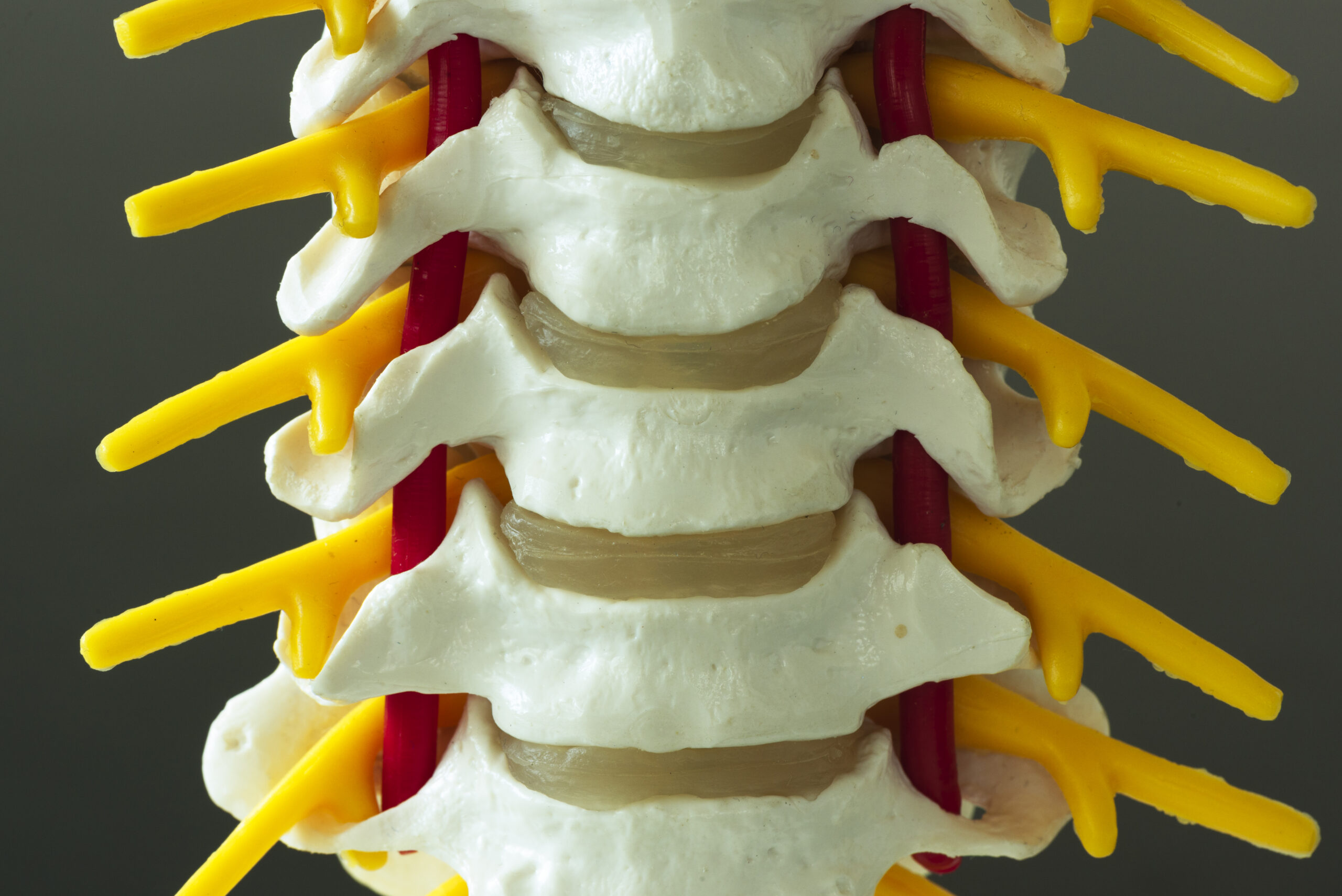
One proposed mechanism involves the modulation of neural pathways that transmit pain signals. The spine houses critical nerve roots that connect to the brain, and misalignments (subluxations) may disrupt these pathways. Adjustments are thought to restore normal nerve function, potentially reducing the transmission of pain signals to the brain. Additionally, spinal manipulations may stimulate the release of endogenous opioids, the body’s natural painkillers, which can help alleviate discomfort. Research indicates that these interventions may also influence the gate control theory of pain, where non-painful stimuli (such as those from adjustments) can block or reduce the perception of pain. While the exact biochemical and neurological processes remain areas of ongoing study, the interplay between spinal alignment and nervous system function is a key focus in understanding how chiropractic care addresses pain.
Reflexes and Muscle Function
Chiropractic adjustments may also impact reflexes and muscle function, which are closely tied to pain and movement. Misalignments can lead to altered muscle tone, spasms, or compensatory movements that contribute to discomfort. By realigning the spine, adjustments may normalize reflex arcs and reduce muscle tension, promoting more balanced movement patterns. This effect is often linked to the somatosensory system, which processes sensory information from muscles, joints, and skin. Improved proprioception—the body’s ability to sense its position—can enhance coordination and reduce strain on affected areas. While the precise mechanisms are not fully understood, the relationship between spinal alignment, muscle function, and pain is a critical area of exploration. These interactions highlight the potential of chiropractic care to address both structural and functional aspects of pain.
Inflammatory Responses and Tissue Healing
Emerging research suggests that chiropractic adjustments may influence inflammatory processes, which are central to pain and tissue damage. Chronic inflammation can exacerbate pain and delay healing, and some studies indicate that spinal manipulations may reduce pro-inflammatory markers while promoting anti-inflammatory responses. This could involve interactions with the autonomic nervous system, which regulates involuntary functions like immune activity. By restoring balance to the nervous system, adjustments might indirectly support the body’s natural ability to manage inflammation. However, the evidence remains preliminary, and more research is needed to clarify these mechanisms. While the connection between chiropractic care and inflammation is not yet fully defined, it underscores the potential for non-invasive interventions to support holistic healing processes.
Evidence and Research Gaps
Although anecdotal and clinical evidence supports the effectiveness of chiropractic adjustments for pain relief, the scientific community continues to investigate the underlying mechanisms. Studies have shown that spinal manipulations can lead to short-term pain reduction in conditions like back pain and headaches, but long-term effects and specific neurophysiological pathways require further exploration. Research often focuses on physiological changes, such as nerve conduction velocities or inflammatory markers, to better understand how adjustments work. However, the complexity of the nervous system and individual variability in responses pose challenges for standardized studies. While current findings are promising, they highlight the need for more rigorous, large-scale research to validate these mechanisms and establish their broader applicability.
Conclusion: Integrating Science and Practice
Chiropractic adjustments are rooted in the principle that proper spinal alignment supports optimal nervous system function, which in turn influences pain and overall health. While the neurophysiological mechanisms are not yet fully elucidated, existing research suggests that these interventions may modulate pain signals, improve muscle function, and reduce inflammation. Patients considering chiropractic care should consult with a qualified provider to discuss their individual needs and goals. As science continues to advance, a deeper understanding of these mechanisms may enhance the integration of chiropractic care into comprehensive pain management strategies. By combining clinical expertise with ongoing research, the field aims to provide safe, effective, and evidence-based solutions for those seeking relief from chronic or acute pain.