Understanding the Sciatic Nerve and Its Pathways
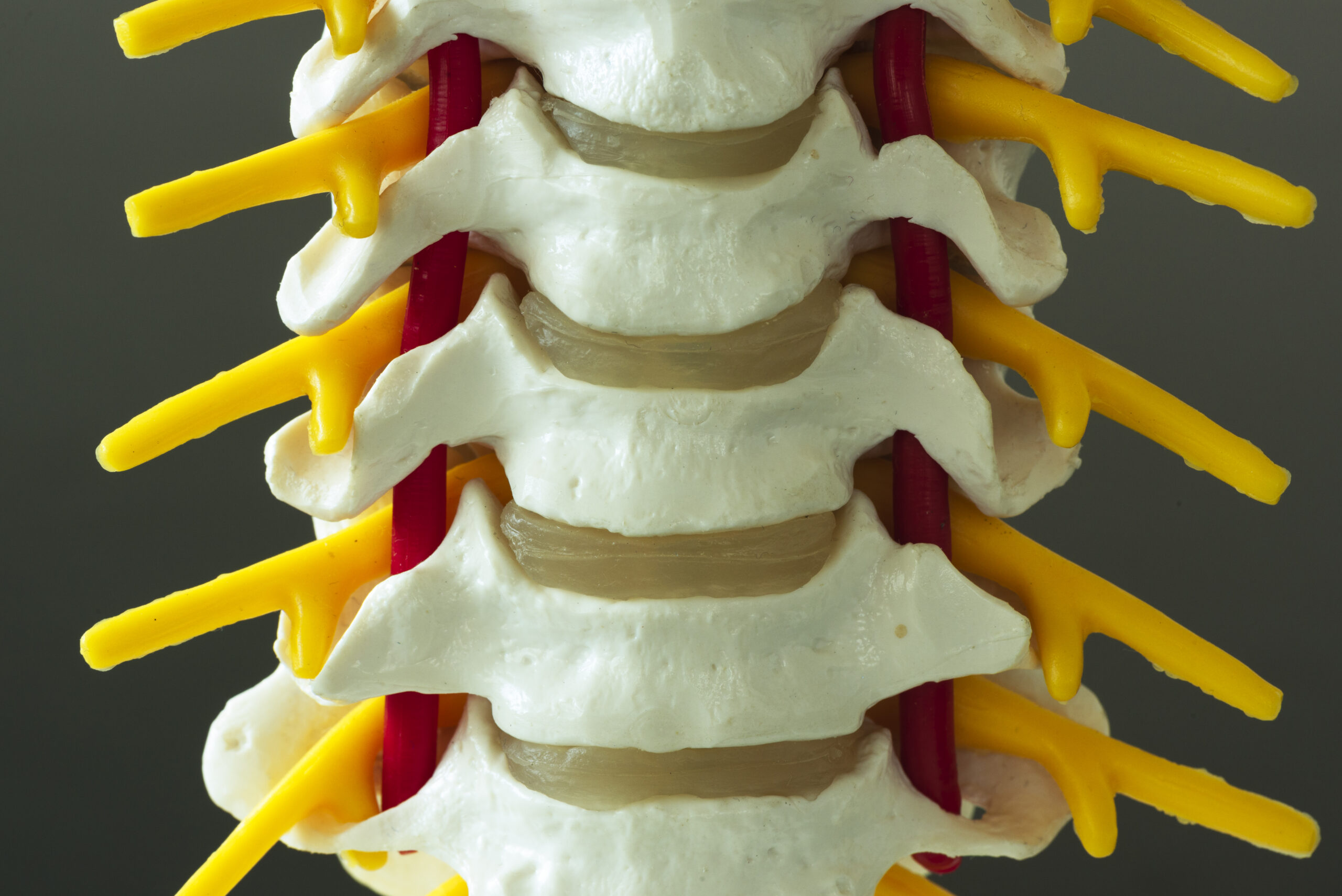
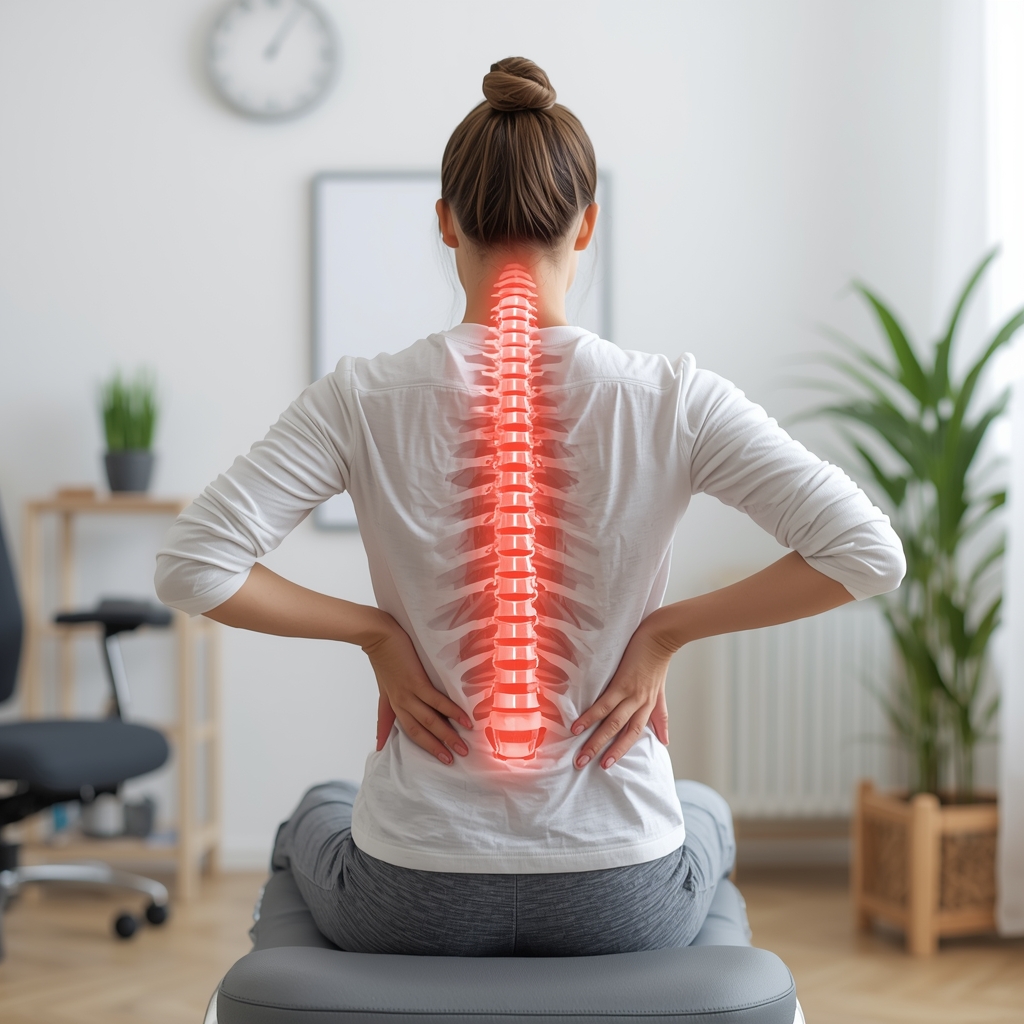
The sciatic nerve, the body’s largest nerve, originates from spinal nerves L4 to S3 and extends through the lower back, hips, and legs. Sciatic pain typically arises from compression or irritation of this nerve, often due to herniated discs, spinal stenosis, or muscle spasms. Neurophysiologically, this condition disrupts normal signal transmission, leading to pain, numbness, or weakness. Spinal adjustments aim to alleviate this by restoring proper alignment, potentially reducing pressure on the nerve. This process engages various neural pathways, including sensory and motor systems, to promote healing. Understanding these mechanisms helps clarify how chiropractic care may influence the nervous system’s response to pain and dysfunction.
The Role of Spinal Adjustments in Nervous System Regulation
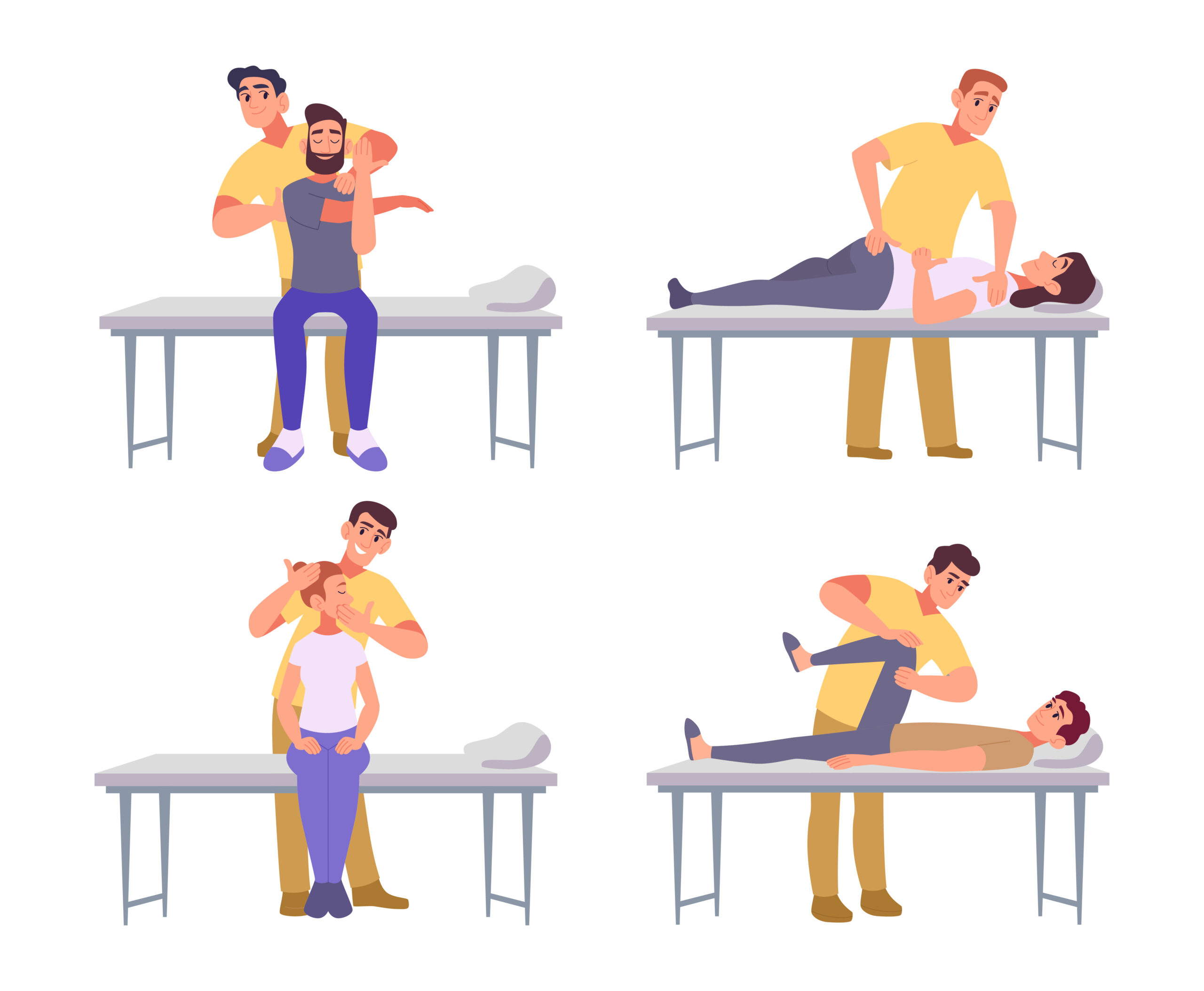
Spinal adjustments involve precise, controlled forces applied to the spine to correct misalignments, or subluxations. These manipulations can stimulate mechanoreceptors in the joints and surrounding tissues, sending signals to the central nervous system. This stimulation may modulate pain perception by activating inhibitory pathways that reduce nociceptive (pain) signals. Additionally, adjustments can influence the autonomic nervous system, promoting a shift toward parasympathetic dominance, which supports relaxation and healing. By recalibrating neural feedback loops, these interventions may help the body restore balance and reduce the inflammatory responses associated with sciatic nerve irritation.
Somatosensory Pathways and Pain Modulation
The somatosensory system plays a critical role in processing pain signals from the sciatic nerve. During a spinal adjustment, mechanical stimuli can activate proprioceptive and nociceptive receptors, altering how the brain interprets pain. This may involve the release of endogenous opioids or other neurotransmitters that dampen pain signals. Adjustments might also enhance the descending inhibitory pathways in the spinal cord, which act as a natural pain-relief mechanism. By influencing these pathways, chiropractic care could help reduce the intensity of sciatic pain and improve functional outcomes. However, individual responses vary, and the exact mechanisms remain an area of ongoing research in integrative medicine.
Autonomic Nervous System Responses
Spinal adjustments can impact the autonomic nervous system (ANS), which regulates involuntary functions like heart rate and inflammation. By correcting spinal misalignments, adjustments may reduce sympathetic nervous system overactivity, which is often linked to chronic pain and stress. This shift can lower systemic inflammation and promote tissue repair. Additionally, the ANS influences blood flow and muscle tension, both of which are relevant to sciatic nerve health. While the precise neural connections remain under investigation, the interplay between spinal mechanics and autonomic function highlights the body’s complex regulatory networks. Patients may experience relief through these integrated physiological responses, though professional evaluation is essential to tailor care effectively.
Central Nervous System Integration
The brain and spinal cord serve as the command center for processing and responding to spinal adjustments. When a chiropractor performs an adjustment, sensory information travels to the brainstem and higher cortical regions, which then coordinate appropriate physiological responses. This includes modulating pain perception, muscle activation, and inflammatory processes. The cerebellum and motor cortex may also engage to improve coordination and posture, indirectly supporting sciatic nerve function. These central nervous system interactions underscore the holistic nature of chiropractic care, as adjustments can influence both local and systemic health. However, the exact neural circuits involved require further study to fully understand their therapeutic potential.
Conclusion: Mechanisms and Patient Considerations
Spinal adjustments for sciatic pain likely involve complex interactions between sensory, motor, and autonomic pathways. While research continues to elucidate these mechanisms, the goal remains to restore neural function and reduce pain. Patients should consult qualified chiropractors to explore whether these interventions align with their specific needs. Individual responses may vary, and adjustments are most effective when part of a comprehensive care plan. Understanding the neurophysiological basis of these treatments fosters informed decision-making and highlights the body’s innate capacity for self-regulation. As with any healthcare approach, professional guidance is crucial to ensure safety and efficacy.