Understanding the Connection Between Nutrition and Spinal Health
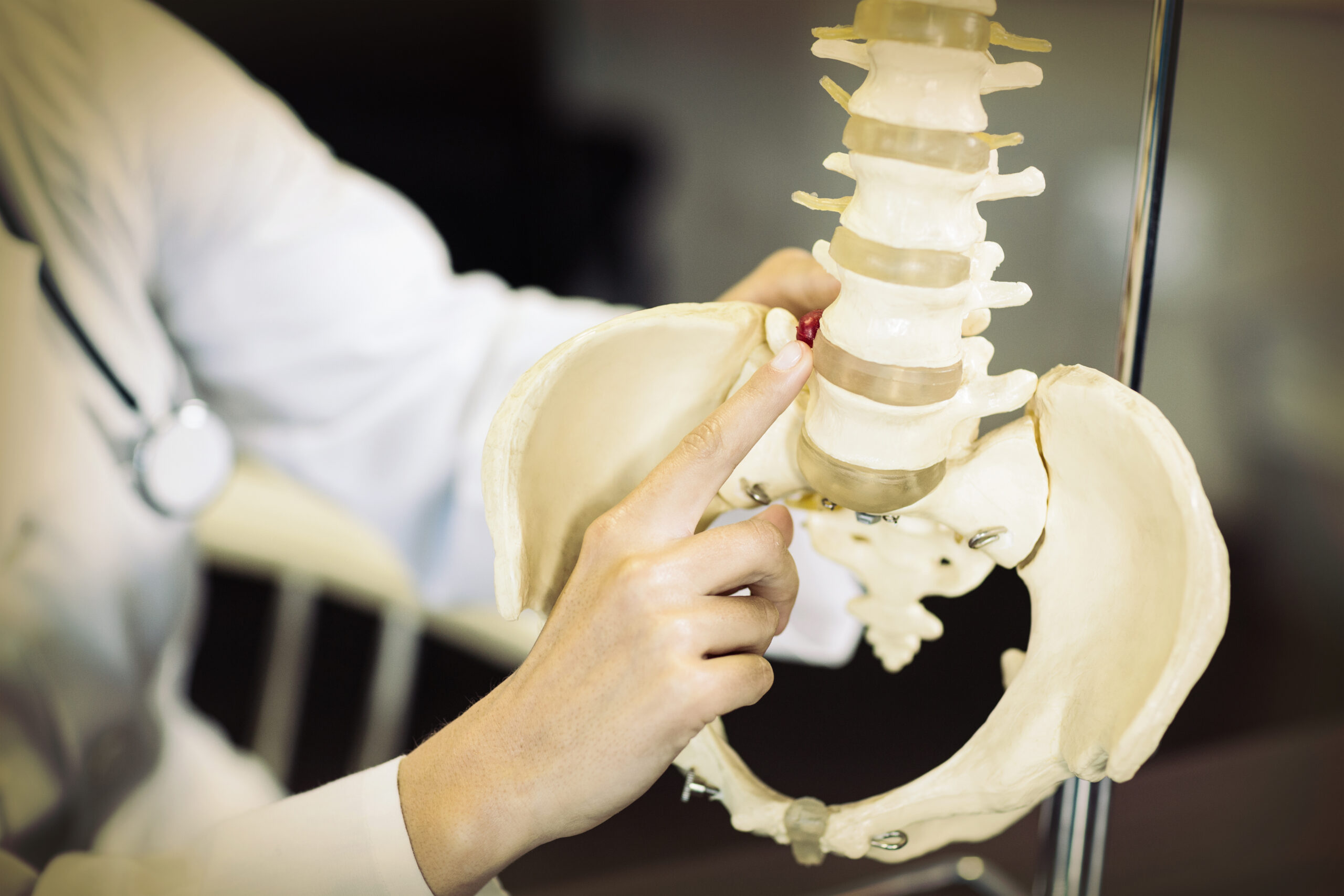
Chronic lower back pain often stems from complex interactions between physical, emotional, and lifestyle factors. While chiropractic adjustments address structural imbalances, nutritional counseling can influence inflammation, muscle function, and overall recovery. For instance, diets rich in anti-inflammatory foods may reduce swelling around spinal structures, potentially easing pressure on nerves and joints. Conversely, poor dietary habits could contribute to weight gain, which places additional strain on the spine. By integrating nutritional guidance, chiropractors can help patients create a holistic care plan that supports both musculoskeletal and systemic well-being. This approach acknowledges that optimal recovery requires more than physical manipulation—it demands a comprehensive strategy that considers how diet impacts the body’s ability to heal.
How Nutritional Counseling Complements Chiropractic Adjustments
Chiropractic care focuses on aligning the spine to improve nerve function and alleviate pain, but its effectiveness can be enhanced through proper nutrition. For example, adequate intake of vitamins like D and calcium supports bone health, which is critical for maintaining spinal integrity. Similarly, proteins and amino acids aid in muscle repair, which is essential for patients undergoing spinal adjustments. Nutritional counseling can also identify deficiencies that might hinder recovery, such as low magnesium levels, which are linked to muscle cramps and tension. By addressing these factors, chiropractors can create more effective treatment plans that reduce pain, improve mobility, and prevent future complications. This synergy between nutrition and spinal care highlights the value of a multidisciplinary approach to chronic pain management.
Reducing Inflammation Through Diet and Spinal Care
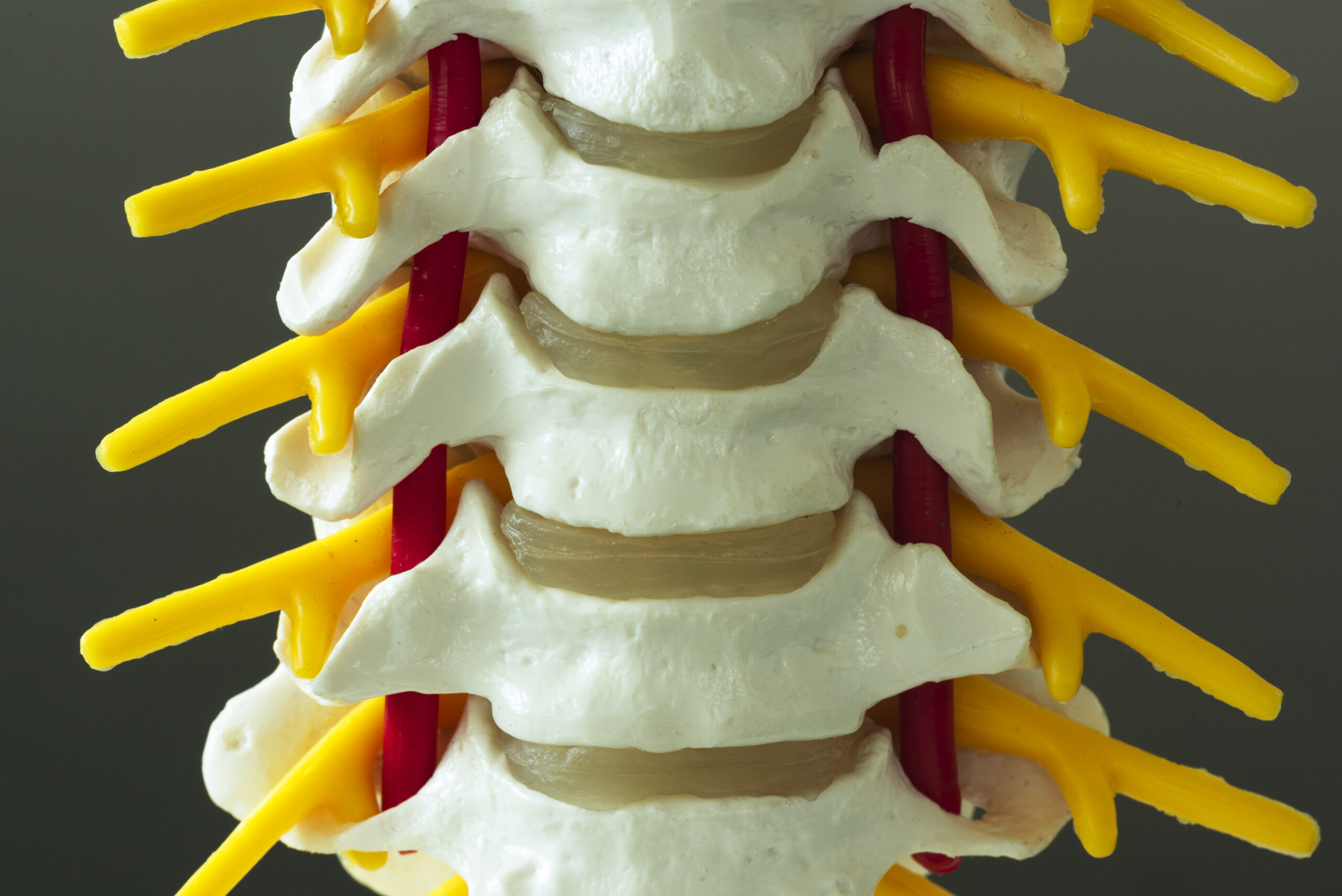
Inflammation is a common contributor to chronic lower back pain, often resulting from injury, poor posture, or underlying health conditions. Nutritional counseling can help patients adopt diets that minimize inflammatory responses, such as those high in fruits, vegetables, and omega-3 fatty acids. These dietary choices may complement chiropractic adjustments by reducing swelling around spinal structures, which can alleviate pressure on nerves and discs. Additionally, chiropractors may use techniques like spinal manipulation to improve joint mobility, which can further reduce inflammation by enhancing circulation and lymphatic drainage. When combined, these strategies create a dual approach to pain management—targeting both the physical alignment of the spine and the biochemical environment that affects healing. This integrated method offers a more comprehensive solution for long-term relief.
Supporting Muscle Function and Recovery
Muscles play a crucial role in stabilizing the spine, and their health directly impacts the success of chiropractic treatments. Nutritional counseling ensures patients receive essential nutrients like protein, electrolytes, and antioxidants, which support muscle repair and reduce fatigue. For example, dehydration or low potassium levels can lead to muscle cramps, which may counteract the benefits of spinal adjustments. Chiropractors often work with patients to identify dietary habits that contribute to muscle weakness or imbalance, such as excessive sugar intake or poor hydration. By addressing these issues, nutritional guidance helps patients maintain stronger, more resilient muscles, which in turn supports spinal alignment and reduces the risk of recurring pain. This collaboration between nutrition and chiropractic care fosters a more sustainable path to recovery.
Personalized Plans for Holistic Healing
Every patient’s experience with chronic lower back pain is unique, and integrating nutritional counseling allows for highly personalized care. Chiropractors can collaborate with nutritionists to design diets tailored to individual needs, such as managing food sensitivities or addressing specific nutrient deficiencies. For instance, a patient with a sedentary lifestyle might benefit from a plan that includes anti-inflammatory foods and strategies to boost energy levels, while someone with a history of digestive issues may need guidance on gut health. This tailored approach ensures that both spinal and nutritional interventions align with the patient’s overall health goals. By combining these elements, chiropractors can offer a more complete picture of care, empowering patients to take an active role in their recovery process.
The Role of Lifestyle and Long-Term Wellness
Chronic lower back pain management extends beyond temporary relief—it requires a focus on long-term wellness. Integrating nutritional counseling with chiropractic care helps patients adopt sustainable lifestyle changes that support spinal health. For example, regular physical activity, proper hydration, and balanced eating habits can reduce the likelihood of future pain episodes. Chiropractors may also educate patients on how poor posture or repetitive movements interact with dietary factors to affect spinal function. This holistic perspective encourages patients to view their health as an interconnected system rather than a collection of isolated issues. By addressing both nutritional and structural components, this approach not only enhances recovery but also promotes overall well-being, helping patients achieve lasting relief from chronic lower back pain.