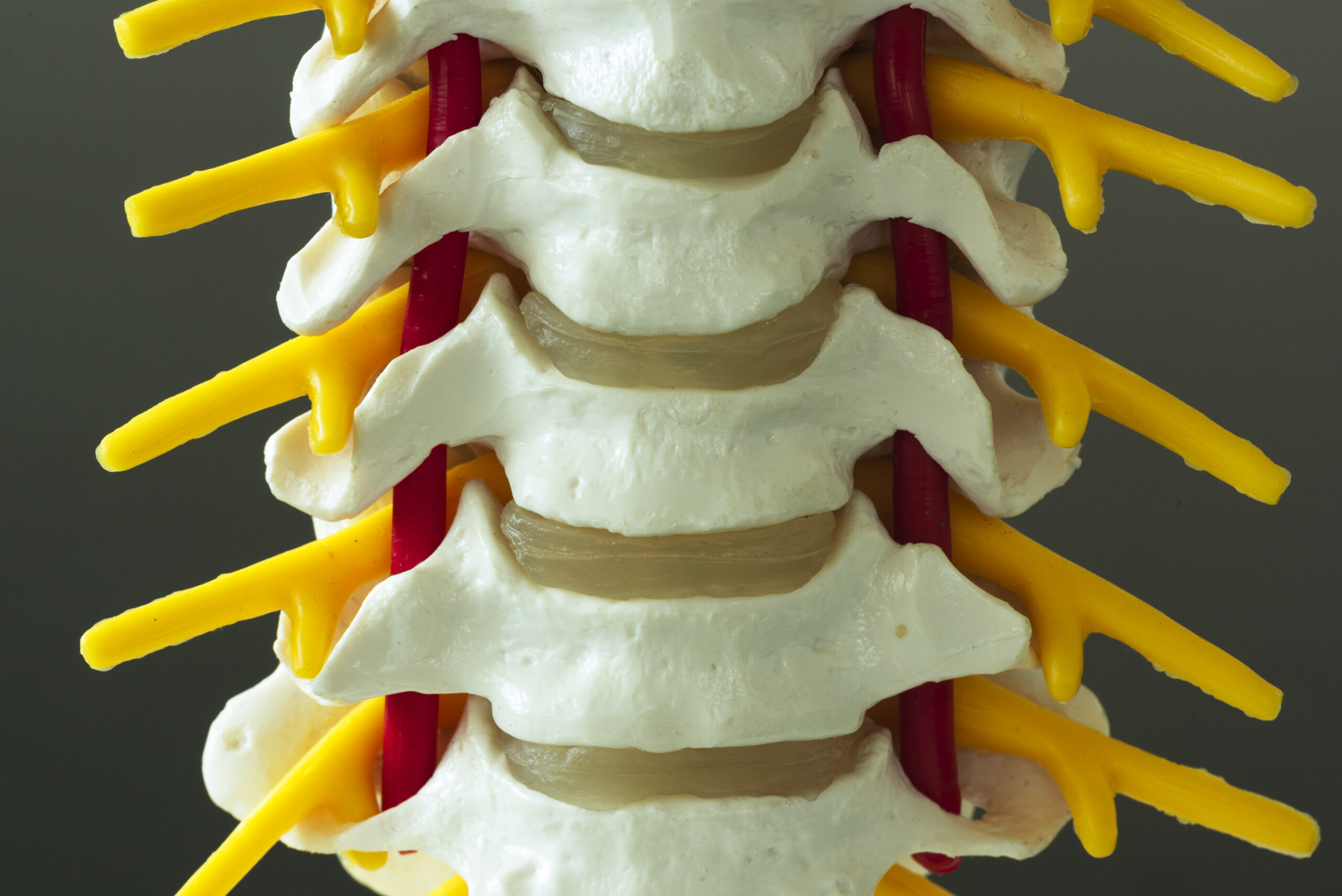
Understanding Chronic Myofascial Pain and Cervical Spine Challenges
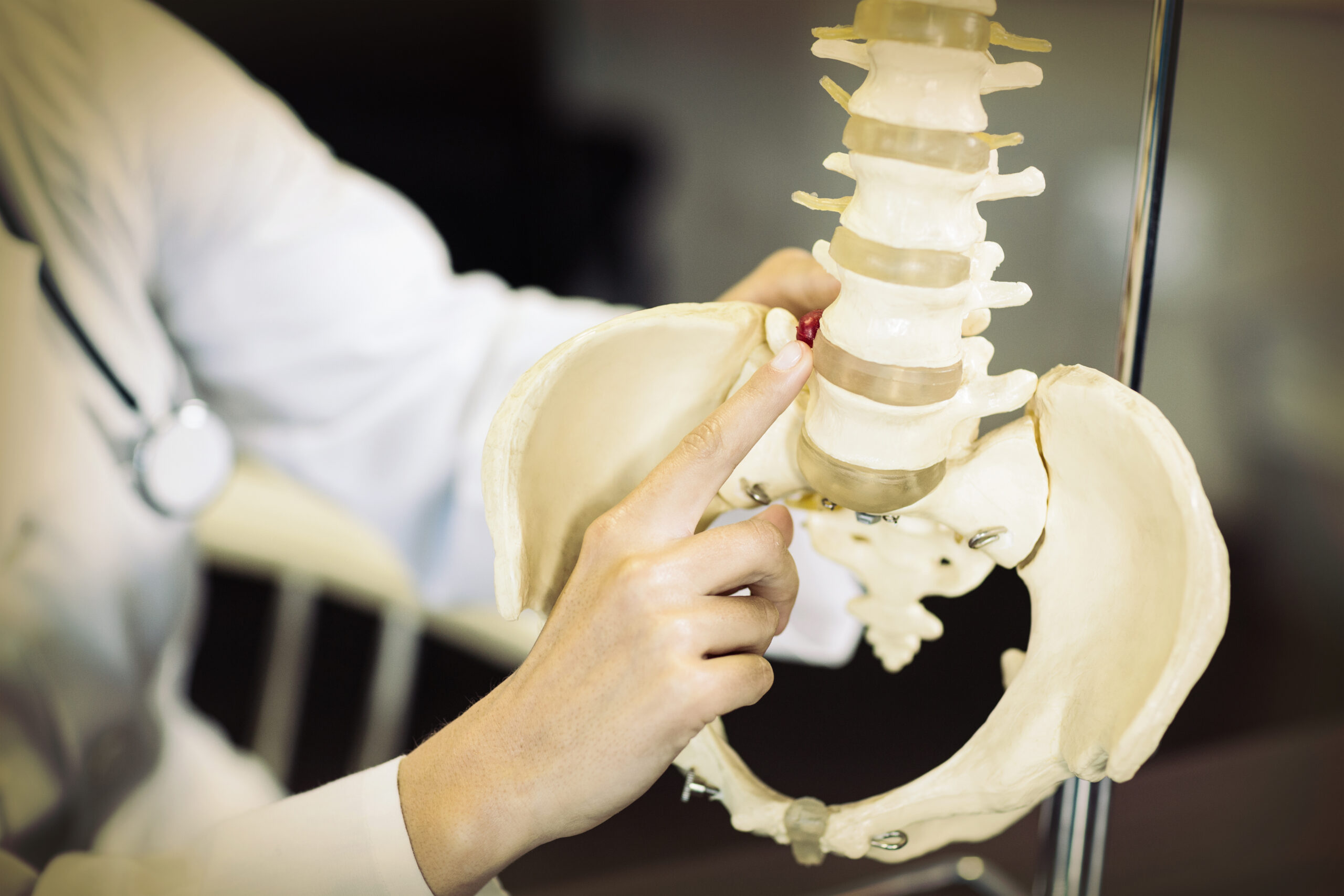
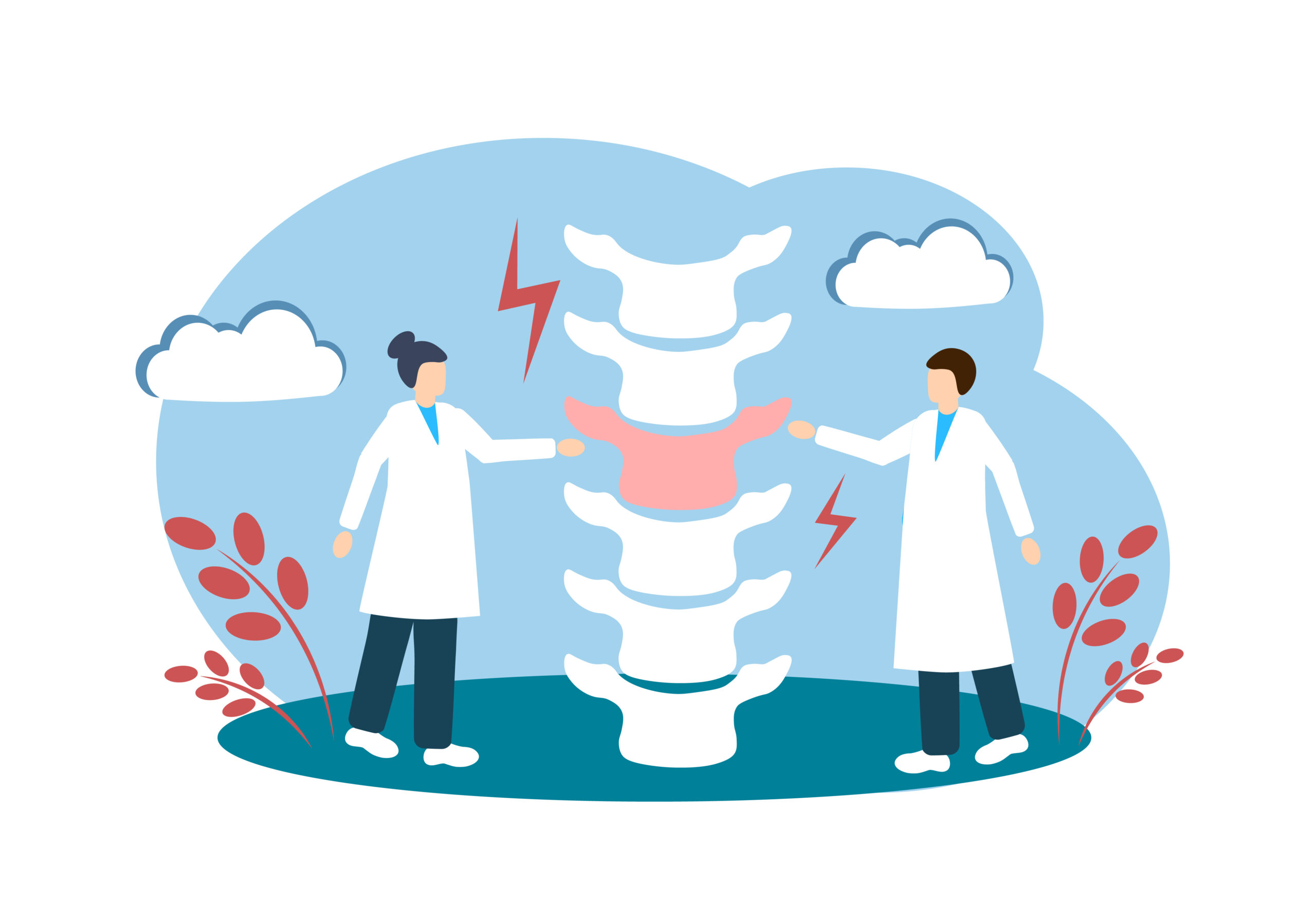
Chronic myofascial pain, characterized by persistent muscle tenderness and trigger points, often intersects with cervical spine issues like neck pain and posture-related dysfunction. The cervical region’s complex musculature—including the trapezius, levator scapulae, and suboccipital muscles—can develop tightness from poor ergonomics, repetitive strain, or trauma. This creates a cycle of pain and restricted movement, complicating recovery. Chiropractors and massage therapists are uniquely positioned to address these interconnected issues by combining spinal alignment techniques with targeted soft tissue work. Their collaboration can break this cycle, offering patients a holistic approach that addresses both structural and muscular components of their condition.
Complementary Roles in Patient Care
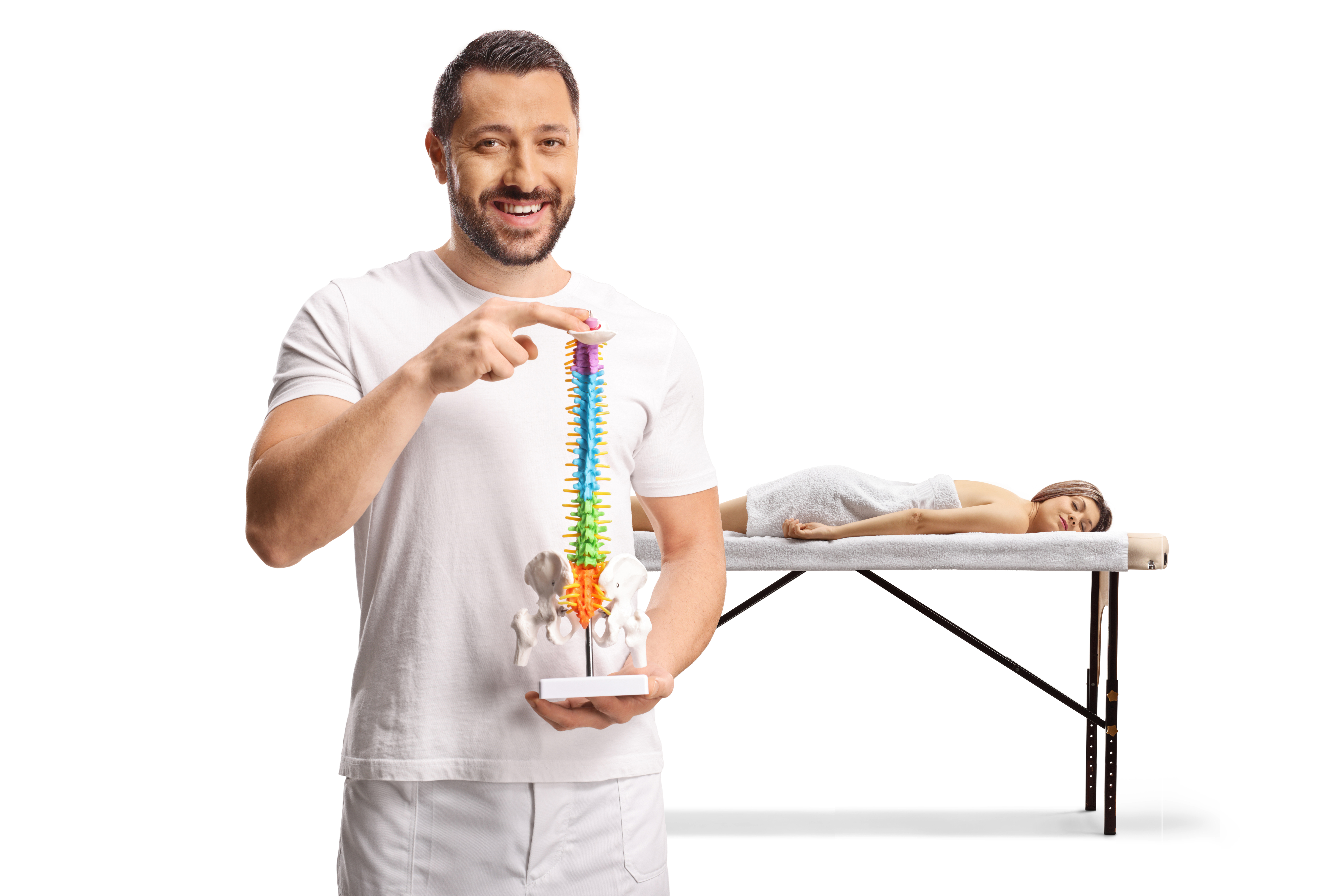
Chiropractors focus on restoring proper spinal alignment and nerve function through adjustments, while massage therapists specialize in relieving muscle tension and improving circulation. For cervical spine issues, this synergy is critical. A chiropractor might identify misalignments contributing to nerve irritation, while a massage therapist can release tight muscles that exacerbate the problem. Together, they create a treatment plan that addresses both the root cause and symptomatic relief. For example, a chiropractor might adjust the cervical vertebrae to reduce pressure on nerves, while a massage therapist works on the surrounding musculature to prevent recurrence. This dual approach ensures comprehensive care, reducing the likelihood of chronic pain persistence.
Techniques for Integrated Treatment
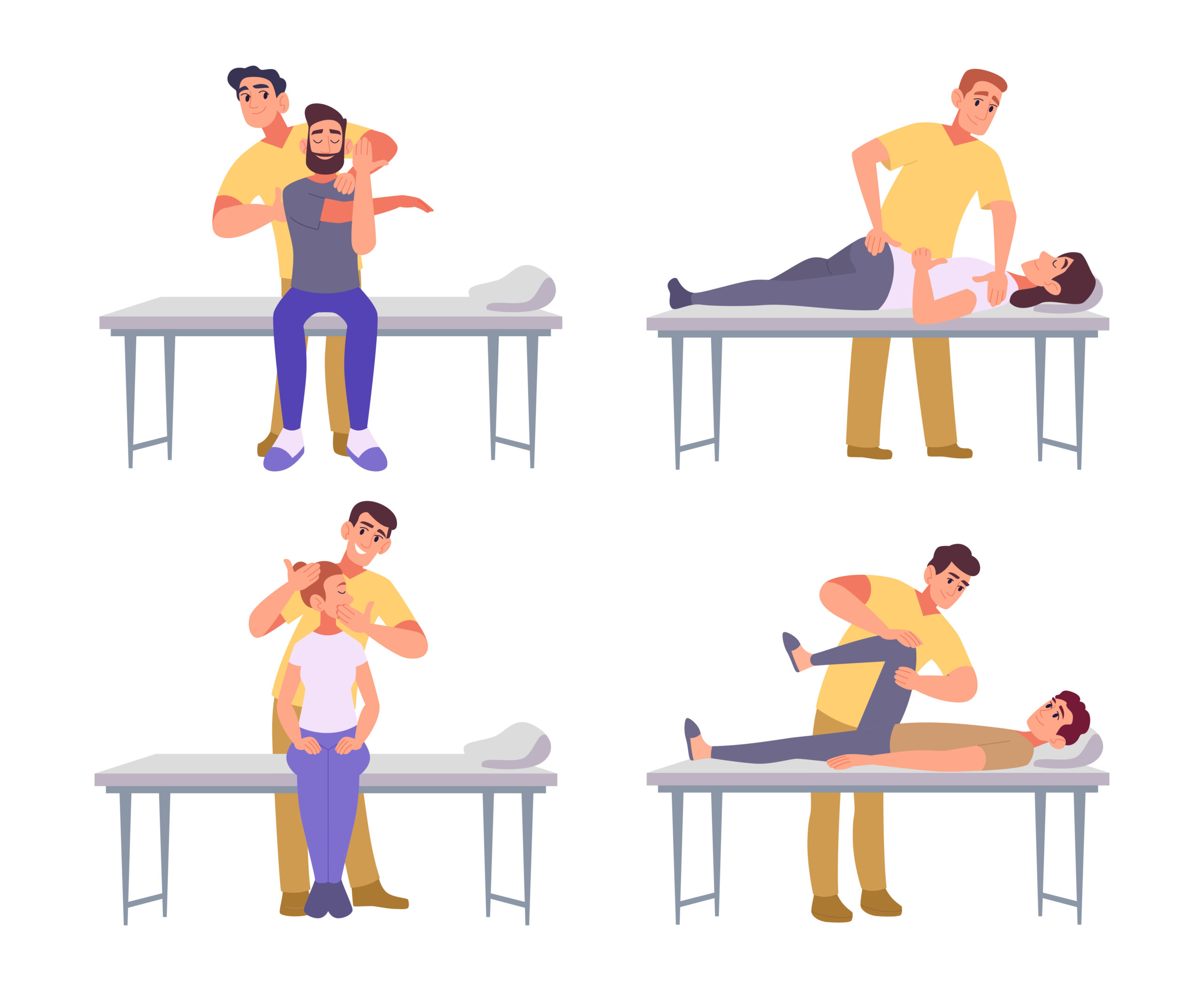
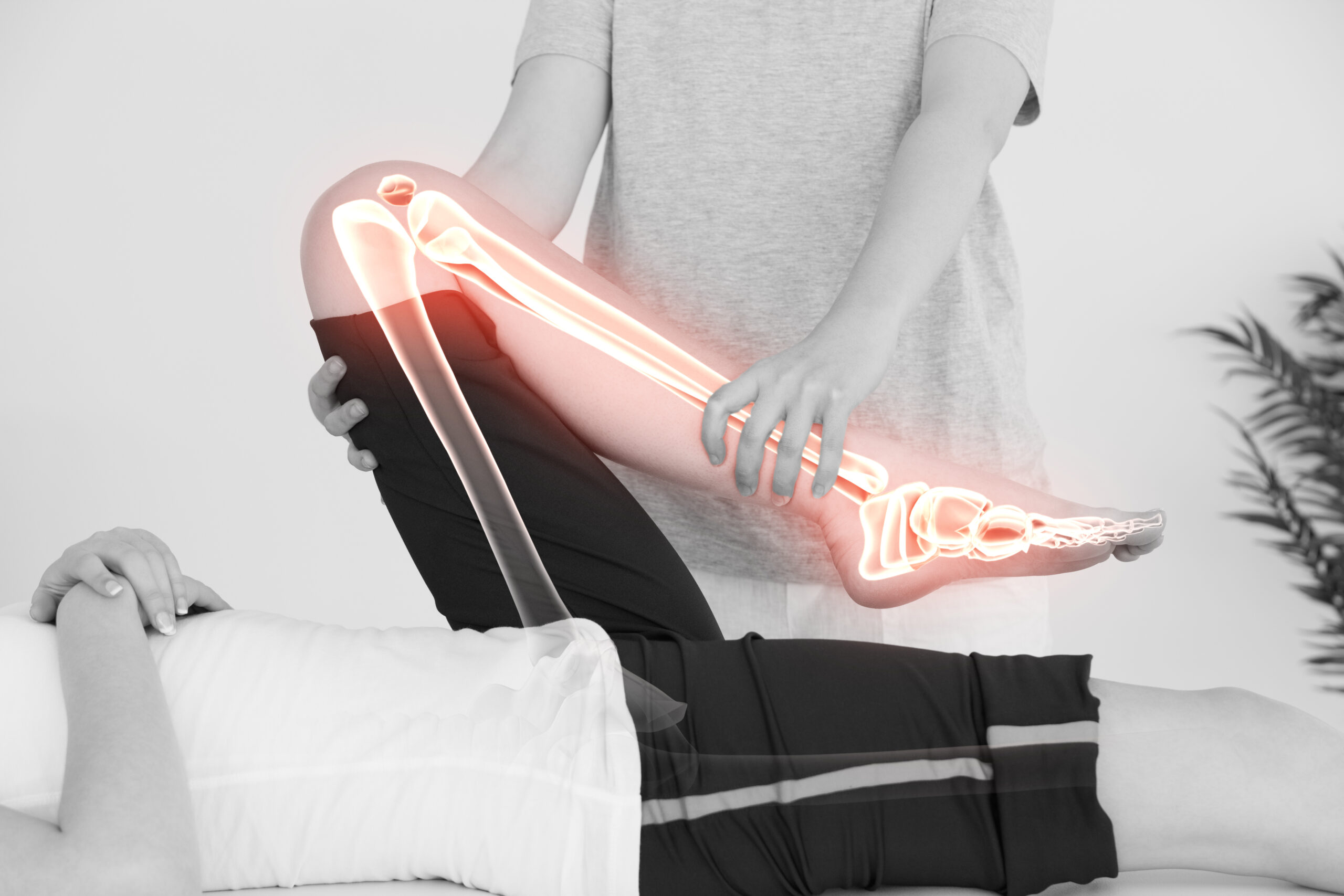
Effective collaboration involves shared knowledge of techniques that complement each other. Chiropractors may use spinal manipulative therapy to correct misalignments, while massage therapists employ methods like myofascial release or trigger point therapy to alleviate muscle knots. Soft tissue mobilization can prepare the cervical region for adjustments by reducing tension, making the spine more responsive to realignment. Conversely, chiropractic adjustments can enhance the effectiveness of massage by improving joint mobility and reducing nerve-related pain. Both professionals should communicate regularly to coordinate treatment sequences, ensuring that each session builds on the previous one. This integration not only improves outcomes but also fosters a more cohesive patient experience.
Communication and Treatment Planning
Successful collaboration hinges on open communication and shared treatment goals. Chiropractors and massage therapists should discuss a patient’s medical history, current symptoms, and progress to avoid conflicting approaches. For instance, a patient with severe cervical instability might require modified techniques to prevent exacerbation. Regular case discussions allow both practitioners to adjust strategies, such as timing adjustments around massage sessions to optimize results. Documentation of each session’s effects also helps track progress and refine the plan. This teamwork ensures that interventions are safe, effective, and tailored to the patient’s evolving needs, reinforcing trust in the care process.
Benefits of a Collaborative Approach
When chiropractors and massage therapists work together, patients often experience faster pain relief and improved mobility. The combined focus on spinal alignment and muscle relaxation reduces inflammation, enhances blood flow, and promotes healing. This approach also addresses the psychological aspects of chronic pain, as patients feel more supported by a multidisciplinary team. Additionally, integrated care can reduce reliance on medications or invasive procedures, aligning with patient preferences for non-invasive solutions. By leveraging their respective expertise, practitioners create a more robust treatment framework that supports long-term wellness. Patients are more likely to adhere to care plans when they see measurable improvements, reinforcing the value of this collaborative model.
Encouraging Patient Engagement and Follow-Up
Patients play a vital role in the success of integrated care. Educating them about the benefits of combining chiropractic and massage therapies empowers them to actively participate in their recovery. Providers should encourage patients to report symptoms, track progress, and attend scheduled sessions consistently. Follow-up appointments allow practitioners to reassess and adjust the treatment plan as needed. For example, if a patient’s neck pain persists despite initial interventions, the team can explore additional techniques or referrals. This ongoing dialogue ensures that care remains responsive to the patient’s needs, fostering a partnership that prioritizes long-term health. Ultimately, this collaborative model offers a patient-centered approach to managing chronic myofascial pain and cervical spine issues.