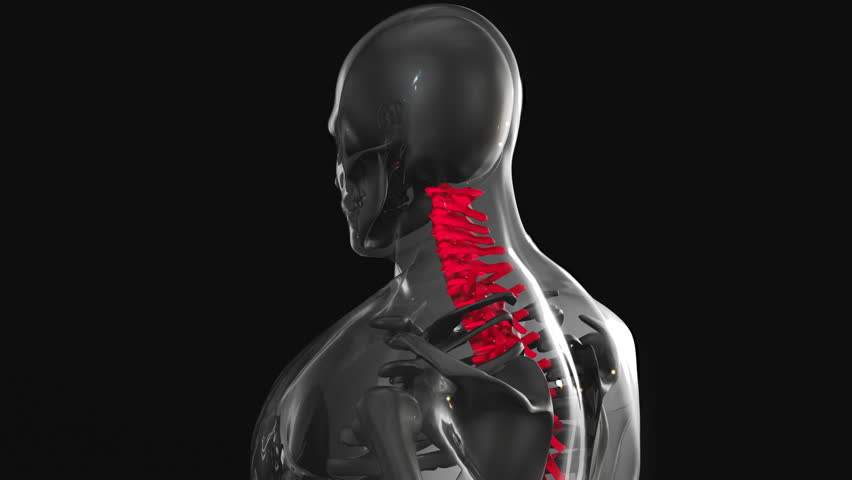
Understanding the Thoracic Spine and Sleep Apnea Connection
The thoracic spine, located in the upper back, plays a critical role in supporting the rib cage and protecting the spinal cord. Misalignments in this area, often called subluxations, can disrupt nerve function and affect surrounding structures. While sleep apnea is typically associated with airway obstruction, emerging research suggests spinal alignment may influence respiratory mechanics. The thoracic spine's position impacts rib cage mobility, which is essential for deep breathing. When misaligned, it may restrict lung expansion or alter nerve signals to respiratory muscles. This connection highlights the potential role of spinal health in sleep-related breathing disorders, though more studies are needed to fully understand the mechanisms.
How Thoracic Misalignments Affect Breathing Patterns
Thoracic spine misalignments can create mechanical restrictions that hinder proper breathing. The rib cage's movement during inhalation and exhalation relies on the spine's stability and flexibility. When vertebrae are out of alignment, it may reduce the space available for the lungs to expand, leading to shallow breathing. This can exacerbate sleep apnea symptoms by increasing the effort required to breathe, especially during sleep. Additionally, nerve irritation from misalignments might affect the autonomic nervous system, which regulates involuntary functions like respiration. While the exact pathways remain under investigation, many chiropractors observe improvements in patients' breathing patterns after addressing thoracic spine issues. These findings suggest a potential link between spinal health and respiratory efficiency, warranting further exploration.
Chiropractic Adjustments and Airway Function
Chiropractic adjustments aim to restore proper alignment and function to the spine, which may indirectly support healthier breathing. By correcting thoracic misalignments, adjustments can improve rib cage mobility and reduce pressure on nerves that influence respiratory muscles. This may help alleviate some of the mechanical barriers contributing to sleep apnea. For example, a properly aligned thoracic spine could enhance diaphragm function, allowing for more efficient inhalation and exhalation. While research on this specific connection is limited, many patients report subjective improvements in sleep quality after chiropractic care. It's important to note that these benefits are often part of a broader treatment approach, and individual results may vary. A qualified chiropractor can evaluate whether spinal adjustments might complement other strategies for managing sleep apnea.
Research on Spinal Alignment and Sleep Apnea
Although direct studies on thoracic spine adjustments and sleep apnea are scarce, broader research on spinal health and respiratory function provides some insights. Studies have shown that spinal misalignments can affect nerve communication between the brain and the body, potentially impacting muscle tone and organ function. For instance, research on posture and breathing patterns suggests that optimal spinal alignment supports more efficient respiration. Additionally, some clinical observations indicate that patients with chronic breathing issues often exhibit postural imbalances. While these findings don't confirm a causal relationship, they underscore the interconnected nature of the musculoskeletal and respiratory systems. As interest in holistic health grows, more studies may explore how spinal care influences sleep-related breathing disorders.
Case Studies and Patient Experiences
Many patients report anecdotal improvements in sleep quality and breathing after receiving chiropractic care for thoracic spine issues. While these experiences are not scientific proof, they highlight the potential value of addressing spinal health in sleep apnea management. For example, some individuals note reduced snoring or fewer nighttime awakenings following adjustments, which may correlate with better airway function. However, it's crucial to approach these reports with caution, as sleep apnea is a complex condition with multiple contributing factors. A chiropractor can help assess whether spinal misalignments might be playing a role in a patient's symptoms. By combining chiropractic care with other treatments, such as CPAP therapy or lifestyle changes, patients may achieve more comprehensive relief. Always consult a healthcare provider to determine the best course of action.
Integrating Chiropractic Care with Sleep Apnea Treatment
Chiropractic care can be a complementary approach for individuals seeking to improve sleep apnea symptoms, but it should not replace standard medical treatments. For example, continuous positive airway pressure (CPAP) therapy remains the gold standard for managing obstructive sleep apnea. Chiropractic adjustments may support overall spinal health, which could indirectly enhance breathing efficiency. However, the effectiveness of this approach varies depending on the individual's specific condition and underlying causes. A chiropractor can work alongside other healthcare providers to develop a personalized plan that addresses both spinal and respiratory health. Patients should discuss all treatment options with their doctor to ensure a safe and effective strategy. While the connection between spinal alignment and sleep apnea requires further research, many find value in exploring holistic approaches to improve their sleep and well-being.