Understanding Heart Rate Variability and Chronic Stress
Heart rate variability (HRV) measures the variation in time between heartbeats, reflecting the body's ability to adapt to stress. High HRV is associated with a balanced autonomic nervous system (ANS), while low HRV often indicates chronic stress or poor recovery. Chronic stress disrupts this balance, leading to prolonged sympathetic activation (fight-or-flight response) and reduced parasympathetic activity (rest-and-digest). Chiropractic care may influence HRV by addressing spinal misalignments that interfere with ANS function, potentially restoring equilibrium. This connection highlights the role of chiropractic interventions in supporting physiological resilience to stress.
Chiropractic Adjustments and Autonomic Nervous System Regulation
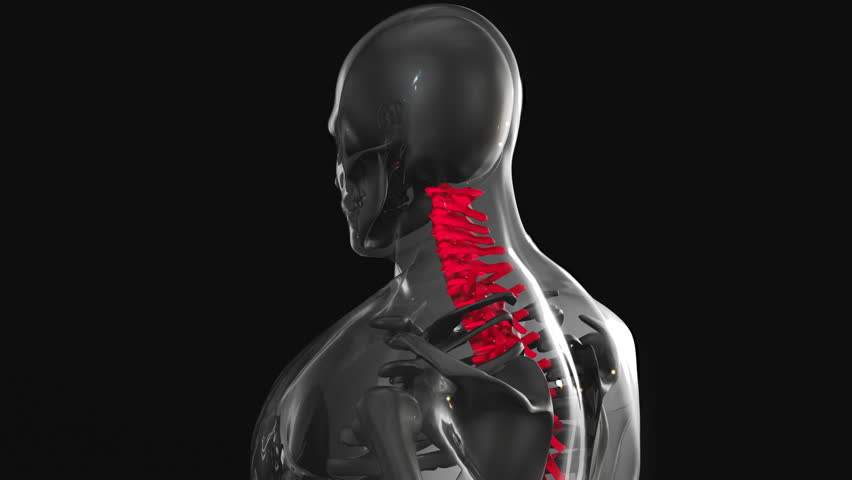
Spinal adjustments aim to correct subluxations—misalignments that may irritate nerves and disrupt ANS communication. By restoring proper spinal mechanics, chiropractors may enhance the body’s ability to regulate stress responses. The vagus nerve, a key component of the parasympathetic system, is particularly sensitive to spinal alignment. Techniques like diversified adjustments or upper cervical care focus on precise corrections to optimize neural pathways. While research is ongoing, many practitioners observe improvements in patients’ HRV metrics following regular adjustments, suggesting a potential link between spinal health and stress resilience.
Effective Techniques for Enhancing HRV
Several chiropractic techniques may support HRV improvements. Spinal manipulation, especially in the thoracic or cervical regions, is commonly used to reduce nervous system tension. Soft tissue therapies, such as myofascial release, can alleviate muscle tightness that contributes to stress-related dysfunction. Integrative approaches like cold laser therapy or electrical stimulation may also complement adjustments by reducing inflammation and promoting relaxation. Patients often report greater ease in managing stress after these interventions, though individual responses vary. A chiropractor can tailor techniques to address specific stress-related patterns and HRV concerns.
Evidence and Research on Chiropractic Care and HRV
While direct studies on chiropractic care and HRV are limited, broader research on stress reduction and ANS function supports potential benefits. Studies on mindfulness and physical therapy show that interventions improving ANS balance can enhance HRV. Chiropractic care’s focus on spinal health aligns with these findings, as proper alignment may facilitate optimal nervous system function. Some clinical observations suggest that regular chiropractic visits correlate with improved stress markers, though more rigorous studies are needed. Patients should discuss their unique circumstances with a qualified provider to explore how these approaches might apply to their situation.
Considering Individual Needs and Professional Guidance
Chiropractic care for HRV and stress should be personalized, as factors like lifestyle, medical history, and stress sources vary. A thorough evaluation by a chiropractor helps identify contributing factors and design a targeted plan. Patients should communicate openly about their symptoms, goals, and any existing conditions. While some techniques may show promise, they are not a substitute for medical advice. A chiropractor can guide patients in combining adjustments with other stress-management strategies, such as exercise or mindfulness, to achieve holistic well-being.
Conclusion: Integrating Chiropractic Care into Stress Management
Chiropractic care offers a complementary approach to managing chronic stress by potentially improving HRV through nervous system optimization. Techniques like spinal adjustments and soft tissue therapies may support the body’s natural ability to adapt to stressors. However, results depend on individual factors, and professional guidance is essential. Patients seeking to enhance HRV and reduce stress should consult a licensed chiropractor to explore tailored strategies. By addressing spinal health, chiropractic care may contribute to a more balanced stress response and improved overall wellness.