Understanding the Link Between Wrist and Neck Alignment
Chiropractic care addresses carpal tunnel syndrome (CTS) by examining how misalignments in the neck and wrist affect nerve function. The median nerve, which runs from the neck through the wrist, can become compressed due to poor posture or repetitive strain. A chiropractor may assess cervical spine alignment, as issues in the neck can contribute to nerve irritation that mimics or exacerbates CTS symptoms. Similarly, wrist misalignment may restrict nerve pathways, worsening tingling or numbness in the hands. By focusing on these areas, chiropractors aim to restore proper nerve flow and reduce discomfort. This approach complements traditional treatments by targeting structural factors rather than solely focusing on nerve decompression.
The Role of Neck Adjustments in Nerve Function
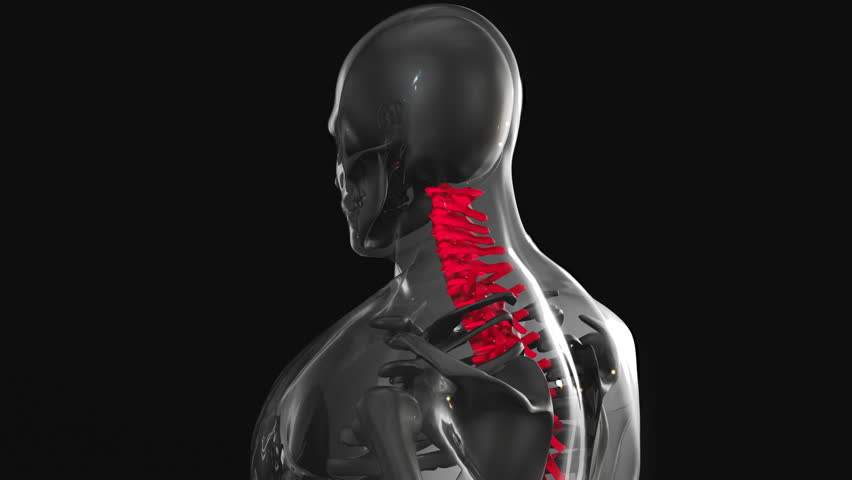
Neck misalignments, such as those caused by poor posture or injury, can compress or irritate nerves that extend into the arms and hands. A chiropractic adjustment to the cervical spine may relieve pressure on these nerves, potentially reducing CTS symptoms. For example, a misaligned vertebra in the neck could alter the natural curvature of the spine, affecting nerve signals to the wrist. By restoring proper alignment, chiropractors help ensure the median nerve functions optimally. Patients often report improved hand sensation and reduced pain after neck adjustments, though results vary. This technique is typically part of a broader treatment plan that includes ergonomic adjustments and lifestyle modifications.
Wrist Adjustments and Nerve Pathway Optimization
Chiropractors may also address wrist alignment to alleviate CTS symptoms by ensuring the median nerve travels unimpeded through the carpal tunnel. Misalignments in the wrist bones or surrounding soft tissues can narrow the tunnel, increasing pressure on the nerve. Gentle adjustments or mobilization techniques may help realign the wrist, reducing compression. Some practitioners use soft tissue therapies to ease tension in the flexor retinaculum, the ligament forming the tunnel’s roof. While not a standalone cure, these interventions can complement other treatments. Patients often notice gradual improvements in hand function and reduced discomfort when wrist alignment is addressed alongside broader musculoskeletal health.
Effective Techniques for Structural Realignment
Chiropractors employ various methods to correct misalignments contributing to CTS. Spinal adjustments, such as diversified or activator techniques, target cervical spine issues. For wrist concerns, mobilization or manipulation may be used to restore joint mobility. Soft tissue therapies like myofascial release can ease tension in the forearm muscles that affect the median nerve. Some practitioners incorporate ergonomic assessments to identify daily habits worsening symptoms. While no single technique works for everyone, a personalized approach often yields the best results. Patients should discuss their specific needs with a qualified chiropractor to determine the most suitable strategies.
Posture and Its Impact on Nerve Compression
Poor posture, especially forward head and rounded shoulder positions, can strain the neck and shoulders, indirectly contributing to CTS. This posture may compress nerves exiting the cervical spine, leading to radiating symptoms in the hands. Chiropractors often address posture through adjustments and corrective exercises to relieve nerve pressure. They may recommend ergonomic changes, such as adjusting monitor height or chair support, to maintain proper alignment. By improving overall posture, patients can reduce the risk of nerve irritation and alleviate existing CTS symptoms. Consistent follow-up care helps reinforce these improvements, promoting long-term relief.
When to Seek Professional Guidance
If you experience persistent tingling, numbness, or weakness in your hands, consult a chiropractor to explore alignment-based solutions. While chiropractic care can address structural contributors to CTS, it’s essential to rule out other conditions through a thorough evaluation. A chiropractor may collaborate with other healthcare providers to create a comprehensive treatment plan. Patients should avoid self-diagnosis or unproven remedies, as improper techniques could worsen symptoms. Regular check-ups and open communication with your provider ensure safe, effective care. Remember, individual results vary, and a qualified professional can help determine the best course of action for your specific situation.