Understanding Post-Surgical Rehabilitation Goals
After carpal tunnel release surgery, the primary goal of rehabilitation is to restore hand function, reduce stiffness, and prevent complications like scar tissue formation. Chiropractors often focus on gentle, targeted interventions to support the body’s natural healing process. This includes addressing nerve mobility, muscle imbalances, and joint alignment in the wrist, hand, and upper extremities. A personalized rehabilitation plan may combine manual therapies, movement-based exercises, and patient education to optimize outcomes. The emphasis is on gradual progress, avoiding overexertion, and ensuring the hand regains strength and flexibility without compromising the surgical site. Working with a qualified chiropractor ensures that interventions align with medical guidelines and individual recovery needs.
Chiropractic Adjustments for Post-Surgical Recovery
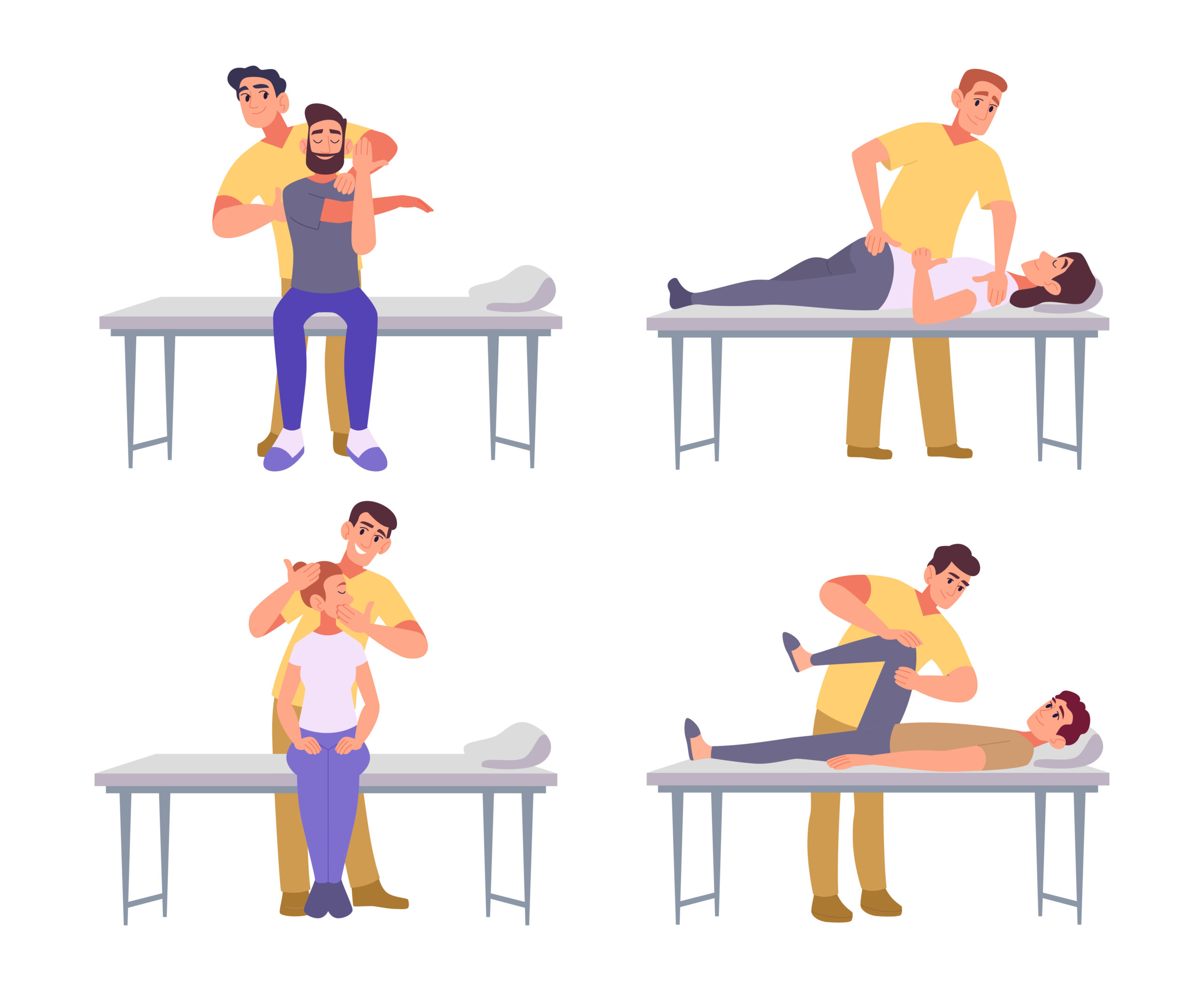
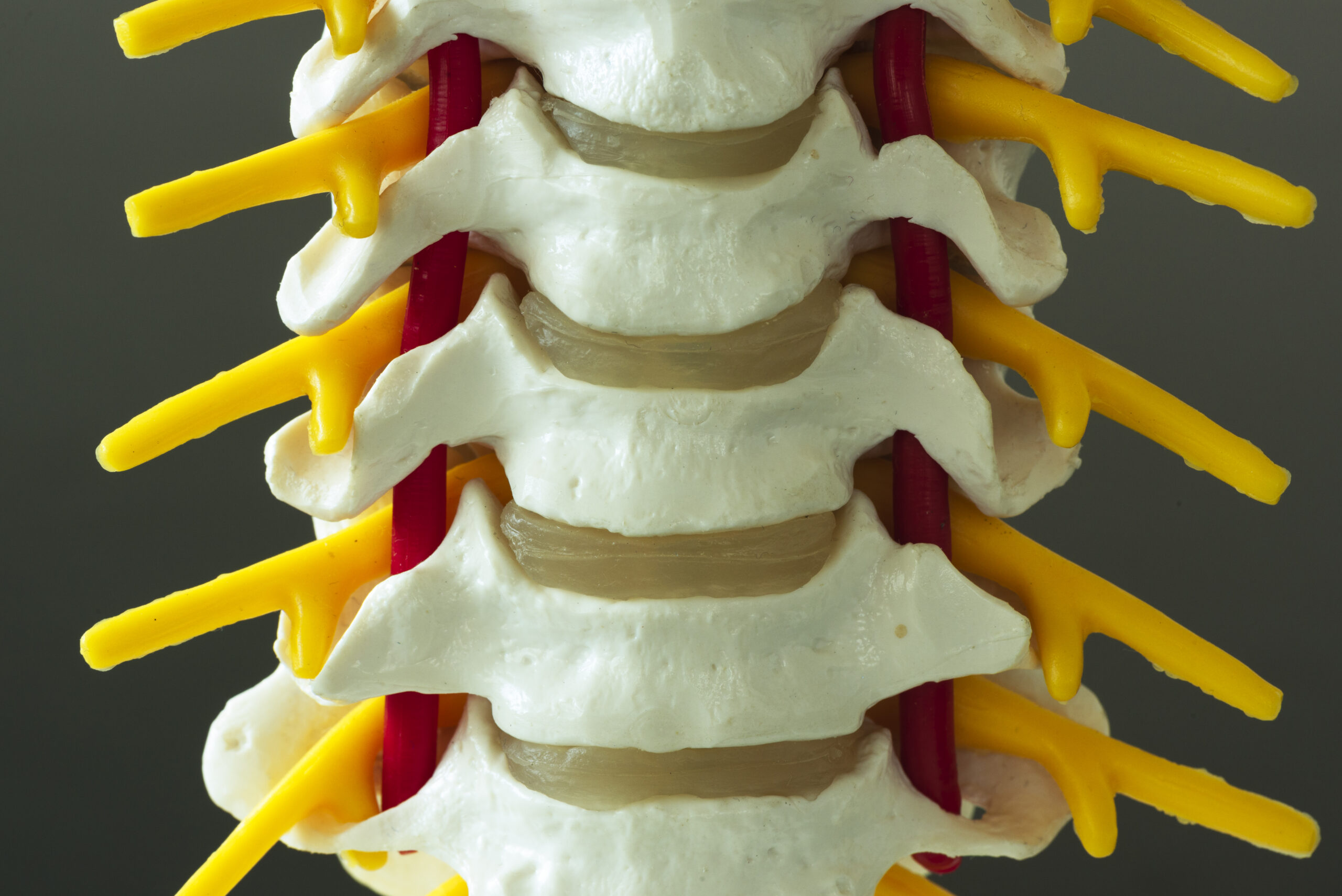
Chiropractic adjustments after carpal tunnel surgery aim to improve joint mobility and nerve function in the affected area. Techniques may focus on the wrist, forearm, and cervical spine, as neck alignment can influence hand function. Gentle manipulations help reduce tension in surrounding muscles and promote circulation, which supports tissue healing. Adjustments are typically performed with care to avoid strain on the surgical site. While not a substitute for physical therapy, these interventions can complement other rehabilitative strategies. Patients should communicate their post-operative status to their chiropractor to ensure adjustments are safe and effective. The goal is to enhance overall musculoskeletal balance, which may indirectly improve hand function and reduce compensatory movement patterns.
Rehabilitative Exercises for Hand Function
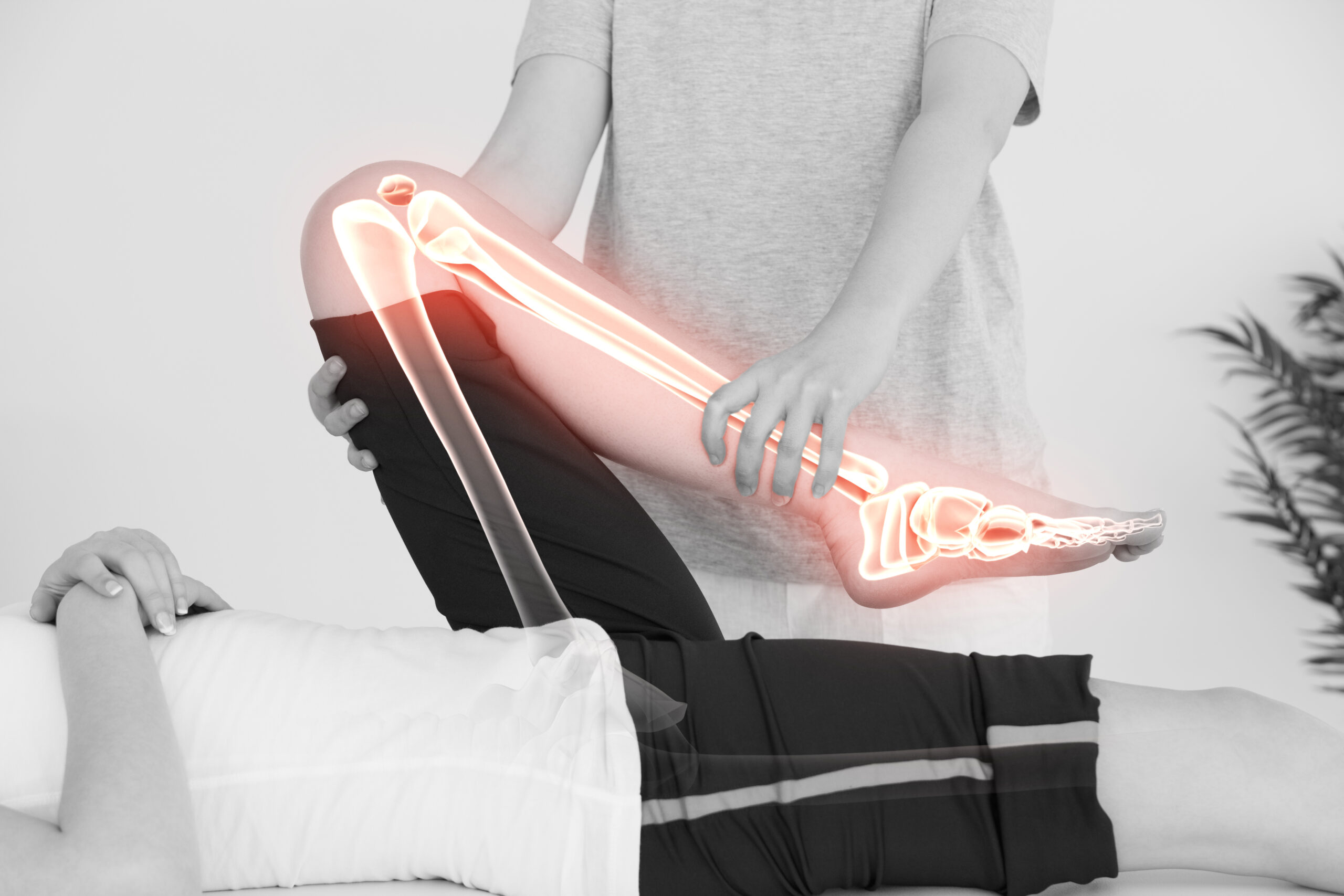
Rehabilitative exercises play a critical role in regaining hand strength, dexterity, and range of motion after surgery. Common approaches include gentle stretching, resistance training, and coordination drills. For example, finger extensions, wrist curls, and grip exercises can help rebuild muscle function and flexibility. Chiropractors often collaborate with physical therapists to design tailored programs that avoid overloading the hand while promoting gradual progress. Patients may also benefit from activities that mimic daily tasks, such as buttoning a shirt or lifting light objects, to restore functional independence. It is essential to follow professional guidance to prevent setbacks, as improper exercise can delay healing. Consistency and patience are key, as recovery timelines vary based on individual factors and surgical outcomes.
Soft Tissue Therapies and Scar Management
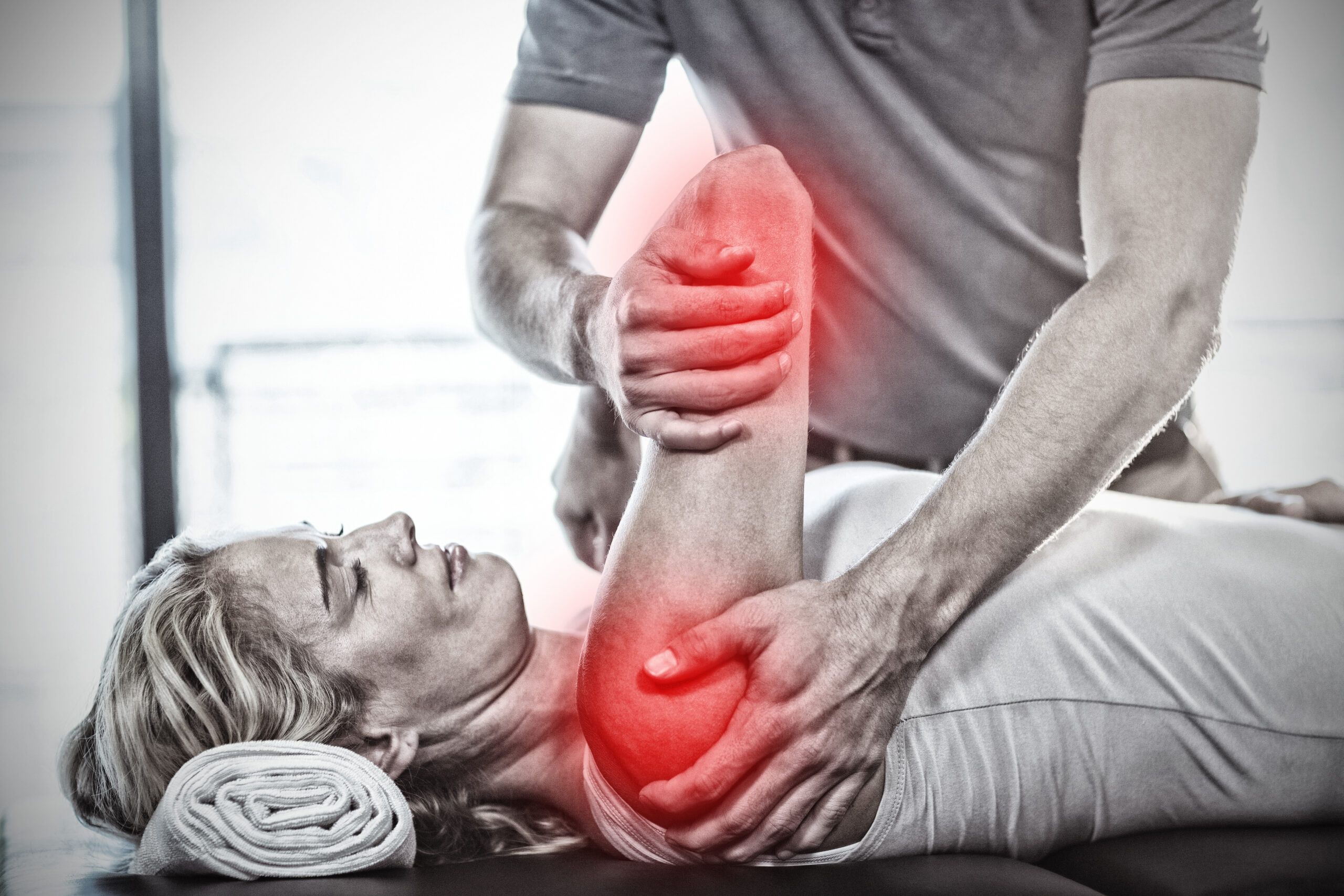
Soft tissue therapies, such as myofascial release or instrument-assisted techniques, can help address scar tissue and muscle tightness that may hinder hand function post-surgery. These methods aim to improve tissue elasticity, reduce adhesions, and enhance blood flow to the affected area. Chiropractors may use tools like Graston or manual pressure to break down fibrous bands that form during healing. By addressing soft tissue restrictions, these therapies can alleviate discomfort and improve joint mobility. Patients should discuss their surgical history with their chiropractor to ensure these techniques are applied safely. When combined with movement-based rehabilitation, soft tissue work can contribute to a more comprehensive recovery, supporting both structural and functional restoration of the hand.
Integrating Chiropractic Care with Physical Therapy
Collaboration between chiropractic care and physical therapy often yields the best outcomes for post-surgical hand rehabilitation. Chiropractors may focus on spinal and joint alignment, while physical therapists emphasize targeted exercises and functional training. Modalities like ultrasound therapy or electrical stimulation, commonly used in physical therapy, can complement chiropractic interventions by reducing inflammation and promoting tissue repair. This integrated approach ensures that both structural and neuromuscular aspects of recovery are addressed. Patients benefit from a cohesive plan that balances manual therapies, therapeutic exercises, and lifestyle modifications. Open communication between healthcare providers helps tailor the rehabilitation process to individual needs, maximizing the potential for improved hand function and long-term mobility.
Monitoring Progress and Adjusting the Plan
Regular assessment is crucial to track progress and modify rehabilitation strategies as needed. Chiropractors may use physical exams, range-of-motion tests, and patient feedback to evaluate improvements in hand function. If certain techniques or exercises prove ineffective, the care plan can be adjusted to better suit the individual’s needs. Patients should report any pain, swelling, or limitations to their chiropractor promptly. Consistent follow-ups ensure that the rehabilitation process remains safe and effective, avoiding potential setbacks. By maintaining an open dialogue with healthcare providers, patients can actively participate in their recovery, making informed decisions about their care. This adaptive approach supports a gradual, sustainable return to full hand function.