Understanding Advanced Degenerative Disc Disease and Non-Surgical Goals
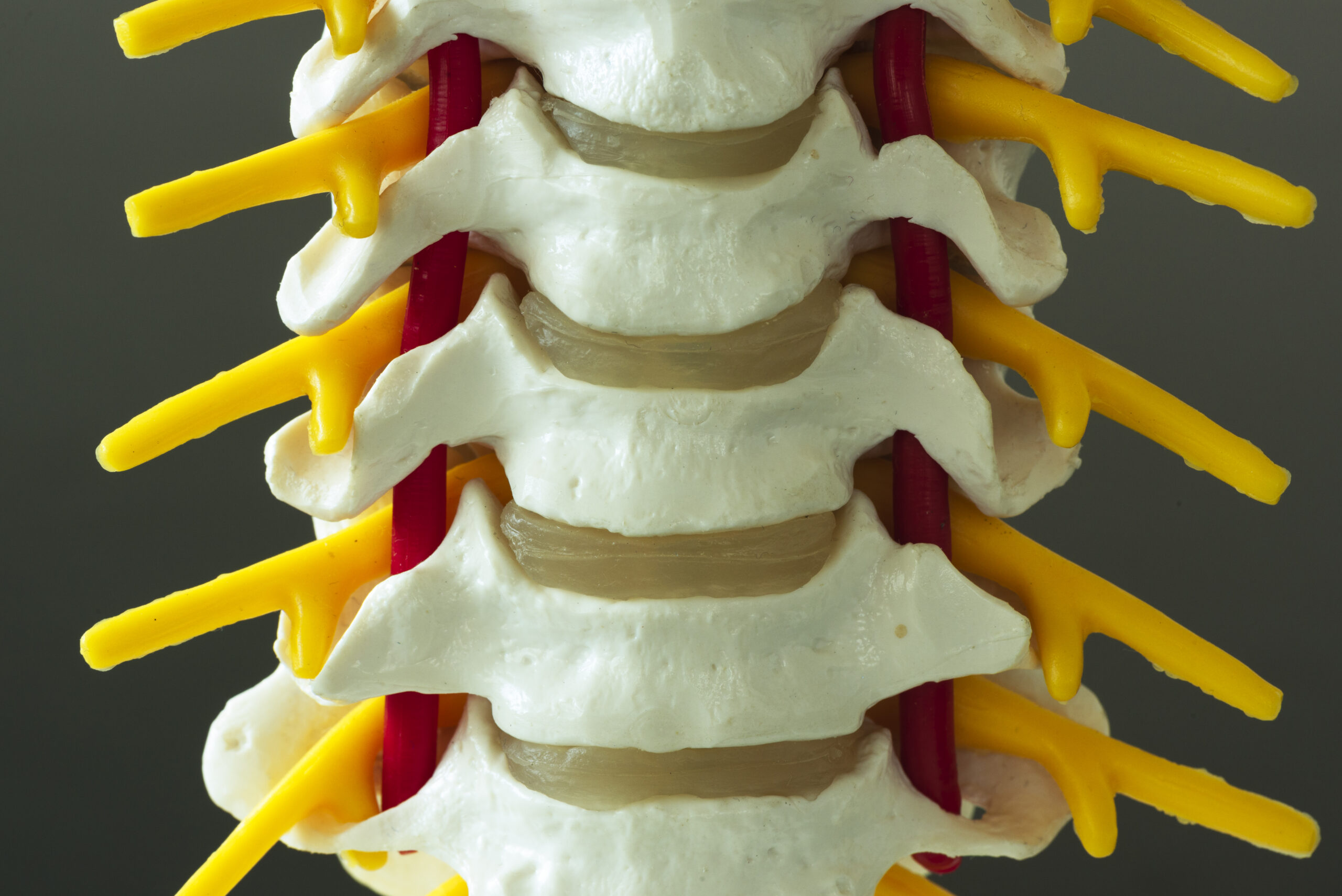
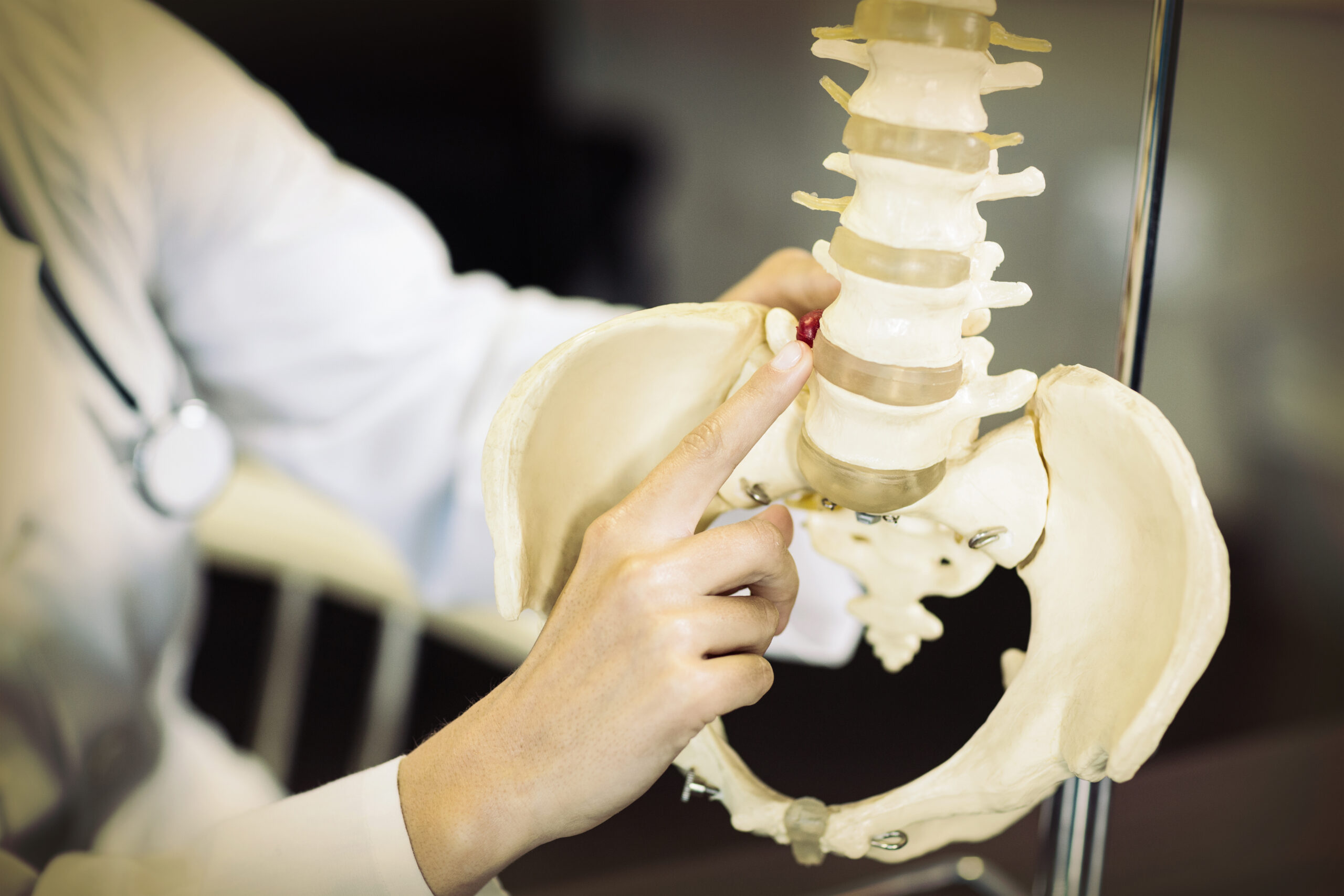
Advanced degenerative disc disease (DDD) involves the progressive breakdown of intervertebral discs, leading to chronic pain, reduced mobility, and nerve compression. While surgery is an option for severe cases, non-surgical strategies focus on managing symptoms, slowing disease progression, and enhancing quality of life. These approaches prioritize conservative care, such as spinal realignment, soft tissue support, and lifestyle modifications. By addressing mechanical stressors and promoting natural healing, chiropractors aim to restore function without invasive procedures. Patients often seek these methods to avoid surgical risks, reduce reliance on medications, and maintain independence. Understanding the role of non-surgical interventions is critical for individuals navigating advanced DDD, as they provide a foundation for long-term symptom management and improved daily functioning.
Spinal Adjustments and Joint Mobilization Techniques
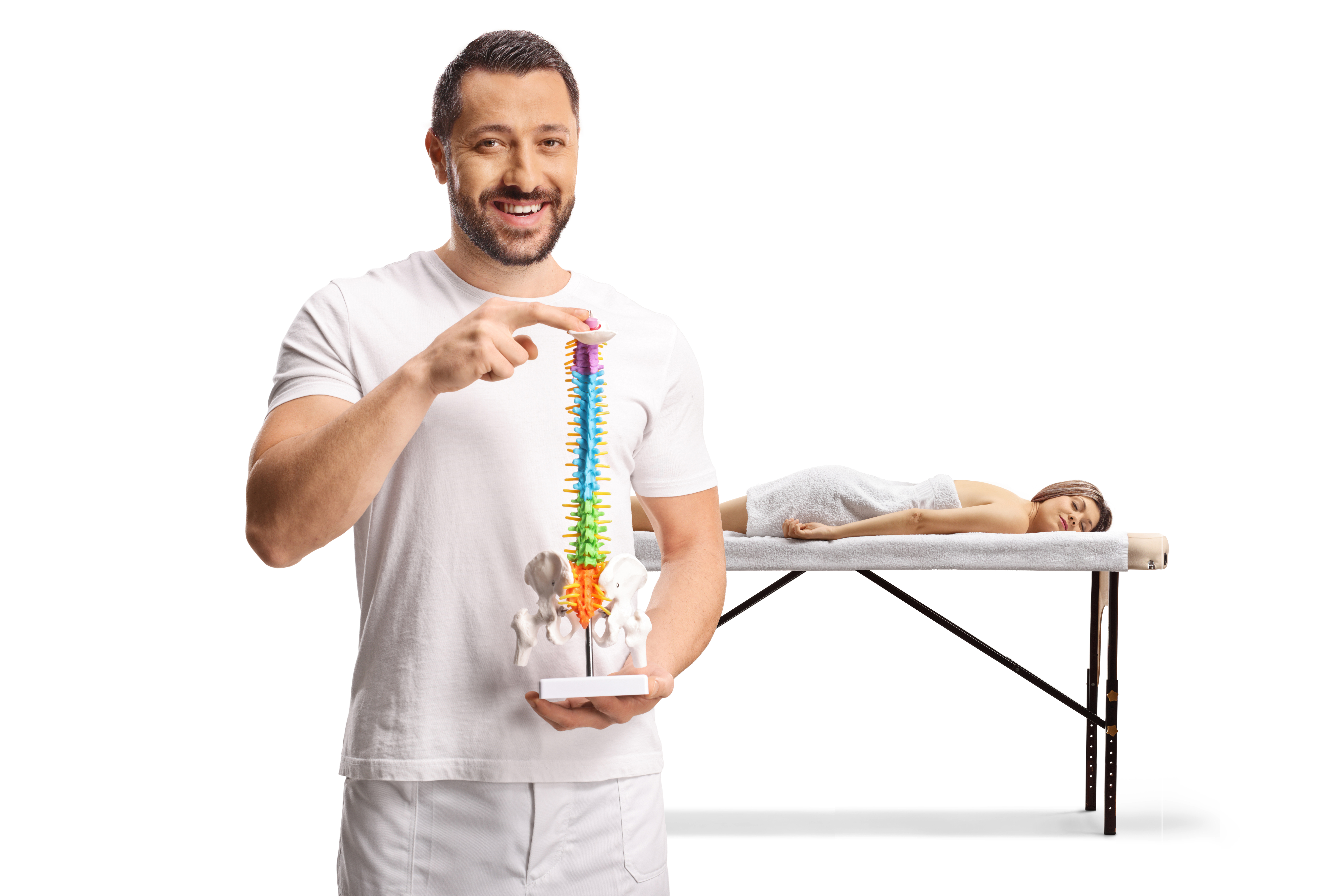
Spinal adjustments and joint mobilization are cornerstones of non-surgical chiropractic care for advanced DDD. These techniques involve precise, controlled forces to correct spinal misalignments (subluxations) that contribute to pain and restricted movement. By restoring proper biomechanics, adjustments can alleviate nerve pressure, reduce inflammation, and improve range of motion. For patients with degenerative changes, gentle mobilization may be preferred over high-velocity thrusts to minimize strain on weakened discs. Chiropractors tailor these interventions to the individual’s condition, ensuring safety while targeting areas of dysfunction. Regular adjustments can also help maintain spinal stability, preventing further deterioration. While not a cure, this approach supports the body’s natural ability to adapt and function more efficiently, offering relief for chronic discomfort associated with advanced DDD.
Soft Tissue Therapies for Muscle and Ligament Support
Soft tissue therapies play a vital role in managing advanced DDD by addressing muscular imbalances and ligamentous tension that exacerbate disc-related pain. Techniques such as Active Release Technique (ART), Graston, and myofascial release target tight, scarred, or inflamed tissues surrounding the spine. These methods improve blood flow, reduce muscle spasms, and enhance flexibility, which can indirectly减轻 pressure on degenerated discs. For example, releasing tight paraspinal muscles may decrease spinal instability and nerve irritation. Chiropractors often combine these therapies with spinal adjustments to create a holistic treatment plan. Patients frequently report reduced pain and improved mobility after consistent soft tissue work, as it addresses contributing factors beyond the disc itself. This approach is particularly valuable for managing secondary symptoms like muscle weakness and restricted movement in advanced cases.
Decompression Therapy and Mechanical Traction
Decompression therapy and mechanical traction are specialized non-surgical tools used to relieve pressure on spinal discs and nerves. These techniques involve gently stretching the spine to create negative pressure within the discs, which can help rehydrate them and reduce bulging or herniation. For patients with advanced DDD, decompression may alleviate radiating pain by decompressing affected nerves and improving nutrient flow to the discs. Mechanical traction, often performed in a clinical setting, uses controlled force to separate vertebrae and ease compression. Both methods are typically part of a broader care plan, complementing adjustments and soft tissue work. While not suitable for all cases, they offer a non-invasive alternative to surgery for managing disc-related pain. Patients often experience gradual relief as these therapies address the mechanical components of degenerative changes.
Corrective Exercises and Rehabilitation Strategies
Corrective exercises and rehabilitation programs are essential for long-term management of advanced DDD. These strategies focus on strengthening core muscles, improving posture, and enhancing spinal stability to reduce stress on degenerated discs. Chiropractors may prescribe low-impact exercises like Pilates, yoga, or resistance training tailored to the patient’s condition. Strengthening the muscles that support the spine can prevent further deterioration and improve functional mobility. Additionally, flexibility routines help maintain joint range of motion, while proprioceptive training enhances balance and coordination. Patients are often guided to perform these exercises at home, ensuring consistency and gradual progress. By integrating rehabilitation into daily life, individuals can build resilience against pain flare-ups and maintain independence. These exercises are most effective when combined with other non-surgical interventions for comprehensive care.
Lifestyle Modifications and Ergonomic Adjustments
Lifestyle and ergonomic changes are critical for managing advanced DDD, as daily habits significantly impact spinal health. Chiropractors often recommend ergonomic adjustments to workspaces, such as supportive chairs, proper monitor height, and adjustable desks, to reduce strain on the spine. Patients are also advised to avoid prolonged sitting, maintain good posture, and use proper lifting techniques to prevent further disc damage. Sleep position and mattress choice play a role in symptom management, with many finding relief through orthopedic support. Regular physical activity, weight management, and stress reduction practices like meditation can also support overall spinal health. By integrating these modifications into their routines, patients can create a supportive environment for healing. These strategies complement clinical treatments, empowering individuals to take an active role in their recovery and long-term well-being.