Understanding Iliotibial Band Syndrome in Runners
Iliotibial Band Syndrome (ITBS) is a common overuse injury among runners, characterized by pain on the outer side of the knee. The iliotibial band, a thick fascia strip running from the hip to the shin, becomes inflamed due to repetitive friction. While rest and ice are standard initial treatments, chiropractic care offers complementary approaches. Adjustments and targeted exercises can address biomechanical imbalances contributing to ITBS. Chiropractors focus on restoring proper alignment and function, reducing strain on the IT band. This holistic strategy often includes soft tissue work, joint mobilization, and strengthening routines. Runners experiencing persistent pain should consult a qualified provider to explore these options. The goal is to alleviate discomfort while preventing future flare-ups through tailored interventions.
Chiropractic Adjustments for ITBS Relief
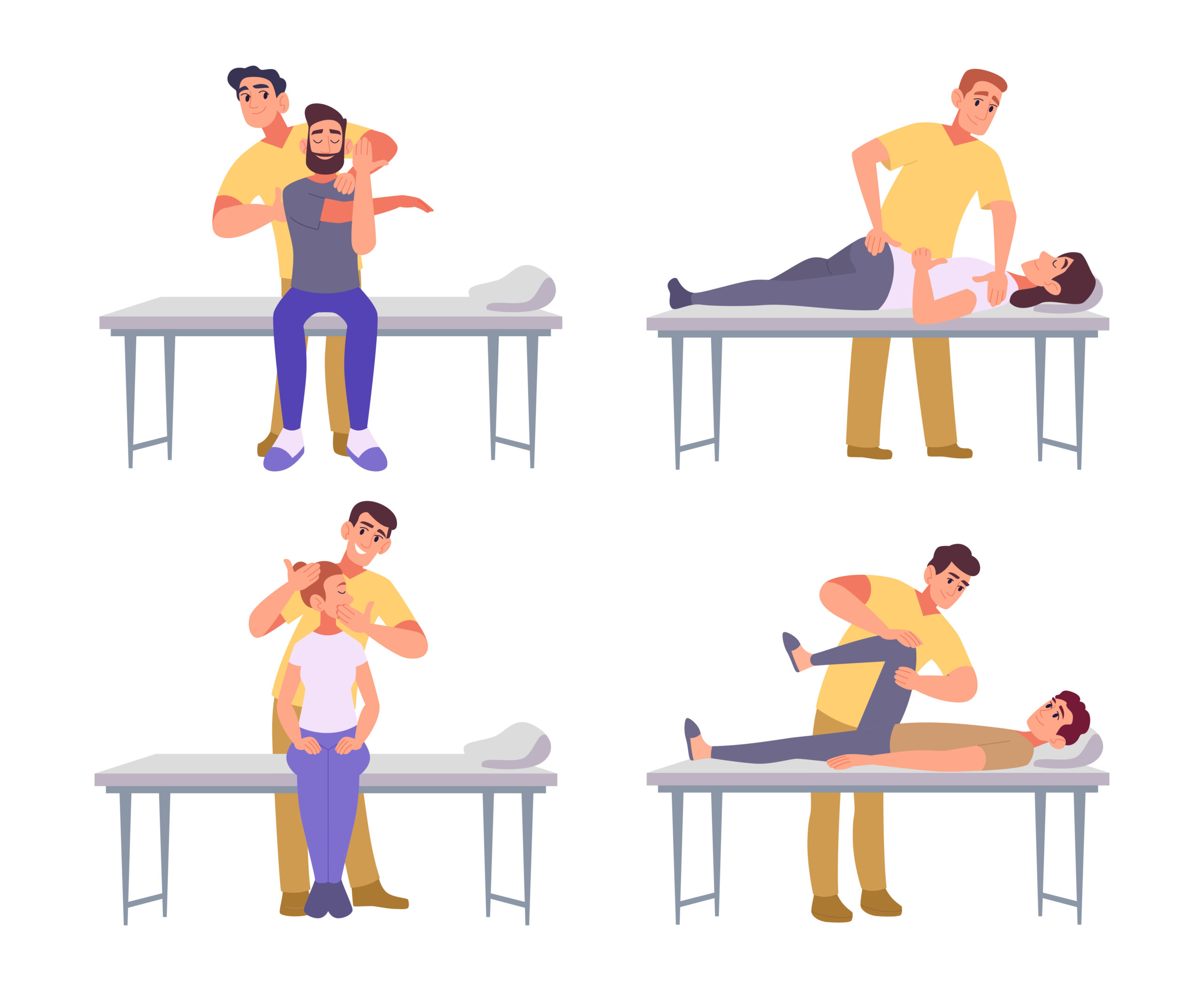
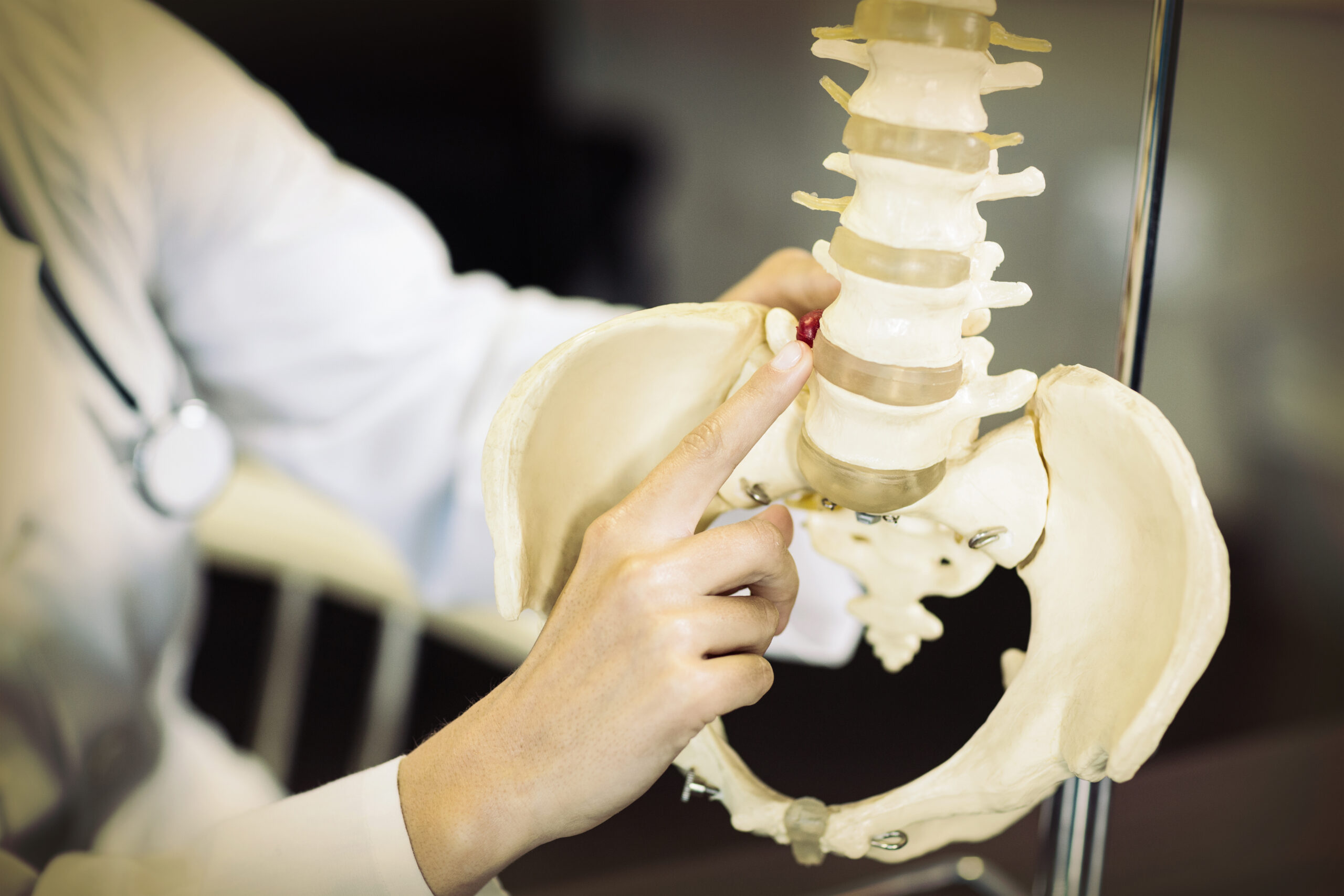
Spinal and pelvic adjustments are central to chiropractic care for ITBS. Misalignments in the lower back or hips can alter gait patterns, increasing stress on the IT band. Chiropractors use manual techniques to realign these areas, improving biomechanics. Soft tissue therapies, such as Active Release Technique (ART), may also be employed to release tightness in the IT band and surrounding muscles. These adjustments aim to reduce inflammation and restore normal movement. Some practitioners incorporate instrument-assisted methods to enhance precision. While adjustments alone may not resolve ITBS, they create a foundation for effective recovery. Combining these with targeted exercises often yields the best results, addressing both structural and muscular contributors to the condition.
Strengthening Exercises to Support ITBS Recovery
Strengthening the muscles around the hip and pelvis is crucial for long-term ITBS management. Weakness in the gluteus medius, hip abductors, and core muscles can exacerbate IT band friction. Exercises like clamshells, side-lying leg lifts, and single-leg squats help build stability. Foam rolling and dynamic stretches may also alleviate tension. A chiropractor can recommend a personalized routine based on individual needs. Consistency is key, as strengthening takes time to retrain movement patterns. These exercises complement adjustments by addressing muscular imbalances that contribute to ITBS. Runners should avoid high-impact activities during recovery and focus on low-impact alternatives until symptoms improve.
Combining Adjustments with Targeted Rehabilitation
A holistic approach integrating chiropractic adjustments and rehabilitation exercises often provides the most effective ITBS relief. Adjustments correct structural issues, while strengthening routines build resilience in weakened muscles. This dual strategy reduces the likelihood of recurrence by addressing both mechanical and muscular factors. Chiropractors may also advise on gait analysis or footwear modifications to further support recovery. Patients are encouraged to maintain open communication with their provider to adjust the plan as needed. Regular follow-ups ensure progress is on track and allow for modifications based on symptom changes. This collaborative approach empowers runners to take an active role in their healing process.
What to Expect During Chiropractic Treatment
Initial consultations typically involve a thorough assessment of the patient’s medical history, gait, and movement patterns. Chiropractors may use diagnostic tools to identify misalignments or muscle imbalances contributing to ITBS. Treatment plans are customized, often starting with gentle adjustments and progressing to more targeted therapies. Patients might experience immediate relief or gradual improvement over several sessions. It’s common to feel some soreness after adjustments, similar to exercise-induced discomfort. The duration of care varies, depending on the severity of the condition and adherence to home exercises. Regular visits, combined with self-care practices, are typically recommended for optimal outcomes.
When to Seek Professional Guidance
If ITBS symptoms persist despite rest and self-care, consulting a chiropractor is advisable. Persistent pain, swelling, or difficulty walking warrants professional evaluation. A qualified provider can differentiate ITBS from other conditions and develop a tailored treatment plan. Chiropractic care offers non-invasive options that may reduce reliance on medication or surgery. Runners should also seek help if they notice worsening symptoms or new areas of discomfort. Early intervention often leads to faster recovery and prevents chronic issues. Working with a licensed chiropractor ensures safe, evidence-based care aligned with the patient’s goals and lifestyle.