Initial Consultation and Medical History
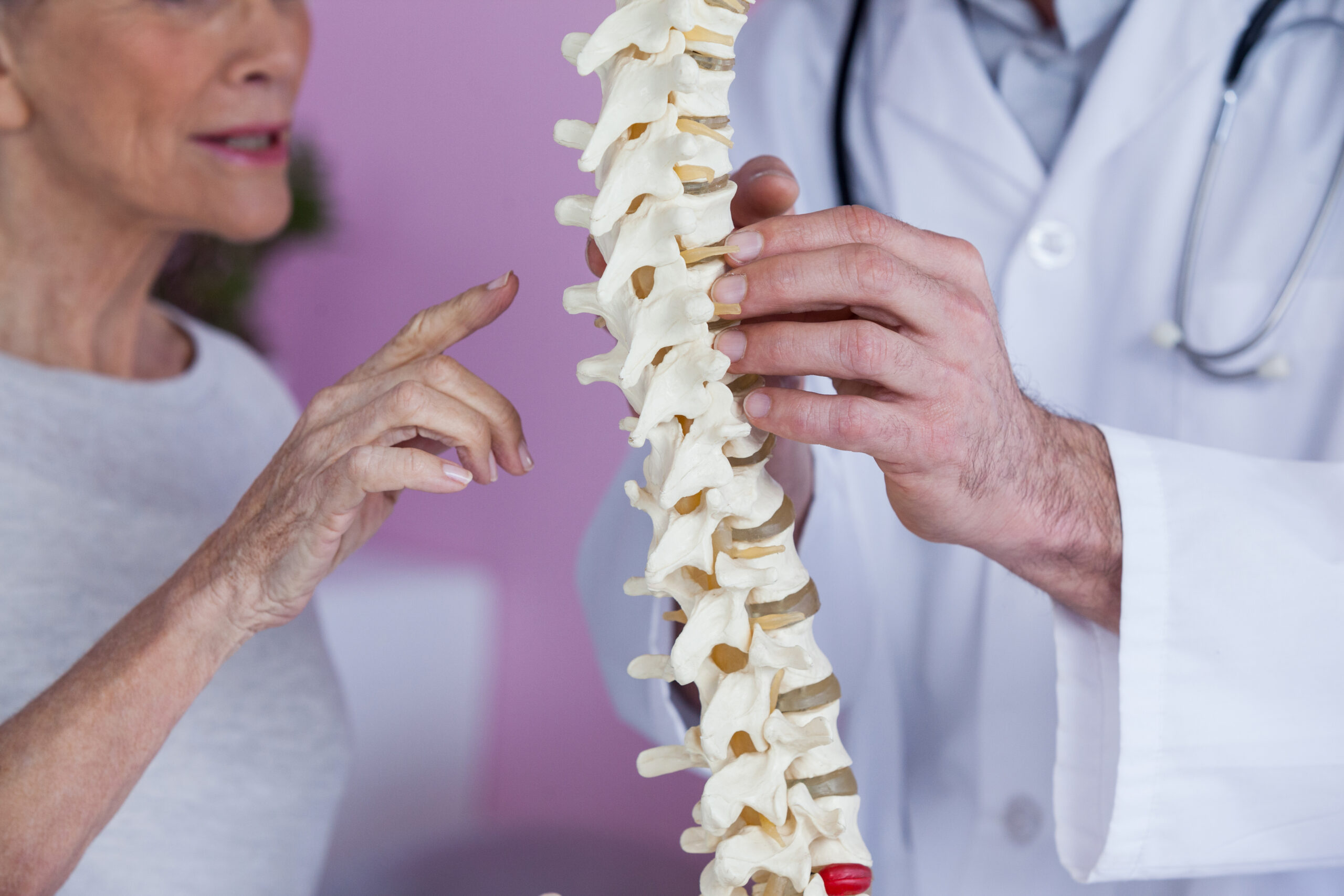
During the first chiropractic visit for a sports-related injury, the provider will begin by gathering a detailed medical history. This includes asking about the nature of the injury, when it occurred, and any prior treatments or injuries. The chiropractor will also inquire about the patient’s athletic background, training routines, and specific goals, such as returning to a sport or activity. This information helps establish a baseline for understanding how the injury affects the patient’s physical function and lifestyle. The conversation is designed to build trust and ensure the chiropractor has a comprehensive view of the patient’s needs. No diagnostic tests are typically performed at this stage, but the discussion sets the foundation for a personalized approach to care.
Physical Examination and Injury Assessment
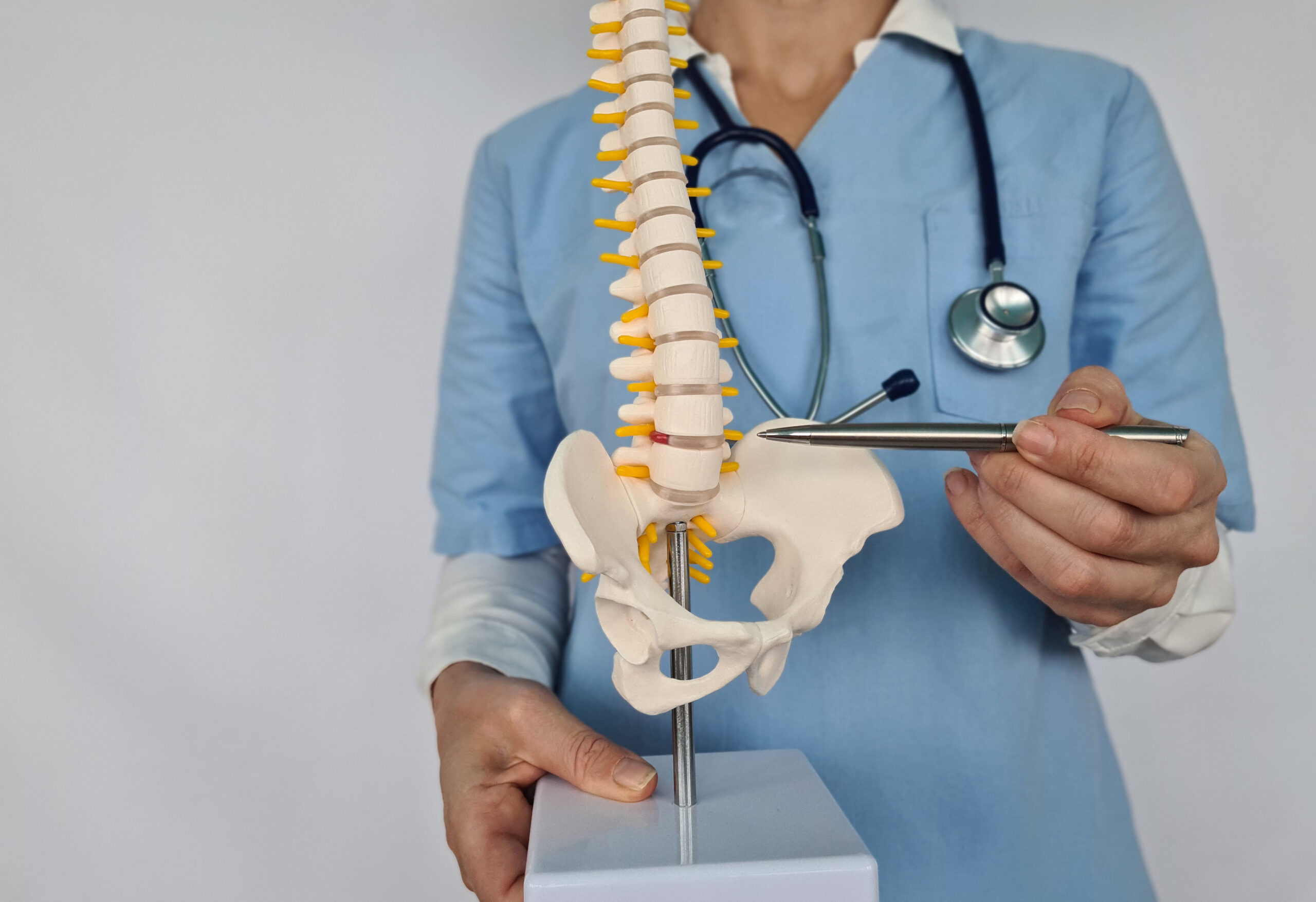
The chiropractor will conduct a physical examination to evaluate the affected area and identify any musculoskeletal imbalances or restrictions. This may involve assessing range of motion, muscle strength, and joint mobility, as well as checking for tenderness, swelling, or deformities. Special attention is given to the injury site and related structures, such as ligaments, tendons, and nerves. For sports injuries, the exam often includes functional movements specific to the patient’s activity, like squatting, pivoting, or stretching. The goal is to pinpoint the root cause of the injury and determine how it impacts the patient’s biomechanics. This step helps the chiropractor differentiate between acute injuries, overuse conditions, and chronic issues, guiding the next steps in care.
Treatment Plan Discussion and Goals
After the initial assessment, the chiropractor will discuss a preliminary treatment plan tailored to the patient’s injury and goals. This may include adjustments, soft tissue therapy, rehabilitative exercises, or referrals for additional therapies. The provider will explain how each component addresses the injury’s specific needs, such as reducing inflammation, restoring mobility, or preventing re-injury. Patients are encouraged to ask questions and express concerns about the proposed approach. The plan is designed to be flexible, allowing adjustments as the patient’s condition evolves. Clear communication about expected outcomes, timelines, and any limitations ensures the patient is an active participant in their recovery. This collaborative approach fosters a sense of empowerment and accountability.
Chiropractic Adjustments and Manual Therapies
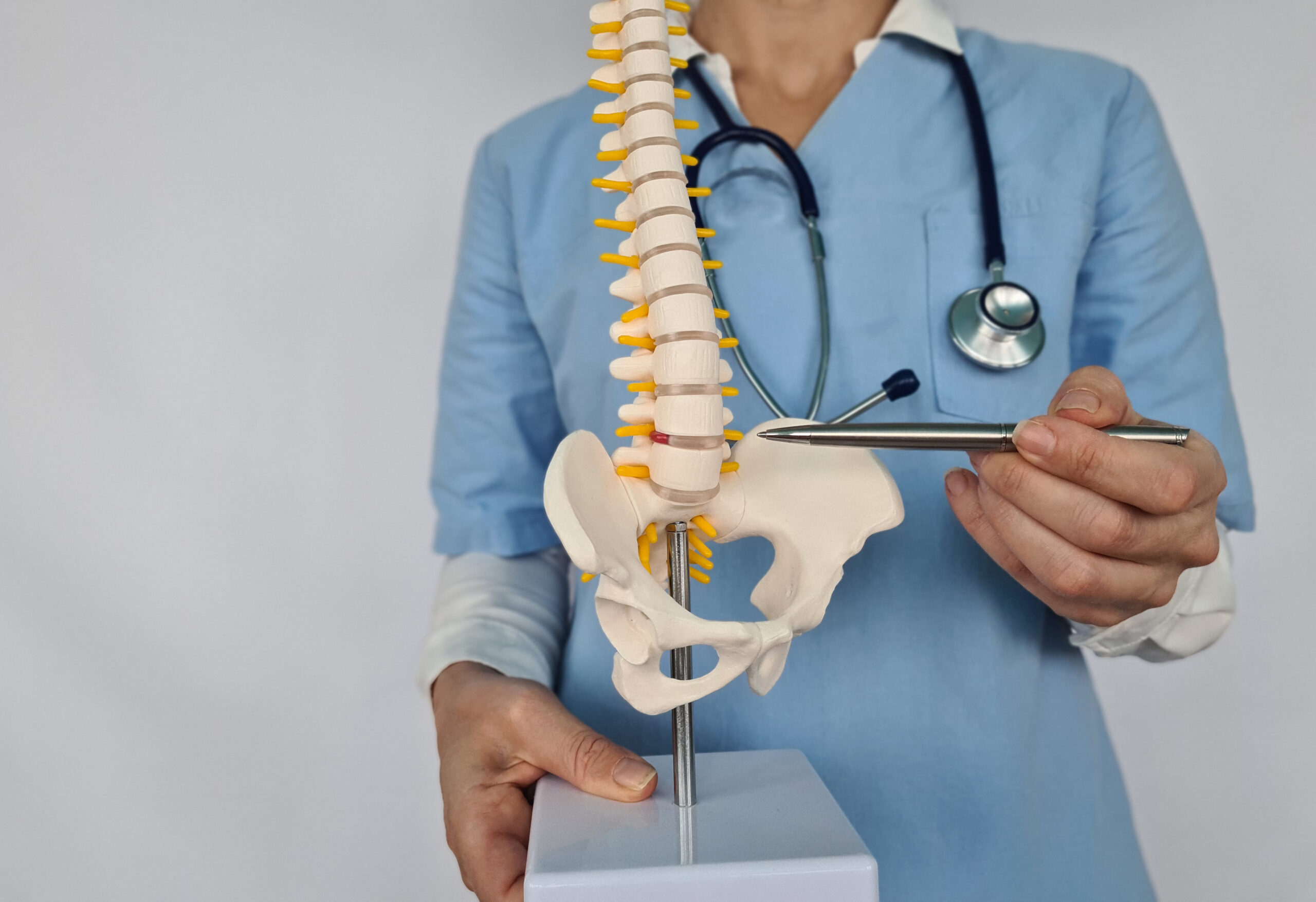
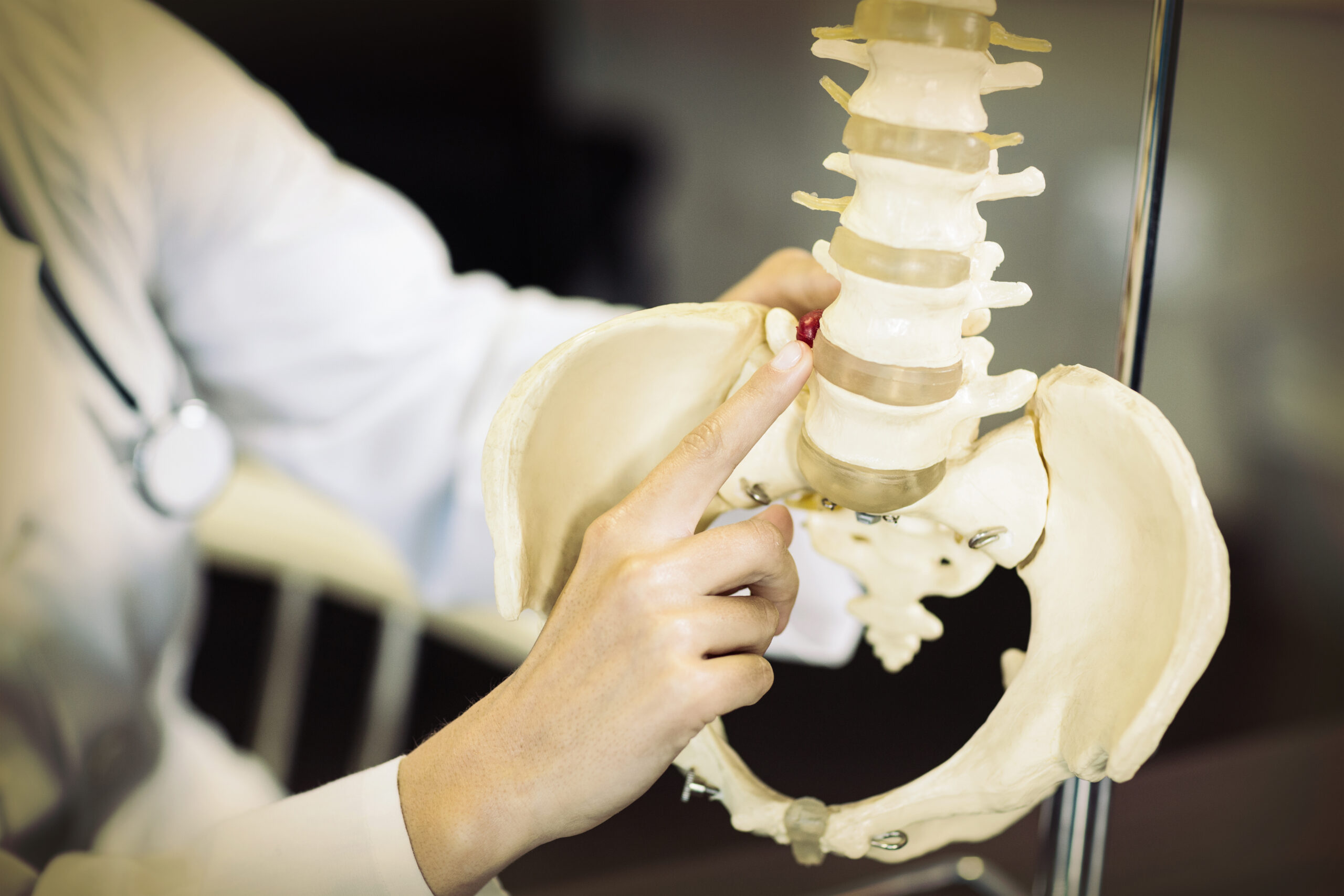
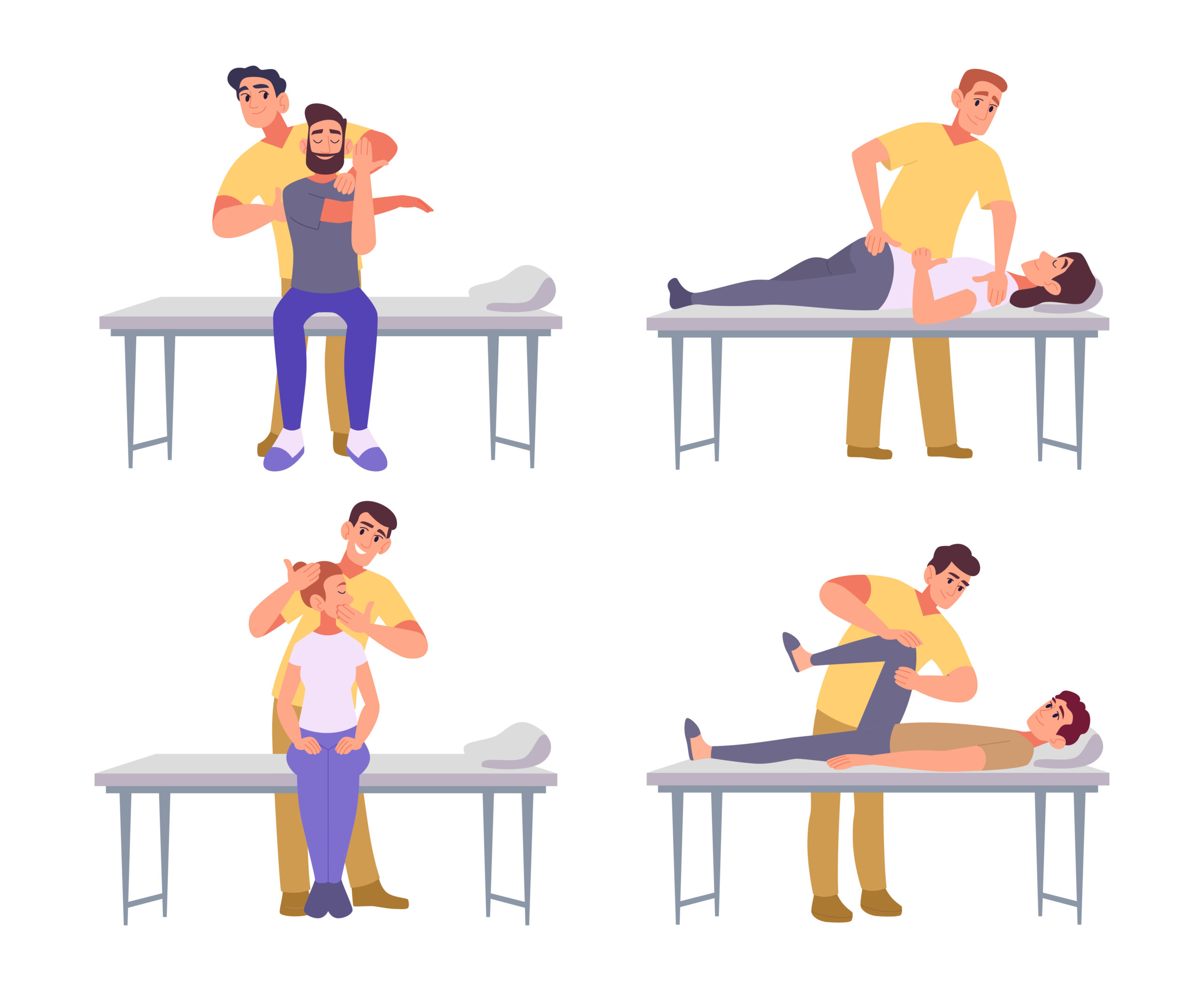
Chiropractic adjustments are a common component of treatment for sports injuries, aiming to restore proper alignment and function to the spine or affected joints. The chiropractor uses controlled, targeted forces to realign bones, which can alleviate pain and improve mobility. For sports-related injuries, techniques may focus on areas like the lower back, hips, or shoulders, depending on the injury’s location. Manual therapies such as soft tissue work, myofascial release, or trigger point therapy may also be used to address muscle tension or scar tissue. These interventions are typically gentle and adapted to the patient’s comfort level. The chiropractor will monitor the patient’s response to ensure the treatments are effective and well-tolerated, making adjustments to the plan as needed.
Rehabilitation and Recovery Strategies
Recovery from a sports injury often involves a combination of chiropractic care and rehabilitative strategies. The chiropractor may recommend specific exercises to strengthen muscles, improve flexibility, or enhance proprioception, which is the body’s ability to sense movement. These exercises are tailored to the patient’s sport and stage of healing, ensuring they support recovery without exacerbating the injury. Additional modalities like heat therapy, ice application, or electrical stimulation might be used to manage pain and inflammation. The chiropractor will also advise on activity modification, such as avoiding certain movements or using supportive braces. By integrating these strategies, the treatment plan addresses both immediate symptoms and long-term functional goals, helping the patient return to their sport safely.
Follow-Up and Ongoing Care
Follow-up appointments are essential to monitor progress and refine the treatment plan as needed. The chiropractor will assess how the patient is responding to care, adjusting techniques or recommendations based on their recovery trajectory. For sports injuries, this may involve tracking improvements in mobility, pain levels, and functional performance. The provider may also offer guidance on preventing future injuries through proper warm-up routines, nutrition, or equipment use. Patients are encouraged to communicate any changes in symptoms or concerns during these visits. Regular check-ins ensure the care remains aligned with the patient’s evolving needs, promoting a sustainable recovery. Over time, the focus may shift from acute treatment to maintenance care, supporting long-term musculoskeletal health and athletic performance.