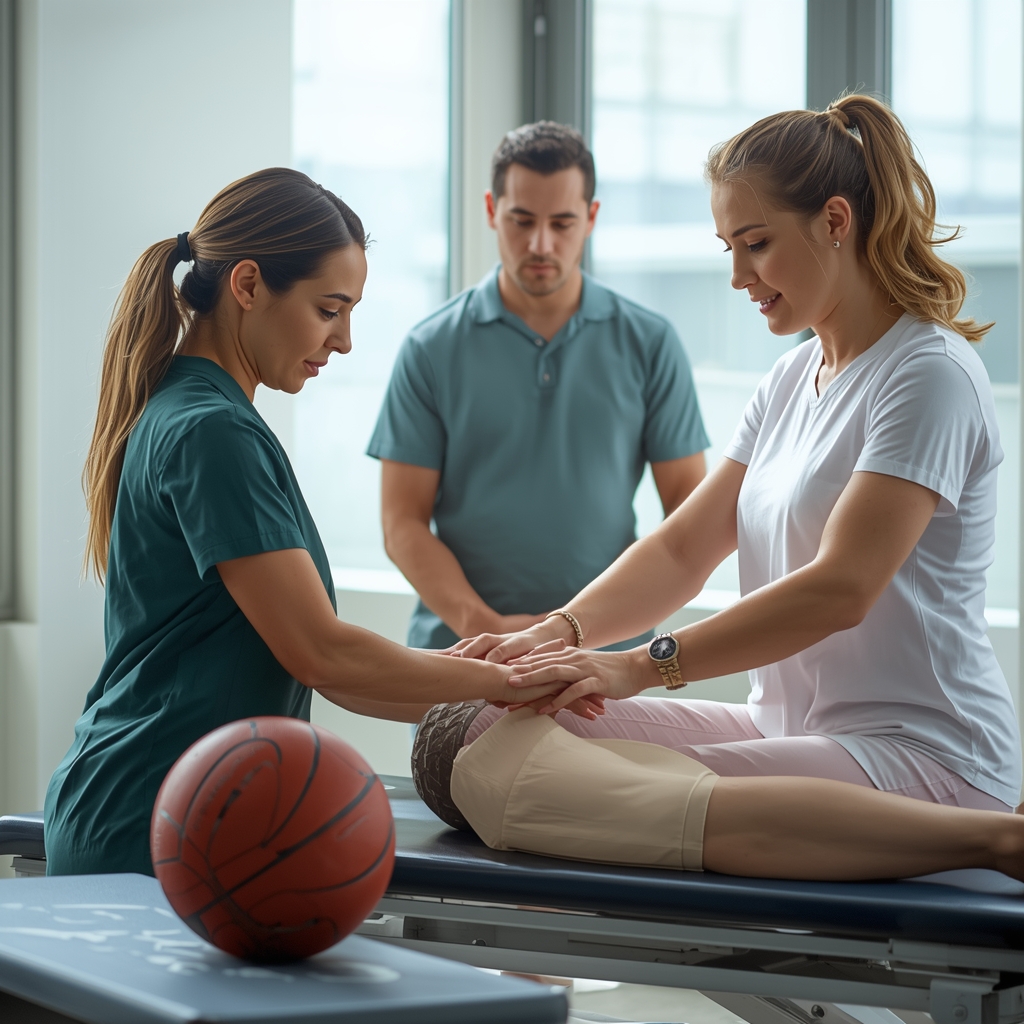
Understanding Post-Concussion Syndrome in Athletes
Post-concussion syndrome (PCS) affects athletes who experience head trauma, leading to persistent symptoms like headaches, dizziness, and cognitive difficulties. While traditional rehabilitation focuses on rest and gradual return to activity, chiropractic care offers complementary approaches to address underlying musculoskeletal and nervous system imbalances. PCS can disrupt the body’s natural alignment, impacting spinal function and nerve communication. Chiropractors aim to restore proper biomechanics, reduce inflammation, and support the body’s innate healing processes. This article explores techniques that may aid recovery, emphasizing collaboration with medical professionals to ensure safe, holistic care.
Spinal Adjustments and Neural Function
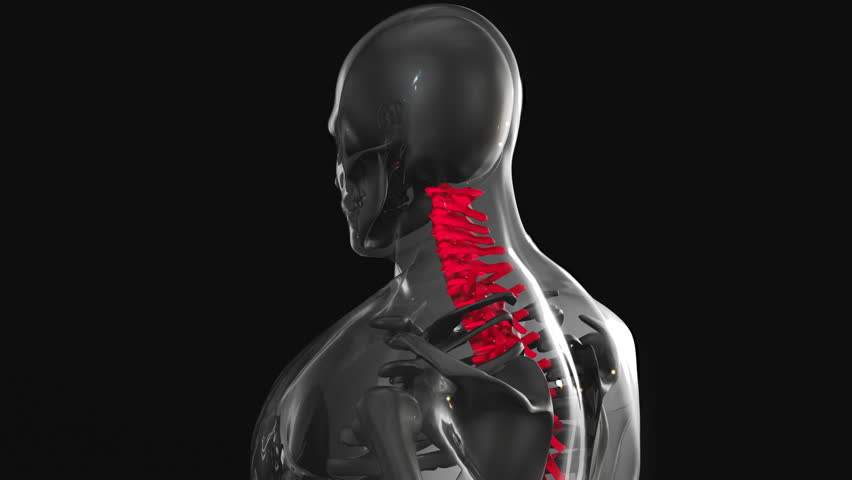
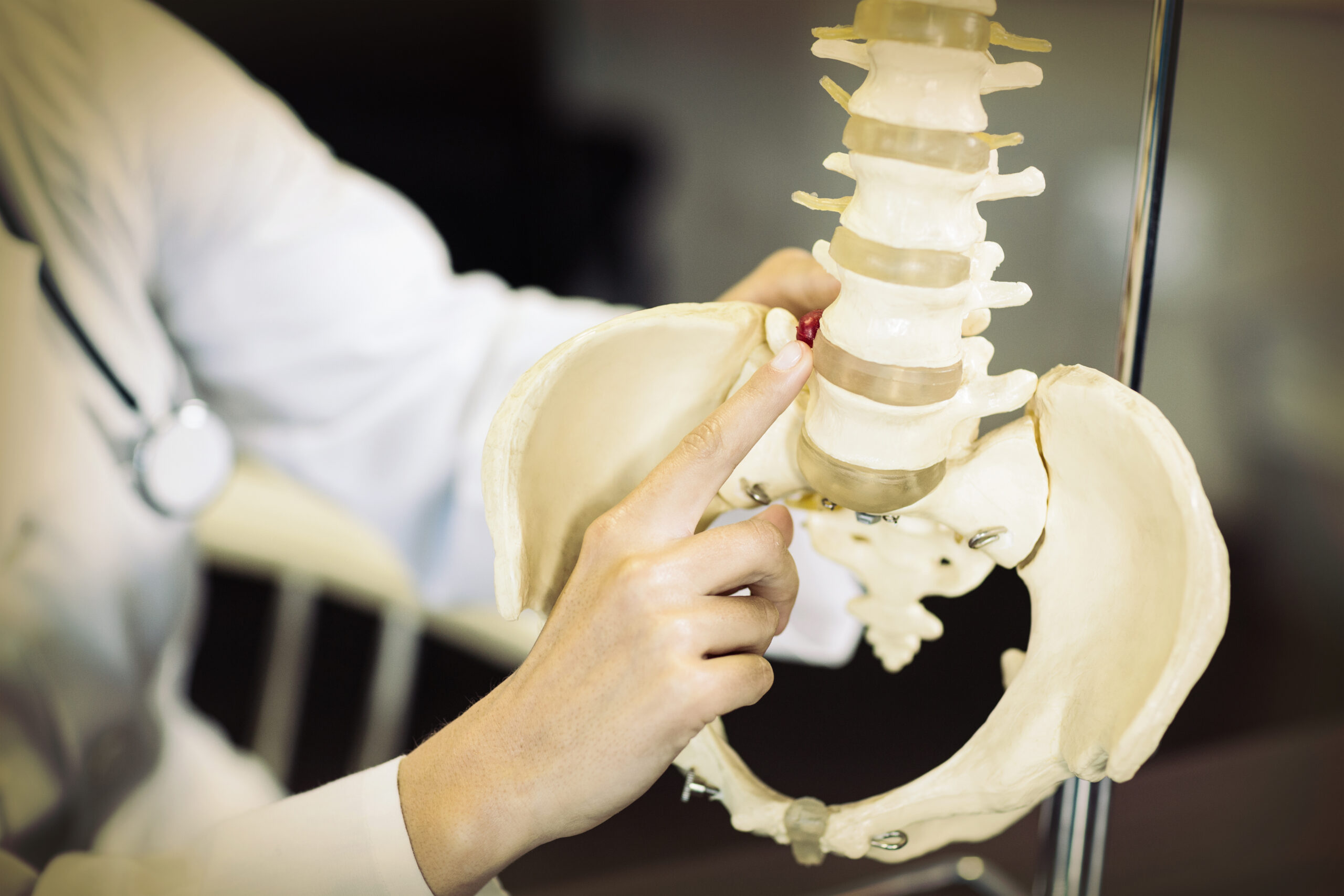
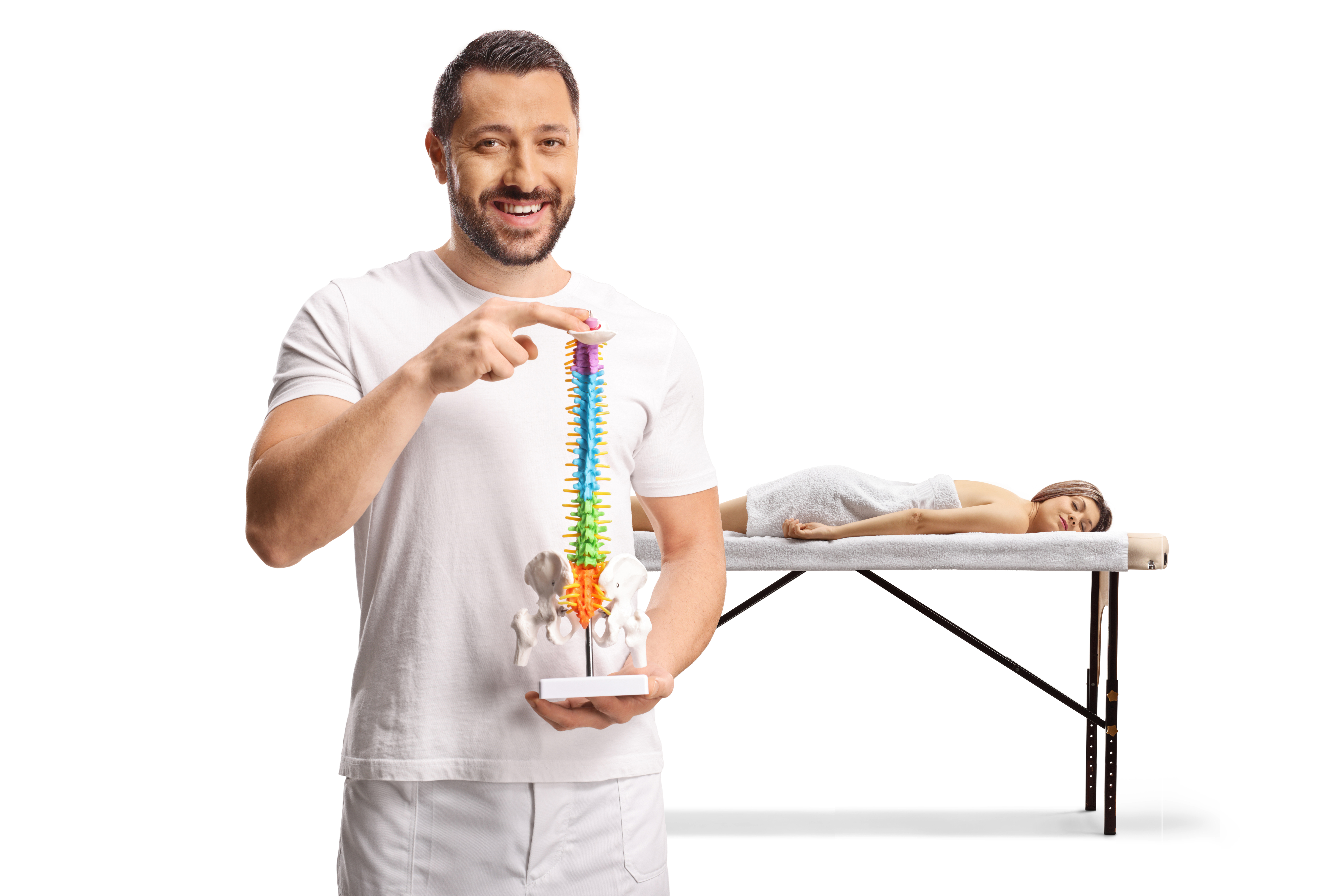
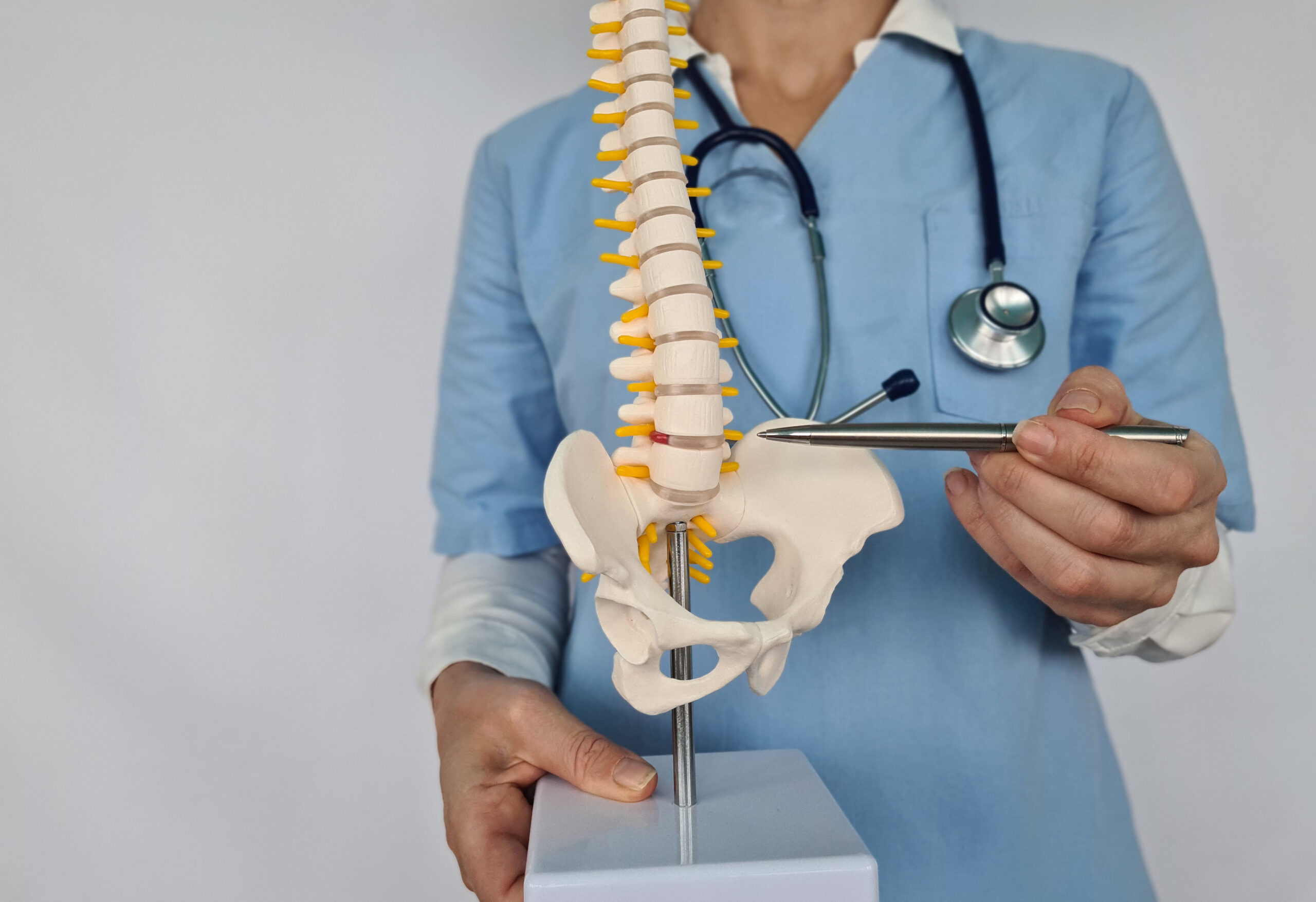
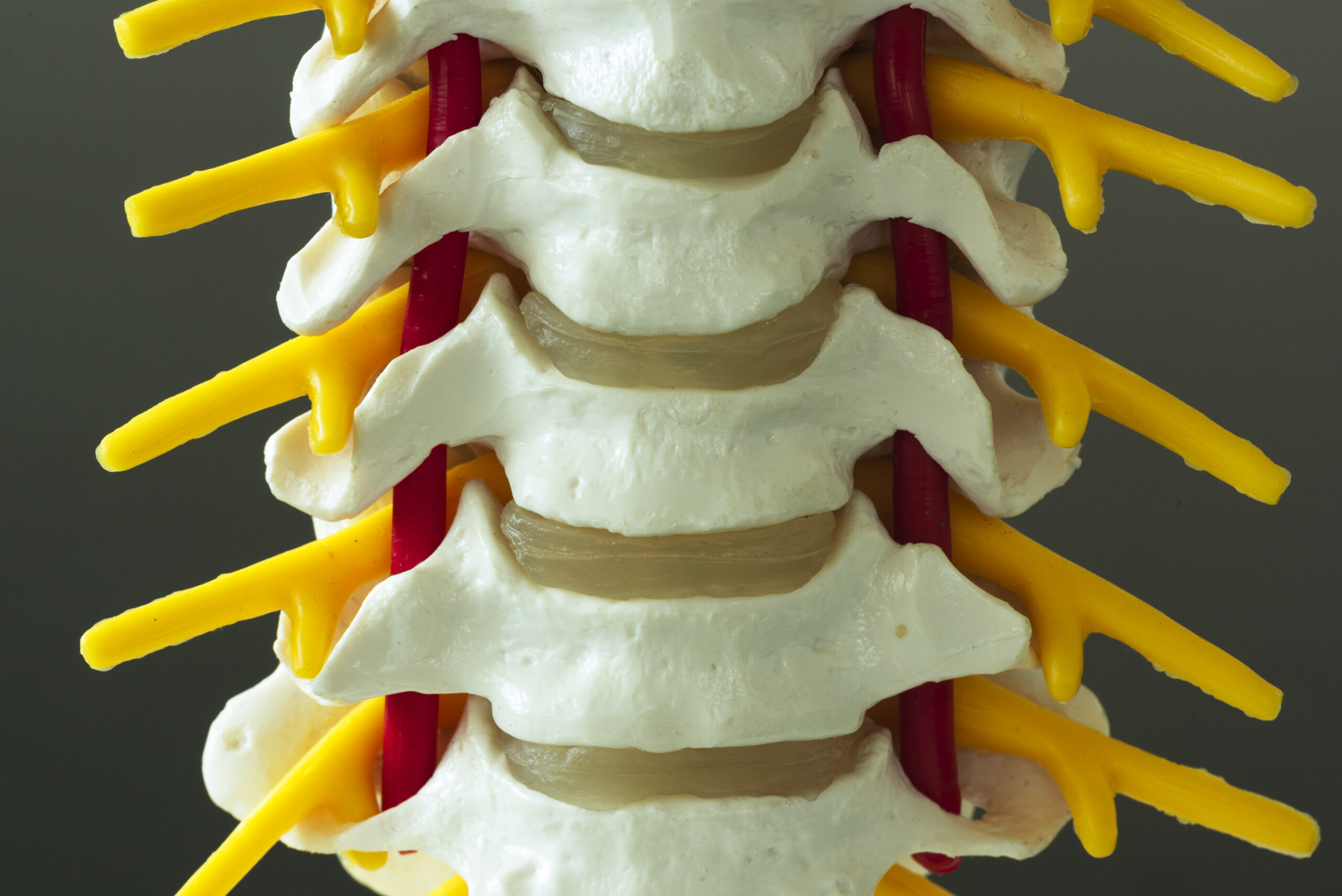
Spinal adjustments are a cornerstone of chiropractic care, focusing on correcting misalignments (subluxations) that may contribute to PCS symptoms. By restoring proper spinal motion, adjustments can alleviate pressure on nerves, potentially improving brain-body communication. Athletes with PCS often experience headaches or neck pain, which may stem from cervical spine dysfunction. Gentle manipulations can reduce tension in the upper cervical region, promoting better blood flow and reducing inflammation. While research on direct links between adjustments and PCS recovery is limited, many practitioners observe improved mobility and symptom relief. These adjustments are typically part of a broader plan, not a standalone solution, and should be tailored to the individual’s needs.
Soft Tissue Therapies for Muscle Tension
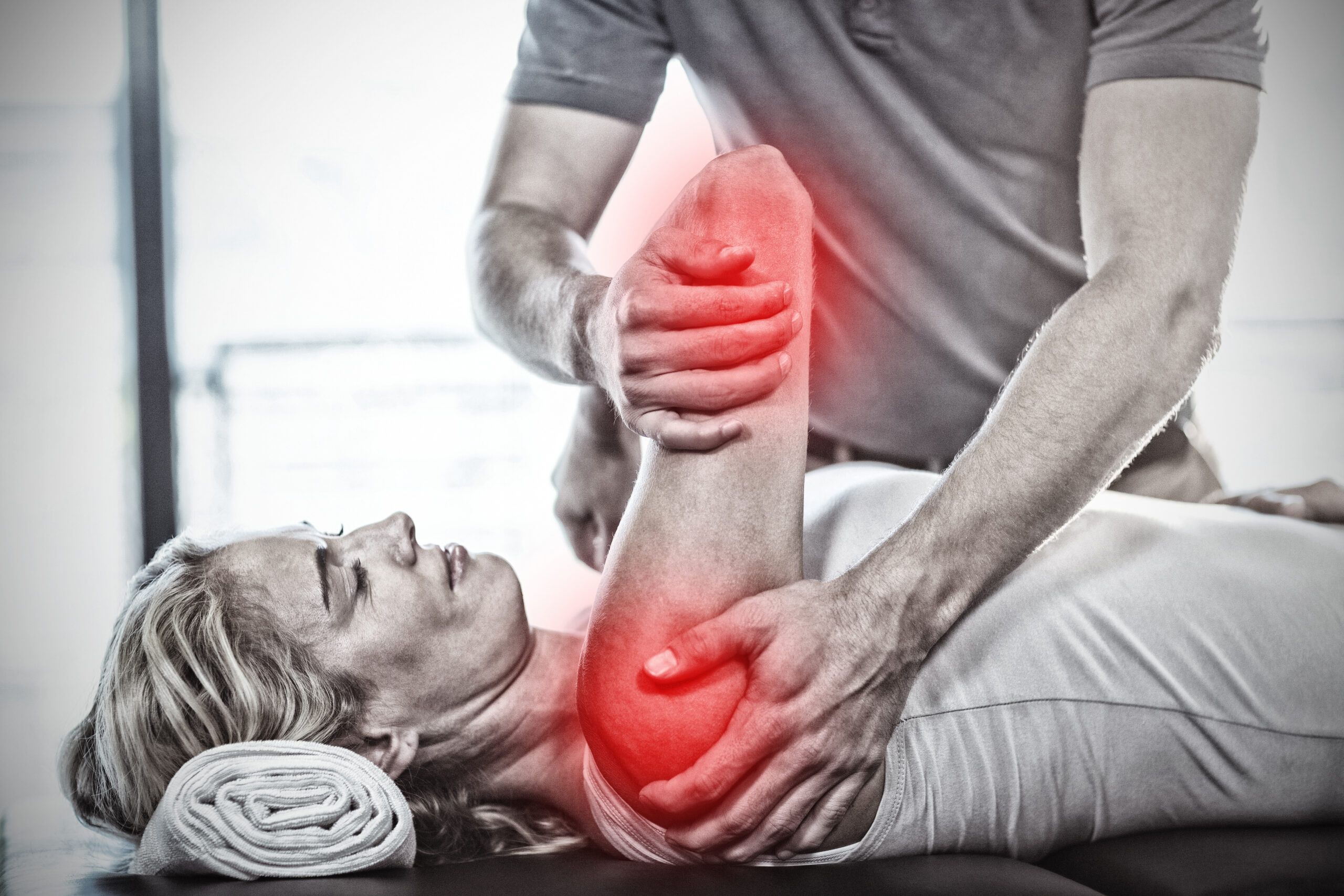
Soft tissue therapies, such as Active Release Technique (ART) and myofascial release, address muscle tightness and scar tissue that may develop after head or neck trauma. Athletes with PCS often report stiffness in the neck, shoulders, or upper back, which can exacerbate dizziness or fatigue. These techniques target specific areas to restore flexibility and reduce pain. For example, ART involves applying pressure while the patient moves, breaking up adhesions in muscles and tendons. Chiropractors may also use trigger point therapy to relieve localized pain. While not a cure, these methods can enhance comfort and mobility, allowing athletes to engage more fully in rehabilitation exercises. As with all treatments, they should be administered by trained professionals.
Vestibular and Balance Rehabilitation
The vestibular system, crucial for balance and spatial orientation, can be affected by concussions. Chiropractic care may incorporate vestibular retraining exercises to help athletes regain stability. These exercises, often combined with manual therapies, aim to recalibrate the brain’s response to movement. Chiropractors may use gentle adjustments to the cervical spine, as neck injuries can interfere with vestibular function. Additionally, balance drills and proprioceptive training can be integrated into care plans. While traditional physical therapy often leads these efforts, chiropractors may provide complementary support by addressing musculoskeletal factors that influence balance. This multidisciplinary approach can accelerate recovery and reduce long-term complications.
Neuromuscular Re-education and Coordination
Neuromuscular re-education focuses on restoring proper movement patterns and coordination, which may be disrupted by PCS. Chiropractors use techniques like proprioceptive neuromuscular facilitation (PNF) to enhance muscle function and joint awareness. These methods involve specific movements and resistance to retrain the nervous system. For athletes, this can improve agility, reduce fatigue, and prevent secondary injuries. Chiropractors may also employ mobilization techniques to address joint stiffness, ensuring smooth communication between the brain and body. While evidence on these approaches for PCS is still emerging, many practitioners find them beneficial when combined with other therapies. As always, individualized care is essential to avoid overstimulation or discomfort.
Collaboration with Traditional Rehabilitation
Chiropractic care works best when integrated with traditional rehabilitation strategies, such as cognitive therapy, vision training, and physical therapy. Chiropractors often collaborate with neurologists, athletic trainers, and other specialists to create comprehensive care plans. This teamwork ensures that all aspects of PCS—physical, cognitive, and emotional—are addressed. For example, a chiropractor might adjust the spine to reduce nerve irritation, while a physical therapist focuses on strength training. Open communication between providers helps avoid conflicting treatments and ensures safety. Athletes should discuss any complementary therapies with their primary care team to align goals and monitor progress. This collaborative model reflects the growing recognition of integrative approaches in sports medicine.