The Role of Chiropractic in Post-Surgical Recovery
Chiropractic care can play a supportive role in post-surgical rehabilitation, particularly after procedures like total knee replacement. While surgery addresses the immediate structural issue, chiropractic interventions focus on restoring optimal musculoskeletal function, reducing compensatory strain, and promoting overall recovery. By addressing alignment, mobility, and soft tissue health, chiropractors help patients regain strength and flexibility in a safe, non-invasive manner. This approach complements traditional physical therapy and medical follow-up, offering a holistic option for those seeking to enhance their rehabilitation outcomes. However, it is crucial to consult with both the surgical team and a licensed chiropractor to ensure care aligns with the patient’s specific needs and recovery timeline.
Spinal Adjustments and Alignment
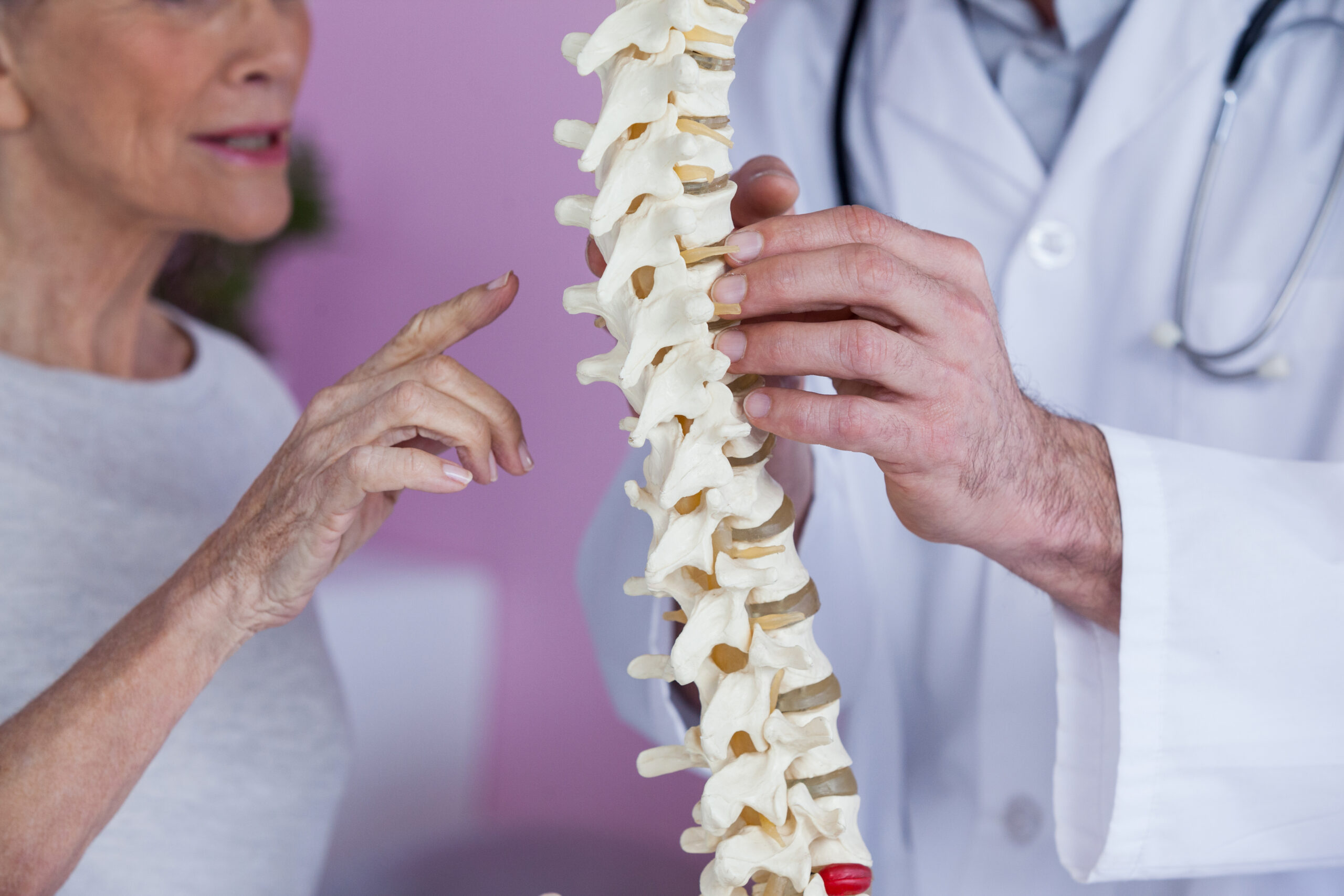
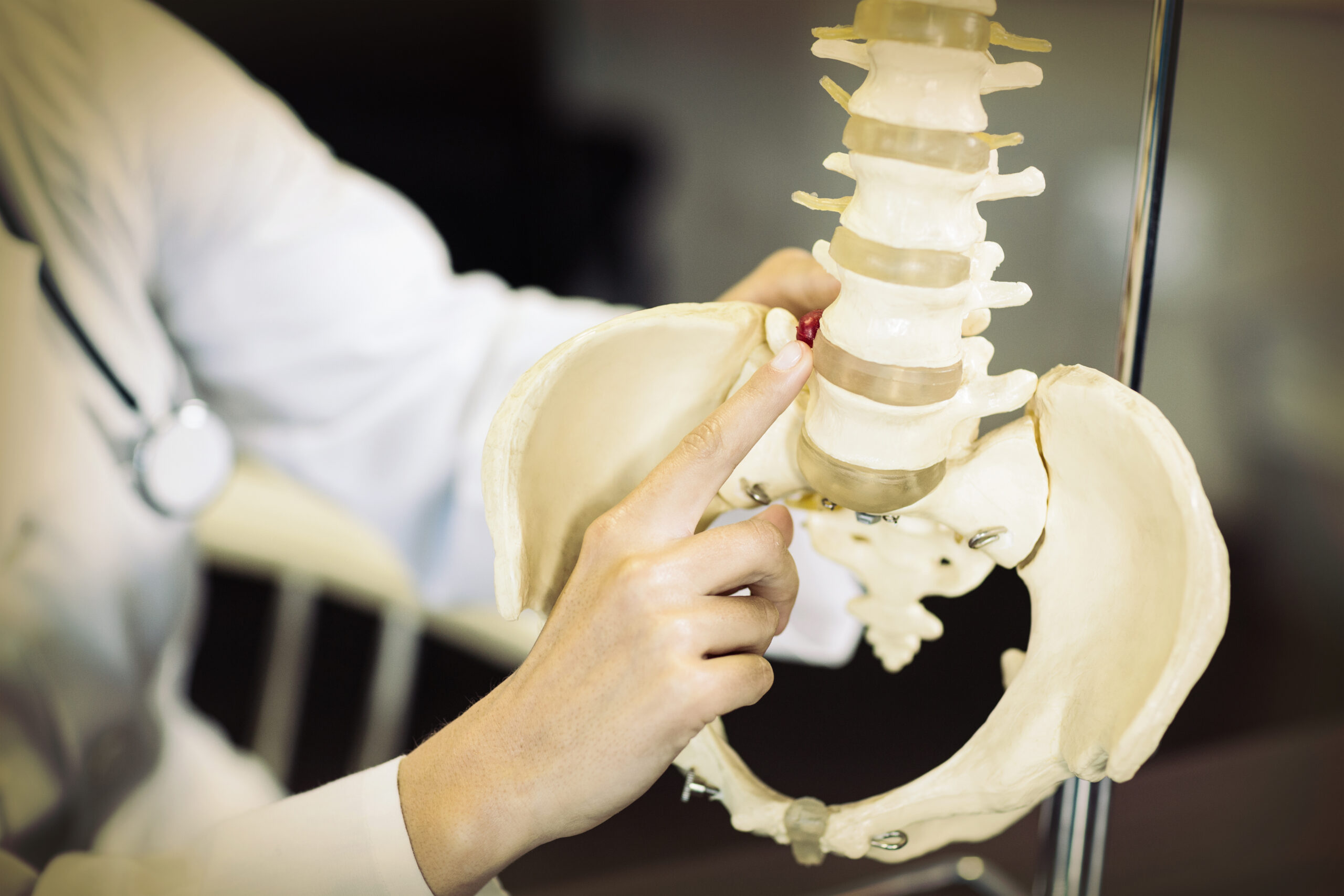
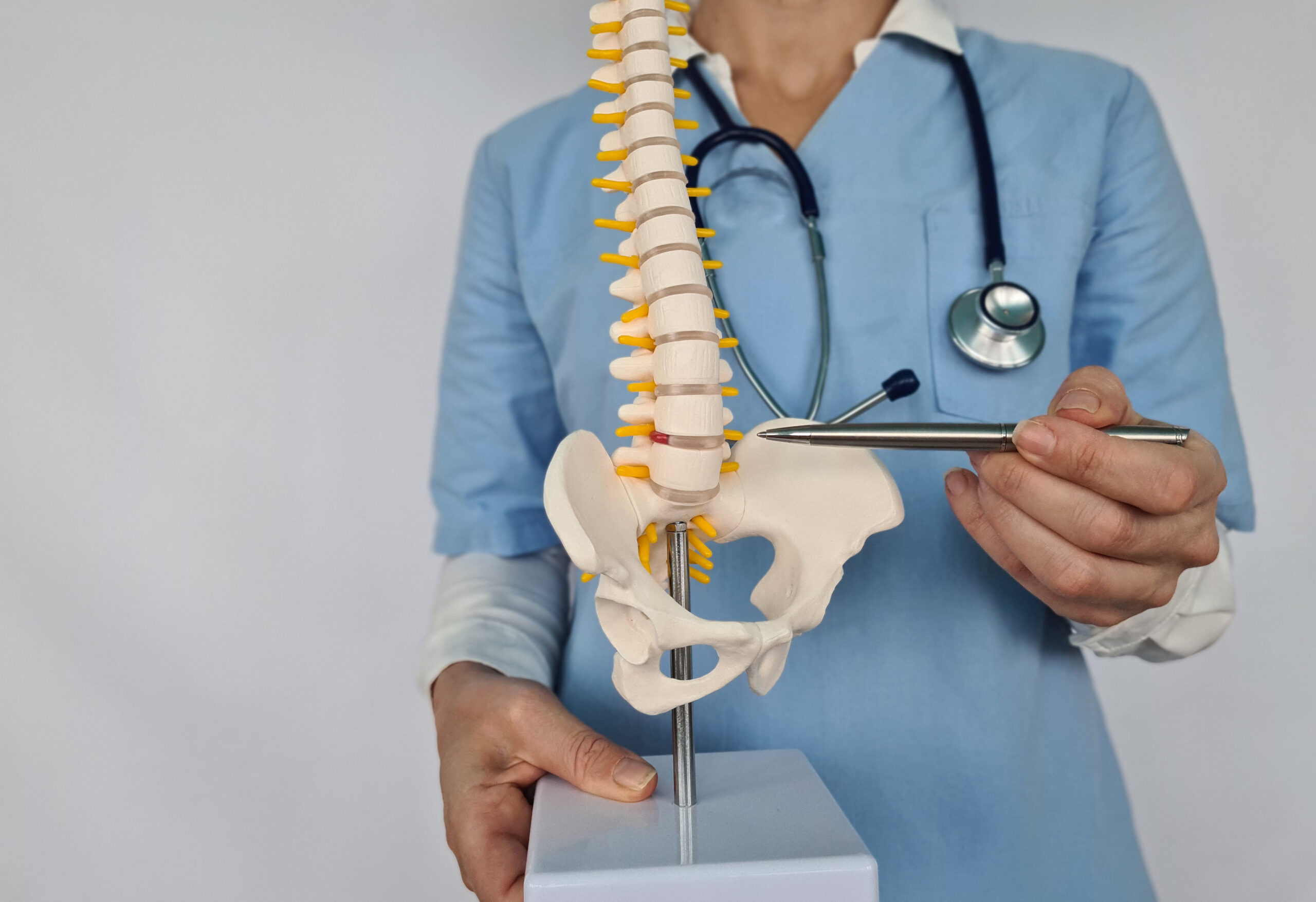
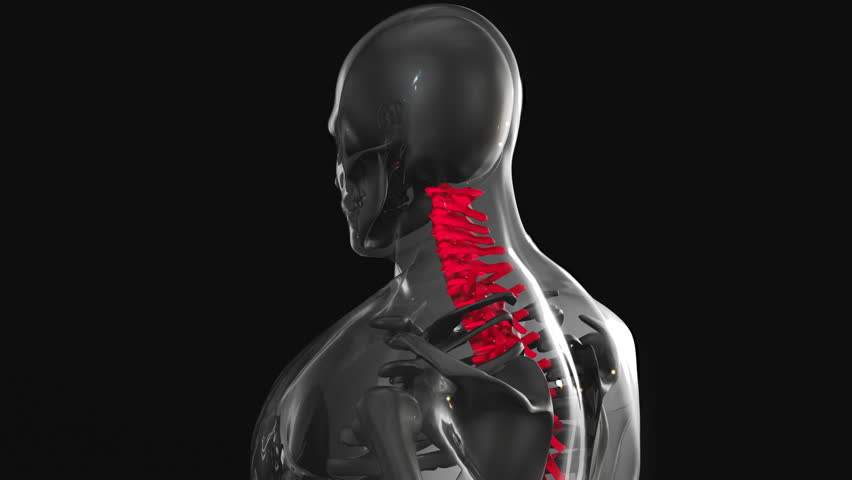
Spinal adjustments are a cornerstone of chiropractic care and can indirectly benefit post-surgical recovery by ensuring proper biomechanics. After knee surgery, patients often alter their gait or posture to avoid discomfort, which may lead to compensatory issues in the spine, hips, or other joints. Chiropractors assess and correct these imbalances through gentle, targeted adjustments. This can alleviate secondary pain, improve nerve function, and enhance overall mobility. For example, a misaligned pelvis or lumbar spine might contribute to uneven weight distribution, exacerbating stress on the healing knee. By restoring proper alignment, chiropractic care helps create a stable foundation for recovery, reducing the risk of long-term complications.
Soft Tissue Therapy and Mobilization
Soft tissue techniques, such as myofascial release and trigger point therapy, are valuable tools in post-surgical rehabilitation. These methods address muscle tightness, scar tissue, and adhesions that may form after knee surgery, which can limit range of motion and cause discomfort. Chiropractors use hands-on mobilization to improve circulation, reduce inflammation, and restore flexibility in surrounding tissues. For instance, tight hamstrings or quadriceps can hinder proper knee function, and targeted soft tissue work can alleviate these restrictions. When combined with movement-based therapies, such interventions help patients regain functional mobility more efficiently. However, these techniques should be tailored to the patient’s healing stage to avoid disrupting surgical sites or compromising recovery.
Enhancing Range of Motion and Function
Chiropractic care emphasizes restoring natural movement patterns, which is critical after knee surgery. Through guided exercises, joint mobilizations, and neuromuscular re-education, chiropractors help patients retrain their bodies to move efficiently. This process can reduce stiffness, improve proprioception (body awareness), and strengthen stabilizing muscles around the knee. For example, a chiropractor might incorporate balance exercises or gait training to address postural imbalances caused by the surgery. These strategies not only support the knee’s recovery but also prevent secondary issues in the hips, ankles, or lower back. By focusing on functional movement, chiropractic care helps patients transition from passive recovery to active rehabilitation, fostering long-term mobility and independence.
Key Considerations for Post-Surgical Patients
Several factors must be carefully evaluated before initiating chiropractic care after knee surgery. The timing of interventions is critical—chiropractors must wait until the surgical site has sufficiently healed to avoid complications. Patients should also disclose their full medical history, including the type of surgery, implants used, and any ongoing treatments. Collaboration with the surgical team is essential to ensure chiropractic care does not interfere with medical protocols. Additionally, patients should be aware that chiropractic adjustments are not a substitute for physical therapy or medical follow-up. Individualized care plans, regular communication with healthcare providers, and adherence to post-operative guidelines are vital to achieving safe, effective outcomes. Open dialogue between the patient, surgeon, and chiropractor ensures a coordinated approach to recovery.
Collaborative Care and Patient Safety
Post-surgical chiropractic care thrives on a collaborative, patient-centered approach. Chiropractors often work alongside orthopedic surgeons, physical therapists, and primary care physicians to create a cohesive rehabilitation plan. This teamwork ensures that all interventions—whether manual adjustments, soft tissue work, or therapeutic exercises—align with the patient’s medical needs and recovery goals. Safety is paramount, and chiropractors must avoid techniques that could compromise surgical repairs or delay healing. Patients should actively participate by reporting any pain, swelling, or changes in mobility. Regular assessments allow for adjustments to the care plan as the patient progresses. Ultimately, the synergy between chiropractic care and conventional post-surgical protocols can enhance recovery, reduce discomfort, and empower patients to reclaim their quality of life.