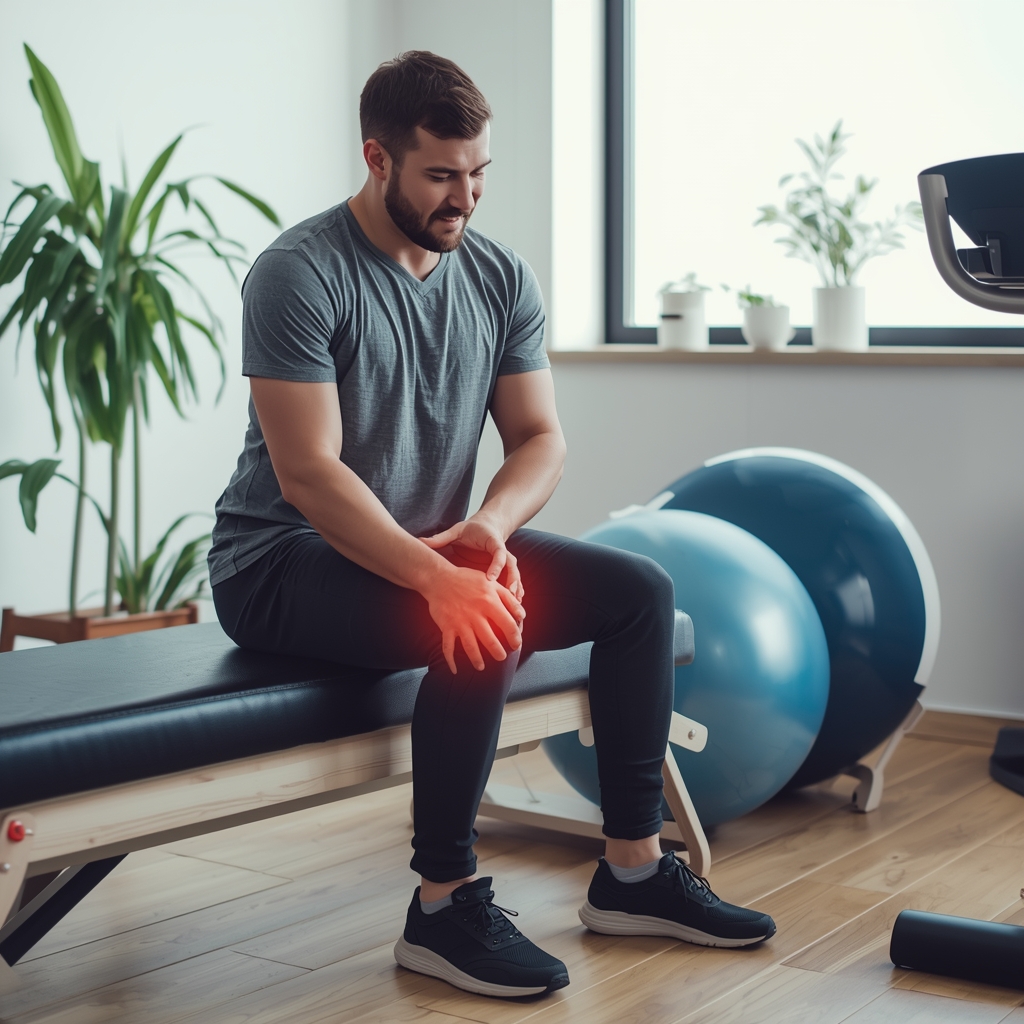
Understanding the Link Between Spinal Alignment and Weight-Related Knee Pain
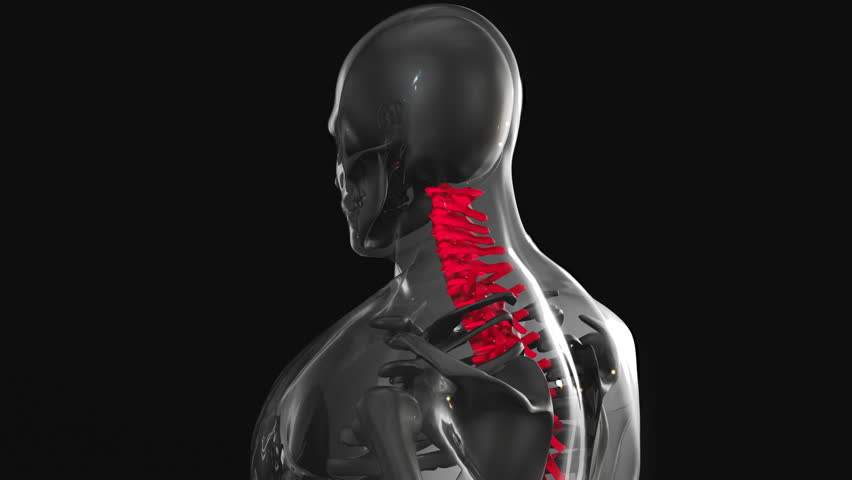
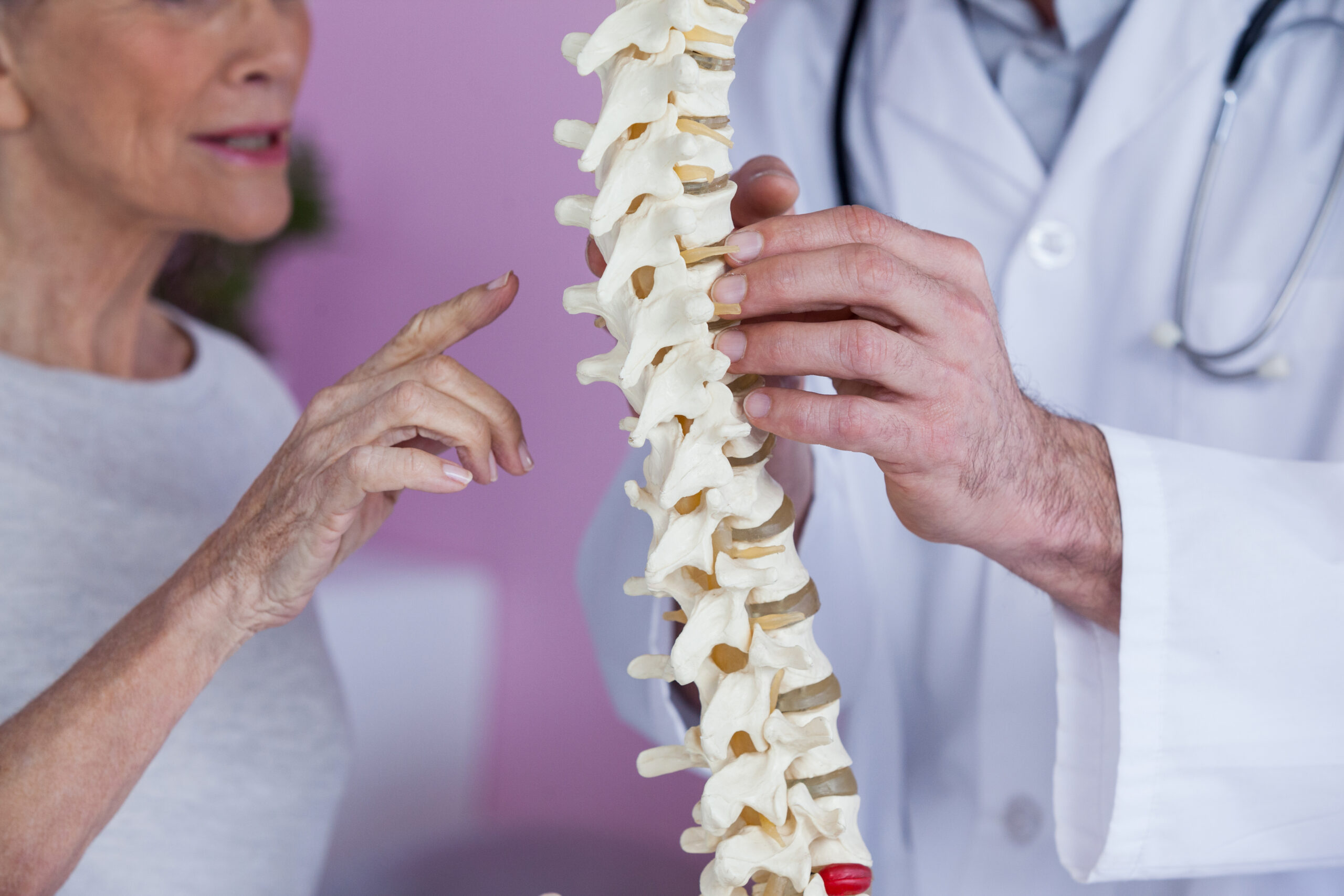
Excess weight places additional stress on the knees, exacerbating joint discomfort and altering biomechanics. Spinal misalignments can compound this issue by disrupting nerve function and affecting posture, which in turn influences how weight is distributed across the lower body. A chiropractor may evaluate these connections to identify how spinal health contributes to knee strain. By addressing structural imbalances, chiropractic care aims to reduce pressure on the knees and support overall musculoskeletal function. This approach focuses on the interplay between the spine and joints rather than direct weight-loss strategies.
Spinal Adjustments to Alleviate Biomechanical Stress
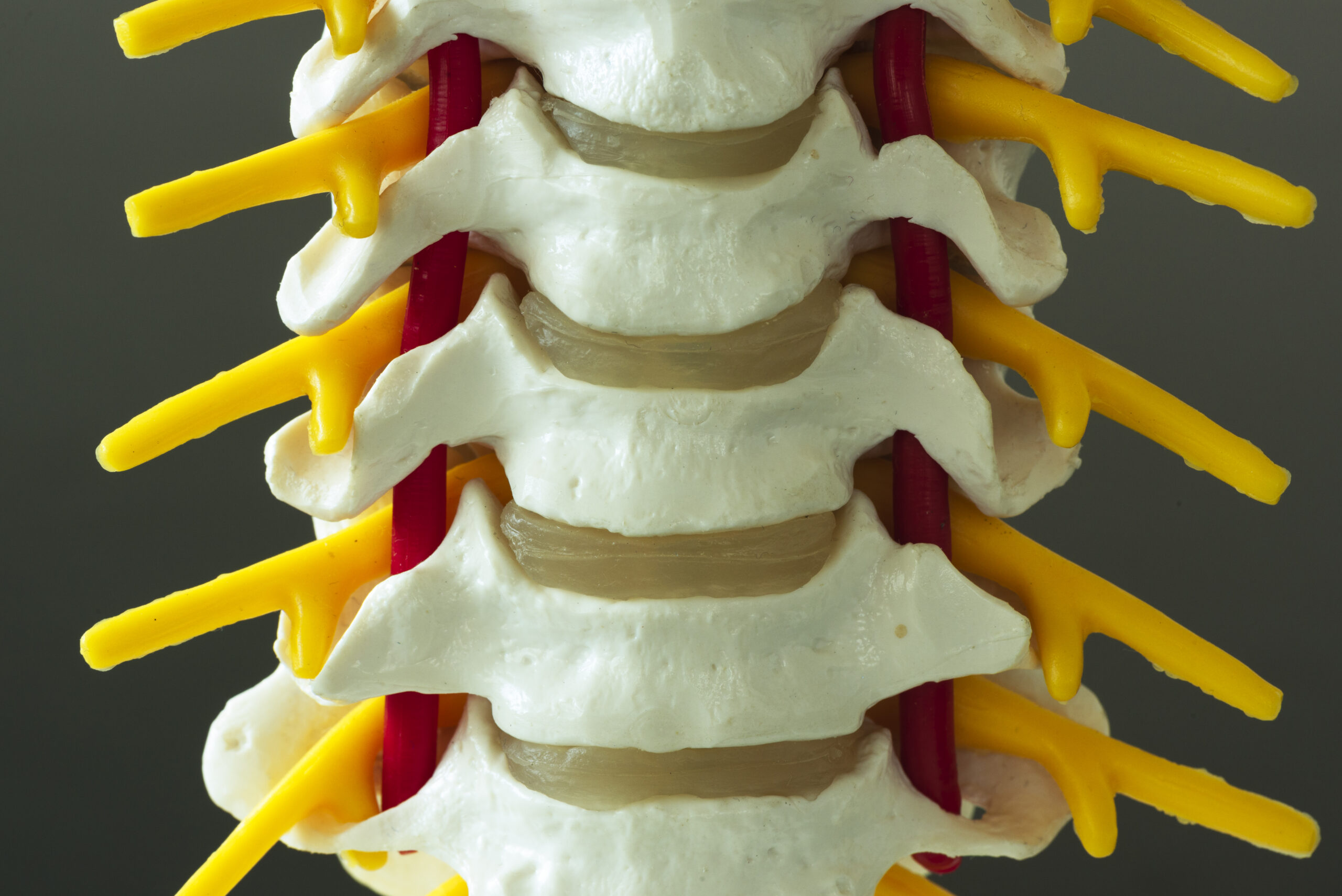
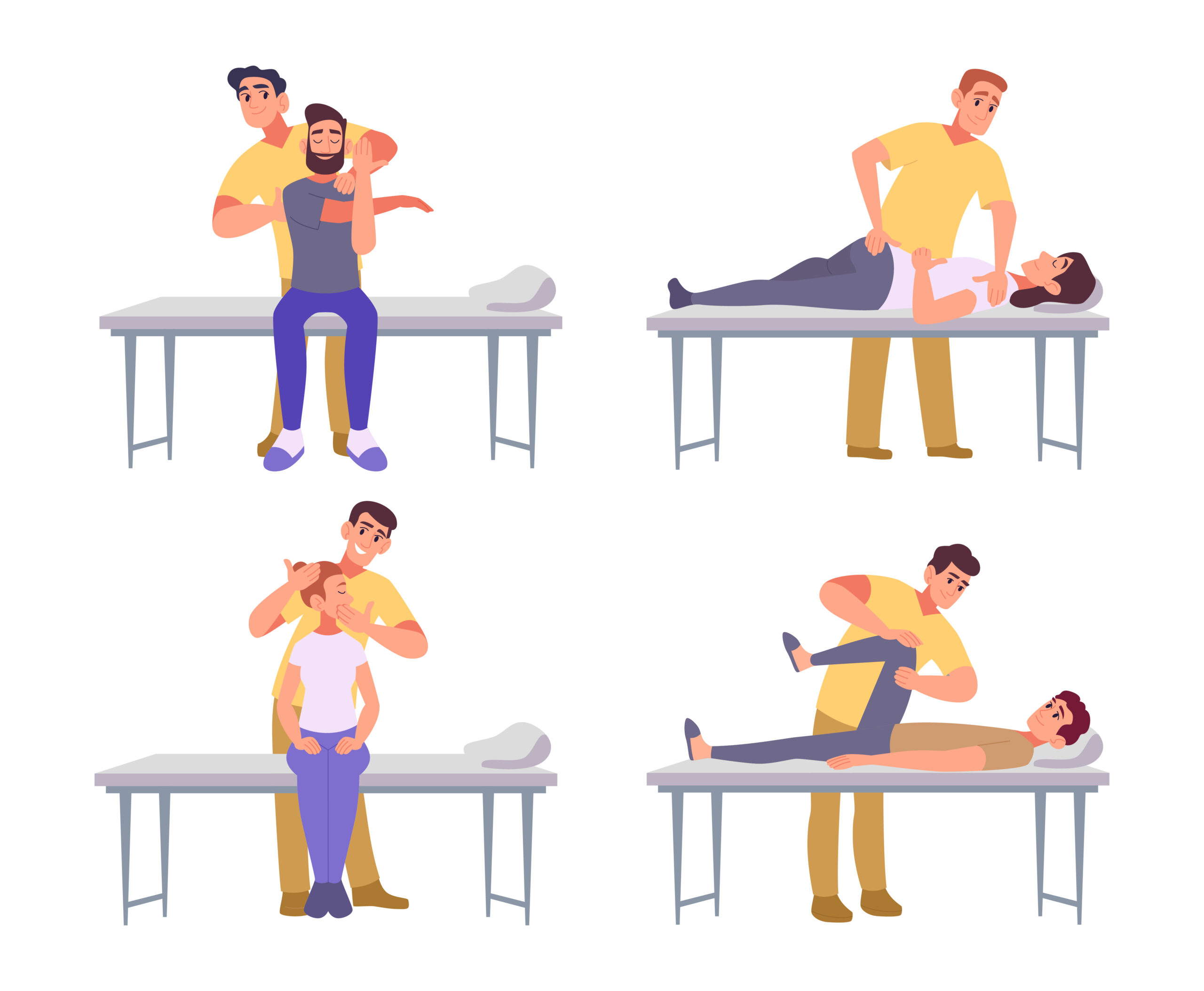
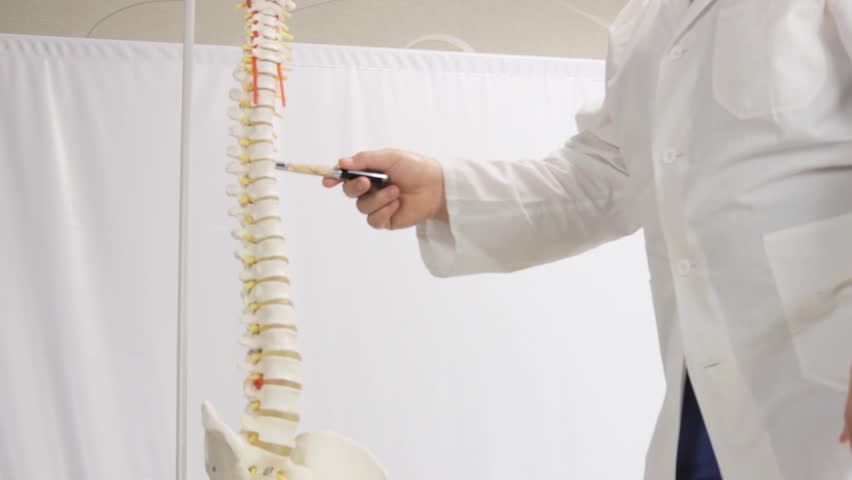
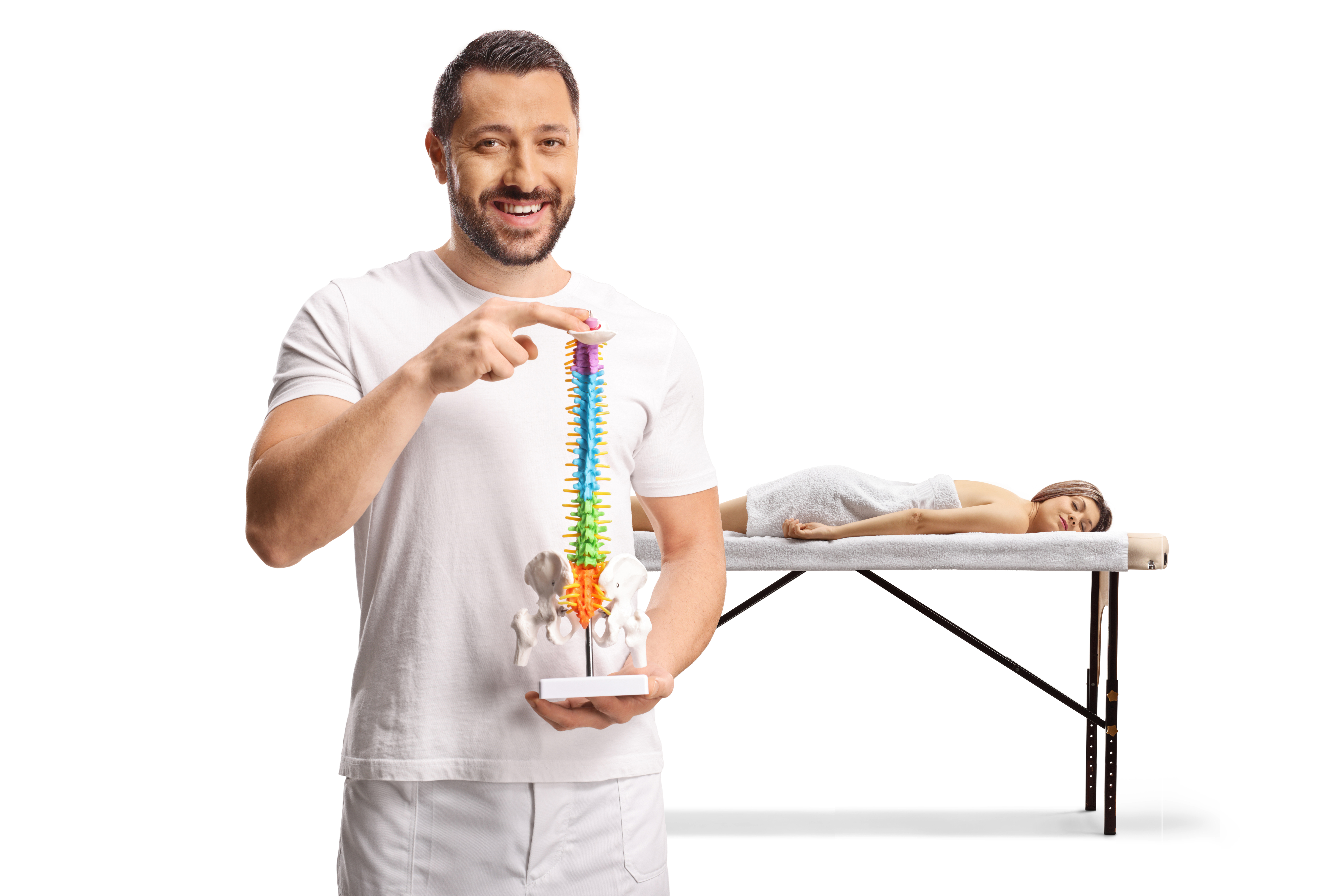
Spinal adjustments are a cornerstone of chiropractic care, designed to correct misalignments that may contribute to knee pain. When the spine is out of balance, it can create compensatory movements in the lower body, increasing stress on the knees. For example, a misaligned pelvis might shift weight unevenly, leading to localized pressure. Chiropractors use precise techniques to realign the spine, restoring proper nerve function and improving posture. This can help distribute weight more evenly, reducing strain on the knees. While adjustments alone may not eliminate pain, they often form the foundation of a broader strategy to address biomechanical inefficiencies.
Soft Tissue Techniques for Supporting Joint Function
Soft tissue therapies, such as Active Release Technique (ART) or Graston Technique, target muscles, ligaments, and fascia that may contribute to knee discomfort. These methods can relieve tension in the quadriceps, hamstrings, and IT band, which often becomes strained due to altered gait patterns caused by spinal misalignment. By improving flexibility and reducing muscle tightness, these techniques help restore balanced movement. Chiropractors may integrate such approaches to complement spinal adjustments, ensuring that surrounding structures support proper biomechanics. This holistic strategy addresses both structural and soft tissue factors that influence knee health.
Postural Reassessment and Gait Analysis
Chiropractors often assess posture and gait to identify how weight distribution affects the knees. Poor posture, such as excessive lumbar curvature or forward head positioning, can create compensatory shifts that overload joints. A thorough evaluation may reveal how these patterns interact with spinal alignment to worsen knee pain. By correcting postural imbalances through targeted adjustments and exercises, chiropractors aim to reduce abnormal stress on the knees. This process emphasizes the interconnected nature of the body, where even subtle changes in posture can have significant impacts on joint health and mobility.
Decompression Therapy for Nerve and Joint Relief
Decompression therapy may be used to relieve pressure on spinal nerves that contribute to knee discomfort. When the spine is misaligned, it can compress nerves that send signals to the lower extremities, potentially leading to pain or dysfunction. This therapy involves gently stretching the spine to create space between vertebrae, reducing nerve irritation. While primarily focused on the spine, decompression can indirectly benefit the knees by improving overall nervous system function. It is often part of a multi-faceted approach to address biomechanical issues that arise from spinal imbalances.
Collaborative Care for Long-Term Biomechanical Health
Managing weight-related knee pain through chiropractic care often requires a personalized plan that integrates multiple techniques. A chiropractor may combine spinal adjustments, soft tissue work, and postural corrections to address the root causes of discomfort. While these methods focus on biomechanics rather than weight loss, they can enhance overall mobility and reduce pain. Patients are encouraged to discuss their specific needs with a qualified provider to determine the most effective strategies. This collaborative approach ensures that care is tailored to individual circumstances, promoting long-term musculoskeletal health.