Understanding Non-Opioid Post-Surgical Pain Management
Post-surgical recovery often involves managing pain without relying on opioids, which carry risks of dependency and side effects. Non-opioid techniques focus on addressing pain through physical, psychological, and therapeutic interventions. These methods aim to reduce inflammation, improve mobility, and support the body’s natural healing processes. While individual responses vary, many patients find relief through a combination of approaches. It’s important to consult with a healthcare provider to determine the most suitable options for your specific situation. This article explores common non-pharmacological strategies that may complement traditional recovery protocols.
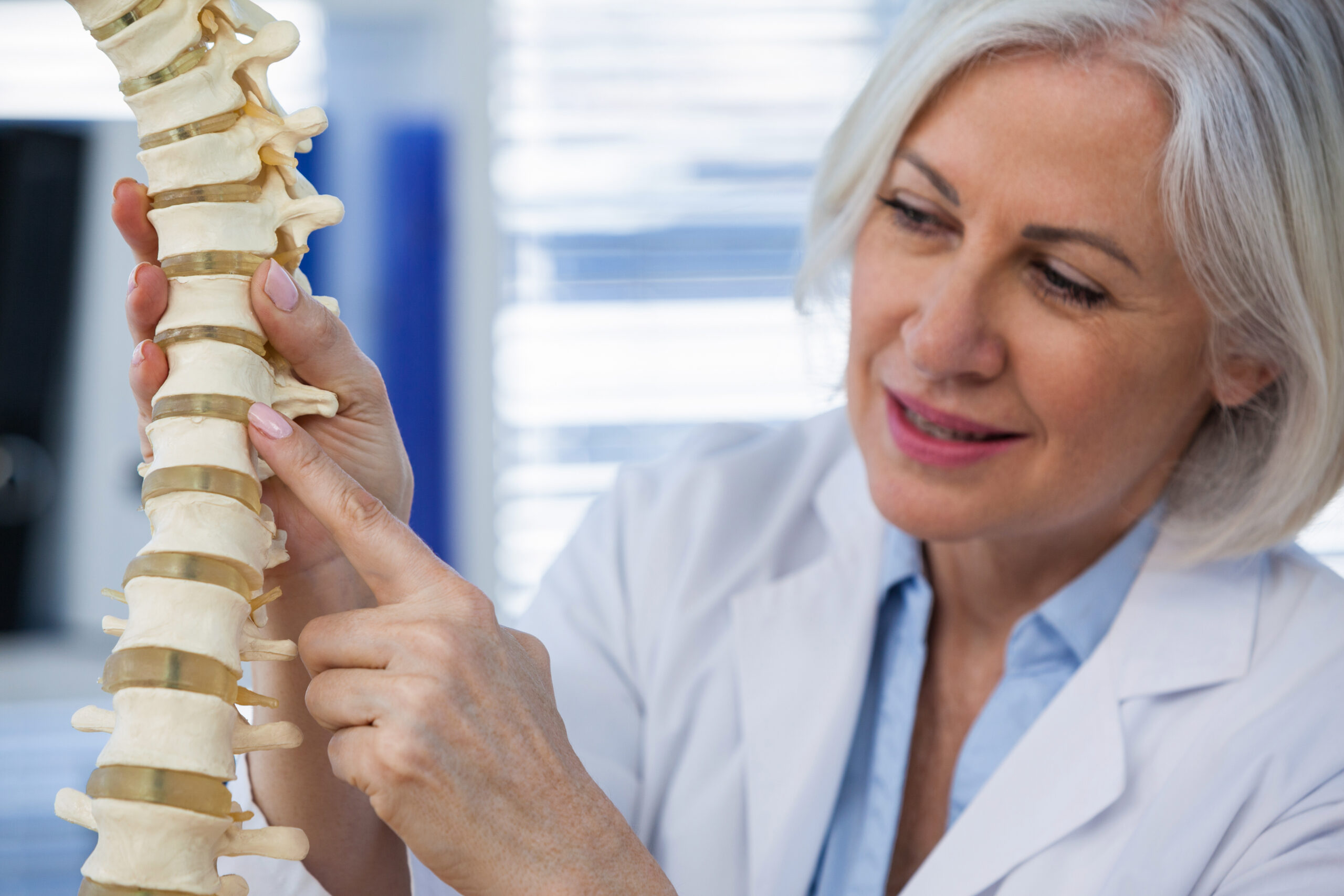
Chiropractic Adjustments and Spinal Manipulation
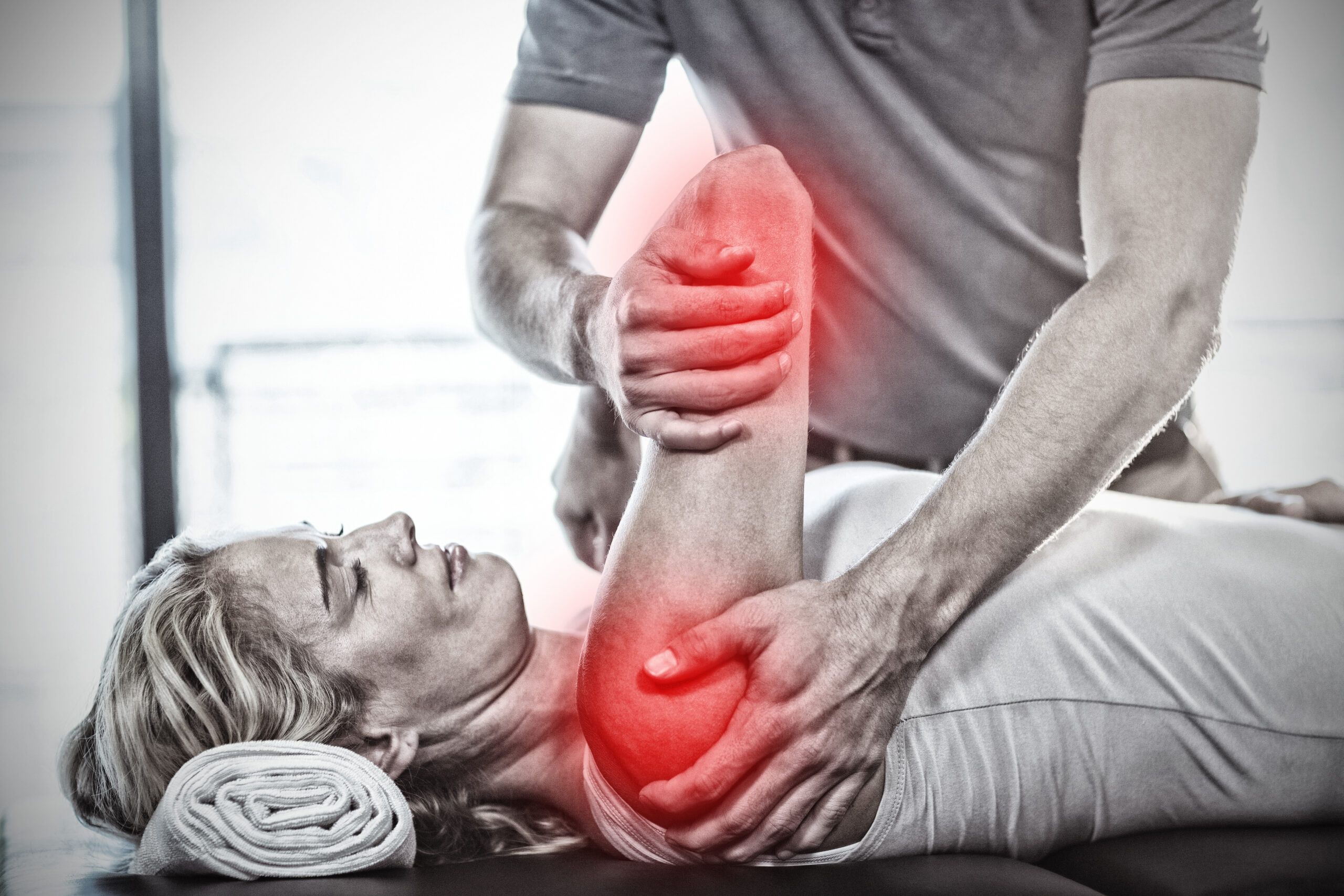
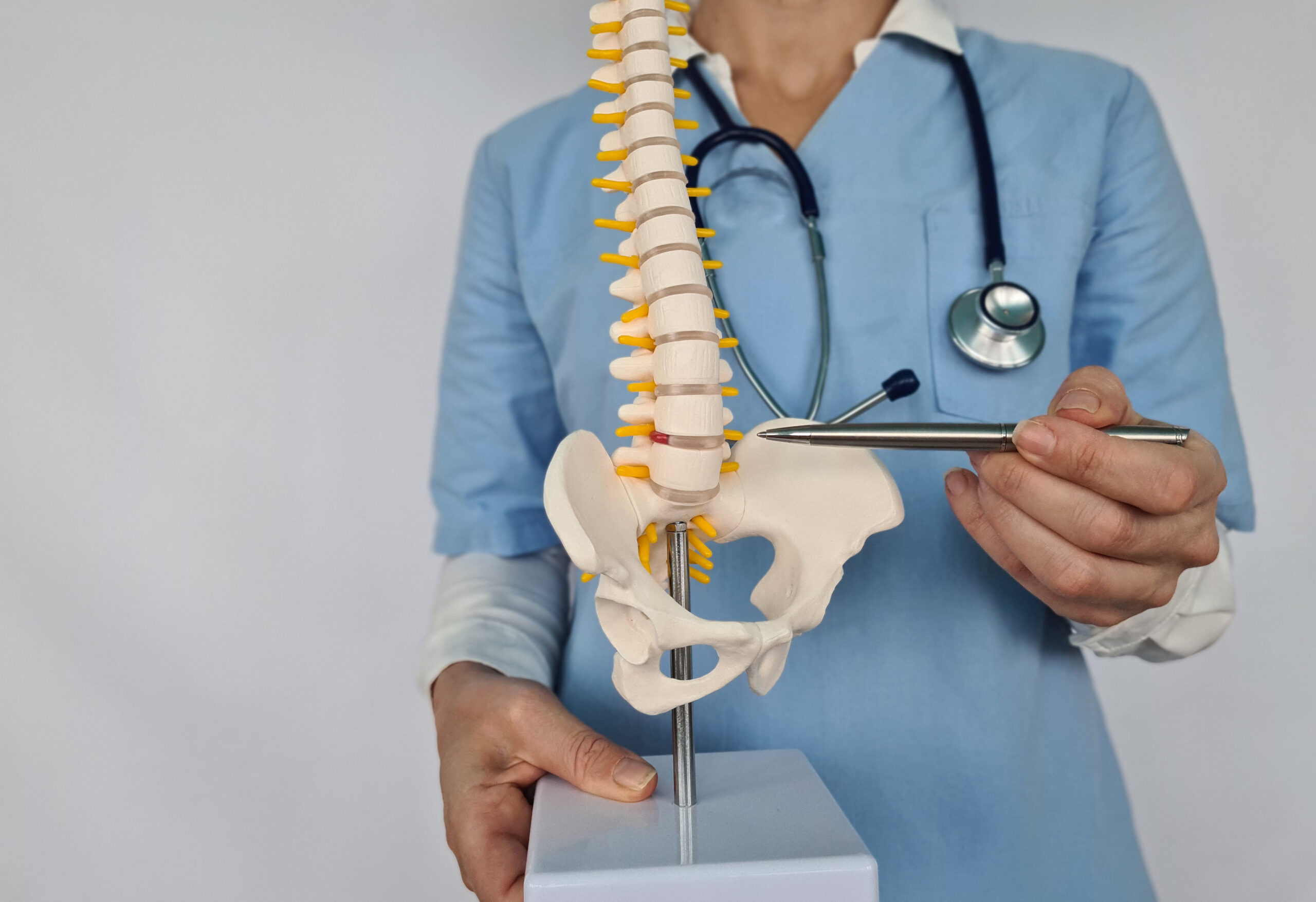
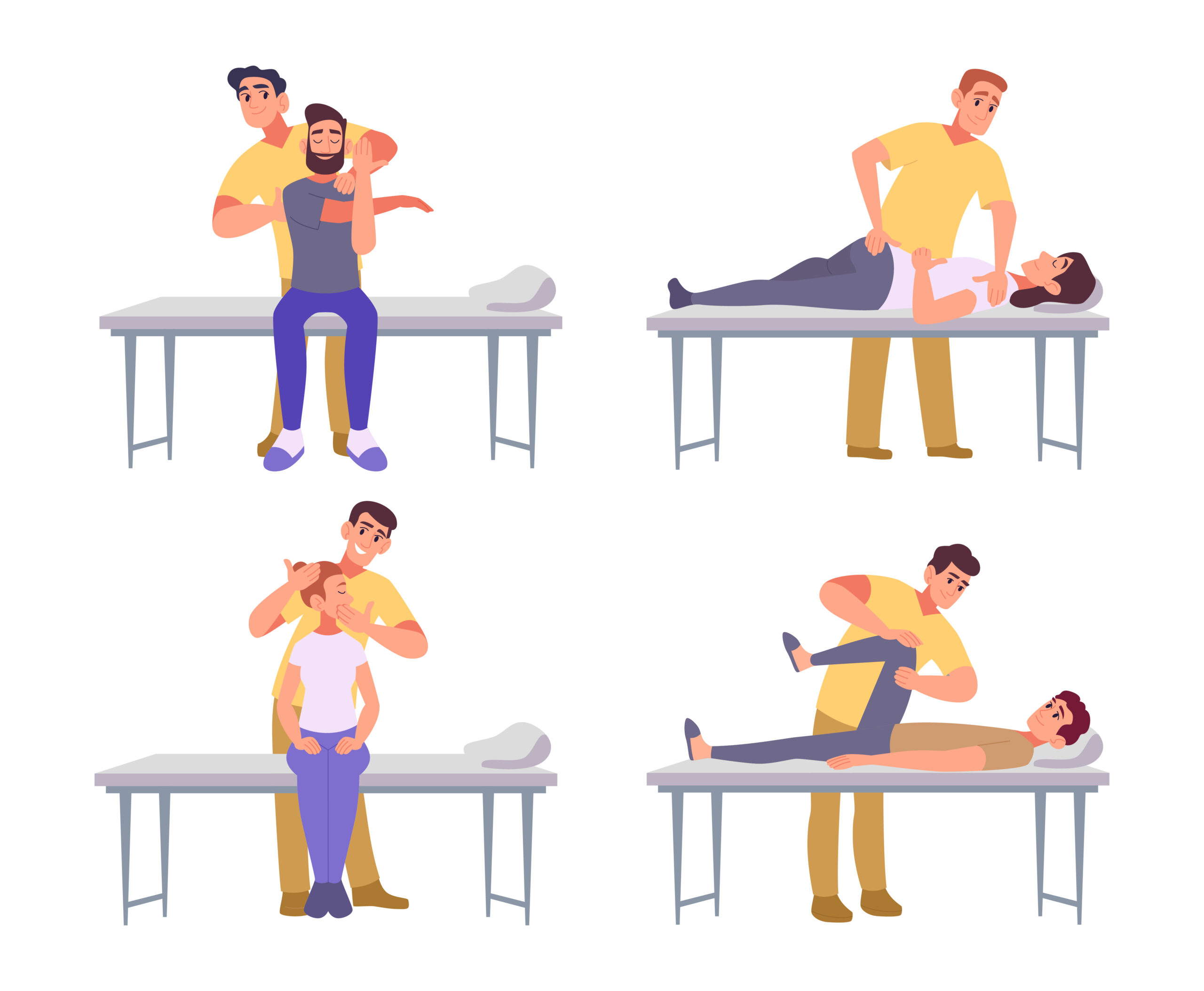
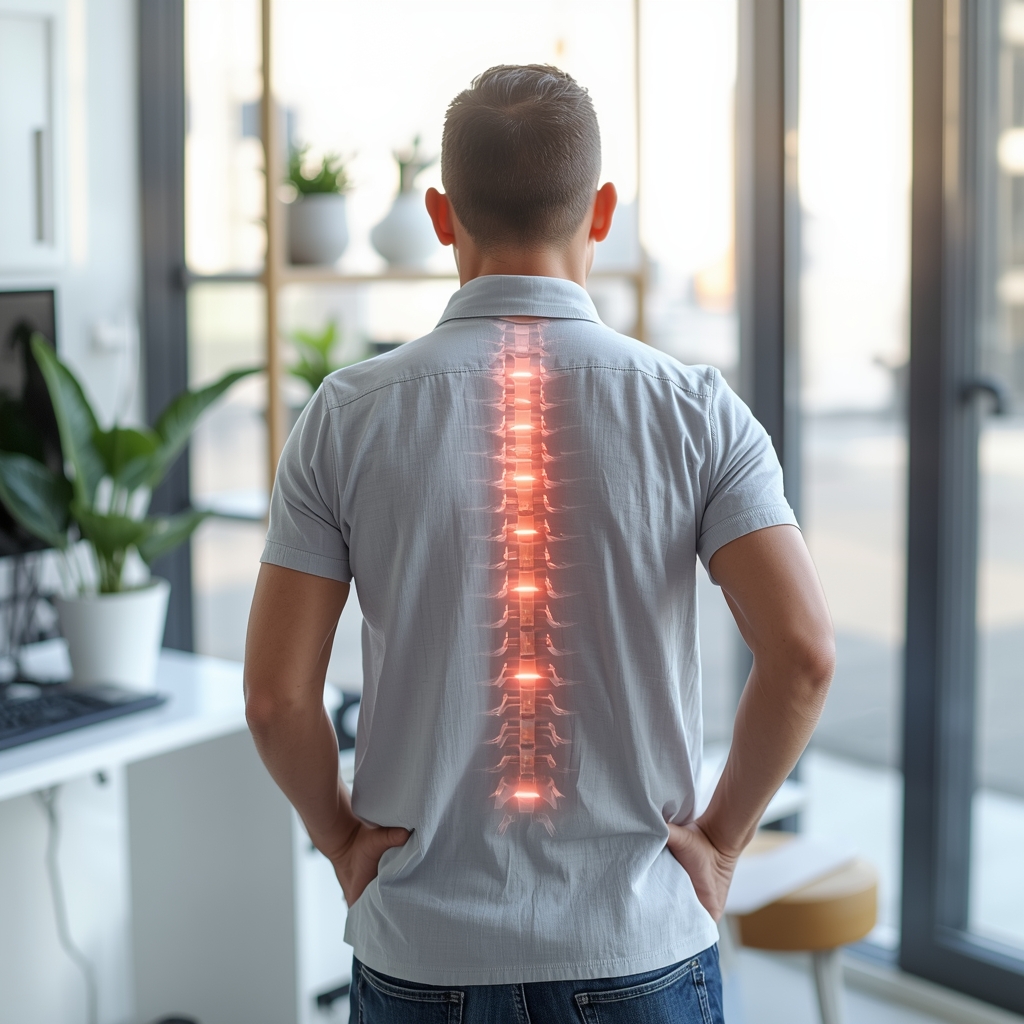
Chiropractic care focuses on aligning the musculoskeletal system to alleviate pain and enhance recovery. Spinal adjustments can reduce pressure on nerves, improve joint function, and promote better posture, which may ease discomfort after surgery. By restoring proper biomechanics, these techniques can support the body’s ability to heal itself. Many patients report reduced pain and improved mobility following chiropractic sessions. However, it’s crucial to work with a licensed chiropractor who understands post-surgical care to ensure treatments are safe and appropriate for your condition.
Acupuncture and Dry Needling
Acupuncture, a traditional Chinese medicine practice, involves inserting thin needles into specific points on the body to stimulate natural pain-relieving mechanisms. Dry needling, a related technique, targets trigger points in muscles to release tension and reduce pain. Both methods are increasingly used in post-surgical recovery to manage discomfort and improve circulation. Research suggests these approaches may help reduce inflammation and enhance healing. While not a substitute for medical treatment, they can complement other therapies. Always seek a qualified practitioner with experience in post-operative care.
Physical Therapy and Exercise
Physical therapy plays a vital role in post-surgical rehabilitation by restoring strength, flexibility, and function. Customized exercise programs can reduce stiffness, prevent complications, and accelerate recovery. Techniques such as range-of-motion exercises, strengthening routines, and balance training are tailored to individual needs. Gentle movement helps circulation and reduces the risk of scar tissue formation. A physical therapist can guide patients through safe, effective exercises that align with their recovery goals. Consistency and adherence to prescribed routines are key to maximizing benefits.
Cold Laser Therapy and Ultrasound
Cold laser therapy uses low-level light to stimulate cellular function and reduce inflammation, offering a non-invasive option for pain relief. Ultrasound therapy employs sound waves to penetrate deep tissues, promoting healing and easing discomfort. Both techniques are often used in conjunction with other treatments to enhance recovery. They may help reduce swelling, improve blood flow, and accelerate tissue repair. While research on their efficacy continues, many patients find these modalities beneficial. A healthcare provider can assess whether these therapies are suitable for your specific surgical procedure and recovery stage.
Mind-Body Techniques and Psychological Support
Stress and anxiety can exacerbate pain perception, making psychological approaches valuable in post-surgical care. Techniques such as mindfulness meditation, guided imagery, and deep breathing exercises help manage pain by calming the nervous system. Cognitive-behavioral strategies can also reframe pain experiences and improve coping mechanisms. Support groups or counseling may provide emotional relief and practical advice. Integrating these practices with physical therapies can create a holistic recovery plan. Always discuss these methods with your care team to ensure they align with your overall treatment strategy.