Complementary Approaches to Chronic Lower Back Pain
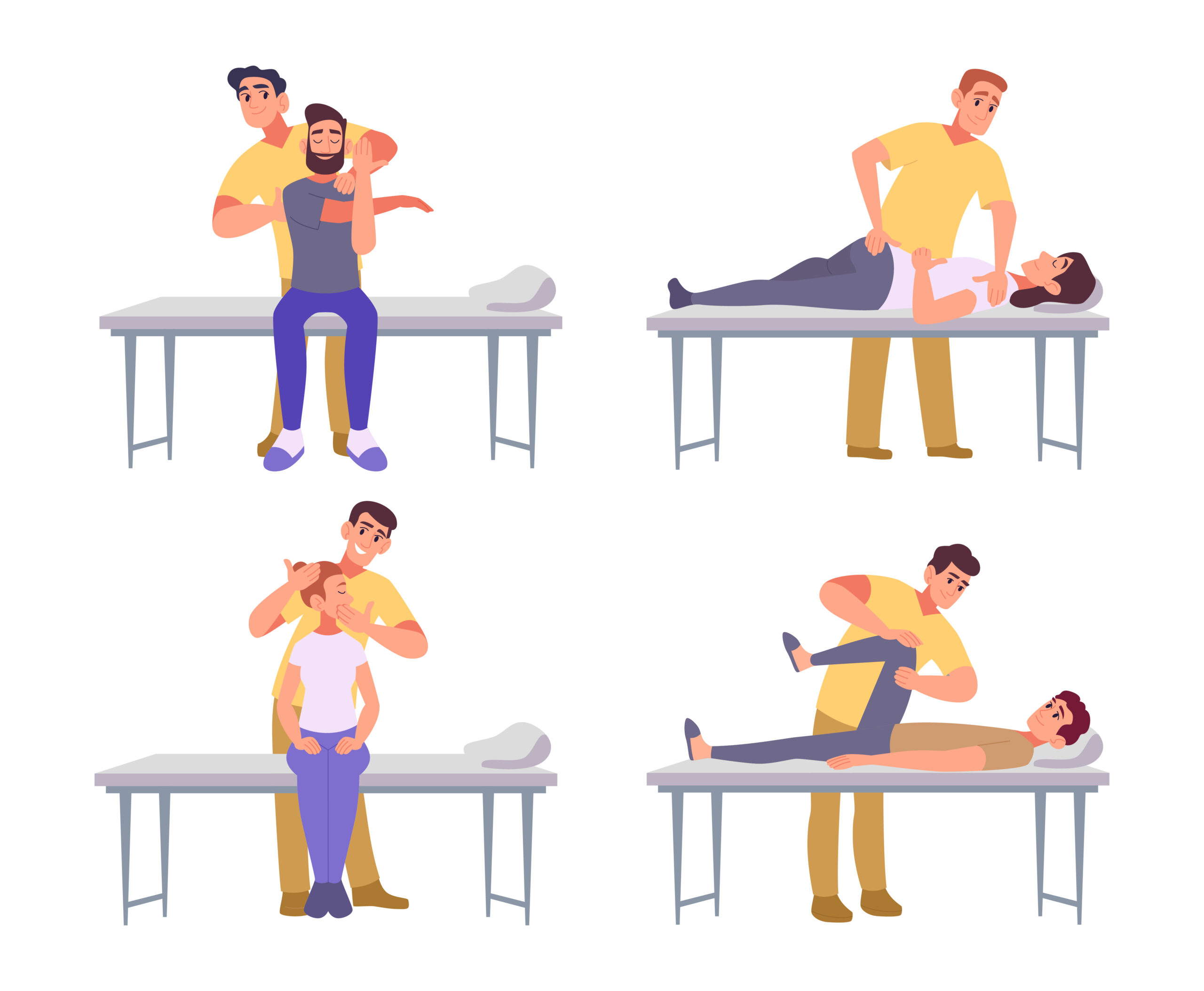
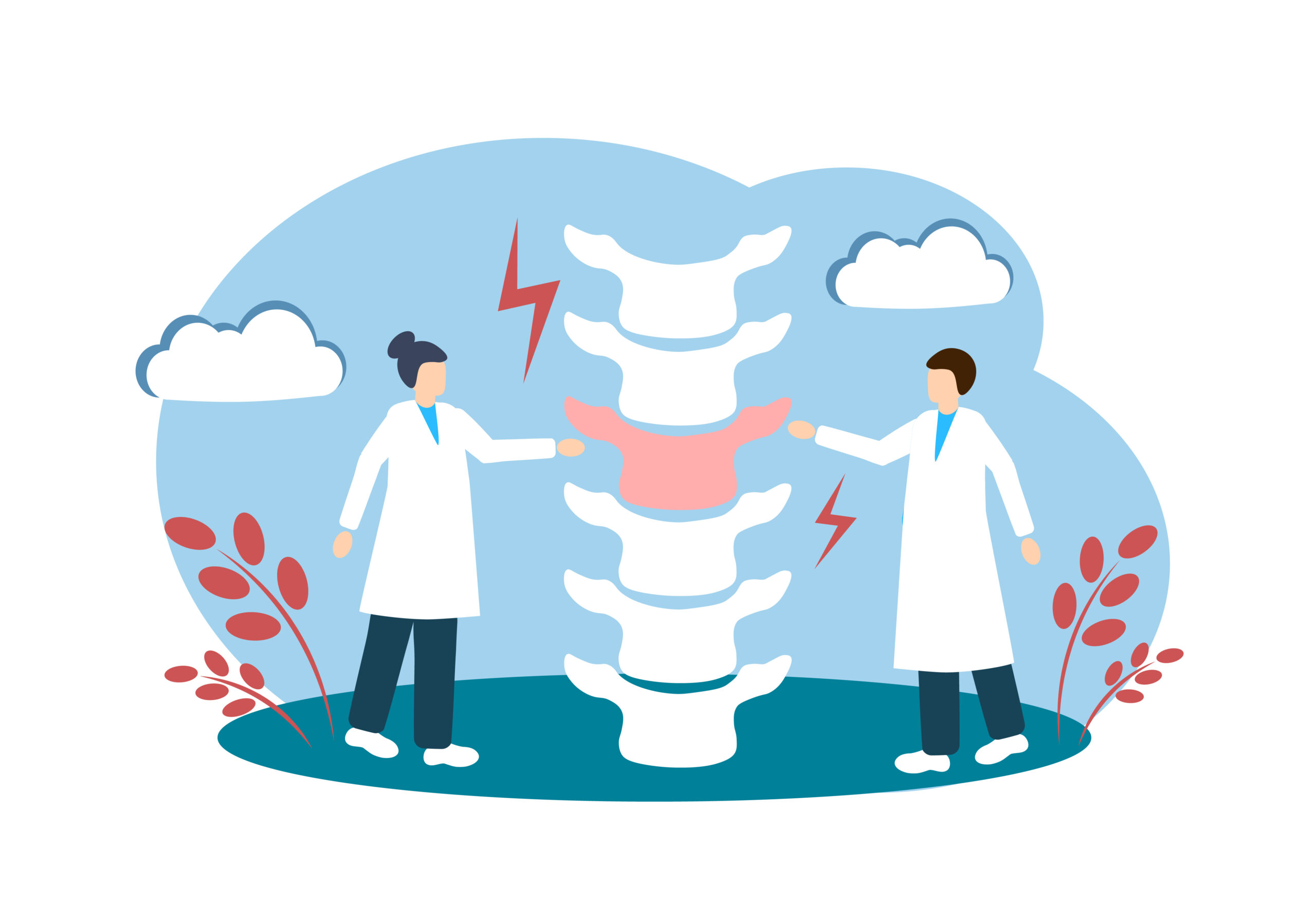
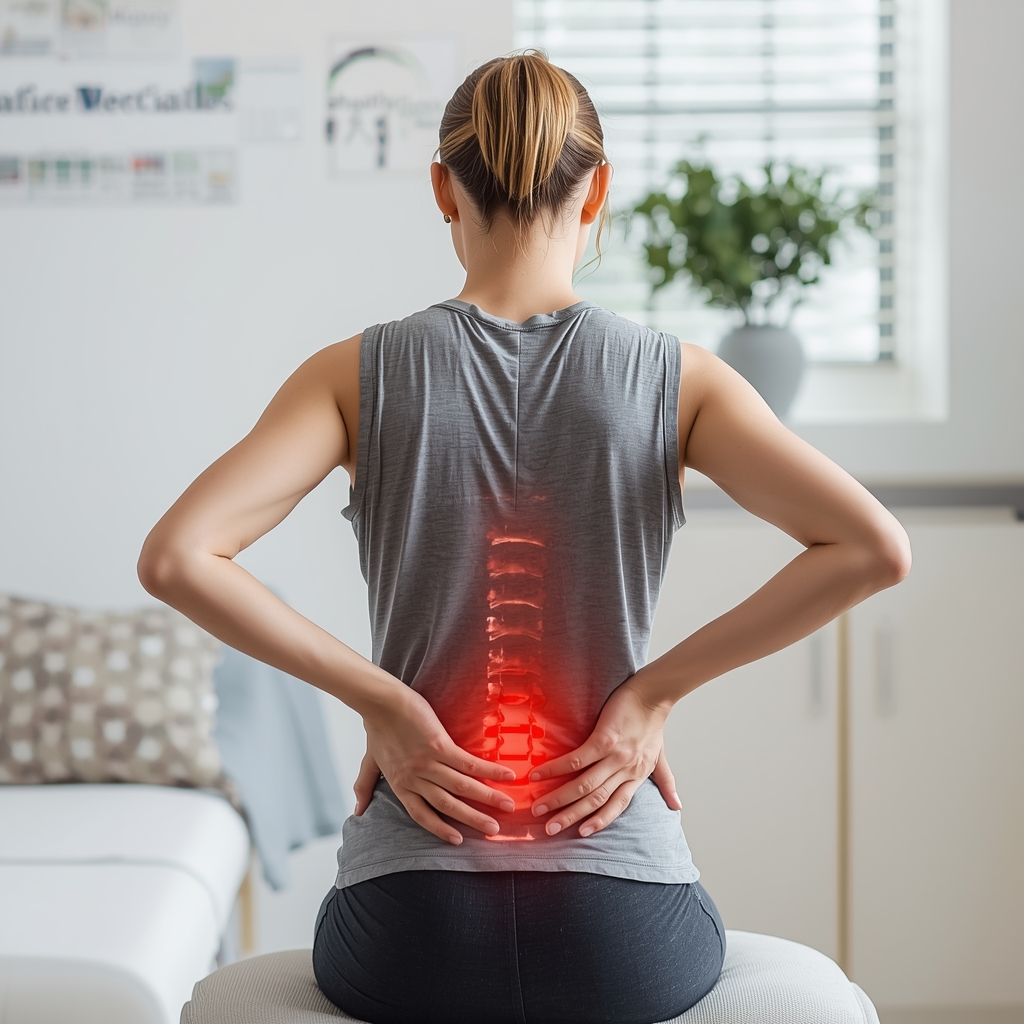
Chiropractors and massage therapists address chronic lower back pain through distinct yet complementary methods. Chiropractors focus on spinal alignment, joint mobility, and nervous system function, often using adjustments to relieve pressure on nerves and improve structural balance. Massage therapists target soft tissues, reducing muscle tension, improving circulation, and alleviating pain through techniques like deep tissue work, myofascial release, or trigger point therapy. Together, these approaches can address both mechanical and muscular contributors to chronic pain. For example, a chiropractic adjustment might correct spinal misalignments, while massage therapy can ease surrounding muscle tightness that exacerbates discomfort. This synergy can lead to more comprehensive pain relief and faster recovery. By combining their expertise, practitioners can create a holistic treatment plan that tackles pain from multiple angles, supporting long-term wellness for patients with persistent lower back issues.
Communication and Coordination Between Disciplines
Effective collaboration begins with open communication between chiropractors and massage therapists. Regular case discussions, shared patient records (with consent), and coordinated care plans ensure both professionals align their efforts. For instance, a chiropractor might inform a massage therapist about specific spinal adjustments to avoid, while the therapist can share insights about muscle imbalances or areas of tenderness. This exchange allows for tailored treatments that avoid conflicting interventions. Practitioners can also agree on follow-up schedules to monitor progress and adjust strategies as needed. By maintaining transparency, both disciplines can optimize outcomes and prevent potential complications. Patients benefit from a unified approach that respects each professional’s role, fostering trust and consistency in their care. Such coordination is especially vital for chronic conditions, where long-term management requires ongoing collaboration and adaptability.
Integrated Treatment Plans for Chronic Lower Back Pain
Developing integrated treatment plans involves combining chiropractic and massage therapy techniques to address chronic lower back pain holistically. A chiropractor might begin with spinal adjustments to correct misalignments, while a massage therapist works on loosening tight muscles that strain the spine. Over time, the plan could evolve to include exercises for core strength, ergonomic recommendations, or lifestyle modifications. For example, a patient might receive weekly adjustments paired with biweekly massage sessions to manage pain and prevent recurrence. Practitioners can also collaborate on home care advice, such as stretching routines or posture corrections. This multidimensional approach not only targets immediate symptoms but also addresses underlying factors contributing to chronic pain. By aligning their strategies, chiropractors and massage therapists can create a sustainable care model that supports long-term relief and functional improvement for patients.
Patient Education and Empowerment
Empowering patients through education is a cornerstone of collaborative care for chronic lower back pain. Chiropractors and massage therapists can jointly inform patients about the benefits of their combined approaches, explaining how each modality contributes to pain relief and recovery. For instance, patients might learn how spinal adjustments reduce nerve irritation while massage therapy eases muscle spasms. Educating patients on self-care practices—such as proper lifting techniques, posture awareness, or at-home stretching—can enhance treatment outcomes. Practitioners can also guide patients in recognizing warning signs that require professional attention, fostering proactive engagement in their health. By fostering open dialogue, providers help patients feel informed and involved in their care. This shared understanding strengthens adherence to treatment plans and encourages patients to take an active role in managing their chronic pain, leading to better long-term results.
Case Studies and Real-World Applications
While specific patient cases remain confidential, general examples illustrate how chiropractors and massage therapists collaborate effectively. A patient with chronic lower back pain might first receive chiropractic adjustments to realign the spine, followed by massage sessions to relieve surrounding muscle tension. Over time, the team might incorporate corrective exercises to strengthen core muscles and improve posture. In another scenario, a patient with sciatica could benefit from a combination of spinal decompression techniques and targeted soft tissue work to reduce nerve compression. These integrated approaches often lead to reduced reliance on medication and improved mobility. By sharing anonymized success stories, practitioners can demonstrate the value of collaboration, encouraging patients to embrace multidisciplinary care. Such examples highlight how combining expertise can create personalized, effective solutions for complex chronic pain conditions.
Challenges and Considerations in Collaboration
Despite its benefits, collaboration between chiropractors and massage therapists requires careful navigation of potential challenges. Differing treatment philosophies, insurance coverage limitations, or communication barriers may arise. For example, a patient’s insurance might cover only one modality, complicating coordinated care. Practitioners must also ensure that their interventions align to avoid conflicting effects, such as overstimulating muscles after an adjustment. Building trust and mutual respect between disciplines is essential for overcoming these hurdles. Establishing clear protocols for patient referrals, treatment sequencing, and progress tracking can streamline collaboration. Additionally, staying informed about each other’s techniques fosters better synergy. By addressing these challenges proactively, chiropractors and massage therapists can create a cohesive care environment that prioritizes patient well-being while navigating practical constraints.