Unique Physical Strains from Military Service
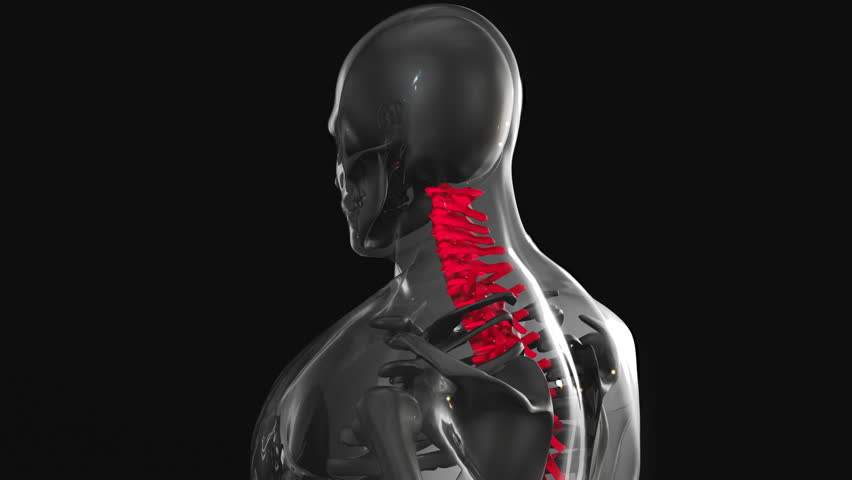
Veterans often face distinct spinal challenges due to the physical demands of military life. Combat training, heavy equipment lifting, and prolonged periods in restrictive gear can lead to musculoskeletal imbalances. Many experience chronic pain from past injuries, such as concussions or lower-back strain, which may persist long after service. Additionally, repetitive motions and high-impact activities increase the risk of conditions like herniated discs or joint degeneration. These factors create a complex landscape for spinal health, requiring tailored care that addresses both acute and long-term effects of service. Chiropractors play a critical role in identifying these unique stressors and developing strategies to mitigate their impact on the spine.
Psychological and Emotional Factors
Post-traumatic stress disorder (PTSD) and other mental health challenges are prevalent among veterans, often exacerbating spinal issues. Stress and anxiety can lead to muscle tension, poor posture, and heightened pain perception, creating a cycle of physical and emotional strain. Additionally, some veterans may avoid seeking care due to stigma or distrust in medical systems. Chiropractors can address these barriers by fostering a supportive environment and integrating holistic approaches that consider both mind and body. By acknowledging the interplay between psychological well-being and spinal health, practitioners can offer more comprehensive care that aligns with veterans’ unique needs.
Customized Treatment Plans for Complex Needs
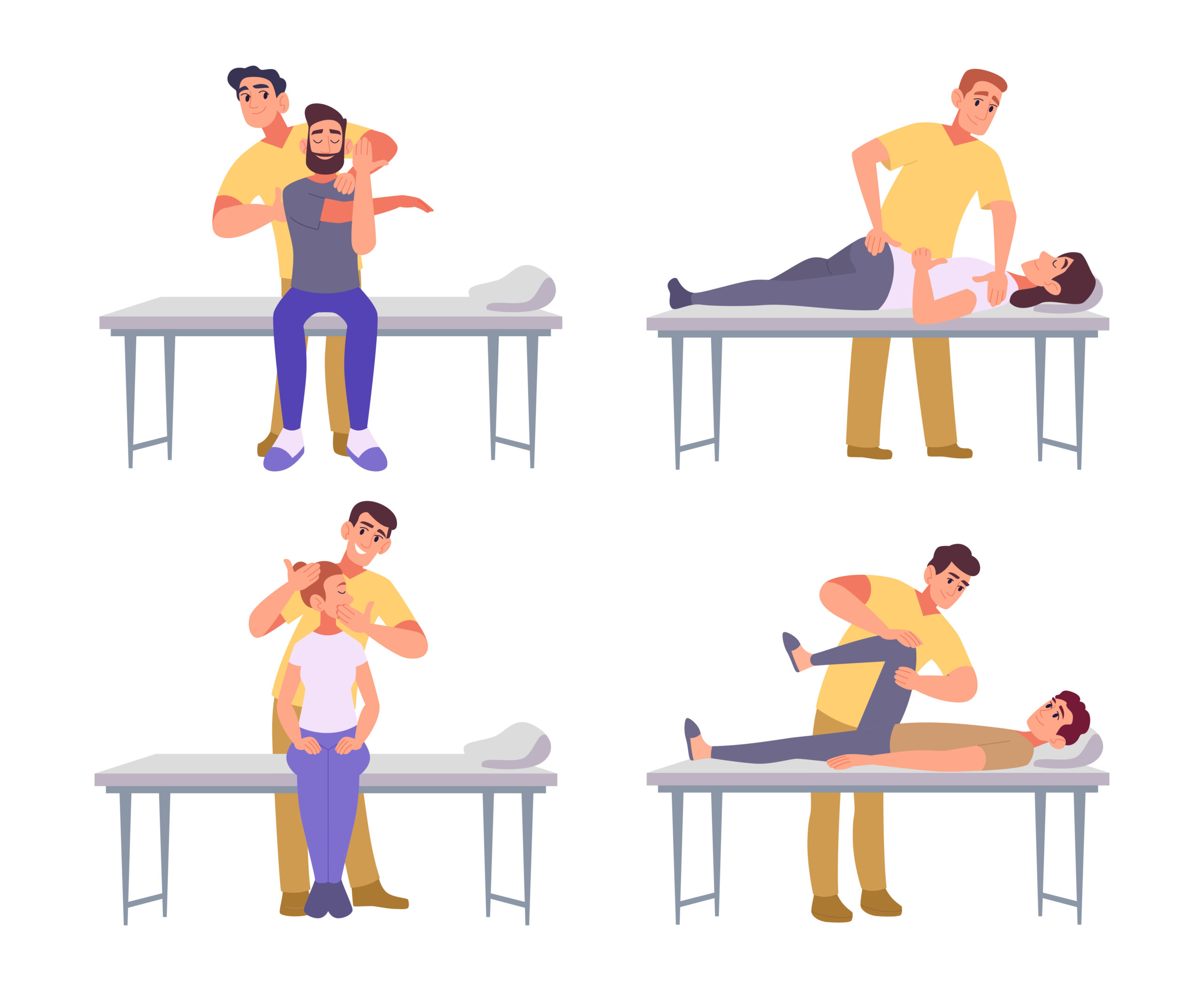
Each veteran’s spinal health journey is shaped by their service history, injuries, and personal health goals. Chiropractors must create individualized treatment plans that account for factors like prior surgeries, medication use, or coexisting conditions. For example, a veteran with a history of spinal fusion may require gentler adjustments, while someone with chronic pain might benefit from a combination of manual therapy and rehabilitative exercises. Building trust through open communication is essential, as veterans often have specific preferences or concerns. By prioritizing patient-centered care, chiropractors can help veterans navigate their recovery with confidence and clarity.
Collaboration with Multidisciplinary Care Teams
Effective spinal care for veterans often involves collaboration with other healthcare providers, such as physical therapists, pain specialists, and mental health professionals. Chiropractors can serve as key coordinators in this process, ensuring treatments align with broader health objectives. For instance, integrating chiropractic adjustments with physical therapy can enhance mobility, while addressing psychological factors through referrals may reduce stress-related spinal tension. This teamwork approach not only improves outcomes but also empowers veterans to take an active role in their care. Open dialogue between providers helps avoid conflicting treatments and fosters a cohesive, patient-focused strategy.
Addressing Long-Term Recovery and Prevention
Many veterans face long-term spinal challenges that require ongoing management rather than one-time solutions. Chiropractors can emphasize preventive care through education on posture, ergonomics, and low-impact exercise to reduce future strain. Regular check-ups and maintenance adjustments may also help monitor progress and address emerging issues before they escalate. For veterans with conditions like degenerative disc disease, a proactive approach can slow progression and improve quality of life. By focusing on both recovery and prevention, chiropractors support veterans in maintaining spinal health throughout their lives, adapting care as their needs evolve.
Encouraging Access to Specialized Care
Despite the benefits of chiropractic care, some veterans may face barriers to accessing specialized services, such as geographic limitations or lack of awareness. Chiropractors can advocate for veterans by partnering with VA facilities or community programs to expand availability. Educating veterans about the role of chiropractic care in managing pain and improving mobility is also critical. By fostering partnerships and promoting awareness, practitioners help ensure veterans receive the support they need. Ultimately, a commitment to accessibility and education empowers veterans to make informed choices about their spinal health and overall well-being.