Understanding Whiplash-Associated Disorders
Whiplash-associated disorders (WAD) result from sudden, forceful neck movements, often due to car accidents or sports injuries. These injuries can cause pain, stiffness, and reduced mobility in the cervical spine. While symptoms may resolve within weeks, some individuals experience chronic issues. Cervical spine mobilization—a technique involving controlled, gentle movements—aims to restore normal range of motion and alleviate discomfort. This approach is often part of a broader recovery plan, focusing on reducing inflammation, improving blood flow, and retraining muscle function. Understanding WAD’s complexity helps patients and providers tailor effective interventions, ensuring a balanced strategy that addresses both immediate and long-term needs.
The Mechanism of Cervical Spine Mobilization
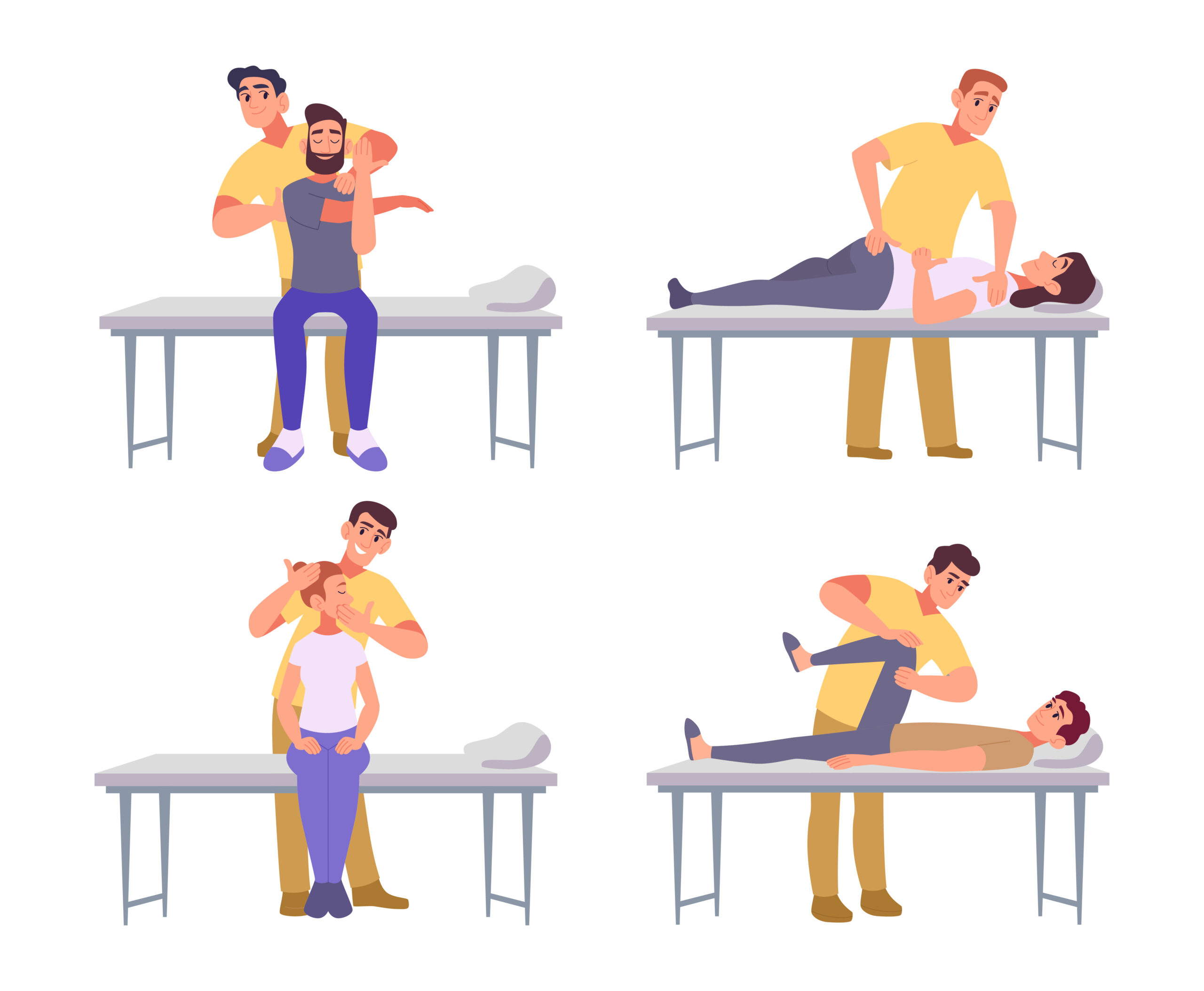
Cervical spine mobilization involves skilled, passive movements of the neck joints to improve flexibility and reduce pain. Practitioners use varying degrees of force, depending on the patient’s condition, to target restricted areas. This technique can help relieve pressure on nerves, decrease muscle tension, and enhance joint function. By restoring proper alignment, mobilization may also reduce the risk of secondary complications like headaches or radiating arm pain. While not a standalone solution, it works by addressing mechanical dysfunctions in the cervical spine. Patients often report improved comfort and mobility after sessions, though outcomes vary based on injury severity and individual response. Combining this with other therapies ensures a comprehensive approach to recovery.
Integrating Mobilization With Physical Therapy
Physical therapy complements cervical mobilization by strengthening neck muscles and improving posture. Therapists design exercises to enhance stability, flexibility, and endurance, which support the spine’s natural alignment. Techniques like resistance training, stretching, and posture correction help prevent future injuries and reduce recurrence risks. When combined with mobilization, these exercises address both structural and functional limitations. For example, mobilization may loosen tight joints, while therapy builds the strength needed to maintain proper movement patterns. This synergy promotes faster healing and long-term resilience. Patients often see better results when mobilization is part of a multidisciplinary plan, emphasizing the importance of coordinated care.
Combining With Manual Therapies and Modalities
Chiropractors frequently pair cervical mobilization with manual therapies like soft tissue work or trigger point therapy to address muscle tightness. These methods relieve pain and improve circulation, supporting the spine’s recovery. Modalities such as heat, ice, or electrical stimulation may also be used to reduce inflammation and ease discomfort. For instance, heat therapy can relax muscles before mobilization, while ice minimizes swelling afterward. Such combinations create a holistic approach, targeting multiple aspects of injury recovery. By integrating these techniques, practitioners address both acute symptoms and underlying issues, fostering a more balanced and effective treatment strategy.
Patient Considerations and Safety
While cervical mobilization is generally safe, it requires careful assessment to avoid complications. Patients with certain conditions, like severe osteoporosis or spinal instability, may need modified approaches. A qualified chiropractor evaluates each case to determine the appropriate technique and intensity. Open communication between patient and provider is crucial to monitor progress and adjust the plan as needed. Adhering to professional guidance ensures safety and optimizes outcomes. Patients should also be aware of potential temporary discomfort during or after sessions, which typically subsides with time. Prioritizing individualized care helps maximize the benefits of mobilization while minimizing risks.
Conclusion: A Holistic Approach to Recovery
Cervical spine mobilization plays a supportive role in recovering from whiplash by addressing mechanical restrictions and promoting mobility. When integrated with physical therapy, manual techniques, and other modalities, it contributes to a comprehensive recovery strategy. This multidisciplinary approach acknowledges the complexity of WAD, combining targeted interventions to restore function and reduce pain. Patients benefit from tailored plans that evolve with their progress, ensuring sustained improvement. While mobilization is a valuable tool, its effectiveness depends on collaboration with healthcare providers. By embracing a holistic perspective, individuals can navigate recovery more effectively and regain their quality of life.