Core Philosophy of Chiropractic Holistic Health
Chiropractic care is rooted in the belief that the body has an innate ability to heal itself when the nervous system functions optimally. Central to this philosophy is the idea that misalignments in the spine, known as vertebral subluxations, can interfere with nerve communication, leading to health issues. Chiropractors focus on restoring proper spinal alignment through manual adjustments, aiming to remove these interferences. This approach emphasizes the interconnectedness of the body’s systems, viewing health as a balance between physical, emotional, and environmental factors. Unlike traditional medicine, which often targets symptoms with drugs or surgery, chiropractic care prioritizes natural, non-invasive methods to support the body’s self-regulating mechanisms. This foundational principle underscores the holistic nature of chiropractic practice, addressing the root causes of discomfort rather than merely alleviating symptoms.
Focus on the Nervous System and Spinal Alignment
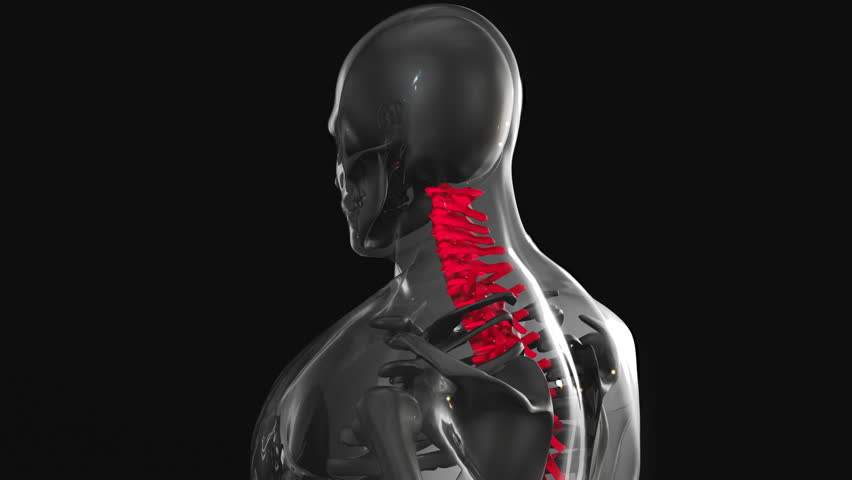
The nervous system serves as the central communication network for the body, and chiropractic care centers on its health. Spinal misalignments can compress nerves, disrupting signals between the brain and organs, muscles, and tissues. By correcting these misalignments, chiropractors aim to enhance nervous system function, which may improve overall health. This focus on the spine as a key regulator of bodily functions distinguishes chiropractic from conventional medical approaches, which typically address specific symptoms or conditions. While traditional medicine often relies on pharmaceuticals or surgical interventions, chiropractic prioritizes manual adjustments to restore balance. This emphasis on the nervous system reflects a broader philosophy that the body’s structure directly influences its function, making spinal health a cornerstone of holistic wellness.
Manual Adjustments as a Primary Intervention
Spinal manipulation, or chiropractic adjustments, is a hallmark of the profession. These precise, controlled movements aim to realign the spine and relieve pressure on nerves, promoting optimal function. Unlike medical treatments that may involve drugs or invasive procedures, adjustments are non-pharmacological and minimally invasive. Chiropractors use their hands or specialized tools to apply targeted force to specific joints, restoring mobility and reducing pain. This technique is often used for conditions like back pain, headaches, and joint dysfunction. While traditional medicine may rely on imaging or medication, chiropractic care emphasizes hands-on, patient-centered interventions. The goal is not just to manage symptoms but to address structural imbalances that may contribute to long-term health challenges, aligning with the profession’s holistic ethos.
Holistic Approach to Patient Well-Being
Chiropractic care extends beyond physical symptoms, incorporating lifestyle, nutrition, and mental health into treatment plans. Practitioners often educate patients on posture, exercise, and ergonomic practices to support spinal health. This integrative approach recognizes that well-being is influenced by multiple factors, not just biomechanical issues. While traditional medicine may focus narrowly on diagnosing and treating specific conditions, chiropractors consider the whole person. For example, a patient with back pain might receive adjustments alongside advice on stress management or dietary changes. This broader perspective aligns with holistic health principles, aiming to enhance quality of life through comprehensive care. By addressing physical, emotional, and environmental elements, chiropractic care seeks to empower patients to take an active role in their health journey.
Differences From Traditional Medical Practices
Traditional medicine and chiropractic care differ in their underlying philosophies and treatment strategies. Conventional approaches often prioritize symptom management through medication or surgery, whereas chiropractic focuses on correcting structural imbalances. For instance, a patient with chronic back pain might receive painkillers or undergo surgery in a medical setting, while a chiropractor would explore spinal adjustments and lifestyle modifications. Additionally, chiropractic care emphasizes preventive care and patient education, encouraging self-management of health. Traditional medicine, by contrast, tends to respond to diagnosed conditions rather than proactively addressing risk factors. These distinctions highlight divergent views on health: one centered on intervention, the other on natural healing. Despite these differences, both fields aim to improve patient outcomes, often complementing each other in integrative care models.
Emphasis on Patient Education and Self-Management
Chiropractic care places significant importance on educating patients about their health and empowering them to take an active role in their recovery. Practitioners often discuss the relationship between spinal health, nervous system function, and overall well-being, helping patients understand how their lifestyle choices impact their condition. This approach contrasts with traditional medicine, where patients may rely more heavily on provider-led treatments. Chiropractors frequently recommend exercises, ergonomic adjustments, and stress-reduction techniques to support long-term wellness. By fostering self-awareness and responsibility, this model encourages patients to make informed decisions about their health. While traditional medicine may focus on diagnosing and treating specific issues, chiropractic care aims to build resilience and prevent future problems. This patient-centered philosophy reinforces the holistic nature of chiropractic practice, promoting sustainable health outcomes.