Understanding Adult Scoliosis and Degenerative Spinal Conditions
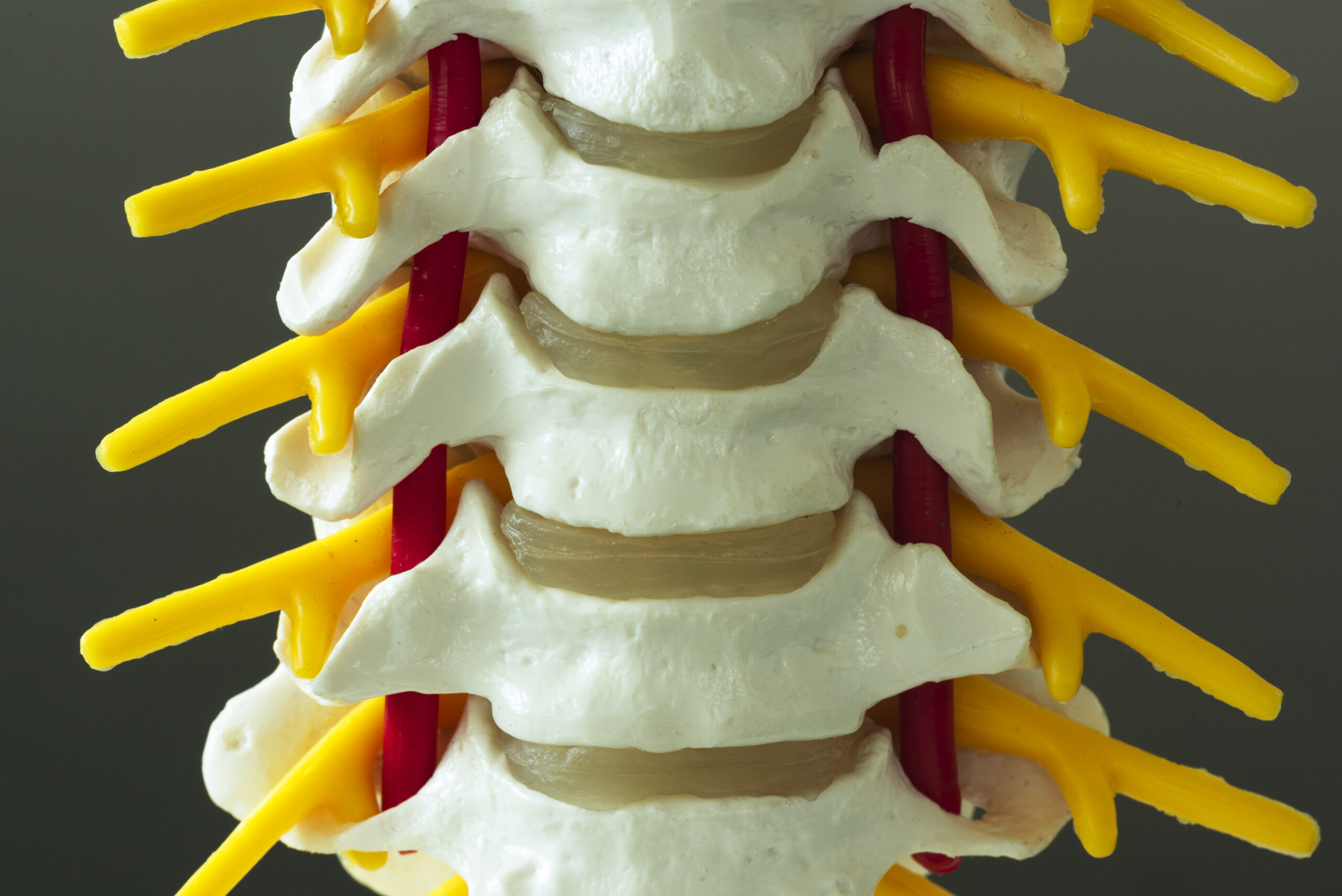
Adult scoliosis often develops due to age-related wear and tear, degenerative disc disease, or spinal instability. Unlike adolescent scoliosis, which involves structural changes during growth, adult cases typically stem from progressive spinal degeneration. Symptoms may include chronic back pain, reduced mobility, and nerve-related discomfort. Degenerative conditions like spinal stenosis or herniated discs can complicate scoliosis, creating a complex interplay of symptoms. Chiropractors focus on managing these issues through non-invasive methods, aiming to improve function and quality of life. A thorough evaluation is essential to differentiate scoliosis from other spinal disorders and to tailor a care plan that addresses both the curvature and degenerative changes.
Comprehensive Assessment and Diagnosis
Chiropractors begin by conducting a detailed patient history and physical examination to assess scoliosis severity and associated degenerative factors. Imaging studies, such as X-rays or MRI scans, may be used to evaluate spinal alignment, disc health, and nerve compression. This diagnostic process helps identify whether the curvature is structural or functional and determines the extent of degenerative changes. Accurate diagnosis is critical, as treatment approaches vary based on the underlying causes. Chiropractors collaborate with other healthcare providers when necessary, ensuring a multidisciplinary approach to care. This step ensures that interventions are safe and appropriate for the individual’s unique condition.
Non-Surgical Management Strategies
Chiropractic care for adult scoliosis often emphasizes non-surgical, conservative treatments. Spinal adjustments may help improve mobility and reduce pain by addressing misalignments that exacerbate symptoms. Soft tissue therapies, such as myofascial release, can alleviate muscle tension around the spine. Additionally, rehabilitative exercises may strengthen core muscles and support spinal stability. Chiropractors may also recommend ergonomic modifications or posture correction to ease daily discomfort. These approaches aim to manage symptoms and slow the progression of degenerative changes. However, treatment plans are always individualized, requiring ongoing evaluation and adjustments based on the patient’s response.
Spinal Adjustments and Joint Mobilization
Spinal adjustments are a cornerstone of chiropractic care for adult scoliosis. These techniques involve gentle manipulations to restore proper joint function and reduce nerve irritation. For patients with degenerative conditions, adjustments are tailored to be less forceful, focusing on improving alignment without exacerbating existing wear and tear. Joint mobilization techniques may also be used to enhance range of motion and alleviate stiffness. By addressing mechanical dysfunctions, chiropractors aim to decrease pain and improve overall spinal function. These interventions are often part of a broader strategy that includes lifestyle modifications and therapeutic exercises to support long-term wellness.
Complementary Therapies and Rehabilitation
Chiropractors may integrate complementary therapies to enhance treatment outcomes for adult scoliosis. Modalities like cold laser therapy or ultrasound can reduce inflammation and promote tissue healing. Corrective exercises, such as those targeting core strength and posture, help stabilize the spine and reduce strain on degenerated discs. Patients may also benefit from traction or decompression therapy to relieve pressure on nerves. These approaches are often used alongside spinal adjustments to address both structural and functional aspects of the condition. The goal is to create a balanced, sustainable care plan that supports the body’s natural healing processes while minimizing discomfort.
When to Seek Professional Guidance
Adults experiencing persistent back pain, numbness, or difficulty with daily activities should consult a chiropractor for evaluation. While chiropractic care can provide relief, it is not a substitute for medical advice in complex cases. Patients with severe degenerative changes or neurological symptoms should work with a healthcare team to explore all options. Chiropractors can offer valuable insights into non-surgical management but may refer patients to specialists for further assessment. Open communication with a qualified provider ensures that treatment aligns with the patient’s needs and goals. Regular follow-ups help monitor progress and adjust strategies as needed for optimal outcomes.