The Lumbar Spine’s Role in Postural Stability
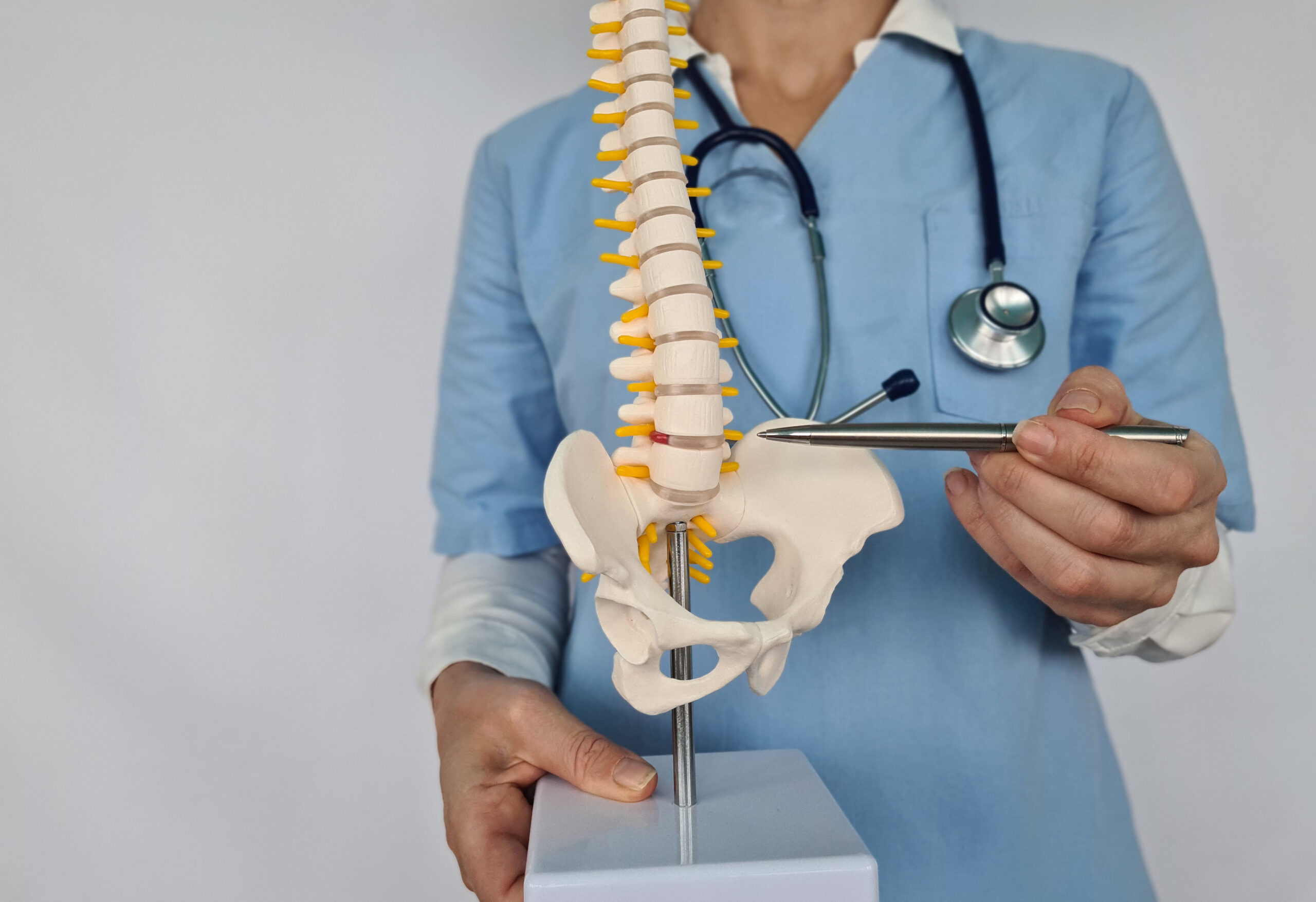
The lumbar spine, or lower back, serves as a critical foundation for overall postural stability. It acts as a bridge between the upper body and the pelvis, distributing weight and absorbing forces from daily movements. This region’s vertebrae, discs, and surrounding muscles work together to maintain an upright posture, balance, and flexibility. Proper alignment of the lumbar spine ensures even weight distribution, reducing strain on the hips, knees, and ankles. When the lumbar spine functions optimally, it supports efficient movement patterns and minimizes the risk of compensatory imbalances elsewhere in the body. Understanding its biomechanical role is essential for addressing postural issues and maintaining long-term musculoskeletal health.
Biomechanics of the Lumbar Spine
The lumbar spine’s structure is uniquely adapted to handle significant mechanical stress. Its large, robust vertebrae and intervertebral discs provide both strength and flexibility. The lumbar region curves slightly inward (lordosis), which helps distribute forces during activities like standing, walking, or lifting. Muscles such as the erector spinae, core stabilizers, and hip flexors interact with the lumbar spine to maintain posture and support movement. Nerves exiting the lumbar spine also play a role in sensory feedback and motor control, influencing how the body responds to postural challenges. Any disruption—such as misalignment, muscle weakness, or disc degeneration—can compromise this balance, leading to pain, instability, or altered movement patterns.
How Lumbar Misalignment Affects Posture
Misalignments in the lumbar spine, often referred to as subluxations, can significantly impact postural stability. These misalignments may result from poor posture, repetitive strain, or injury, causing uneven pressure on the discs and joints. For example, a forward tilt of the pelvis (anterior pelvic tilt) can increase the lumbar curve, leading to lower back pain and reduced mobility. Conversely, a flattened lumbar curve may weaken core engagement and strain the surrounding muscles. Such imbalances can create a chain reaction, affecting the thoracic spine, shoulders, and even the feet. Over time, these issues may contribute to chronic pain, reduced range of motion, and difficulty maintaining proper posture during daily activities.
Chiropractic Adjustments for Lumbar Stability
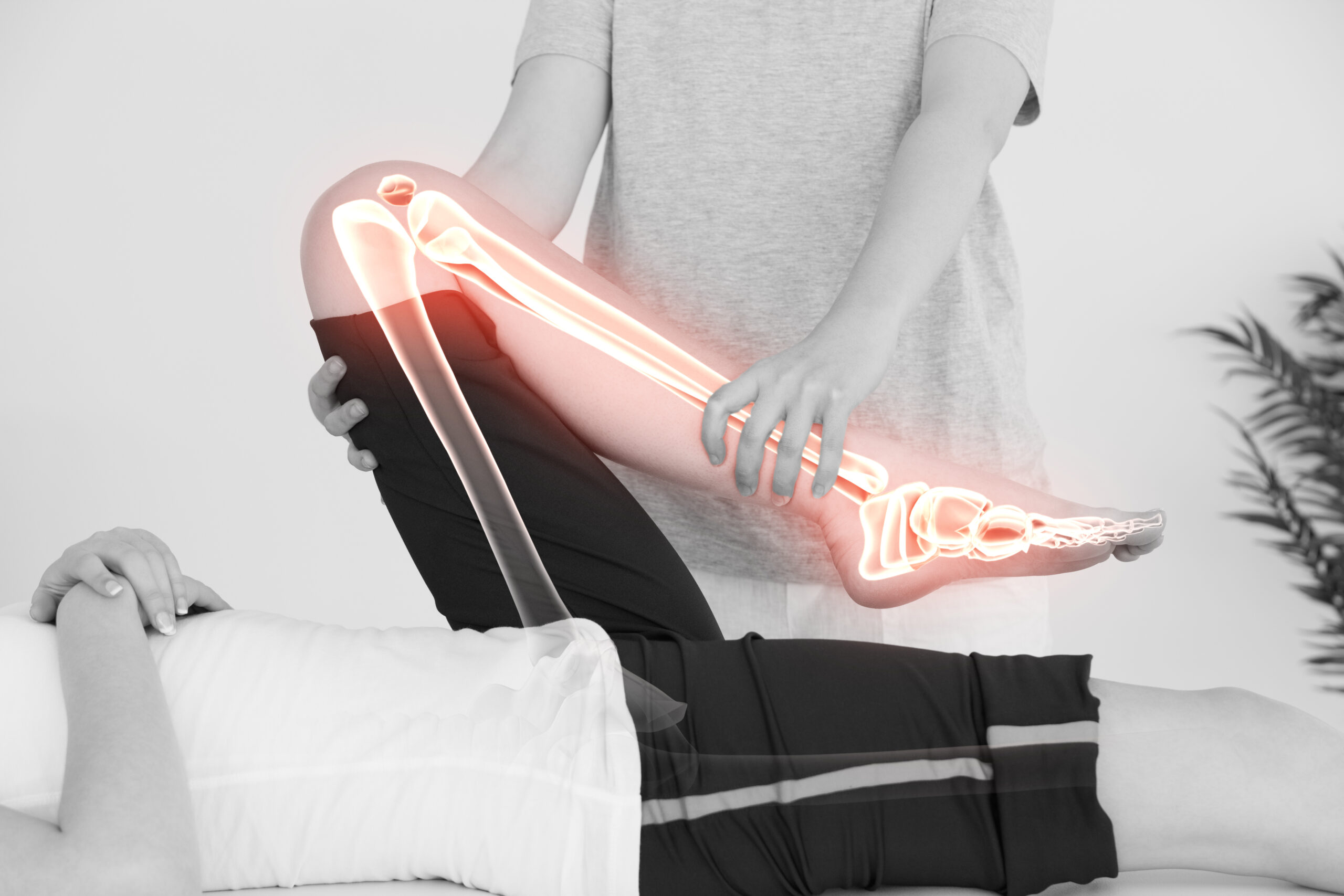
Chiropractic care focuses on restoring proper alignment to the lumbar spine, which can enhance postural stability. Spinal adjustments, a core chiropractic technique, involve precise manual or instrument-assisted manipulations to correct misalignments. By realigning the vertebrae, chiropractors help reduce pressure on nerves, improve joint mobility, and restore balanced weight distribution. This process can alleviate pain, enhance muscle function, and support the body’s natural ability to maintain posture. Many patients report improved balance and reduced discomfort after targeted adjustments. However, results vary, and a chiropractor can tailor a plan based on individual needs, ensuring safe and effective care.
Complementary Approaches to Postural Health
In addition to adjustments, chiropractors often recommend complementary strategies to support lumbar stability. These may include corrective exercises to strengthen core and postural muscles, ergonomic adjustments for workspaces, and advice on proper lifting techniques. Soft tissue therapies, such as massage or myofascial release, can also address muscle tightness that contributes to postural imbalances. Chiropractors may incorporate tools like traction devices or heat/cold therapy to further support recovery. By combining these approaches, patients can address both structural and functional factors affecting posture. It’s important to work with a qualified provider to develop a personalized plan that aligns with individual goals and lifestyle needs.
Long-Term Benefits of Addressing Lumbar Posture
Addressing lumbar spine health through chiropractic care can yield long-term benefits for postural stability and overall well-being. A properly aligned lumbar spine reduces the risk of chronic pain, improves movement efficiency, and enhances physical performance. It also supports better breathing, digestion, and nerve function by maintaining optimal spinal mechanics. Patients often experience increased confidence in their mobility and a lower likelihood of injuries from falls or overexertion. Regular chiropractic check-ups can help monitor and maintain these improvements, preventing future complications. While results depend on individual circumstances, many find that prioritizing lumbar health leads to a more balanced, pain-free lifestyle.