Understanding Weight-Related Joint Stress
Excess weight places significant strain on joints, particularly the knees, hips, and spine, increasing the risk of wear and tear. This mechanical stress can contribute to conditions like osteoarthritis, chronic pain, and reduced mobility. While weight management is often linked to metabolic health, its impact on musculoskeletal systems is equally critical. Chiropractic care offers non-invasive strategies to alleviate this stress, focusing on alignment, mobility, and pain relief. By addressing structural imbalances, chiropractors help reduce pressure on weight-bearing joints, supporting overall joint function and comfort.
Spinal Adjustments for Joint Alignment
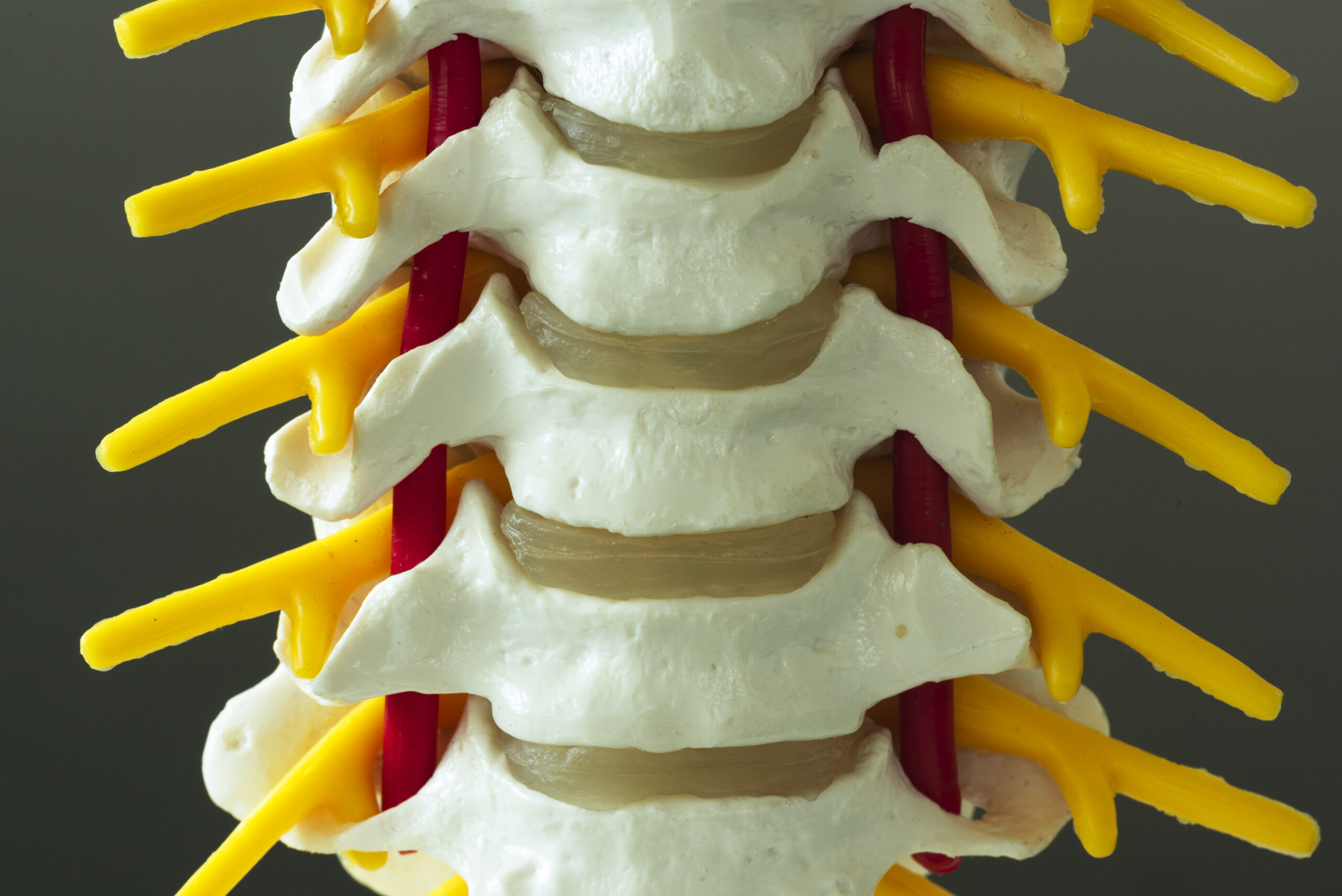
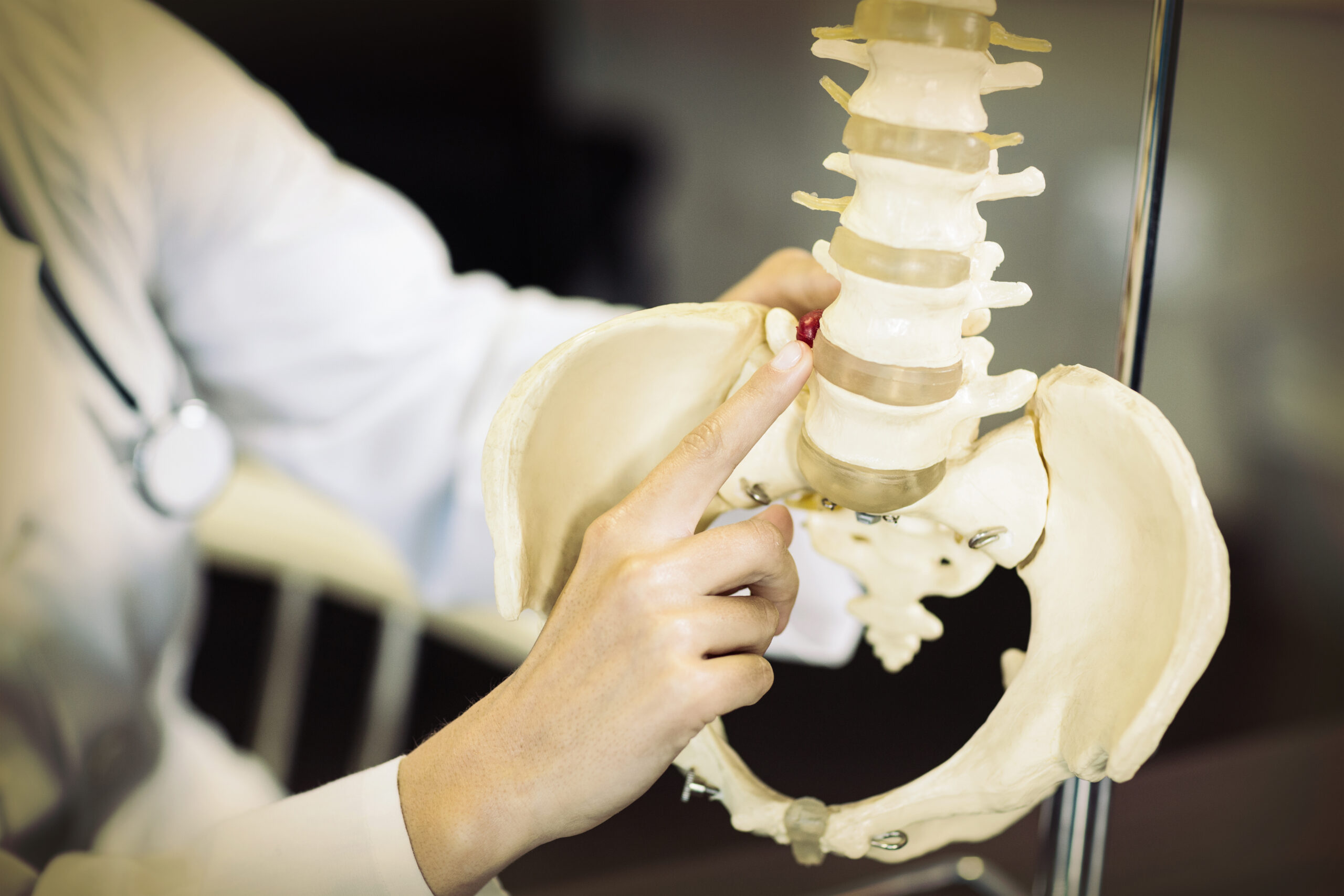
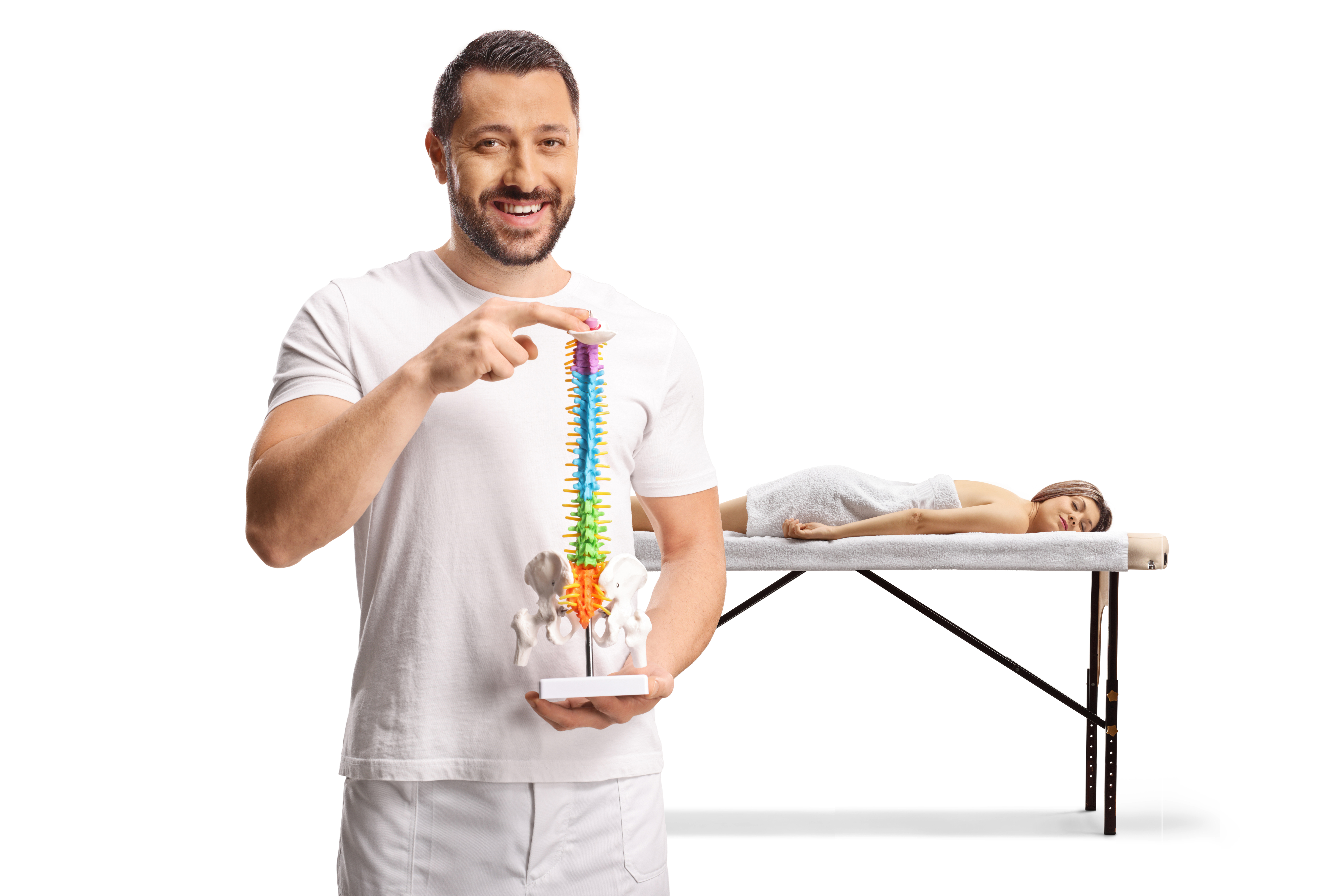
Spinal adjustments are a cornerstone of chiropractic care, aiming to restore proper alignment and function to the spine. For overweight patients, misalignments (subluxations) can exacerbate joint stress by altering weight distribution and biomechanics. By gently realigning vertebrae, chiropractors can reduce pressure on nerves and joints, improving posture and movement efficiency. This approach may alleviate pain in the lower back, hips, and knees, which are commonly affected by excess weight. While adjustments alone don’t directly reduce weight, they can enhance joint stability and mobility, making it easier for patients to engage in physical activity as part of a broader weight management plan.
Soft Tissue Therapies for Joint Support
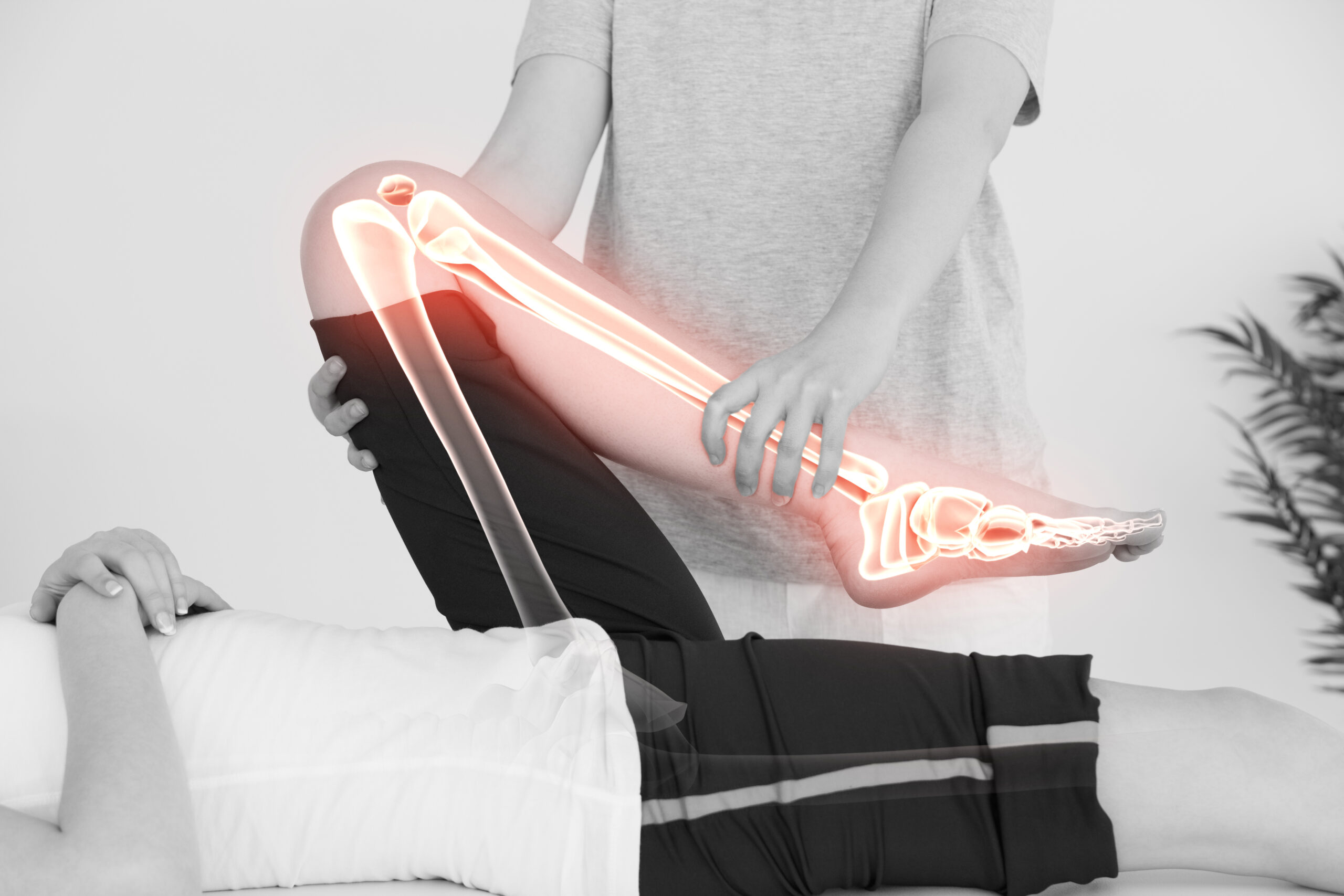
Soft tissue therapies, such as massage and myofascial release, target muscles, ligaments, and tendons surrounding joints. Overweight individuals often experience muscle tension and reduced flexibility, which can worsen joint strain. These techniques help relax tight muscles, improve circulation, and reduce inflammation, indirectly supporting joint health. By addressing soft tissue imbalances, chiropractors can enhance joint range of motion and decrease discomfort. While not a substitute for weight loss, these therapies may make movement more comfortable, encouraging patients to stay active. They are often used alongside other chiropractic methods to create a comprehensive approach to joint stress management.
Decompression Therapy for Spinal and Joint Relief
Spinal decompression therapy uses controlled traction to relieve pressure on discs and joints, offering potential benefits for overweight patients with disc-related issues or nerve compression. This non-surgical technique can reduce pain and improve mobility by creating space between vertebrae, easing pressure on surrounding nerves and tissues. It may be particularly helpful for those experiencing lower back pain exacerbated by weight. While decompression therapy is not a weight-loss solution, it can alleviate symptoms that might otherwise discourage physical activity. Patients often report improved comfort and functionality, enabling them to pursue weight management goals with greater ease.
Integrating Chiropractic Care with Weight Management
Chiropractic care works best when combined with broader weight management strategies. While techniques like adjustments and soft tissue therapies address joint stress, they complement dietary changes, exercise, and lifestyle modifications. A chiropractor can help patients identify movement patterns that strain joints, offering guidance on safer, more efficient physical activity. For example, they might suggest low-impact exercises or ergonomic adjustments to reduce joint load. By fostering a holistic approach, chiropractors support patients in achieving weight-related goals without compromising joint health. This collaborative model emphasizes long-term well-being rather than quick fixes.
Consulting a Chiropractor for Personalized Care
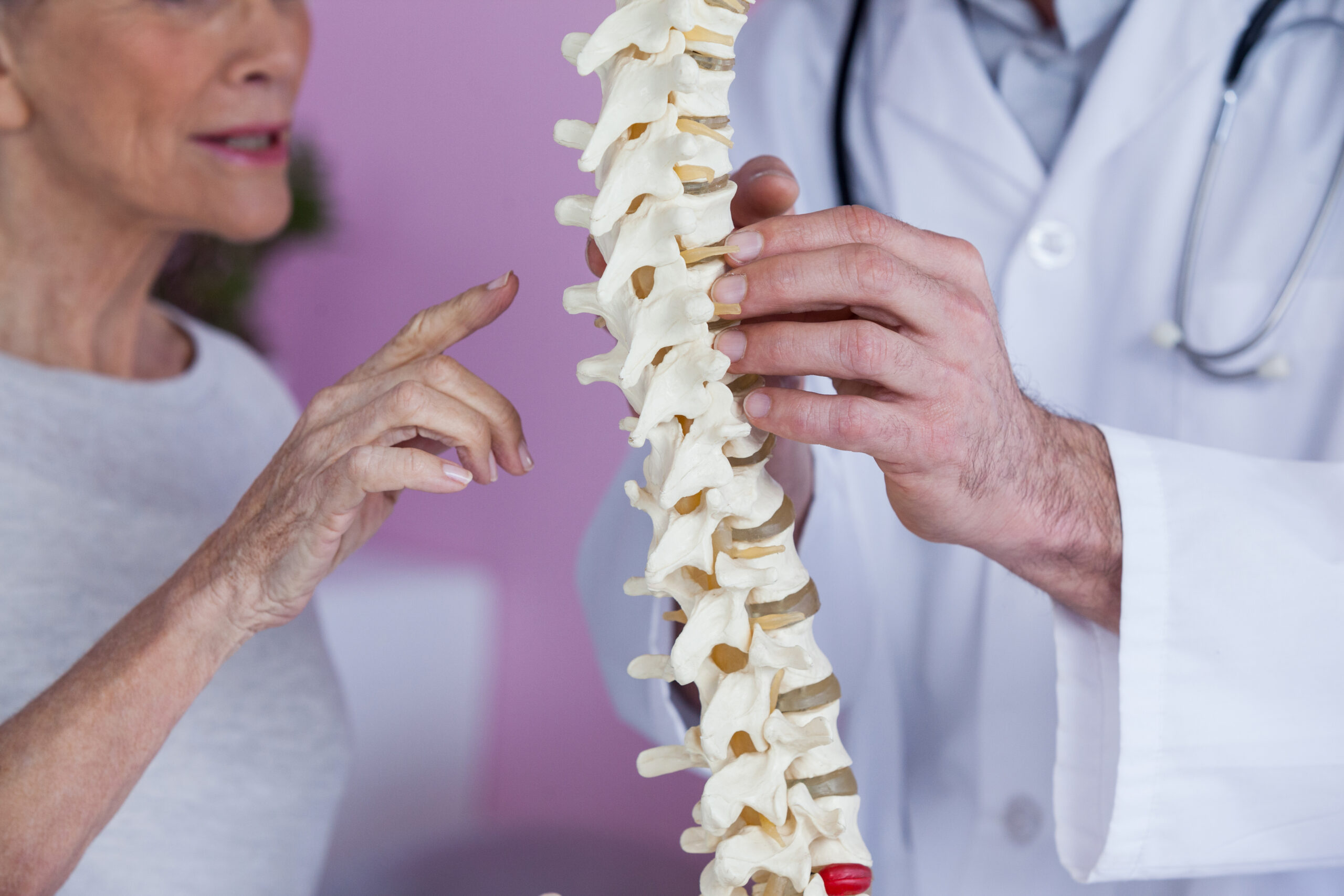
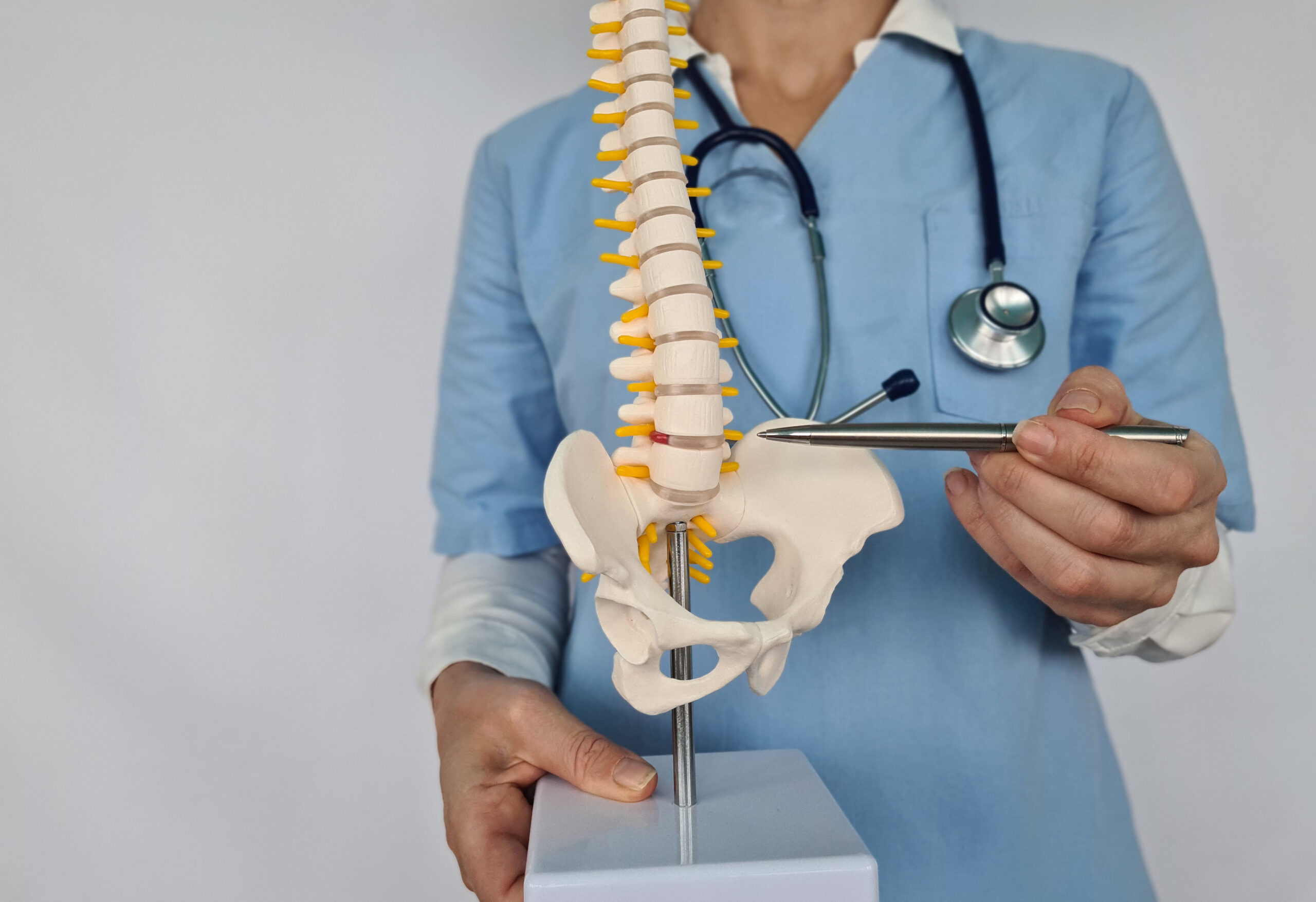
Each patient’s needs are unique, especially when managing weight-related joint stress. A chiropractor can assess individual biomechanics, identify areas of imbalance, and recommend tailored techniques. This may include a combination of adjustments, soft tissue work, and rehabilitative exercises. It’s important to note that chiropractic care is not a substitute for medical treatment but can serve as a valuable adjunct. Patients should discuss their weight management goals and any existing conditions with their provider to ensure safe, effective care. Open communication helps create a plan that addresses both joint health and overall wellness.