Understanding Chronic Pain in Veterans
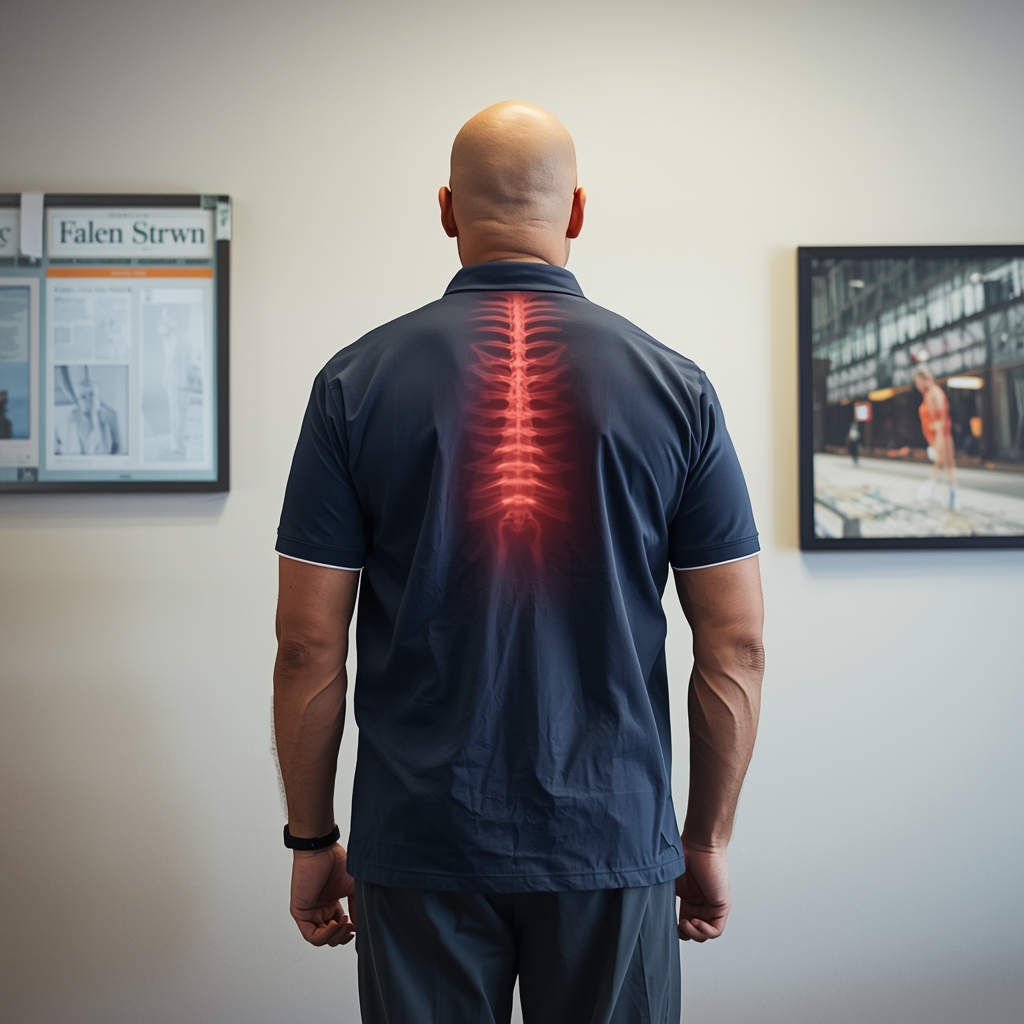
Chronic pain from combat injuries often stems from complex musculoskeletal, neurological, or traumatic brain injuries. Veterans may experience persistent discomfort due to conditions like spinal trauma, joint damage, or nerve-related issues. Traditional medical approaches sometimes struggle to address these multifaceted challenges, leaving gaps in care. Chiropractic care offers a complementary strategy by focusing on the body’s natural healing mechanisms, aiming to reduce pain, improve mobility, and enhance overall function without relying solely on medication or surgery. This holistic approach aligns with the growing emphasis on non-invasive, patient-centered solutions for long-term pain management.
How Chiropractic Care Addresses Chronic Pain
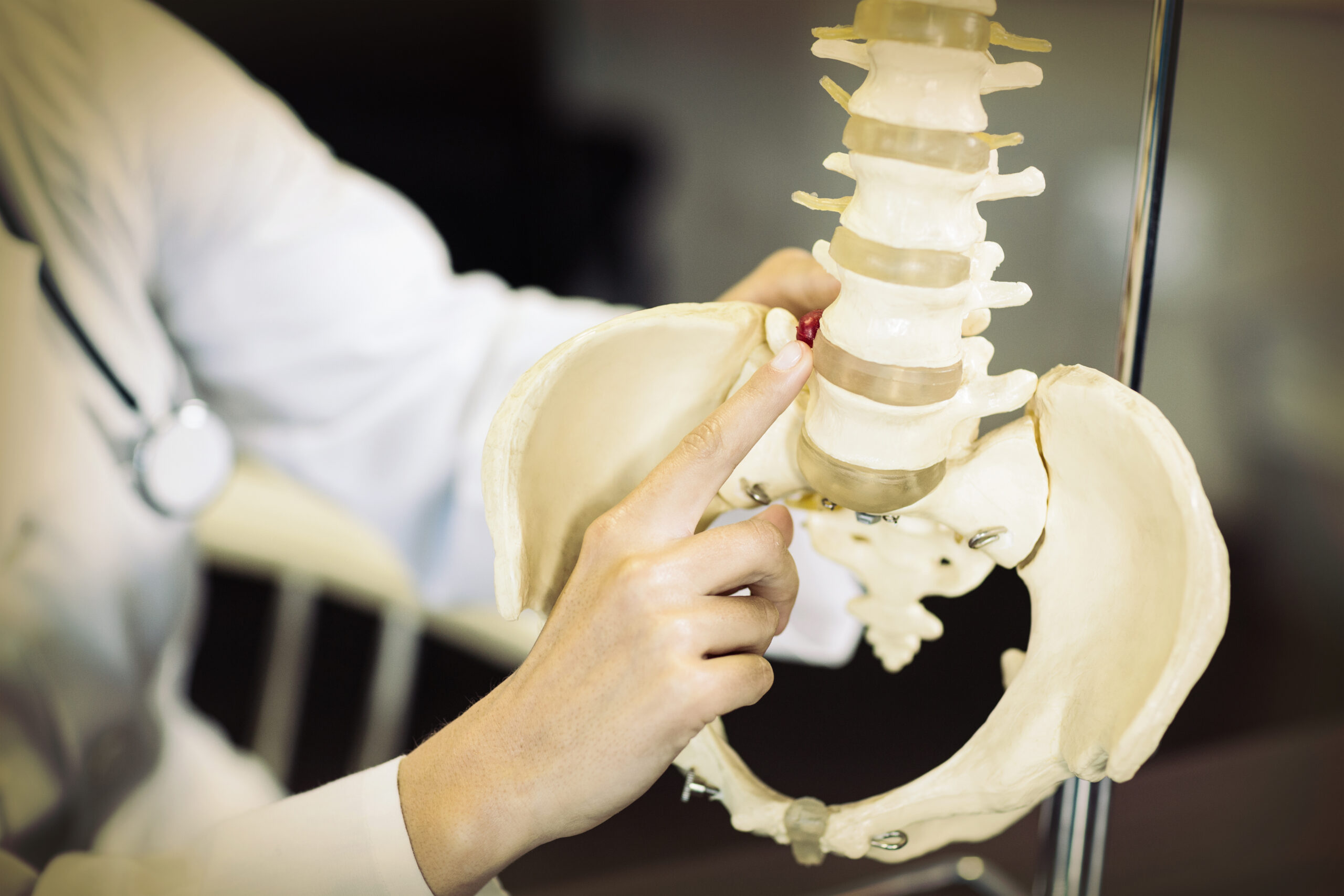
Chiropractors use manual adjustments and soft tissue therapies to correct misalignments, reduce inflammation, and restore proper biomechanics. For veterans, this can alleviate pressure on nerves and joints, which often contribute to chronic pain. Techniques like spinal manipulation and myofascial release help improve circulation, decrease muscle tension, and promote faster recovery. By addressing the root causes of pain rather than just masking symptoms, chiropractic care supports the body’s ability to heal itself. This method is particularly beneficial for conditions like post-traumatic arthritis, fibromyalgia, or neuropathic pain, where conventional treatments may have limited effectiveness.
Specialized Techniques for Combat-Related Injuries
Chiropractors working with veterans often employ advanced techniques tailored to combat injuries. Active Release Technique (ART) and Graston Technique are commonly used to break down scar tissue and restore mobility in injured soft tissues. Decompression therapy can relieve pressure on spinal discs, while cold laser therapy reduces inflammation and accelerates healing. These methods are often combined with rehabilitative exercises to rebuild strength and stability. For veterans with complex injuries, a multidisciplinary approach ensures comprehensive care, addressing both physical and functional limitations to improve quality of life.
Addressing Unique Challenges of Combat Injuries
Combat injuries frequently involve multiple systems, such as the spine, joints, and nervous system, requiring specialized care. Veterans may also face psychological factors like PTSD, which can exacerbate pain perception. Chiropractors collaborate with other healthcare providers to create integrated treatment plans that consider both physical and mental health. Techniques like trigger point therapy and craniosacral adjustments may target areas affected by blast injuries or repetitive strain. By prioritizing individualized care, chiropractors help veterans regain control over their health and reduce dependency on pain medications.
The Importance of Personalized Treatment Plans
No two veterans’ injuries are identical, so chiropractic care emphasizes customized treatment strategies. A thorough assessment of medical history, injury type, and lifestyle informs the care plan. For example, a veteran with a spinal cord injury might receive gentle, low-force adjustments, while someone with joint damage may benefit from targeted mobilization. Regular reevaluations ensure the approach adapts to changing needs. This flexibility allows chiropractors to address evolving conditions and support long-term wellness, making it a valuable option for veterans seeking sustainable pain relief.
Encouraging Access to Specialized Care
Many veterans face barriers to accessing specialized chiropractic care, including geographic limitations or lack of awareness. However, programs like the Department of Veterans Affairs’ (VA) integrative health services are expanding options for non-traditional treatments. Veterans are encouraged to discuss chiropractic care with their primary care provider to explore coverage and referral processes. By fostering collaboration between chiropractors and conventional medical teams, veterans can benefit from a more comprehensive approach to pain management. This synergy highlights the growing recognition of chiropractic care as a vital component of holistic healthcare for those who have served.