Assessment and Medical History Review
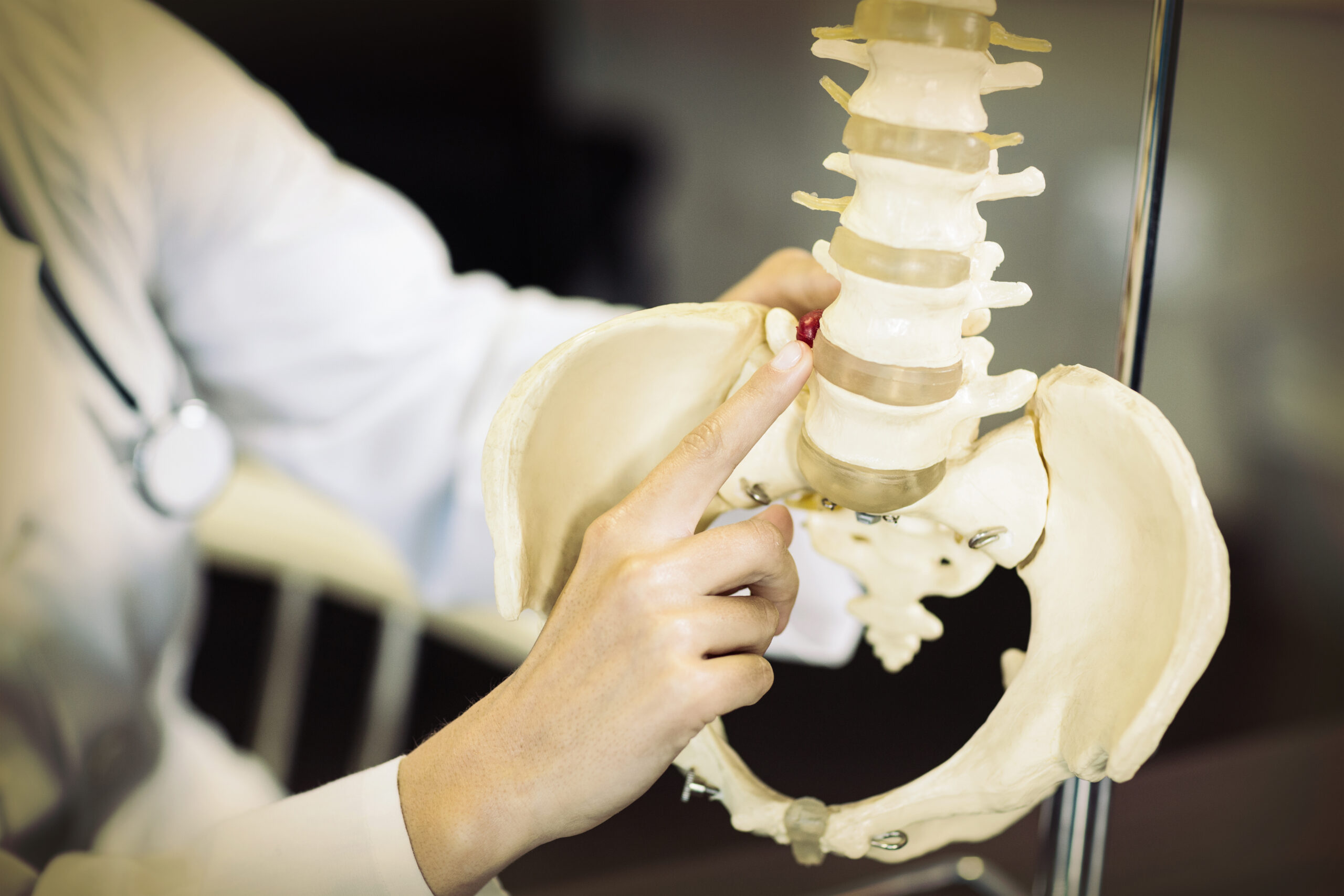
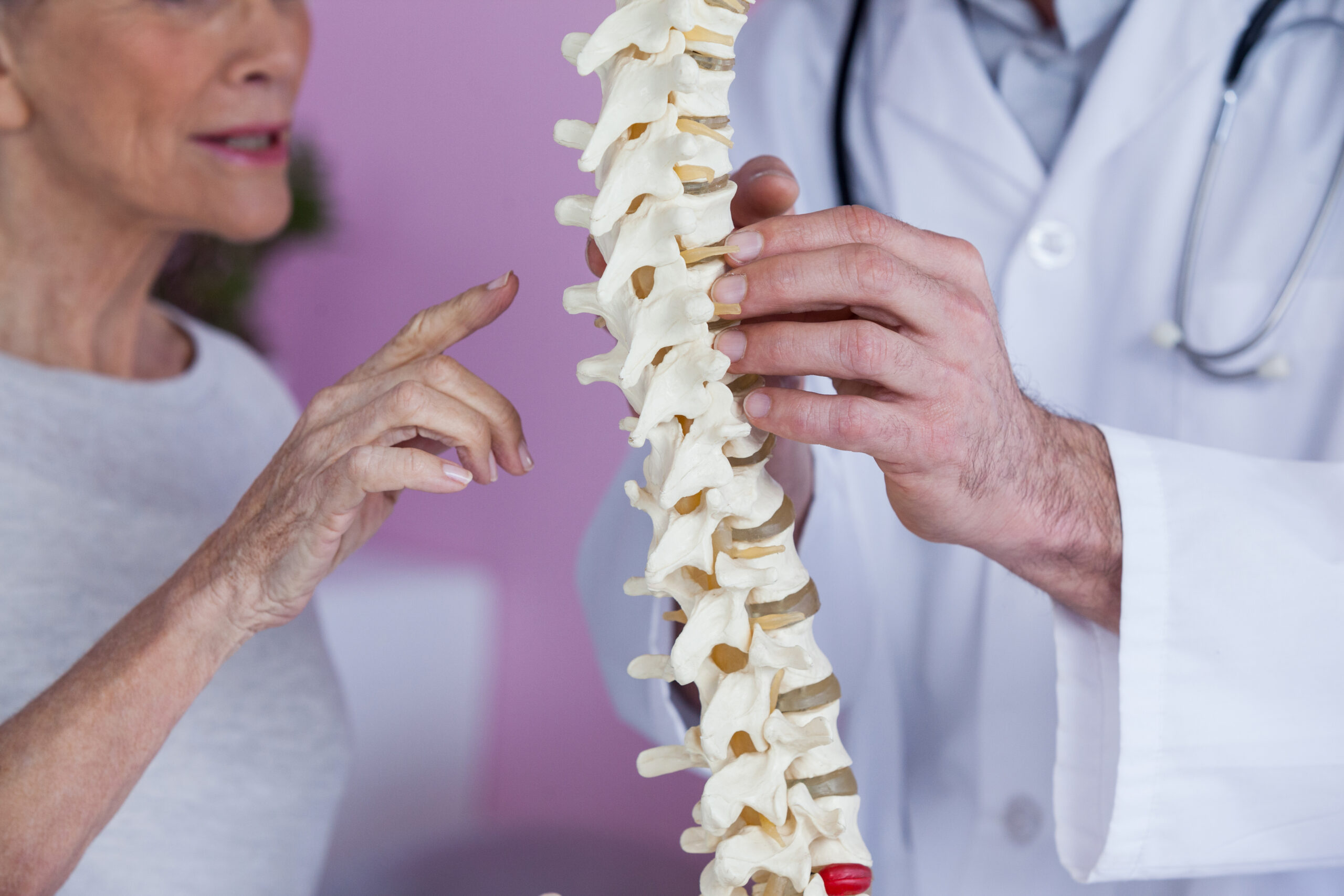
Chiropractors must prioritize thorough patient assessments when treating older adults with osteoporosis or frailty. A detailed medical history, including bone density test results, medication use, and fall risk factors, is essential. Collaborating with primary care physicians ensures alignment with broader health goals. Adjustments should avoid high-velocity techniques that could strain weakened bones or muscles. Instead, gentle, low-force methods are preferred to minimize risks while addressing musculoskeletal concerns. Open communication with patients about their comfort levels and any pre-existing conditions helps tailor care plans effectively.
Gentle Adjustment Techniques
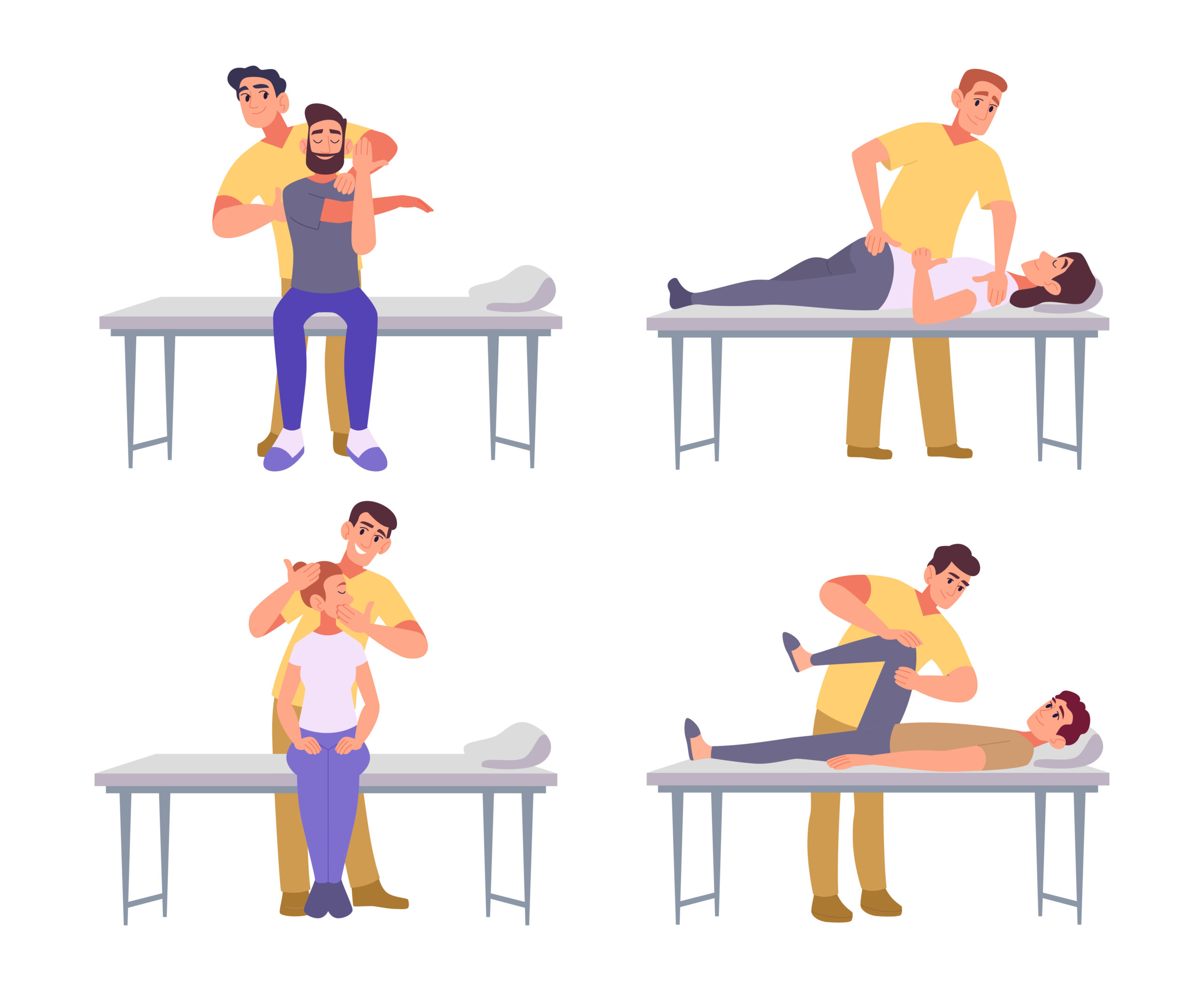
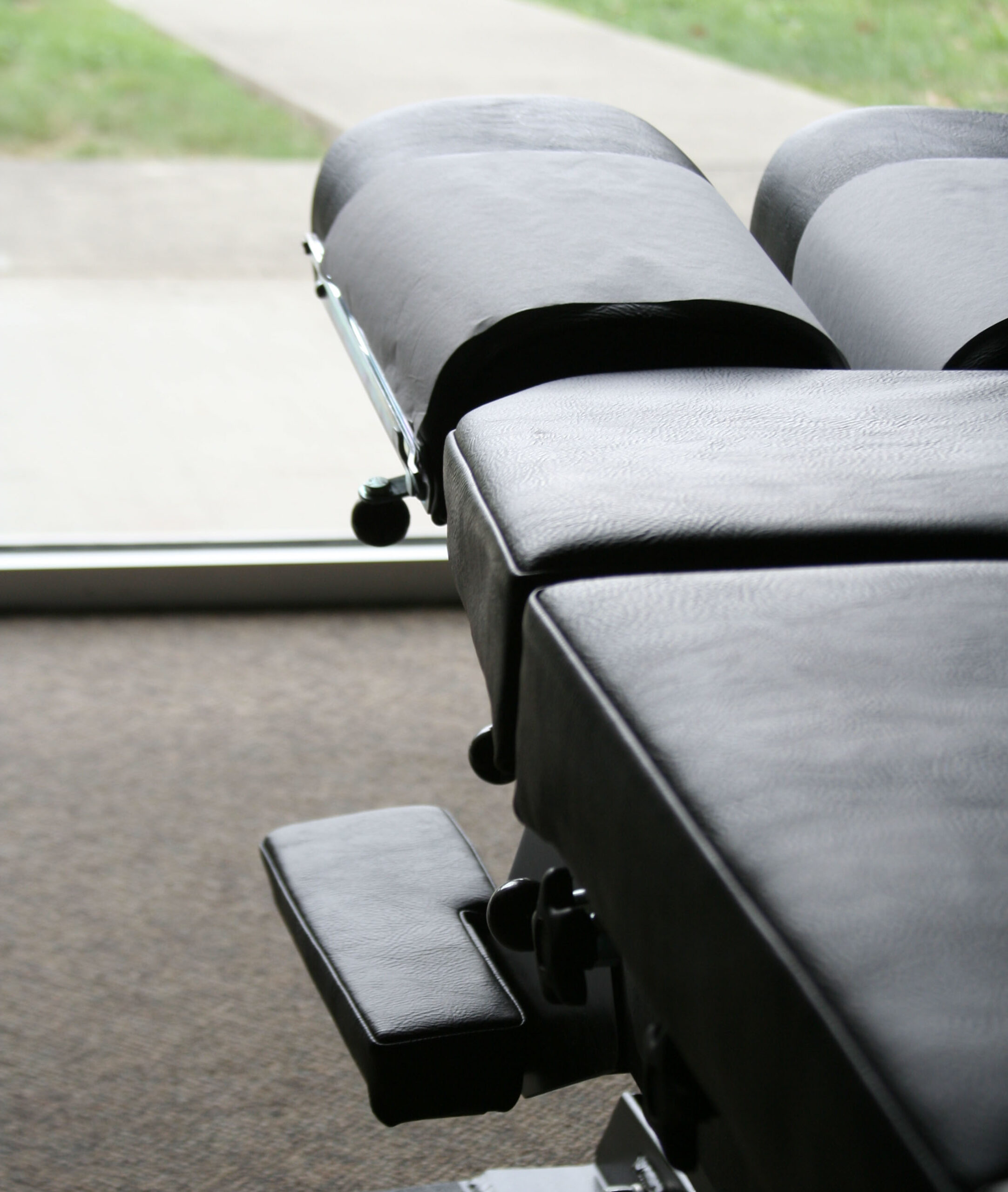
For older adults, chiropractors often use low-force or non-thrust adjustments, such as the Activator Method or drop table techniques, to reduce spinal stress. These methods avoid the direct manipulation associated with traditional spinal adjustments, which may be too abrupt for frail or osteoporotic patients. Practitioners must also consider the patient’s ability to tolerate positioning, using supportive devices like cushions or bolsters to maintain comfort. Regular re-evaluations ensure techniques remain appropriate as the patient’s condition evolves. By prioritizing precision over force, chiropractors can enhance safety while addressing alignment issues that may contribute to pain or mobility challenges.
Posture and Balance Considerations
Frailty and osteoporosis often affect posture and balance, increasing fall risks. Chiropractors should assess gait patterns and muscle strength during evaluations, incorporating exercises to improve stability. Adjustments may focus on spinal alignment to support better posture, which can reduce strain on weakened bones. Clinics should also ensure environments are safe, with non-slip mats and sturdy examination tables. Patients might benefit from guidance on home modifications, such as grab bars or improved lighting, to prevent injuries. By addressing both in-office and at-home factors, chiropractors contribute to overall patient safety and confidence in movement.
Monitoring for Adverse Effects
Older adults with osteoporosis or frailty require close monitoring for adverse reactions during and after adjustments. Chiropractors should watch for signs of increased pain, dizziness, or new mobility issues, which could indicate overexertion or underlying complications. Regular follow-ups allow for timely adjustments to treatment plans, ensuring care remains both effective and safe. Patients should be encouraged to report any discomfort promptly, fostering a collaborative approach to their care. Documenting responses to interventions helps track progress and identify patterns that may necessitate referrals to other specialists. This proactive stance minimizes risks while maximizing therapeutic benefits.
Patient Education and Home Care
Empowering patients with knowledge about their condition is critical. Chiropractors should educate older adults on safe movement practices, such as avoiding twisting motions or heavy lifting, to protect fragile bones. Recommending low-impact exercises like tai chi or walking can improve strength and balance without overexertion. Nutritional advice, including calcium and vitamin D intake, may also be shared, though referrals to dietitians are preferable for personalized plans. Patients should understand that chiropractic care is part of a broader health strategy, not a standalone solution. Clear communication about expectations and limitations helps set realistic goals and promotes adherence to safety protocols.
Collaborative Care with Other Professionals
Chiropractors treating older adults with osteoporosis or frailty should work closely with a multidisciplinary team. This includes primary care physicians, physical therapists, and geriatric specialists to ensure comprehensive care. Referrals may be necessary for additional diagnostics, such as bone density scans, or for managing comorbidities like arthritis or diabetes. Coordinating with these professionals helps avoid conflicting treatments and ensures all interventions align with the patient’s overall health status. Open dialogue also allows for shared decision-making, respecting the patient’s preferences and medical history. This collaborative approach enhances safety, effectiveness, and the patient’s overall quality of life.