Understanding Acute Muscle Strains in Athletes
Acute muscle strains occur when muscles are overstretched or torn, often due to sudden movements, overexertion, or improper technique during physical activity. These injuries are common in sports that involve sprinting, jumping, or rapid directional changes, such as soccer, basketball, or football. Symptoms typically include pain, swelling, bruising, and reduced range of motion. While rest and basic care are essential, athletes often seek targeted therapies to accelerate recovery and prevent long-term complications. Ultrasound therapy is one such modality, but its effectiveness depends on proper application and integration with other treatments. Understanding the role of ultrasound in this context helps athletes and healthcare providers make informed decisions about recovery strategies.
How Ultrasound Therapy Works for Muscle Injuries
Ultrasound therapy uses high-frequency sound waves to penetrate deep into soft tissues, promoting healing through thermal and mechanical effects. The thermal effect increases blood flow, which delivers oxygen and nutrients to damaged muscle fibers, while the mechanical effect stimulates cellular activity and reduces inflammation. For acute strains, low-intensity pulsed ultrasound is often preferred to avoid further tissue damage. This therapy can help break down scar tissue, enhance collagen production, and speed up the repair process. However, its success hinges on factors like treatment duration, frequency, and the specific protocol used. When combined with other interventions, such as chiropractic adjustments, ultrasound therapy can offer a more comprehensive approach to recovery.
Key Ultrasound Protocols for Acute Strains
Effective ultrasound protocols for acute muscle strains typically involve low to medium intensity settings, with durations of 3–5 minutes per session. Pulsed mode is often used to minimize heat buildup and reduce the risk of thermal injury, while continuous mode may be applied for deeper penetration in certain cases. Treatment frequency usually ranges from 2–5 times per week, depending on the injury’s severity and the athlete’s response. Some practitioners also incorporate movement during therapy to enhance tissue flexibility. While research on optimal parameters is ongoing, general guidelines suggest avoiding high-intensity settings in the initial stages of injury. Athletes should work with trained professionals to tailor protocols to their specific needs, ensuring safety and efficacy.
Complementing Chiropractic Adjustments with Ultrasound
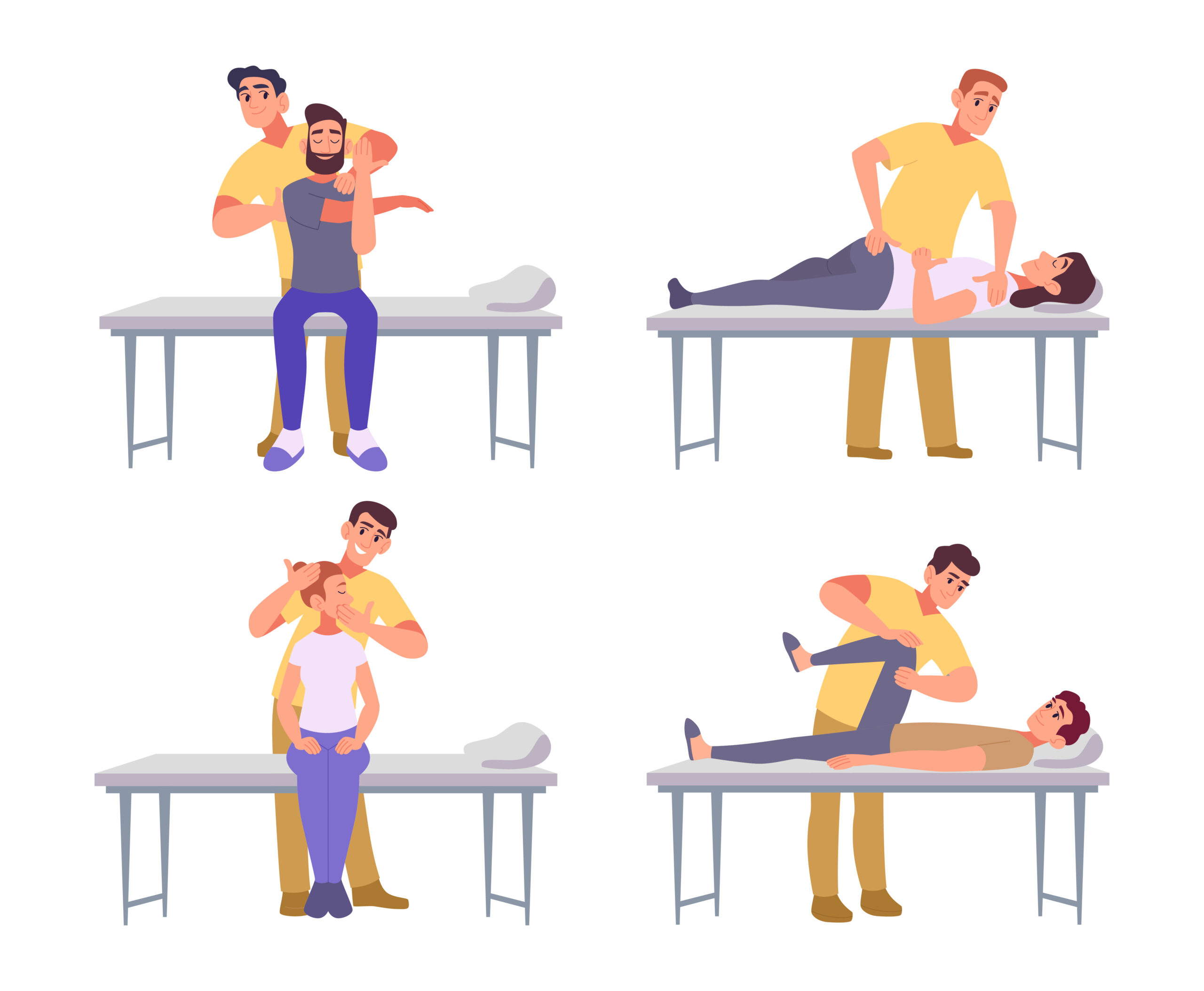
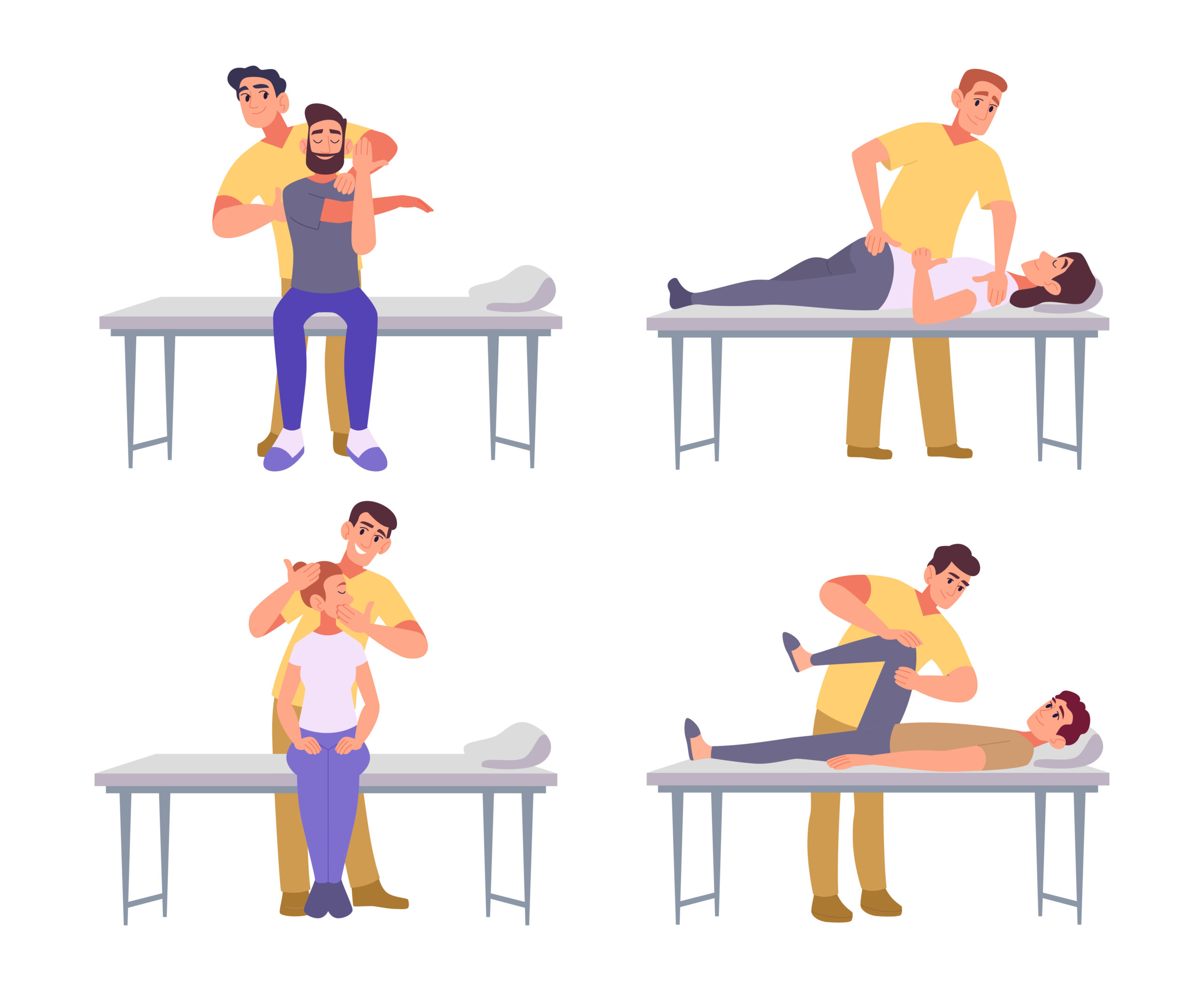
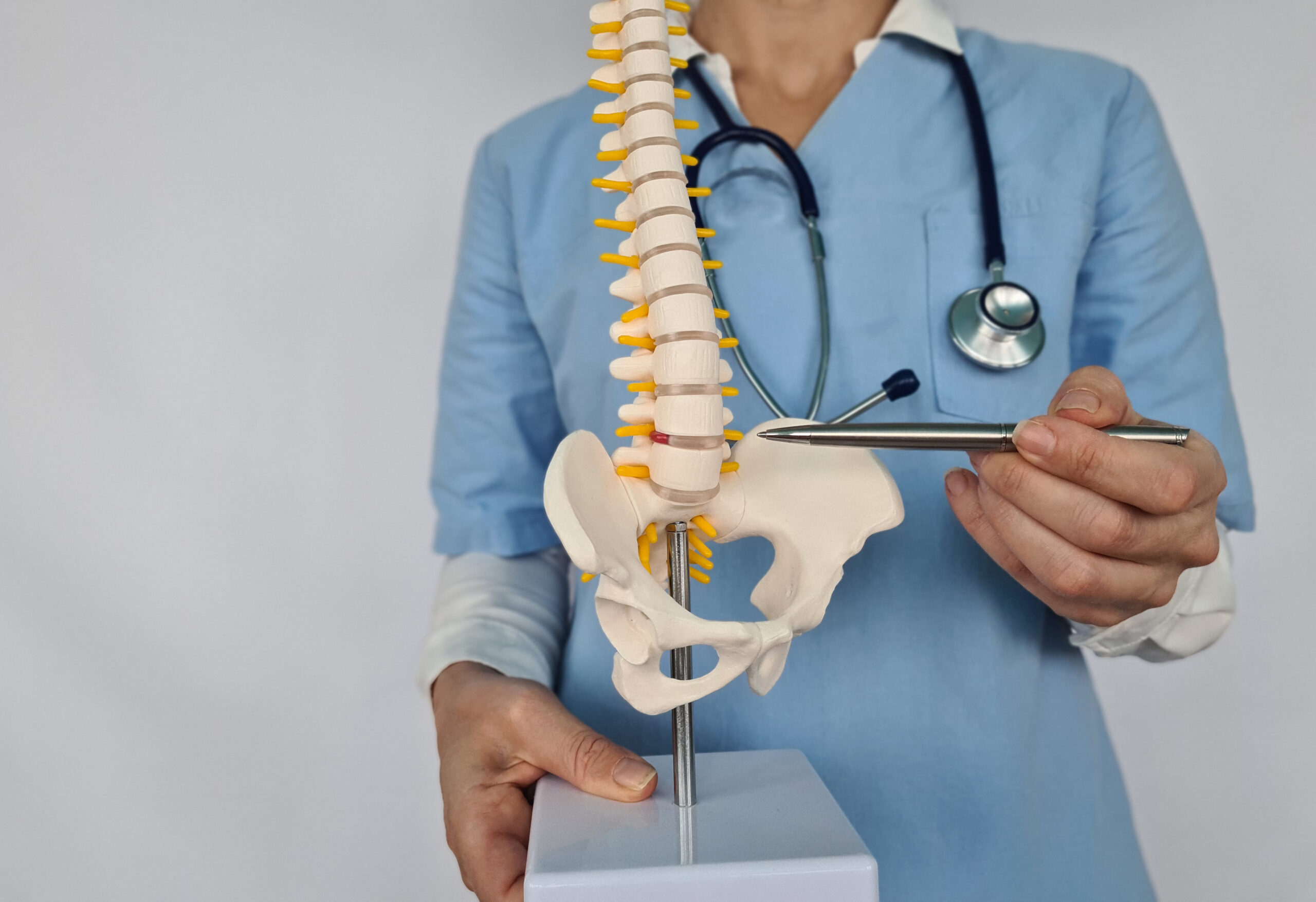
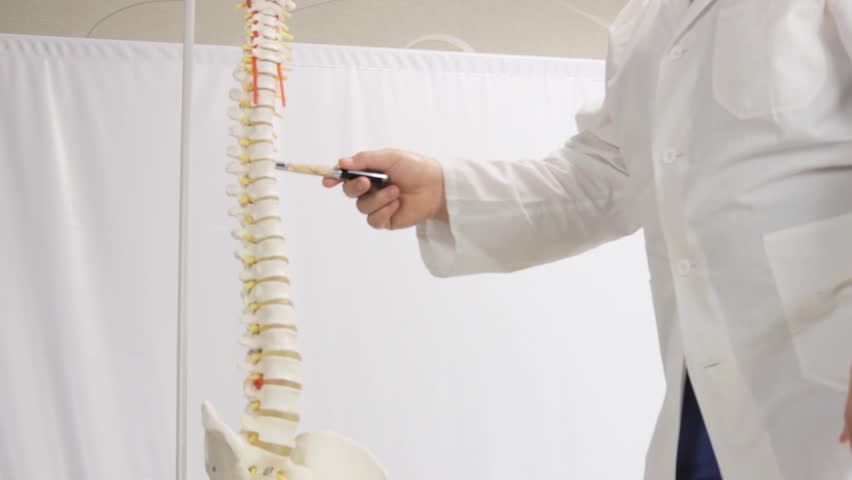
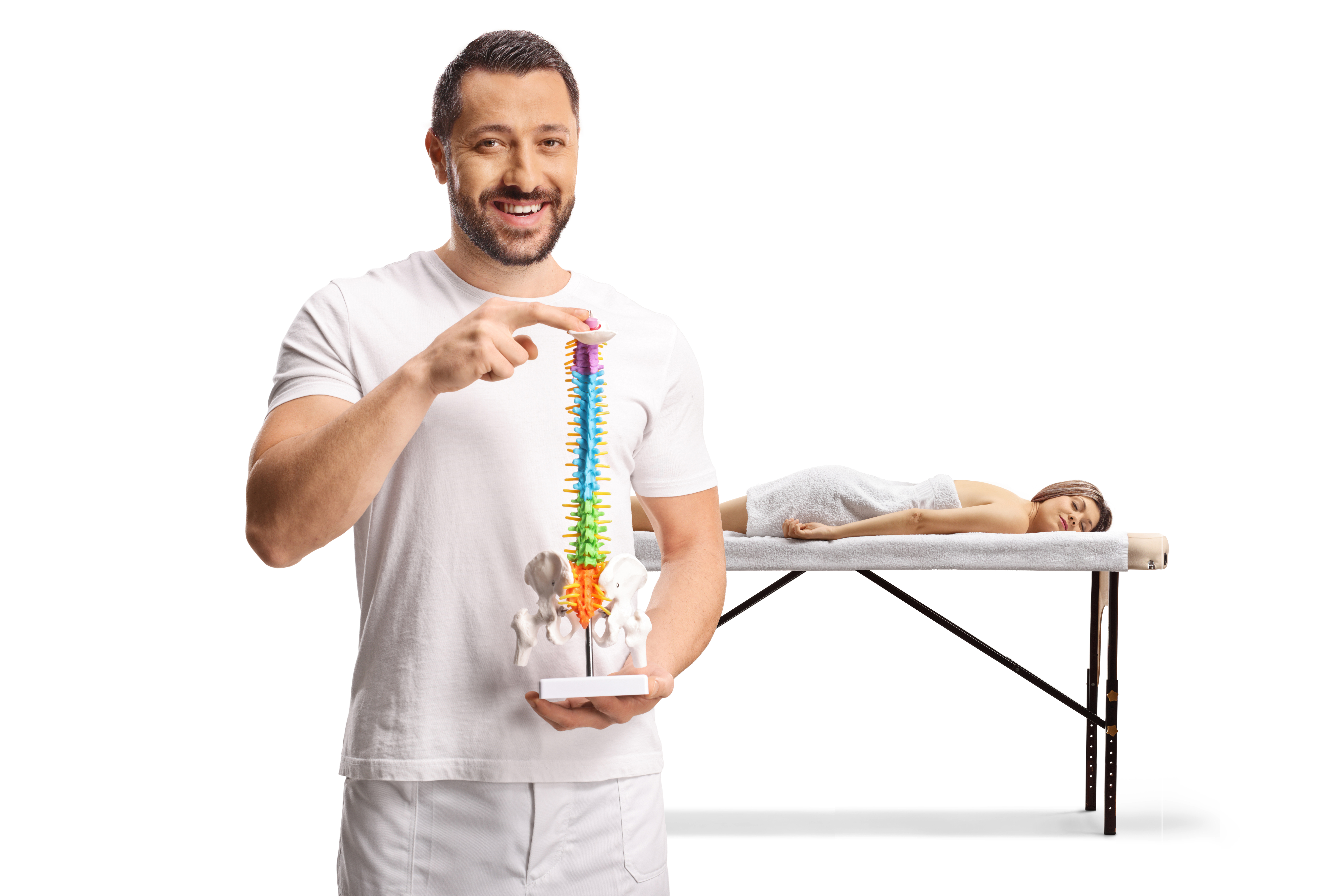
Chiropractic adjustments focus on restoring proper spinal and joint alignment, which can alleviate nerve irritation and improve musculoskeletal function. When combined with ultrasound therapy, these adjustments may enhance recovery by addressing both structural and soft tissue imbalances. For example, misalignments in the spine or pelvis can contribute to muscle strain by altering biomechanics. By correcting these issues, chiropractors can reduce compensatory stress on injured muscles. Ultrasound therapy then supports the healing process by reducing inflammation and promoting tissue repair. This synergy allows for a more holistic approach, addressing pain, mobility, and underlying causes of injury. Athletes often report faster recovery times when both modalities are integrated into their care plan.
Integrating Ultrasound and Chiropractic Care
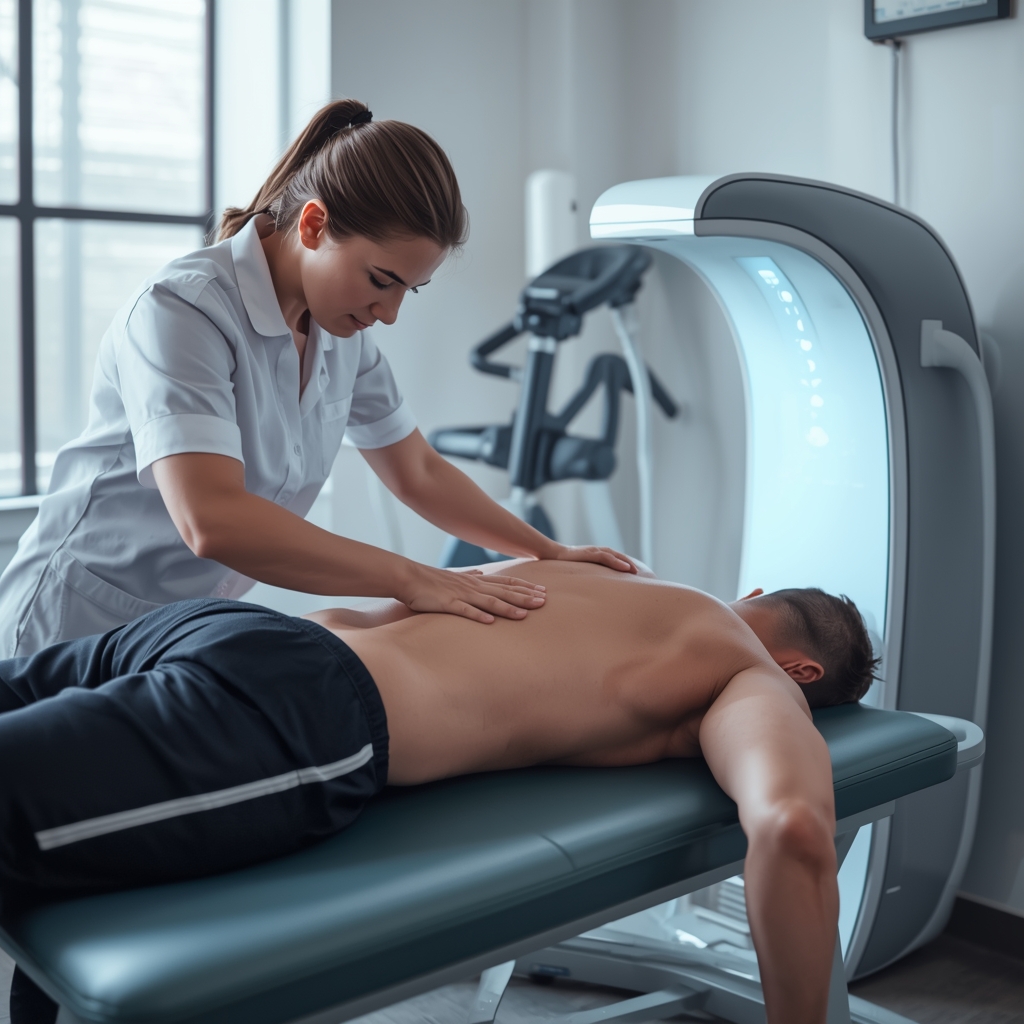
Combining ultrasound therapy with chiropractic care requires coordination between healthcare providers to ensure a cohesive treatment strategy. Chiropractors may use ultrasound to prepare muscles for adjustments by reducing stiffness and improving flexibility, making the adjustment process more effective. Conversely, ultrasound can be applied post-adjustment to reinforce tissue healing and prevent re-injury. This integrated approach also allows for better monitoring of progress, as improvements in pain levels and mobility can guide adjustments to the therapy protocol. Athletes should communicate openly with their care team to ensure both treatments align with their recovery goals. While individual responses vary, many find that the combined use of these therapies offers a balanced path to recovery, minimizing downtime and supporting long-term musculoskeletal health.
Considerations for Athletes and Practitioners
When using ultrasound therapy for acute muscle strains, athletes and practitioners must prioritize safety and proper technique. Ultrasound should not be applied directly over open wounds, nerves, or areas with metal implants. Additionally, excessive heat or prolonged exposure can worsen inflammation, so adherence to established guidelines is critical. Chiropractors and physical therapists play a key role in assessing the injury’s stage and determining the most appropriate protocols. Athletes should avoid self-treatment and seek qualified professionals to ensure effective and safe care. While ultrasound therapy can be a valuable tool, it is most effective when part of a broader rehabilitation plan that includes rest, movement, and other evidence-based interventions. Open communication between the athlete and their care team is essential for optimizing outcomes.