Understanding the Conditions
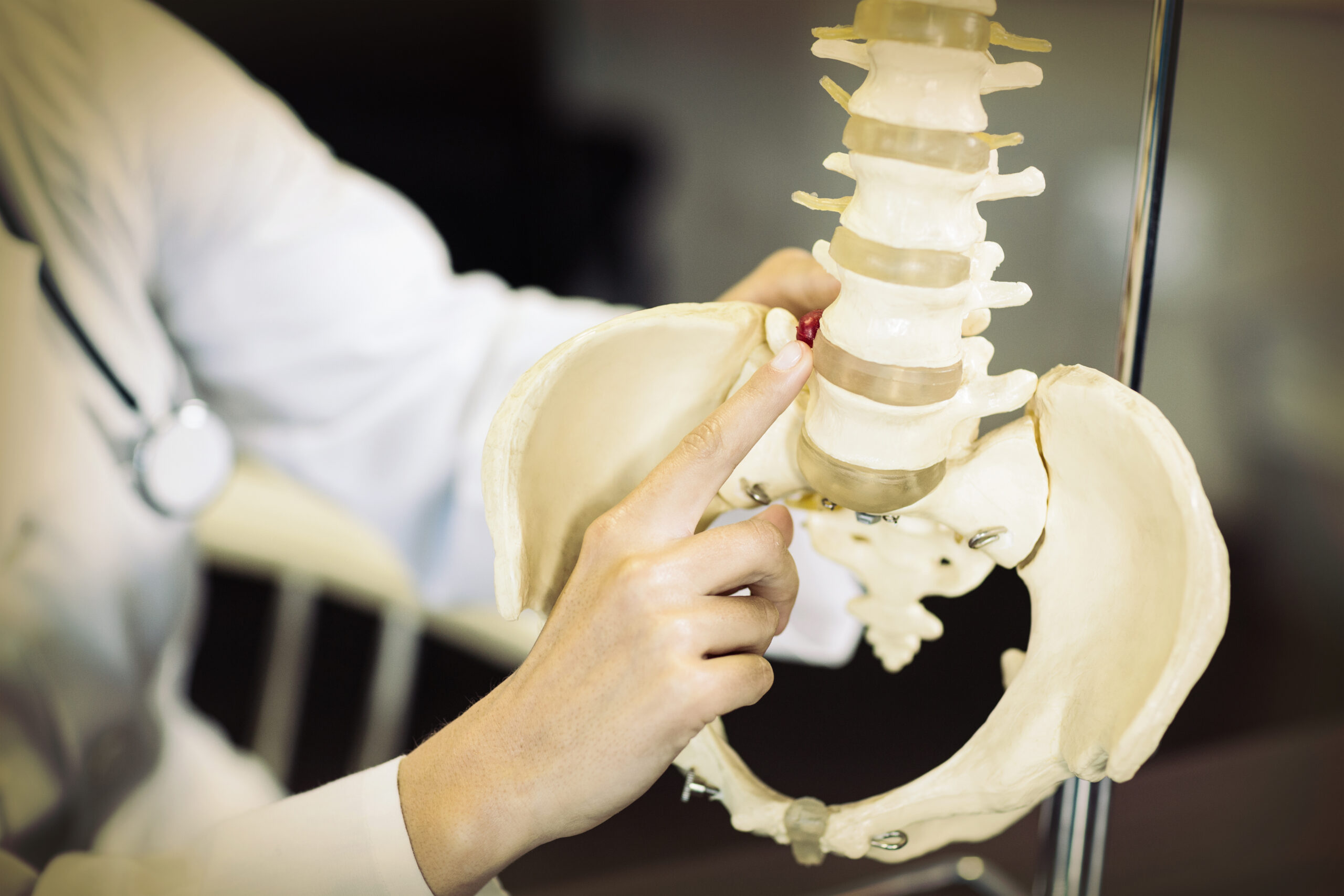
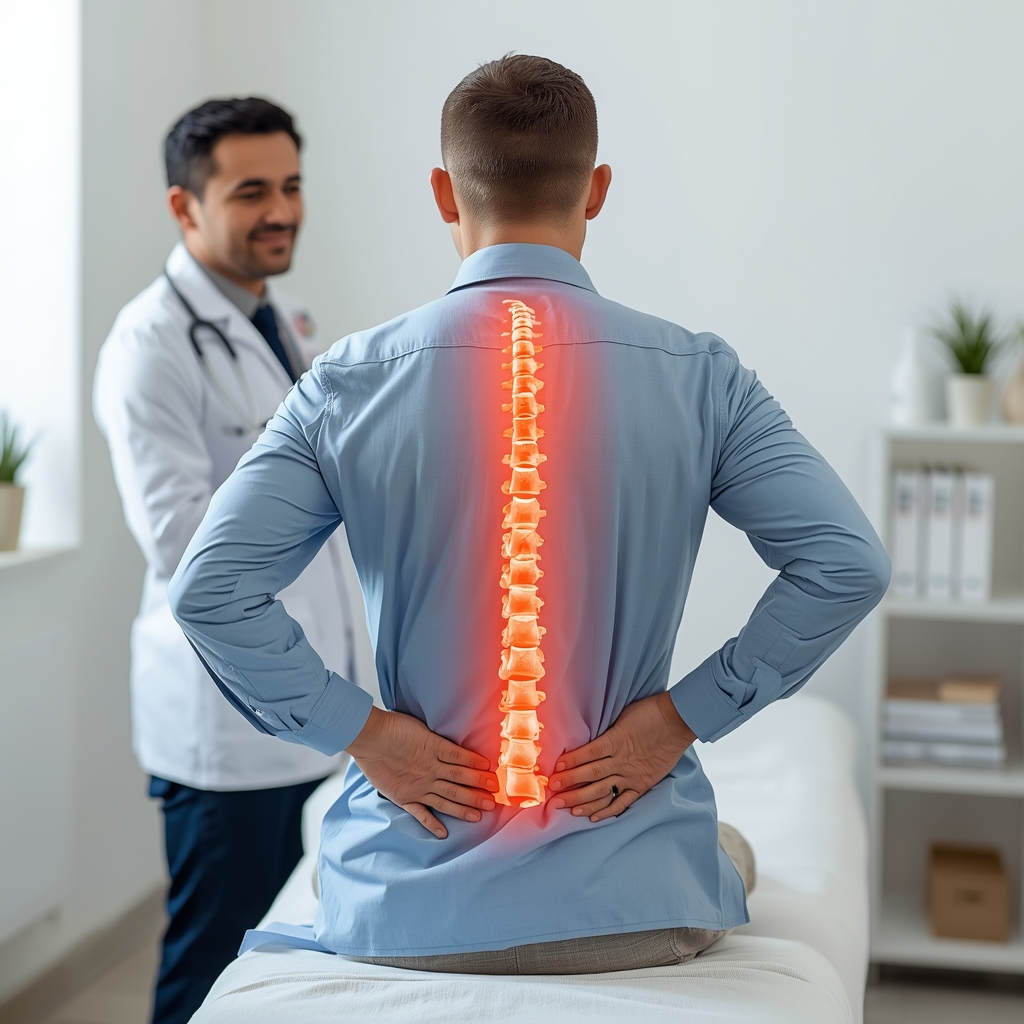
Discerning between sacroiliac joint dysfunction (SIJD) and lumbar radiculopathy requires a nuanced approach, as both conditions can present with overlapping symptoms like lower back pain and radiating discomfort. SIJD typically involves instability or inflammation in the sacroiliac joints, while lumbar radiculopathy stems from nerve root compression in the lumbar spine. Chiropractors must rely on systematic assessment techniques to distinguish these diagnoses. Palpation and range-of-motion testing are foundational tools, offering insights into structural alignment, joint mobility, and neurological involvement. By focusing on specific tenderness points, movement restrictions, and pain patterns, practitioners can narrow down potential causes. This process emphasizes the importance of a thorough physical examination, as misdiagnosis may lead to ineffective treatment. Understanding the unique characteristics of each condition ensures targeted interventions, highlighting the value of skilled clinical evaluation in chiropractic care.
Palpation Techniques for Sacroiliac Joint Dysfunction
Palpation is critical for identifying SIJD, as it allows chiropractors to detect tenderness, asymmetry, or abnormal movement in the sacroiliac joints. Key areas include the iliac crests, sacral sulci, and the posterior superior iliac spines. A positive finding might involve localized pain or increased sensitivity when applying pressure, particularly during passive movement tests like the sacral compression or distraction maneuvers. Practitioners also assess for muscle guarding or spasms in the gluteal or lumbar regions, which can indicate compensatory patterns. Unlike lumbar radiculopathy, SIJD often lacks neurological deficits, such as reflex changes or sensory loss. Instead, pain from SIJD may worsen with weight-bearing activities or specific postures. These findings help differentiate SIJD from nerve-related conditions, guiding the choice of therapeutic strategies. Palpation, when combined with other assessments, provides a clearer picture of the patient’s biomechanical challenges.
Palpation Techniques for Lumbar Radiculopathy
When evaluating lumbar radiculopathy, palpation focuses on the lumbar spine and associated nerve pathways. Chiropractors examine the paraspinal muscles, spinous processes, and transverse processes for tenderness, which may indicate nerve root irritation. A key sign is tenderness along the intervertebral foramina, where nerve roots exit the spinal column. Palpation may also reveal muscle spasm or atrophy in the lower extremities, suggesting chronic nerve compression. Unlike SIJD, lumbar radiculopathy often presents with neurological symptoms, such as numbness, tingling, or weakness in a dermatomal distribution. The straight leg raise test is commonly used to provoke radicular pain, aiding in diagnosis. However, this test is not specific to SIJD and requires integration with other findings. By carefully analyzing palpation results alongside patient history, chiropractors can better determine whether symptoms arise from joint dysfunction or nerve involvement.
Range-of-Motion Testing for Sacroiliac Joint Dysfunction
Range-of-motion (ROM) testing helps assess the functional mobility of the sacroiliac joints and surrounding structures. Chiropractors evaluate movements such as forward bending, lateral flexion, and rotation to identify limitations or pain associated with SIJD. A hallmark of SIJD is pain during movements that stress the sacroiliac joints, such as standing on one leg or twisting the torso. The Faber test (Patrick’s test) is often used to provoke discomfort in the SI joint by positioning the hip in flexion, abduction, and external rotation. Unlike lumbar radiculopathy, SIJD typically does not restrict ROM in a predictable dermatomal pattern. Instead, pain is localized to the sacrum or gluteal region and may improve with rest. These findings help differentiate SIJD from nerve-related conditions, as radiculopathy often involves more generalized movement restrictions and neurological symptoms. ROM testing, when combined with palpation, enhances diagnostic accuracy.
Range-of-Motion Testing for Lumbar Radiculopathy
Range-of-motion testing for lumbar radiculopathy focuses on identifying movement patterns that exacerbate nerve-related symptoms. Chiropractors assess flexion, extension, and lateral bending, noting if specific motions trigger radiating pain down the leg. The straight leg raise test is a standard assessment, as it can reproduce sciatic symptoms when nerve roots are compressed. Patients with lumbar radiculopathy may also exhibit reduced lumbar mobility, particularly in extension, due to muscle spasm or disc herniation. Unlike SIJD, which causes localized joint pain, radiculopathy often presents with pain that follows a specific nerve pathway. For example, L5 radiculopathy may cause pain along the lateral leg, while S1 involvement affects the posterior foot. These distinct patterns help distinguish radiculopathy from SIJD. Combining ROM findings with neurological exams ensures a comprehensive evaluation, guiding appropriate treatment strategies.
Integrating Palpation and ROM Findings
Effective diagnosis of SIJD versus lumbar radiculopathy requires integrating palpation and range-of-motion results with patient history and symptom patterns. Chiropractors look for consistent findings across assessments, such as localized SI joint tenderness paired with movement-related pain, which points to SIJD. Conversely, neurological symptoms and radicular pain during ROM tests suggest lumbar radiculopathy. It is essential to consider the patient’s activity level, posture, and any recent trauma, as these factors influence presentation. While no single test is definitive, a combination of clinical findings increases diagnostic confidence. For instance, SIJD may improve with joint mobilization, whereas radiculopathy might respond to nerve glide techniques. Ultimately, the goal is to create a tailored care plan that addresses the root cause. Regular reassessment ensures adjustments to the treatment approach, emphasizing the dynamic nature of chiropractic evaluation.