Understanding the Connection Between the Sacroiliac Joint and Pelvic Floor
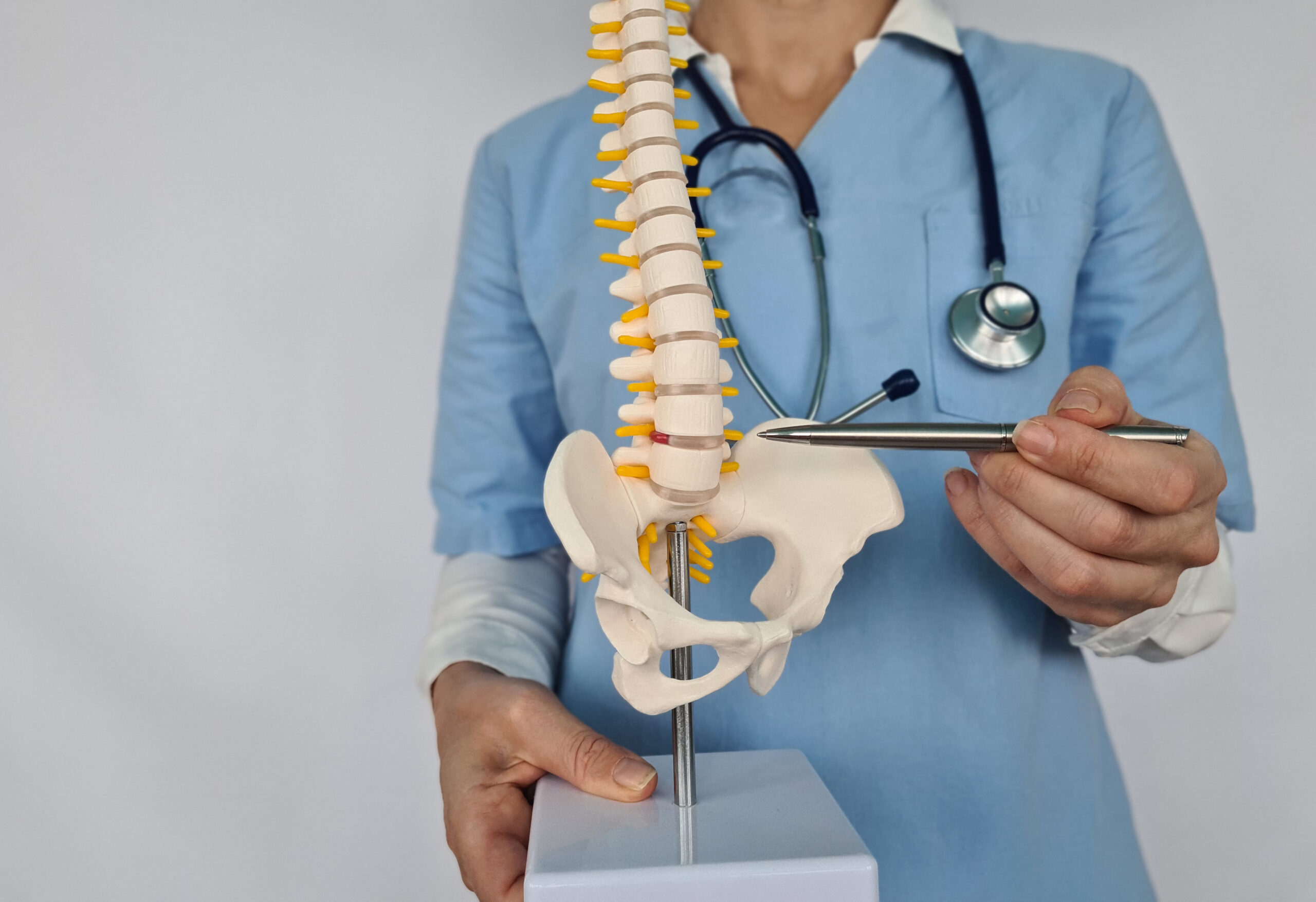
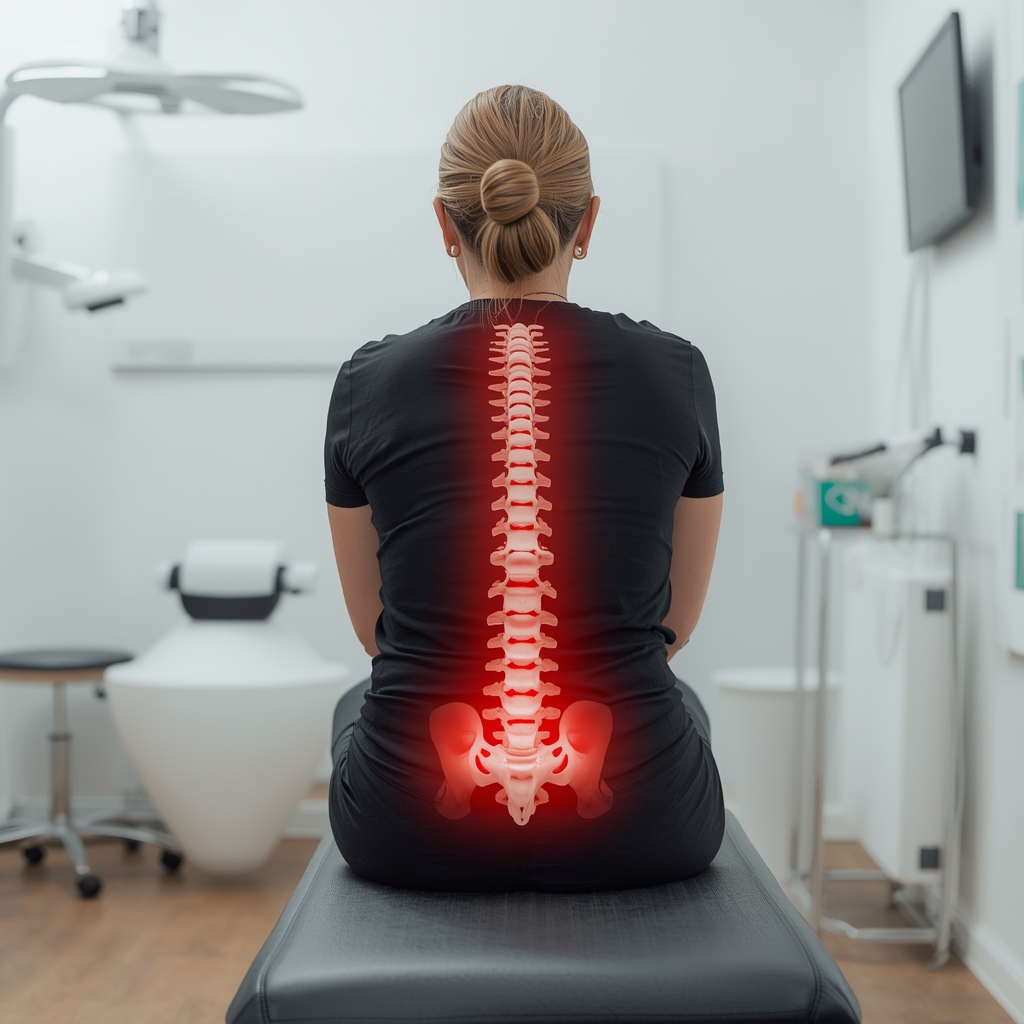
The sacroiliac (SI) joint, located at the base of the spine where the pelvis meets the sacrum, plays a critical role in transferring weight and force between the upper body and legs. Chronic SI joint pain often stems from misalignment, inflammation, or dysfunction in this area. The pelvic floor, a group of muscles and connective tissues supporting the bladder, bowel, and reproductive organs, is anatomically and functionally linked to the SI joint. When the SI joint is compromised, it can create tension or weakness in the pelvic floor, and vice versa. This interdependence means that addressing one area may influence the other, making a holistic approach essential for long-term relief. Understanding this relationship helps explain why combining chiropractic adjustments with pelvic floor therapy can offer more comprehensive solutions for chronic pain.
How Chiropractic Adjustments Address Sacroiliac Joint Dysfunction
Chiropractic adjustments focus on restoring proper alignment and function to the spine and joints, including the sacroiliac joint. Misalignments in the SI joint can lead to pain, reduced mobility, and nerve irritation. A chiropractor may use manual techniques or specialized tools to gently realign the joint, reducing pressure on surrounding nerves and muscles. This process can alleviate pain, improve range of motion, and enhance the body’s natural healing mechanisms. For chronic SI joint issues, adjustments may be part of a broader treatment plan that includes soft tissue work, exercise, and lifestyle modifications. By addressing structural imbalances, chiropractic care aims to create a stable foundation for the pelvis, which can indirectly support the pelvic floor’s function.
The Role of Pelvic Floor Therapy in Chronic Pain Management
Pelvic floor therapy involves targeted exercises, manual techniques, and education to address muscle tension, weakness, or dysfunction in the pelvic floor. Chronic SI joint pain can sometimes originate from or contribute to pelvic floor issues, such as overactive muscles or poor coordination. A physical therapist specializing in pelvic health may use methods like myofascial release, biofeedback, or Kegel exercises to restore balance. This therapy can reduce referred pain, improve posture, and enhance overall pelvic stability. For individuals with SI joint dysfunction, addressing the pelvic floor can alleviate secondary symptoms and prevent recurring pain. When combined with chiropractic care, pelvic floor therapy offers a dual approach to tackle both structural and muscular contributors to chronic discomfort.
How the Two Approaches Complement Each Other
Chiropractic adjustments and pelvic floor therapy work synergistically by addressing different yet interconnected aspects of chronic SI joint pain. Adjustments correct misalignments that may strain the pelvic floor, while pelvic floor therapy strengthens or relaxes muscles that support the SI joint. For example, a misaligned SI joint can cause the pelvic floor to compensate, leading to overuse or weakness. By realigning the spine and pelvis, chiropractic care can reduce this compensatory strain, allowing pelvic floor therapy to be more effective. Conversely, a balanced pelvic floor can stabilize the SI joint, making adjustments more sustainable. This collaborative approach ensures that both structural and muscular factors are addressed, potentially leading to faster recovery and long-term relief for patients with complex or persistent pain.
Collaborative Care: Integrating Chiropractic and Pelvic Floor Therapy
Effective treatment often requires coordination between healthcare providers. A chiropractor and pelvic floor therapist may work together to create a personalized plan that addresses both the spine and pelvic region. This collaboration ensures that adjustments and therapy sessions are timed to maximize benefits and avoid conflicting interventions. For instance, a chiropractor might adjust the SI joint before a pelvic floor session to optimize muscle relaxation. Patients may also receive guidance on exercises, posture, and daily activities that support both systems. Open communication between providers allows for adjustments to the treatment plan based on the patient’s progress. This integrative model highlights the importance of a multidisciplinary approach in managing chronic conditions that involve multiple body systems.
Considering Individual Needs and Professional Guidance
While combining chiropractic adjustments and pelvic floor therapy can be beneficial, the effectiveness of this approach varies depending on the individual’s specific condition, overall health, and response to treatment. It is essential to consult with qualified healthcare professionals, such as a licensed chiropractor and a pelvic health specialist, to determine the most appropriate strategies. These providers can assess the root causes of SI joint pain and tailor interventions to the patient’s needs. Patients should also be open to exploring other complementary therapies, such as physical therapy or lifestyle changes, as part of a comprehensive care plan. By working closely with experts, individuals can make informed decisions about their treatment and achieve better outcomes for chronic sacroiliac joint dysfunction.