Understanding Sciatica in the Third Trimester
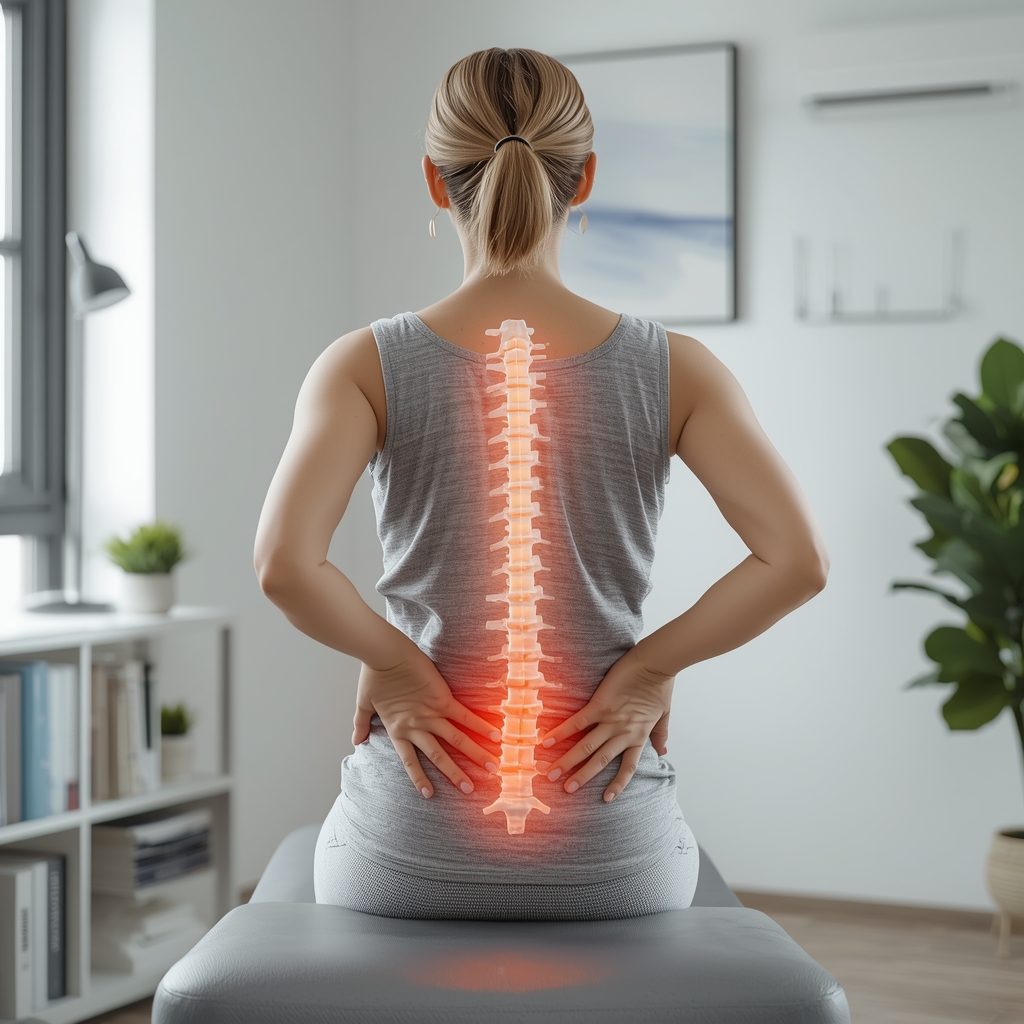
Sciatic pain during the third trimester is common due to hormonal changes, shifting weight, and pressure on the sciatic nerve. The growing uterus can compress nerves, leading to discomfort radiating from the lower back to the legs. While many expectant parents seek relief through medication, chiropractic care offers a non-invasive alternative. Techniques focus on reducing nerve irritation, improving spinal alignment, and enhancing comfort. It’s essential to work with a chiropractor experienced in prenatal care to ensure safety and effectiveness. Regular movement and posture adjustments also play a role, but professional guidance is crucial to avoid risks. Understanding the body’s unique needs during this stage helps tailor care plans that prioritize both maternal and fetal well-being.
Common Chiropractic Techniques for Sciatic Pain
Chiropractors often use gentle, pregnancy-safe techniques to address sciatic pain. The Webster Technique, for example, focuses on balancing the pelvis and relieving pressure on the sciatic nerve. Spinal adjustments are modified to avoid direct pressure on the abdomen, using side-lying or modified tables for comfort. Soft tissue therapies, like myofascial release, may also be employed to ease muscle tension. These methods aim to restore proper nerve function and reduce inflammation. While results vary, many patients report improved mobility and reduced pain. It’s important to note that techniques are continually adapted based on the patient’s stage of pregnancy and individual symptoms, ensuring a safe and effective approach.
How Techniques Are Tailored to Each Patient
Every pregnancy is unique, so chiropractic care for sciatic pain is highly personalized. A practitioner evaluates the patient’s posture, spinal alignment, and symptom patterns to create a customized plan. For instance, someone with severe lower back pain might receive more frequent adjustments, while another may benefit from targeted soft tissue work. The chiropractor also considers the baby’s position and the mother’s comfort level. Adjustments are often performed with specialized cushions or tables to support the body safely. Open communication between patient and provider ensures that techniques evolve as the pregnancy progresses. This individualized approach helps maximize relief while minimizing risks, making care both effective and comfortable.
Safety Considerations During Pregnancy
Safety is a top priority when addressing sciatic pain during the third trimester. Chiropractors use techniques that avoid high-velocity adjustments and focus on gentle, low-force methods. They also avoid areas of the spine that could affect the uterus or fetal positioning. Regular monitoring of the patient’s condition ensures that care remains appropriate throughout pregnancy. Providers may collaborate with obstetricians to address any concerns, especially if there are pre-existing conditions or complications. Patients should always inform their chiropractor about their medical history and any discomfort they experience. By prioritizing safety, chiropractic care can provide relief without compromising the health of the mother or baby.
The Role of Patient History and Communication
Effective chiropractic care for sciatic pain relies heavily on a patient’s medical history and open dialogue with their provider. Information about previous injuries, current symptoms, and pregnancy-specific concerns helps the chiropractor develop a precise treatment plan. For example, a history of back issues may influence the choice of techniques, while new symptoms require immediate attention. Patients are encouraged to share any changes in pain levels or mobility to ensure adjustments remain safe and effective. Regular follow-ups allow for ongoing assessment and modifications to the care plan. This collaborative approach ensures that the patient’s evolving needs are met, fostering trust and better outcomes.
Integrating Chiropractic Care with Other Treatments
Chiropractic care for sciatic pain during pregnancy often complements other therapies. Physical therapy exercises, gentle stretching, and heat application may be recommended alongside adjustments. Patients are advised to maintain proper posture and avoid activities that exacerbate discomfort. While chiropractic care addresses structural issues, it’s important to discuss all treatments with a healthcare provider to ensure they align with prenatal guidelines. Some patients may also benefit from acupuncture or massage therapy, but these should be coordinated with their chiropractor. By integrating multiple approaches, expectant parents can achieve more comprehensive relief. However, all interventions should be guided by qualified professionals to ensure safety and effectiveness throughout the pregnancy.