Understanding Autoimmune Disorders and Chiropractic Care
Autoimmune disorders like rheumatoid arthritis occur when the immune system mistakenly attacks the body’s own tissues, leading to chronic inflammation and joint damage. While conventional treatments focus on managing symptoms and suppressing immune activity, complementary approaches like chiropractic care aim to support overall wellness. Chiropractic care emphasizes spinal alignment and nervous system function, which some practitioners believe may influence immune responses. However, the evidence for its role in autoimmune conditions remains limited, with most research focusing on musculoskeletal benefits rather than immune regulation.
How Chiropractic Care Might Support Immune Function
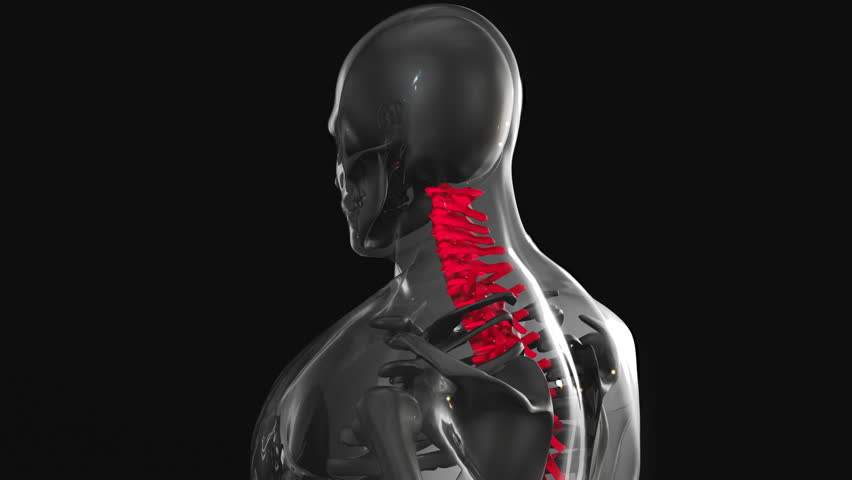
The nervous system and immune system are closely interconnected, and some theories suggest that spinal misalignments (subluxations) could disrupt this communication. By restoring proper spinal alignment, chiropractic adjustments may help optimize nerve function, potentially supporting the body’s natural healing processes. While no direct evidence links chiropractic care to immune modulation in autoimmune disorders, some studies indicate that regular adjustments can reduce stress hormones and improve overall physiological balance. These effects might indirectly benefit individuals with chronic inflammatory conditions, though more research is needed to confirm this relationship.
Evidence from Clinical Observations and Patient Reports
Although large-scale clinical trials are scarce, anecdotal reports and small studies suggest that some patients with autoimmune disorders experience symptom relief through chiropractic care. For example, individuals with rheumatoid arthritis often report reduced pain and improved mobility after receiving adjustments. These outcomes may stem from decreased musculoskeletal stress or enhanced nervous system function rather than direct immune system changes. While such observations are promising, they should not replace conventional medical treatments. Patients are encouraged to discuss chiropractic care as a complementary option with their healthcare providers to ensure a coordinated approach to their condition.
Chiropractic as an Adjunct to Conventional Autoimmune Treatments
Chiropractic care is not a substitute for standard autoimmune therapies, such as medications or physical therapy, but it may serve as a valuable adjunct. By addressing musculoskeletal imbalances and promoting relaxation, chiropractic adjustments could help reduce secondary complications of chronic inflammation, such as joint stiffness or muscle tension. Additionally, some patients find that regular chiropractic visits improve their overall quality of life, making it easier to adhere to other treatment plans. However, the effectiveness of this approach varies, and individual results depend on the severity of the condition and the patient’s response to care.
Challenges in Research and Future Directions
Research on chiropractic care for autoimmune disorders faces significant challenges, including small sample sizes and a lack of standardized protocols. Most studies focus on general musculoskeletal benefits rather than immune-specific outcomes, leaving gaps in understanding how chiropractic might influence autoimmune processes. Future research could explore biomarkers of inflammation or immune activity to better assess potential therapeutic effects. Until more rigorous studies are conducted, healthcare providers and patients should approach chiropractic care for autoimmune conditions with cautious optimism, prioritizing evidence-based treatments while remaining open to complementary strategies.
Consulting Healthcare Providers for Personalized Guidance
For individuals with autoimmune disorders, integrating chiropractic care into their treatment plan requires careful consideration. A qualified chiropractor can evaluate spinal health and develop a tailored approach, but it is essential to coordinate with rheumatologists or other specialists to avoid conflicts with existing therapies. Patients should also be wary of claims that chiropractic care can cure or significantly alter autoimmune conditions, as such assertions lack scientific support. Open communication with healthcare providers ensures that all interventions align with the patient’s overall health goals and medical needs.