Understanding the Gut-Brain Axis and Its Impact on Health
The gut-brain axis refers to the bidirectional communication network linking the gastrointestinal tract and the central nervous system. This connection influences digestion, immunity, and even mental health, with imbalances potentially contributing to conditions like irritable bowel syndrome, anxiety, and chronic fatigue. Chiropractors and functional medicine practitioners both recognize the significance of this system, though they approach it from different angles. Chiropractors focus on spinal alignment and nervous system function, while functional medicine emphasizes holistic, root-cause solutions. By combining their expertise, they can address disruptions in the gut-brain axis more comprehensively, offering patients a multidimensional path to wellness.
The Role of Chiropractic Care in Nervous System Regulation
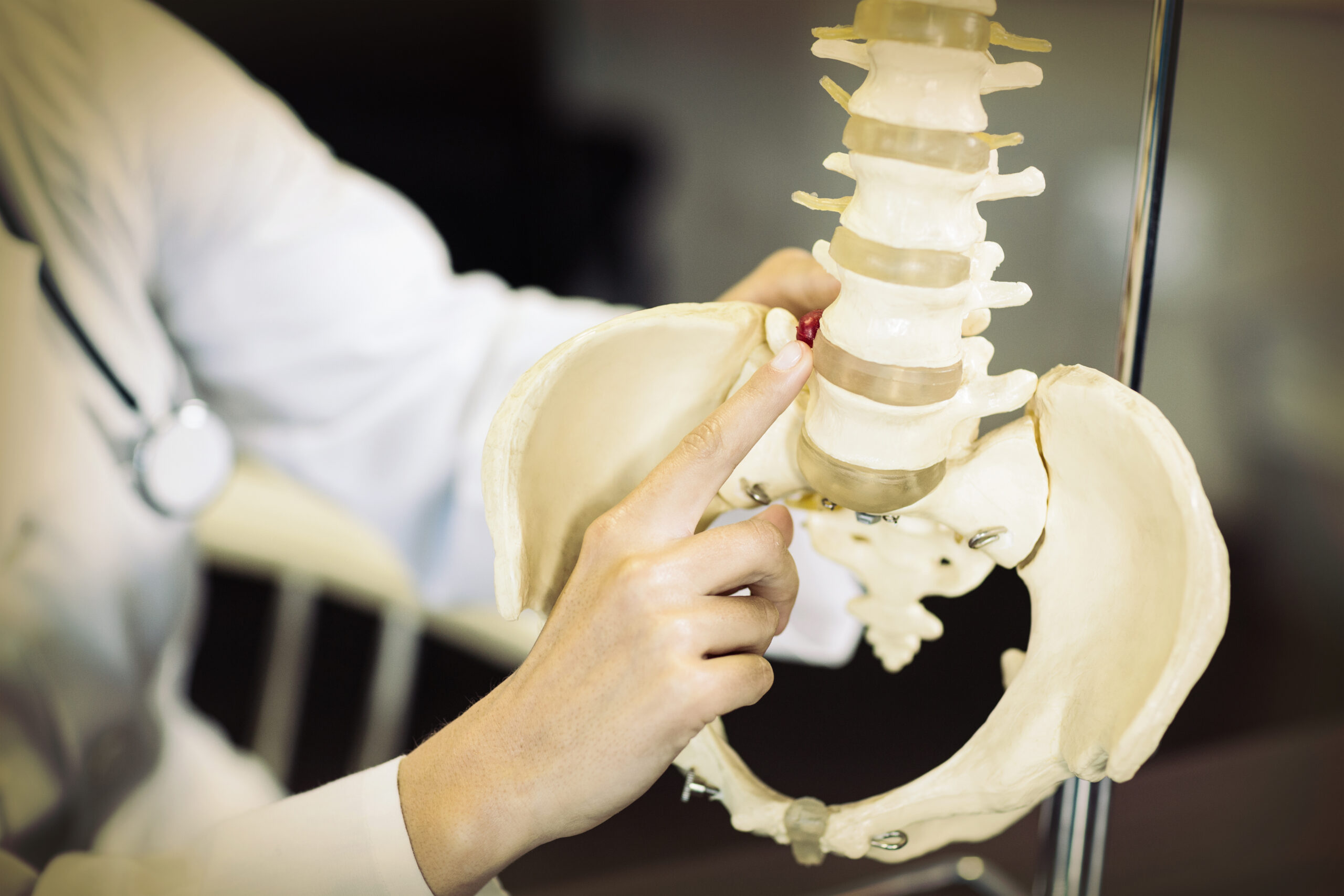
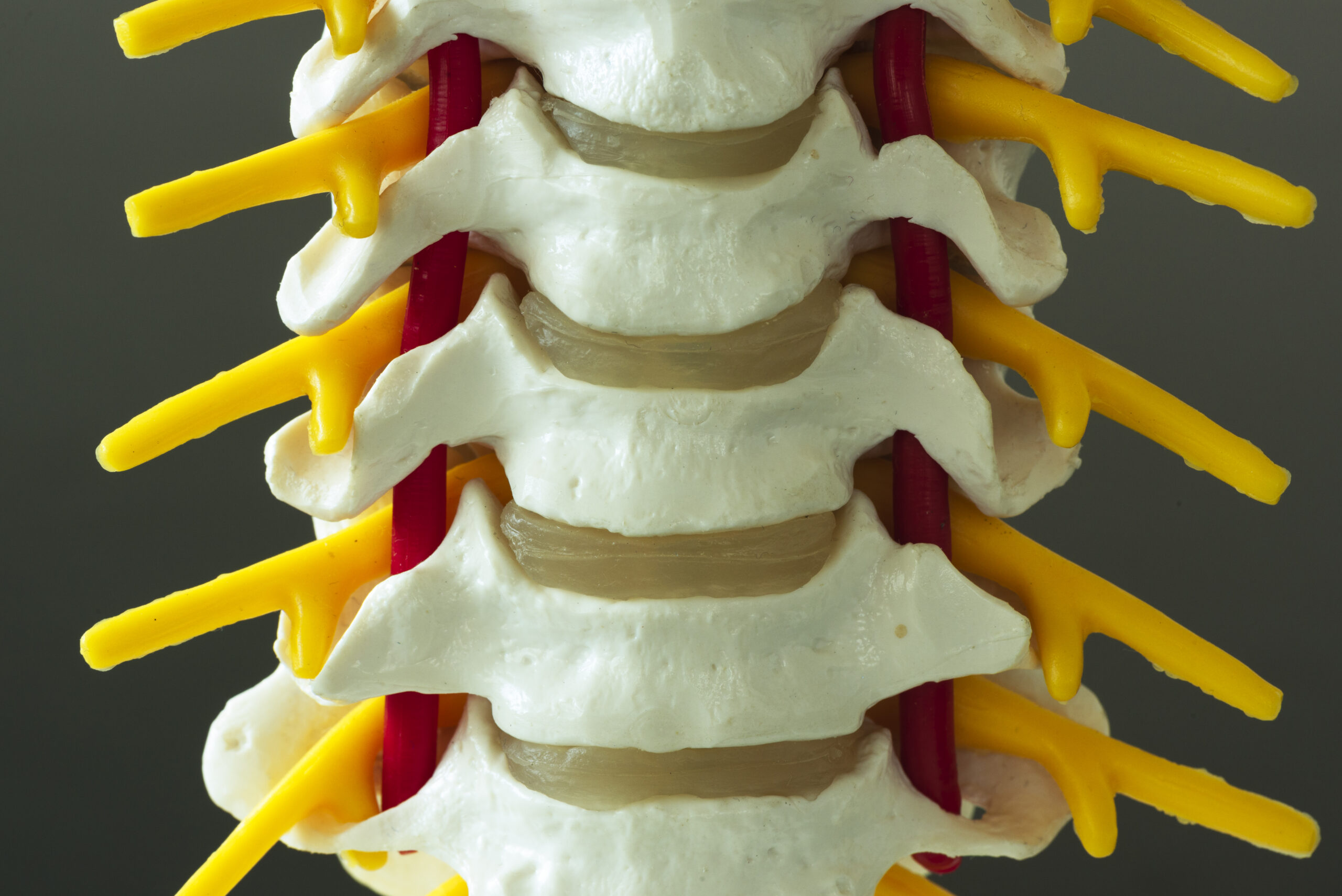
Chiropractic adjustments aim to restore proper spinal alignment, which can enhance nervous system function. Since the gut is heavily influenced by neural signals, misalignments in the spine may interfere with these pathways. Chiropractors often address such imbalances through manual techniques, potentially improving digestion and reducing inflammation. However, spinal adjustments alone may not resolve complex gut-brain issues. Functional medicine practitioners bring specialized knowledge of dietary factors, gut microbiota, and systemic inflammation. Together, they can create a synergistic approach: chiropractic care supports nervous system health, while functional medicine addresses biochemical and nutritional contributors to gut-brain dysfunction.
Functional Medicine’s Focus on Gut Health and Systemic Balance
Functional medicine practitioners prioritize identifying and treating the underlying causes of health issues, often through detailed assessments of diet, lifestyle, and gut health. They may use tools like stool analysis, food sensitivity testing, and microbiome evaluations to pinpoint imbalances. These insights can guide personalized interventions, such as probiotics, anti-inflammatory diets, or targeted supplements. Chiropractors can complement these efforts by ensuring optimal spinal function, which supports the nervous system’s role in regulating digestion and immune responses. This collaboration allows for a more integrated strategy, addressing both structural and biochemical factors that influence the gut-brain axis.
Integrating Nutritional and Lifestyle Interventions
Nutrition plays a critical role in maintaining a healthy gut-brain axis, and functional medicine practitioners are well-equipped to design dietary plans that support gut health. Chiropractors can reinforce these efforts by educating patients on posture, movement, and stress management, which also impact digestion and nervous system function. For example, a patient with chronic constipation might receive dietary recommendations from a functional medicine provider and chiropractic adjustments to relieve nerve compression affecting bowel function. By aligning their recommendations, both professionals can help patients achieve better outcomes. Open communication between practitioners ensures that interventions are coordinated, avoiding conflicts and enhancing overall effectiveness.
Collaborative Treatment Planning for Complex Cases
When dealing with chronic conditions linked to gut-brain imbalances, a collaborative approach is essential. Chiropractors and functional medicine practitioners can jointly develop treatment plans that address both structural and biochemical factors. This might involve scheduling regular check-ins to monitor progress, adjusting interventions as needed, and sharing patient feedback. For instance, a patient with autoimmune-related gut issues might receive chiropractic care to improve nerve function while following a functional medicine protocol to rebalance their microbiome. Such teamwork ensures that all aspects of the patient’s health are considered, fostering a more holistic recovery. This model also empowers patients by providing them with a unified support system.
Building Effective Communication and Referral Networks
Successful collaboration relies on clear communication and mutual respect between chiropractors and functional medicine practitioners. Establishing referral networks allows patients to access both types of care seamlessly, while regular case discussions can enhance treatment coordination. Shared patient education materials and joint workshops can further align their approaches, ensuring consistency in messaging. By fostering these relationships, practitioners create a more comprehensive healthcare ecosystem. Patients benefit from a unified strategy that addresses their physical, biochemical, and neurological needs, ultimately leading to improved outcomes and greater satisfaction with their care journey.