Understanding Shoulder Vulnerability in Baseball Pitchers
Baseball pitchers face unique physical demands that place significant stress on their shoulders, making injury prevention critical. The overhead motion required for pitching creates repetitive strain on the rotator cuff, labrum, and surrounding musculature. Chiropractic care offers a proactive approach to maintain joint mobility, muscle balance, and neuromuscular efficiency. By addressing biomechanical imbalances and optimizing spinal alignment, chiropractors help reduce the risk of overuse injuries. This article explores techniques that support shoulder health while emphasizing the importance of professional guidance for personalized care.
Spinal Adjustments for Postural Optimization
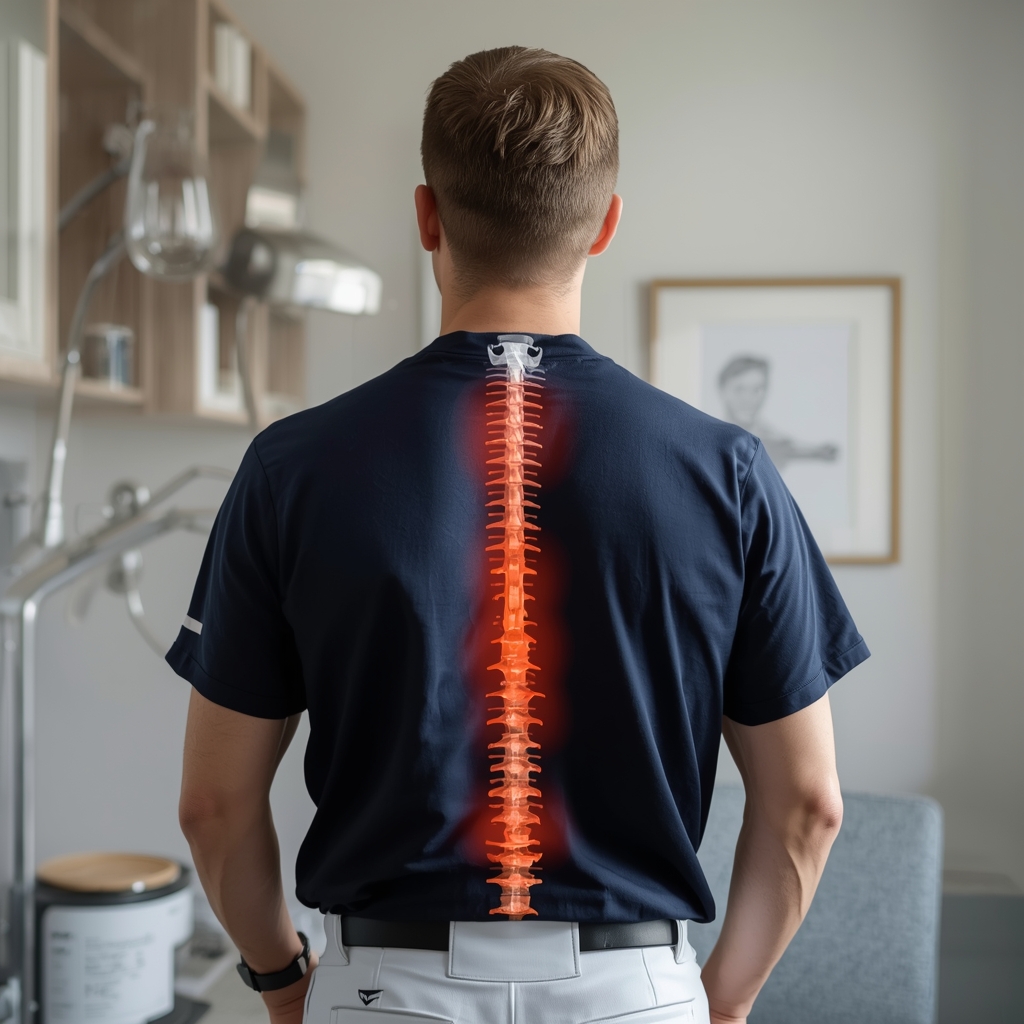
Proper spinal alignment is foundational to shoulder function, as misalignments in the cervical or thoracic spine can alter movement patterns. Chiropractors use spinal adjustments to correct subluxations, improving nerve communication and reducing compensatory stresses on the shoulder complex. For pitchers, this may involve targeted adjustments to the thoracic spine to enhance rotational mechanics and alleviate pressure on the shoulder joint. Regular spinal care helps maintain the body’s natural alignment, which is essential for the high-impact, repetitive motions inherent in pitching. However, these interventions should always be performed by a licensed chiropractor to ensure safety and effectiveness.
Soft Tissue Techniques for Muscle Balance
Soft tissue therapies like Active Release Technique (ART) and Graston Technique are valuable for addressing muscle tightness and adhesions that contribute to shoulder instability. Pitchers often develop imbalances between the anterior and posterior shoulder muscles, increasing injury risk. These methods target specific areas of tension, restoring flexibility and promoting optimal muscle function. By breaking down scar tissue and improving circulation, soft tissue work supports the shoulder’s ability to withstand repetitive motion. While these techniques can be beneficial, their application requires expertise to avoid over-treatment or improper targeting of sensitive structures.
Corrective Exercises for Functional Stability
Chiropractors frequently incorporate corrective exercises to strengthen the muscles that stabilize the shoulder joint. Rotator cuff strengthening, scapular stabilization, and core engagement are key components of injury prevention programs. These exercises improve proprioception and neuromuscular control, which are vital for maintaining proper mechanics during pitching. Customized routines, developed in collaboration with a chiropractor, address individual weaknesses and movement dysfunctions. Consistent practice of these exercises can enhance resilience to the forces experienced during pitching. As with all interventions, adherence to professional guidance ensures exercises are performed safely and effectively.
Injury Prevention Through Regular Maintenance
Proactive chiropractic care emphasizes routine evaluations and adjustments to sustain shoulder health throughout a pitcher’s season. Regular check-ups help identify early signs of imbalance or dysfunction before they escalate into serious injuries. This may include assessments of range of motion, muscle strength, and joint mobility. Chiropractors also educate athletes on proper warm-up protocols, recovery strategies, and lifestyle adjustments to support long-term wellness. By integrating chiropractic care into their training regimen, pitchers can maintain peak performance while minimizing injury risks. However, these strategies should be tailored to each individual’s needs through professional consultation.
Collaborating with a Qualified Chiropractor
While various techniques show promise in preventing shoulder injuries, their effectiveness depends on proper application by trained professionals. Chiropractors specializing in sports performance understand the unique demands of baseball and can design comprehensive care plans. They may combine adjustments, soft tissue work, and exercise prescriptions to address specific risk factors. Open communication with a chiropractor ensures that interventions align with an athlete’s goals and physical condition. Ultimately, chiropractic care serves as a complementary approach to traditional training, offering a holistic strategy for injury prevention. Always consult a licensed provider to determine the best course of action for your needs.