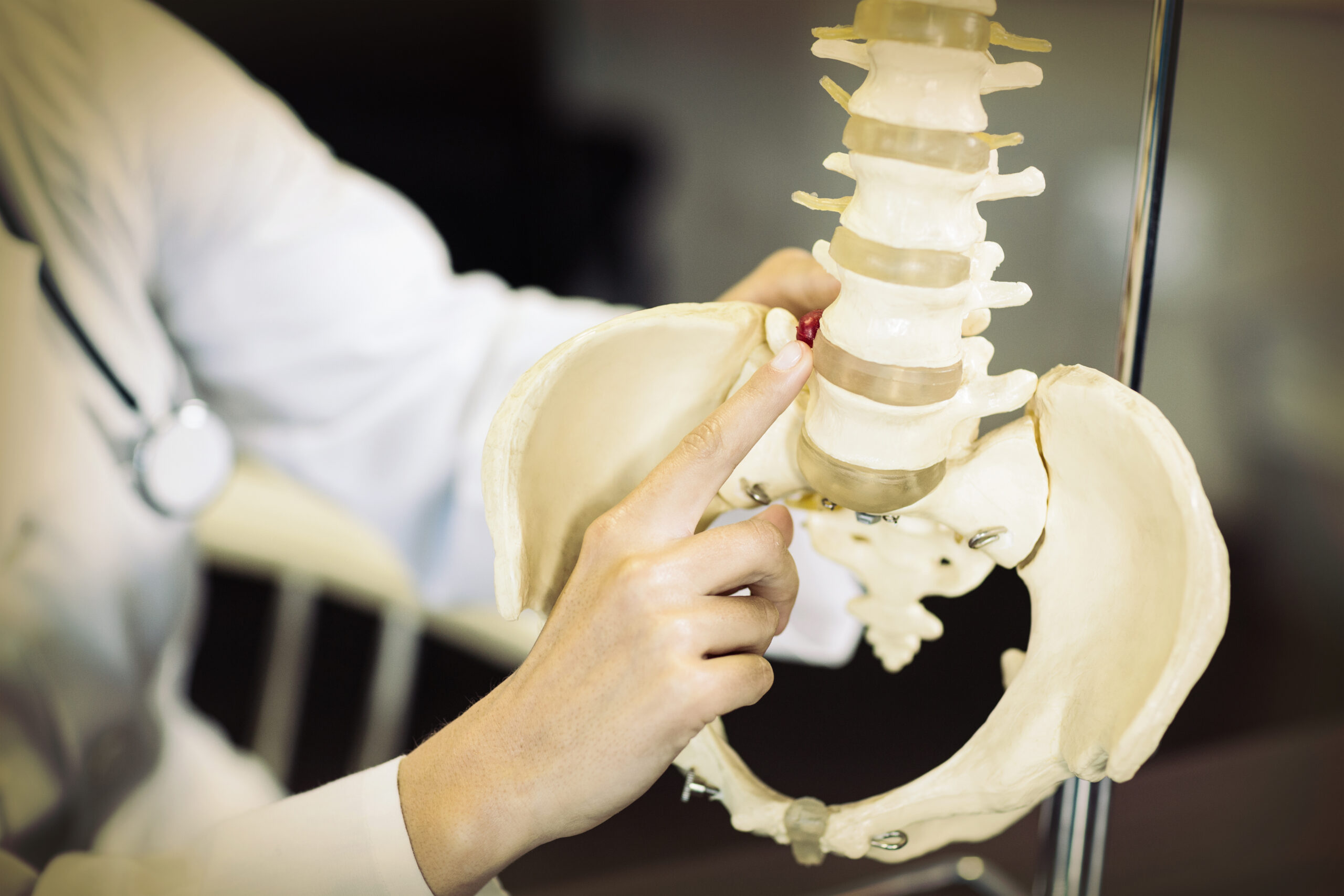
Understanding Myofascial Pain in the Thoracic Spine
Myofascial pain in the thoracic spine involves discomfort originating from trigger points in the muscles and their connective tissues. This condition often presents as persistent aching, restricted movement, or referred pain to other areas. The thoracic region’s complexity, with its interplay of muscles, ribs, and spinal structures, makes isolated treatment challenging. Patients may experience symptoms that persist despite conventional approaches, highlighting the need for integrated strategies. Chiropractors and massage therapists bring complementary expertise to address these issues, combining musculoskeletal alignment with soft tissue rehabilitation. By collaborating, they can tackle both structural and muscular contributors to pain, offering a more holistic solution. This partnership emphasizes the importance of understanding the interconnected nature of the body’s systems to achieve optimal outcomes.
Complementary Roles of Chiropractic and Massage Therapy
Chiropractors focus on spinal alignment and nervous system function, using adjustments to correct misalignments that may contribute to myofascial pain. Massage therapists, meanwhile, target soft tissues, releasing tension, improving circulation, and breaking up adhesions. Together, their approaches address both the mechanical and physiological aspects of pain. For example, a chiropractor might realign the thoracic spine to reduce nerve irritation, while a massage therapist works on tight muscles like the rhomboids or erector spinae. This synergy can enhance mobility, reduce inflammation, and alleviate pain more effectively than either method alone. Patients often benefit from a treatment plan that integrates both disciplines, ensuring comprehensive care. By leveraging their distinct skills, practitioners can create a balanced approach that supports long-term recovery and prevents recurrence.
Synergistic Treatment Protocols
Collaborative treatment protocols often begin with a thorough assessment by both professionals to identify key areas of dysfunction. Chiropractors may use spinal adjustments to restore proper biomechanics, while massage therapists employ techniques like myofascial release or trigger point therapy to address muscle tightness. Active Release Technique (ART) is particularly effective for treating soft tissue restrictions, complementing chiropractic care by improving tissue elasticity. Regular communication between practitioners ensures treatments are timed to maximize effectiveness, such as performing massage before adjustments to loosen muscles. This coordinated approach can reduce pain, improve range of motion, and enhance overall function. By aligning their interventions, chiropractors and massage therapists create a unified strategy that addresses both structural and muscular imbalances, leading to more sustainable results for patients with complex thoracic pain.
Enhancing Communication and Coordination
Effective collaboration relies on open communication between chiropractors and massage therapists. Regular case discussions allow both professionals to share insights about a patient’s progress, adjust treatment plans, and avoid conflicting interventions. For instance, a massage therapist might inform a chiropractor about muscle tightness patterns, while the chiropractor reports on spinal alignment improvements. This exchange ensures treatments are complementary rather than redundant. Digital tools, such as shared patient records or secure messaging platforms, can streamline this process. Additionally, interdisciplinary training or workshops foster mutual understanding of each other’s techniques. By prioritizing teamwork, practitioners create a cohesive care environment that empowers patients to achieve better outcomes. This level of coordination not only improves treatment efficacy but also enhances the patient experience through consistent, well-coordinated care.
Patient-Centered Care and Customized Approaches
Every patient’s thoracic myofascial pain presents uniquely, requiring personalized treatment strategies. Collaboration between chiropractors and massage therapists enables the creation of tailored plans that consider individual needs, preferences, and goals. For example, a patient with chronic stiffness might benefit from a combination of spinal adjustments and deep tissue massage, while someone with acute pain may need gentler techniques. Regular patient feedback is crucial to refining these approaches, ensuring treatments remain effective and comfortable. This patient-centered model emphasizes education, empowering individuals to understand their condition and participate in their care. By working together, practitioners can address not only physical symptoms but also factors like posture, lifestyle, and stress that may contribute to pain. This holistic perspective fosters long-term wellness and reduces the likelihood of recurring issues.
Overcoming Challenges in Integrated Care
Despite the benefits of collaboration, challenges such as differing treatment philosophies or logistical barriers may arise. Miscommunication about treatment goals or techniques can lead to inconsistencies in care. To address this, establishing clear guidelines and mutual respect for each other’s expertise is essential. Shared continuing education opportunities can bridge knowledge gaps and promote a unified approach. Insurance coverage and billing practices may also complicate integrated care, requiring practitioners to navigate administrative hurdles together. Patient education plays a role in managing expectations, ensuring individuals understand the value of combined treatments. By proactively addressing these challenges, chiropractors and massage therapists can build strong partnerships that prioritize patient well-being. This commitment to collaboration ultimately leads to more effective, cohesive care for those struggling with complex thoracic myofascial pain.