Understanding Diabetic Neuropathy and Nerve Health
Diabetic neuropathy is a common complication of diabetes, characterized by nerve damage that often affects the feet and hands. This condition can cause symptoms like numbness, tingling, and pain, significantly impacting daily life. While conventional treatments focus on blood sugar control and medication, some patients explore complementary approaches. Chiropractic care, with its emphasis on nervous system function, may offer additional support. By addressing spinal alignment and nerve mobility, chiropractors aim to alleviate symptoms and improve overall nerve health. However, it’s essential to approach these methods as part of a broader care plan, not a standalone solution.
What Are Nerve Mobilization Techniques?
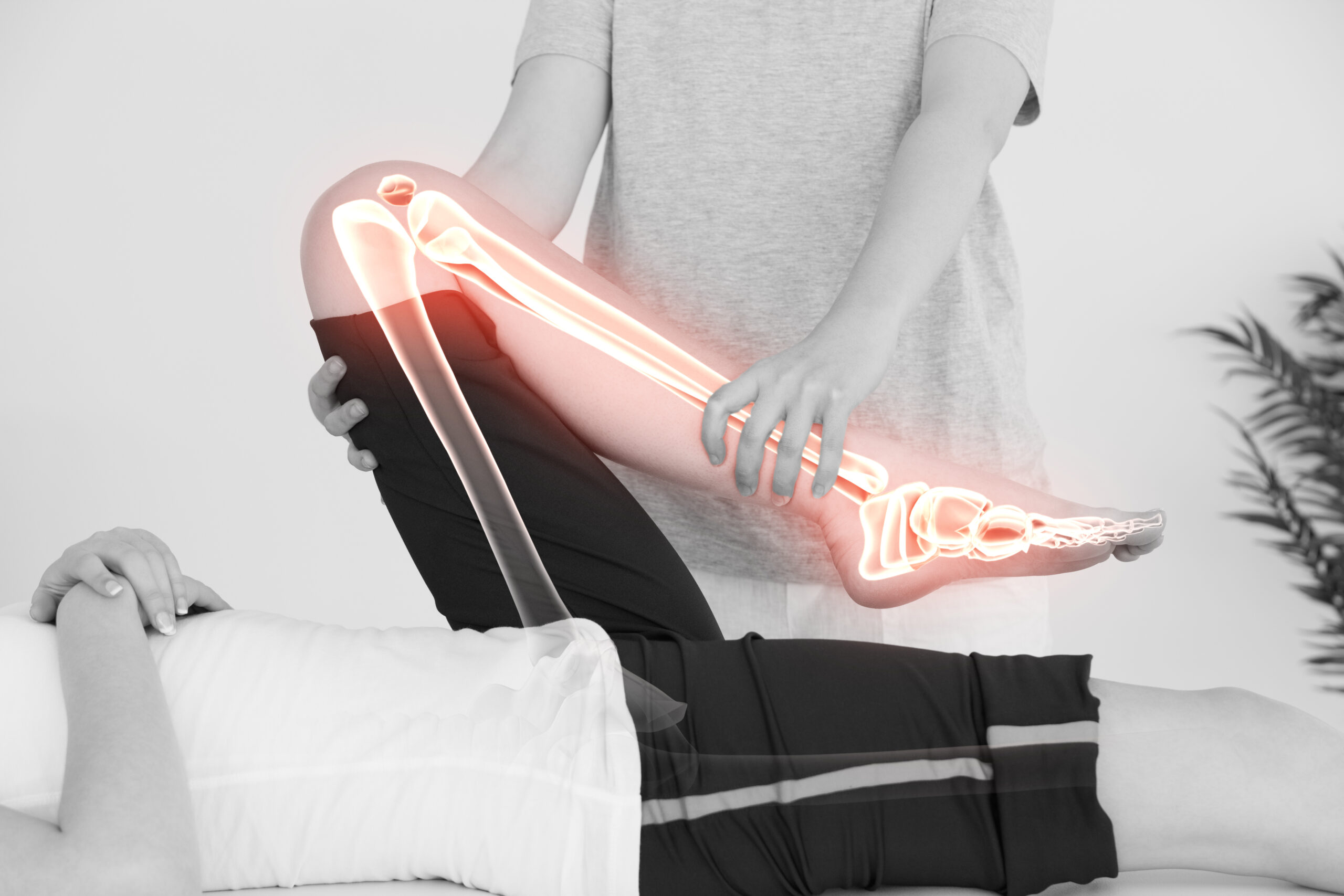
Nerve mobilization, also known as neural mobilization, involves gentle movements and stretches designed to improve the gliding and flexibility of nerves. These techniques can reduce nerve compression and enhance blood flow, potentially easing discomfort. For conditions like diabetic neuropathy, where nerves may be sensitive or restricted, such methods might help restore function. Chiropractors often use these strategies alongside other adjustments to address nerve-related issues. While research on their effectiveness for neuropathy is limited, many patients report improved symptoms. It’s important to note that these techniques should be performed by trained professionals to avoid injury and ensure safety.
How Chiropractic Care May Support Symptom Management
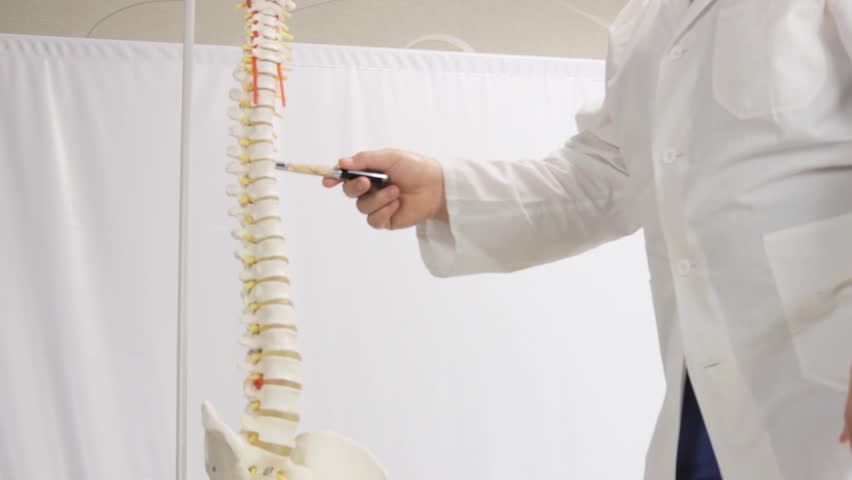
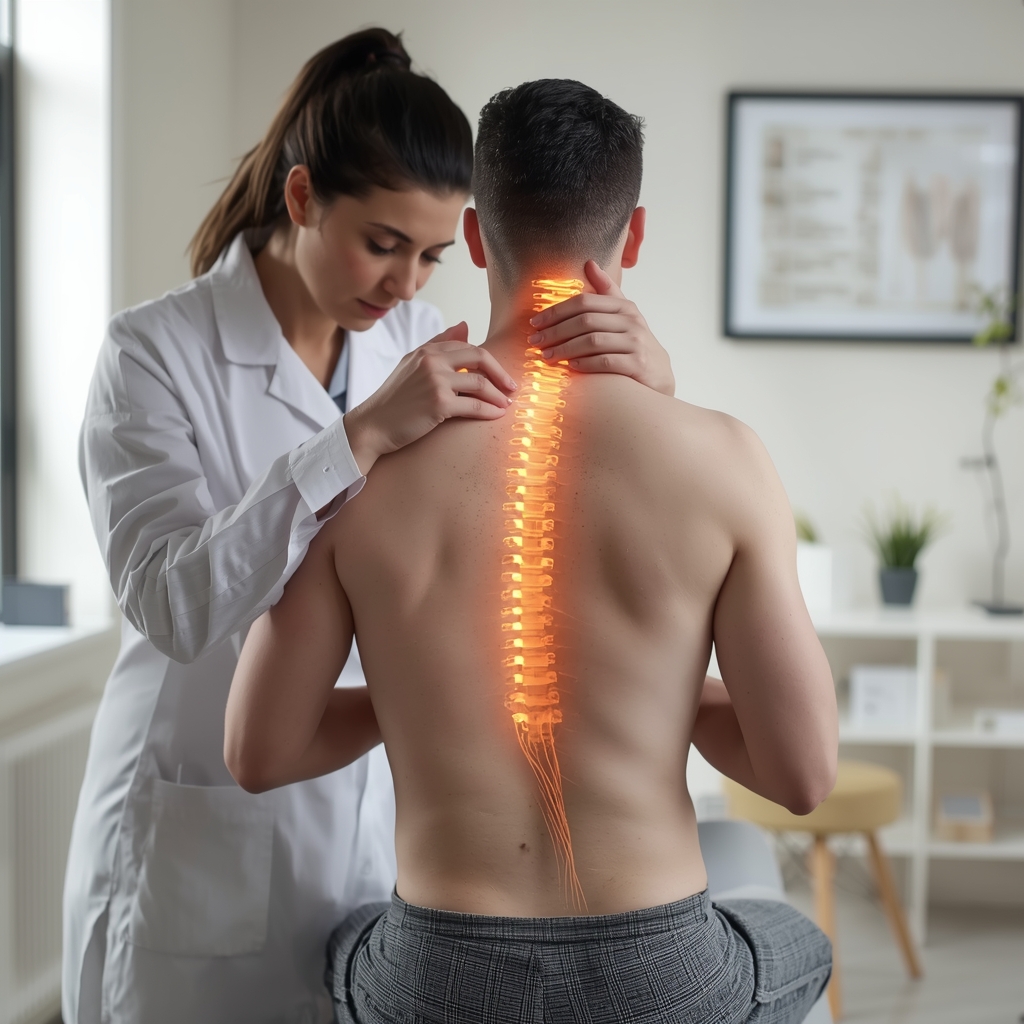
Chiropractic care focuses on the relationship between the spine and nervous system, suggesting that spinal misalignments could contribute to nerve dysfunction. By using adjustments and mobilization techniques, chiropractors aim to reduce pressure on nerves and promote optimal function. For diabetic neuropathy, this approach might help alleviate pain and improve sensation in affected areas. Some practitioners also incorporate soft tissue therapies or lifestyle guidance to support overall nerve health. While not a cure, these interventions could complement traditional medical treatments. Patients considering chiropractic care should discuss their options with a healthcare provider to ensure a coordinated approach.
Considerations and Safety Precautions
Before pursuing chiropractic care for diabetic neuropathy, individuals should consult their primary healthcare provider, especially if they have other diabetes-related complications. Nerve mobilization techniques require careful execution to avoid exacerbating symptoms or causing injury. Chiropractors must be aware of the patient’s medical history and tailor their methods accordingly. It’s also crucial to distinguish between general chiropractic care and specialized nerve-focused treatments. While many find these approaches beneficial, results can vary, and they should not replace evidence-based medical care. Patients should monitor their responses and communicate openly with their chiropractor to adjust the plan as needed.
Integrating Chiropractic Care with Other Treatments
Diabetic neuropathy management typically involves a multidisciplinary approach, combining medication, lifestyle changes, and physical therapy. Chiropractic care can be part of this strategy, offering non-invasive support for nerve-related symptoms. For example, nerve mobilization techniques might enhance the effectiveness of physical therapy by improving nerve mobility. However, it’s vital to coordinate with other healthcare providers to avoid conflicts or overlaps in treatment. Patients should share their full treatment plan with their chiropractor to ensure safety and consistency. While chiropractic care can provide relief, it works best when integrated with established medical practices tailored to the individual’s needs.
Conclusion: A Complementary Approach to Nerve Health
Chiropractic care, particularly through nerve mobilization techniques, may offer a complementary option for managing diabetic neuropathy symptoms. By focusing on nervous system function and spinal health, these approaches aim to reduce discomfort and improve quality of life. However, they should not replace conventional medical treatments but rather support them. Patients interested in chiropractic care should seek qualified professionals and maintain open communication with their healthcare team. As research continues, the role of chiropractic interventions in nerve health may become clearer, providing more options for those seeking holistic care.