Understanding Migraines and Their Triggers
Migraines are complex neurological conditions characterized by severe headaches, often accompanied by nausea, light sensitivity, and visual disturbances. While the exact causes vary, triggers like stress, hormonal changes, and environmental factors play a role. Emerging research suggests that musculoskeletal imbalances and dietary influences may also contribute. Chiropractic care and dietary modifications offer complementary approaches to address these factors. By focusing on spinal alignment and nutritional habits, patients may experience reduced migraine frequency and intensity. However, it’s essential to consult a qualified chiropractor to tailor strategies to individual needs, as no single solution works for everyone.
Chiropractic Care's Role in Migraine Management
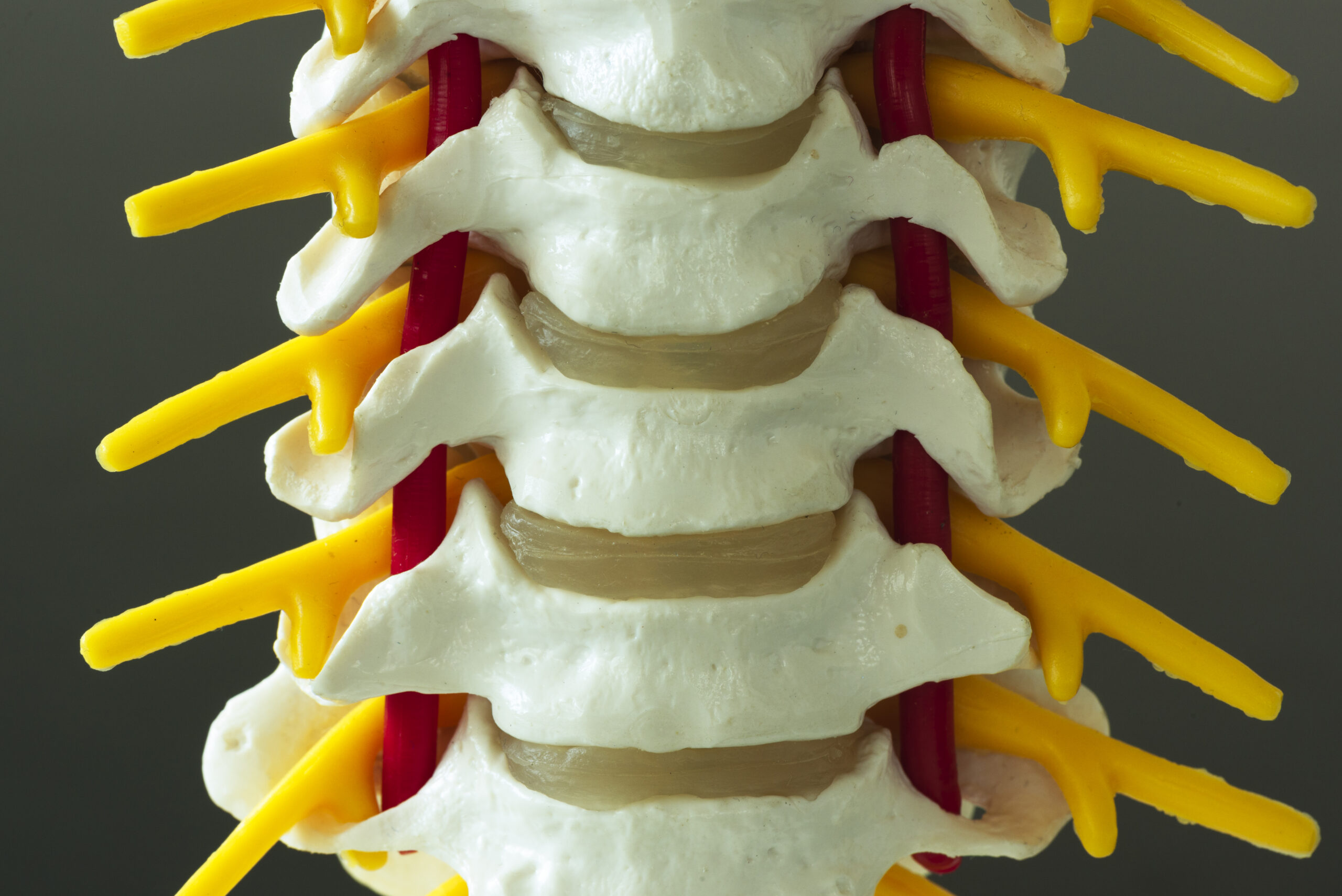
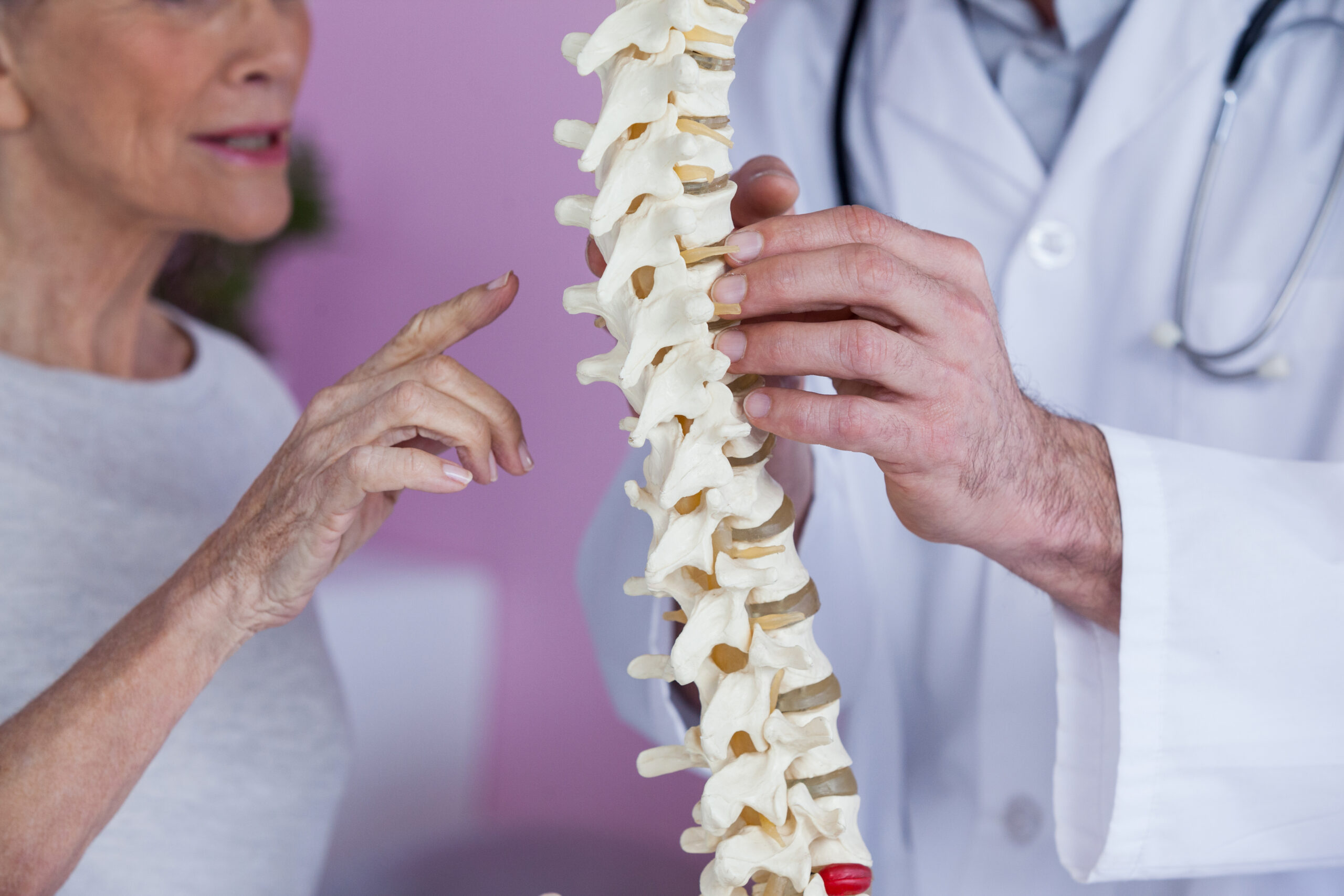
Chiropractic adjustments aim to correct spinal misalignments, which may alleviate pressure on nerves and improve overall bodily function. For migraine sufferers, this can reduce tension in the neck and head, a common contributor to headaches. Spinal manipulation may also enhance blood flow and reduce inflammation, addressing physiological factors linked to migraines. While chiropractic care is not a cure, many patients report fewer episodes after regular sessions. It’s important to note that results vary, and care should be part of a broader, personalized plan. A chiropractor can evaluate your condition and determine if adjustments are appropriate, often in conjunction with other therapies.
The Impact of Diet on Migraine Frequency
Dietary choices can significantly influence migraine patterns. Common triggers include processed foods, artificial additives, caffeine, and foods high in tyramine or histamine. Conversely, anti-inflammatory diets rich in fruits, vegetables, and omega-3 fatty acids may help reduce inflammation and nerve sensitivity. Staying hydrated and maintaining stable blood sugar levels are also key. However, identifying specific triggers requires careful tracking, as individual responses differ. While dietary changes alone may not eliminate migraines, they can complement other treatments. A chiropractor or nutritionist can guide patients in making informed choices without over-relying on restrictive diets.
Synergistic Effects of Chiropractic and Diet
Combining chiropractic care with dietary adjustments may create a holistic approach to migraine management. Spinal alignment can improve nerve function, potentially enhancing the body’s ability to process nutrients and reduce inflammation. Meanwhile, a balanced diet supports overall health, which may amplify the benefits of chiropractic treatments. For example, reducing inflammatory foods could lessen the burden on the nervous system, making adjustments more effective. This synergy underscores the importance of addressing both physical and nutritional factors. However, patients should work with healthcare providers to ensure these strategies align with their unique health profiles and avoid conflicting approaches.
Practical Dietary Modifications for Migraine Sufferers
Simple dietary changes can help manage migraines without drastic restrictions. Keeping a food diary to track triggers is a starting point, allowing patients to identify problematic items. Incorporating magnesium-rich foods like leafy greens and nuts may ease muscle tension, while avoiding excessive salt can prevent fluid retention linked to headaches. Some individuals benefit from eliminating common culprits like aged cheeses or processed meats. Staying hydrated and eating regular, balanced meals also supports stability. While these steps are generally safe, they should not replace professional medical advice. A chiropractor can help integrate these changes into a broader care plan, ensuring they complement other treatments effectively.
Collaborating with Healthcare Providers
Effective migraine management often requires a team approach. Chiropractors can work alongside nutritionists, primary care physicians, and specialists to create a cohesive strategy. Open communication ensures that dietary changes and spinal adjustments align with other treatments, such as medications or stress-reduction techniques. Patients should discuss all interventions with their providers to avoid conflicts or unnecessary risks. For instance, certain supplements may interact with medications, while aggressive dietary restrictions could lead to nutritional deficiencies. By fostering collaboration, patients gain access to well-rounded care that addresses both structural and metabolic aspects of migraines, improving long-term outcomes.