Understanding Chronic Migraines and Complementary Therapies
Chronic migraines affect millions, often resistant to conventional treatments. Many seek complementary approaches to manage symptoms and improve quality of life. Chiropractic care and acupuncture, both rooted in holistic principles, are increasingly explored for their potential to address pain through natural, non-invasive methods. While chiropractic focuses on spinal alignment and nervous system function, acupuncture targets energy flow and pain pathways. Together, they offer a dual approach to migraine management, addressing physical and physiological factors that contribute to recurring headaches.
How Chiropractic Care Addresses Migraine Triggers
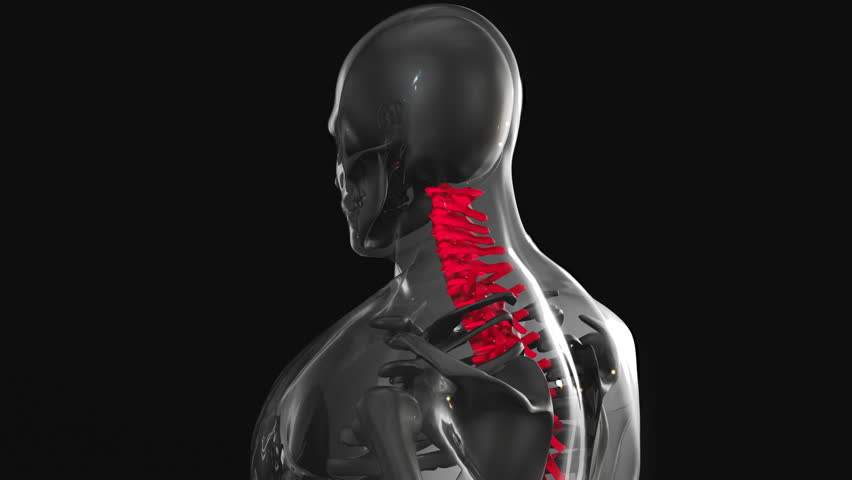
Chiropractic adjustments aim to correct spinal misalignments, or subluxations, which may irritate nerves and contribute to migraines. By restoring proper alignment, chiropractors help reduce tension in the neck and upper back—common areas linked to headache triggers. This can alleviate pressure on blood vessels and nerves, potentially decreasing the frequency and intensity of migraines. Additionally, chiropractic care often includes soft tissue therapies and lifestyle advice to support overall musculoskeletal health, further reducing stress-related migraine episodes.
The Role of Acupuncture in Migraine Relief
Acupuncture involves inserting thin needles into specific points on the body to stimulate healing and balance. For migraines, it is believed to reduce inflammation, improve blood flow, and modulate pain signals. Studies suggest acupuncture may help regulate neurotransmitters like serotonin, which play a role in headache development. Its non-pharmacological nature makes it an appealing option for those seeking to avoid medication overuse. Acupuncture sessions are typically tailored to individual patterns of imbalance, offering a personalized approach to migraine prevention and symptom management.
Synergistic Benefits of Combining Chiropractic and Acupuncture
When used together, chiropractic care and acupuncture can create a complementary effect. Chiropractic adjustments may address structural issues contributing to nerve irritation, while acupuncture targets pain pathways and systemic imbalances. This dual strategy can enhance pain relief and improve treatment outcomes. For example, a chiropractor might realign the spine to reduce tension, while an acupuncturist stimulates points to ease muscle tightness and promote relaxation. Patients often report reduced reliance on pain medication and improved overall well-being when these therapies are integrated into a comprehensive care plan.
Patient Considerations and Safety
Before pursuing chiropractic care or acupuncture, it is essential to consult a qualified healthcare provider. Both therapies are generally safe when performed by trained professionals, but individual responses may vary. Patients should disclose their medical history, current medications, and any ongoing treatments to ensure compatibility. For chronic migraines, a personalized approach is critical—what works for one person may not suit another. Open communication with both a chiropractor and acupuncturist helps tailor treatments to specific needs, maximizing safety and effectiveness while minimizing risks.
Conclusion: A Holistic Path to Migraine Management
Chiropractic care and acupuncture offer complementary tools for managing chronic migraines, addressing both structural and systemic factors. While chiropractic focuses on spinal health and nerve function, acupuncture targets energy flow and pain modulation. Together, they provide a multifaceted approach that may reduce reliance on medication and improve long-term outcomes. As with any treatment, individualized care and professional guidance are key. By exploring integrative options, patients can take a proactive role in their health, potentially finding relief that aligns with their wellness goals.