Understanding Chronic Achilles Tendinopathy
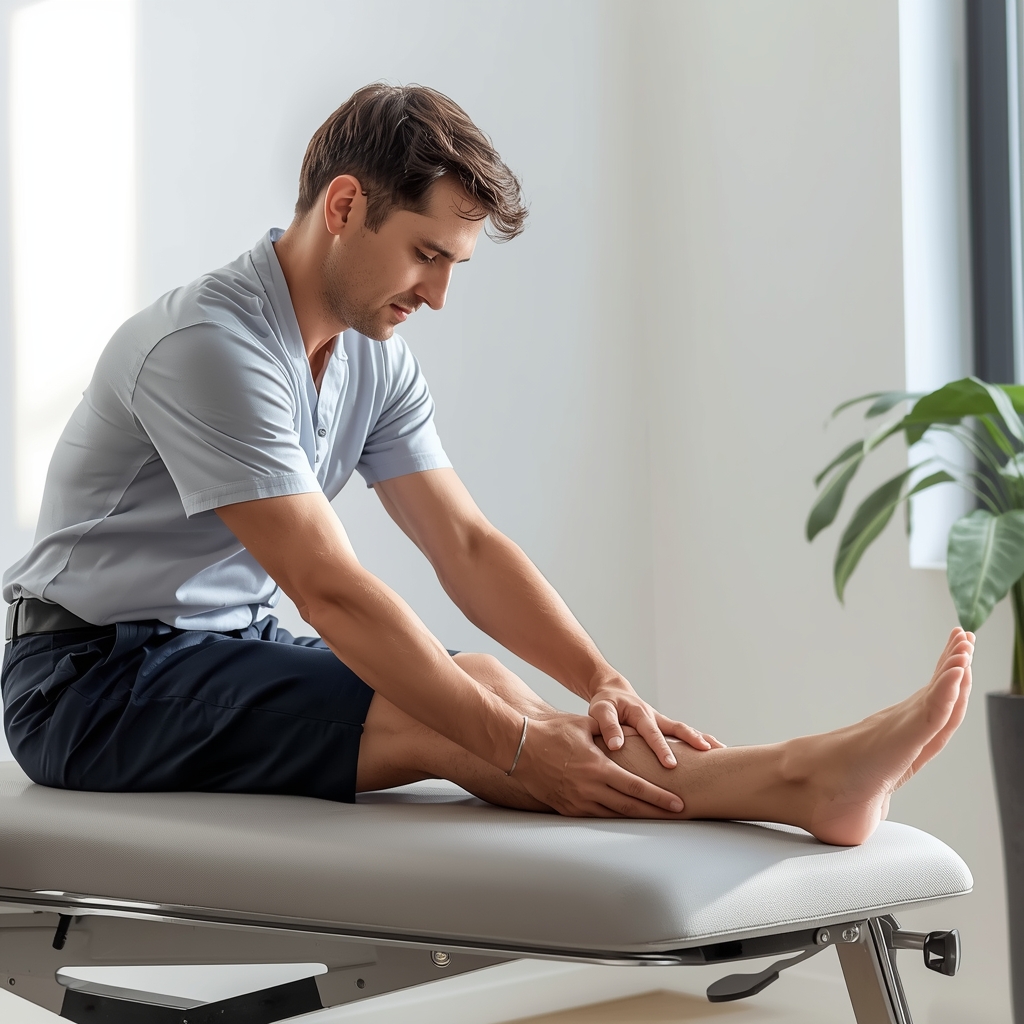
Chronic Achilles tendinopathy is a persistent condition affecting the Achilles tendon, which connects the calf muscles to the heel bone. It often develops from repetitive strain, overuse, or improper biomechanics, leading to pain, stiffness, and reduced mobility. Unlike acute injuries, this condition involves degeneration of the tendon tissue rather than inflammation, making it challenging to treat. Common symptoms include morning stiffness, pain during activity, and tenderness along the tendon. Without proper intervention, it can significantly impact daily function and quality of life. While rest, physical therapy, and medication are traditional approaches, many patients seek alternative methods like the Graston Technique to address underlying soft tissue restrictions and promote healing.
What Is the Graston Technique?
The Graston Technique is a form of instrument-assisted soft tissue mobilization that uses specialized tools to detect and treat areas of scar tissue or adhesions in muscles, tendons, and ligaments. Developed in the 1990s, it is often used by chiropractors, physical therapists, and sports medicine professionals to improve mobility and reduce pain. The technique involves gently scraping the skin with the tools to break up fibrosis and stimulate blood flow, which may enhance the body’s natural healing processes. By targeting specific regions of tension, the Graston Technique aims to restore normal tissue function and alleviate discomfort. It is commonly applied to conditions involving soft tissue dysfunction, including those affecting the Achilles tendon. While not a standalone treatment, it is often integrated with other therapies to optimize outcomes for patients with chronic conditions.
How Graston Technique Supports Tendon Recovery
The Graston Technique may aid in the recovery of chronic Achilles tendinopathy by addressing the structural changes that occur in the tendon over time. By using handheld instruments to identify and manipulate areas of scar tissue or adhesions, practitioners can help restore the tendon’s natural elasticity and function. This process may reduce pain and improve range of motion, allowing patients to engage in rehabilitation exercises more effectively. Additionally, the technique is believed to stimulate the production of collagen, a key component of tendon repair. While research on its specific efficacy for Achilles tendinopathy is limited, many clinicians report positive results when combining Graston with other interventions like stretching, strengthening, and activity modification. It is important to note that individual responses can vary, and the technique should always be performed by a trained professional to ensure safety and effectiveness.
Key Mechanisms of Action
The Graston Technique works through several physiological mechanisms to support recovery. One primary effect is the breakdown of scar tissue and adhesions, which can form in response to chronic inflammation or repetitive microtrauma in the Achilles tendon. By manually separating these restrictive tissues, the technique may improve blood circulation and nutrient delivery to the affected area, promoting healing. It also activates mechanoreceptors in the soft tissues, which can help reduce pain signals and enhance proprioception. Furthermore, the controlled pressure applied during the procedure may stimulate the release of anti-inflammatory substances, potentially easing discomfort. These combined effects can create a more favorable environment for tissue repair, though the exact biological pathways remain an area of ongoing research. Patients often describe a sense of relief or increased mobility after sessions, though results are typically gradual and require consistent treatment.
Patients’ Experiences and Outcomes
Many patients with chronic Achilles tendinopathy report improved symptoms after incorporating the Graston Technique into their treatment plan. While individual experiences vary, common feedback includes reduced pain, greater flexibility, and the ability to resume physical activities with less discomfort. Some describe a “tightening” sensation during sessions, which is often followed by a noticeable loosening of the tendon and surrounding muscles. Others note that the technique helps them identify areas of tension they were previously unaware of, guiding more targeted rehabilitation efforts. However, it is essential to approach the Graston Technique as part of a comprehensive care strategy rather than a standalone solution. Consistency, proper technique, and collaboration with a qualified provider are key to achieving lasting results. Patients should also be prepared for a gradual process, as chronic conditions often require time and multiple interventions to address fully.
Consulting a Professional for Personalized Care
While the Graston Technique shows promise for supporting recovery in chronic Achilles tendinopathy, it is not a one-size-fits-all solution. Each patient’s condition, lifestyle, and goals are unique, requiring a tailored approach. A qualified chiropractor or therapist can assess the specific needs of the Achilles tendon and determine whether Graston is an appropriate component of the treatment plan. They may also recommend complementary strategies, such as exercise therapy, orthotics, or activity adjustments, to maximize outcomes. It is crucial to seek care from a licensed professional with experience in instrument-assisted soft tissue mobilization to ensure safety and effectiveness. Patients should communicate openly about their symptoms and expectations to foster a collaborative relationship. By working with an expert, individuals can explore the potential benefits of the Graston Technique while minimizing risks and optimizing their recovery journey.