Understanding Arthritis in Senior Cats
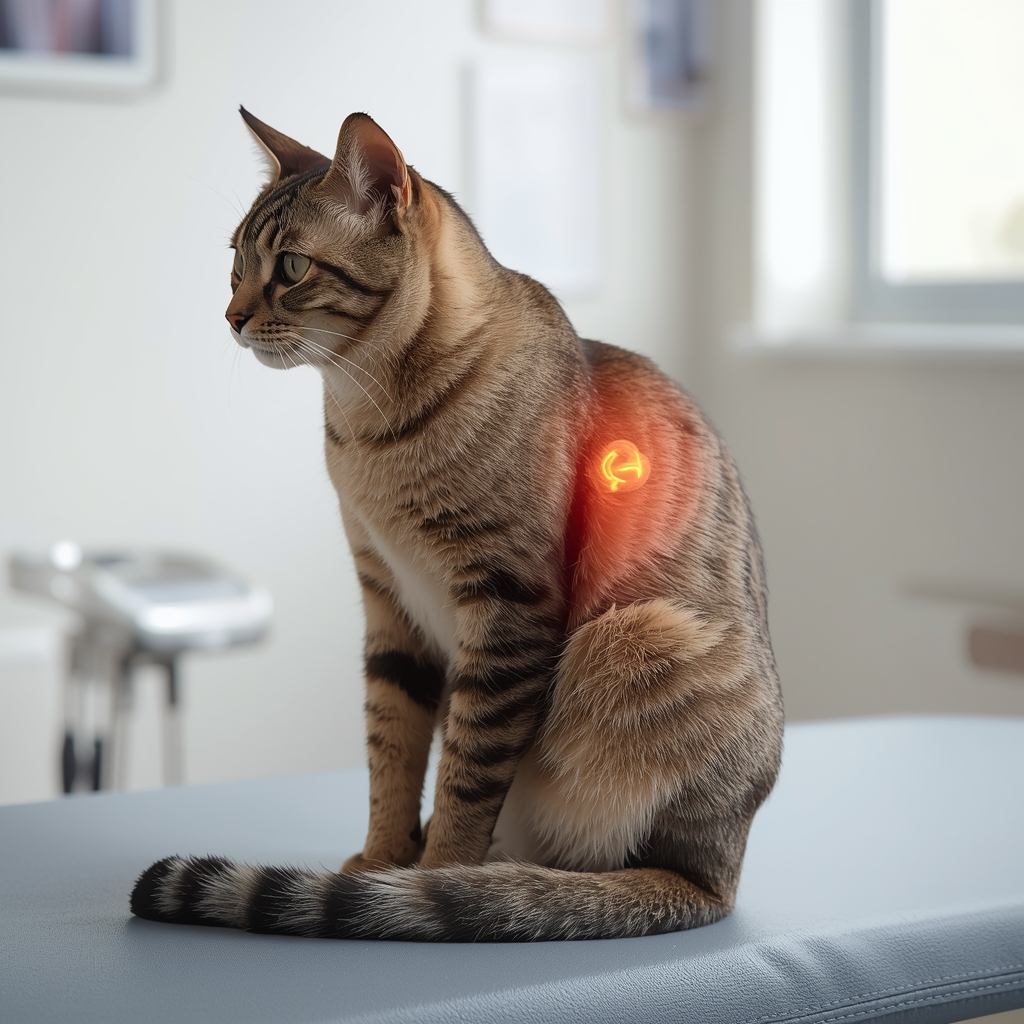
Arthritis affects millions of senior cats, causing joint pain, stiffness, and reduced mobility. Unlike dogs, cats often hide discomfort, making early detection challenging. Common signs include reluctance to jump, decreased grooming, and changes in litter box habits. While veterinary care typically focuses on medication and lifestyle adjustments, chiropractic care offers a complementary approach. By addressing spinal and joint misalignments, chiropractors aim to improve mobility and reduce inflammation. However, techniques must be tailored to feline physiology, as cats have more flexible spines and smaller body structures than dogs. This requires specialized knowledge and gentle methods to ensure safety and effectiveness.
Common Chiropractic Techniques for Feline Arthritis
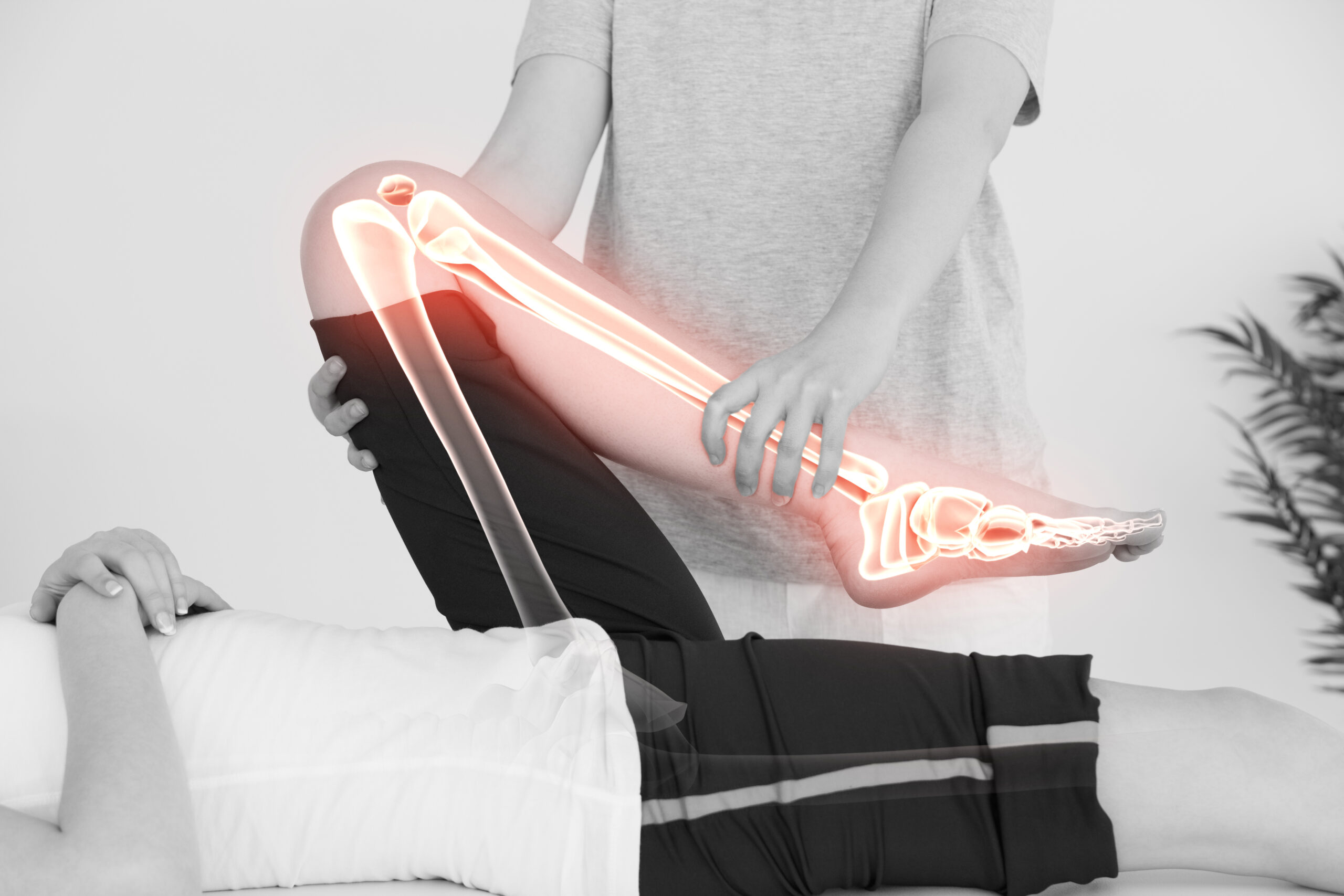
Chiropractors use various techniques to manage arthritis in senior cats, prioritizing non-invasive, low-force adjustments. Soft tissue therapy, such as myofascial release, helps alleviate muscle tension around affected joints. Spinal manipulative therapy focuses on restoring proper alignment, which can ease nerve pressure and improve joint function. Some practitioners incorporate cold laser therapy to reduce inflammation and promote healing. These methods are often combined with rehabilitation exercises, like controlled stretching, to maintain mobility. It’s crucial to note that techniques used for dogs may not translate directly to cats, requiring modifications in pressure, duration, and approach to accommodate their unique anatomy and sensitivity.
Adapting Adjustments for Feline Patients
Adjusting a senior cat requires a highly individualized approach. Chiropractors often use gentler, more precise movements compared to human or canine adjustments. For example, high-velocity, low-amplitude thrusts may be replaced with sustained pressure or mobilization techniques to avoid startling the cat. Sedation or calming aids might be used in particularly anxious patients, though this is typically a last resort. The frequency of sessions is also adjusted—older cats may benefit from more frequent, shorter visits to monitor progress without overtaxing their bodies. Practitioners must also consider the cat’s overall health, avoiding adjustments if there are underlying conditions like severe osteoporosis or spinal instability.
The Role of the Chiropractor in Feline Care
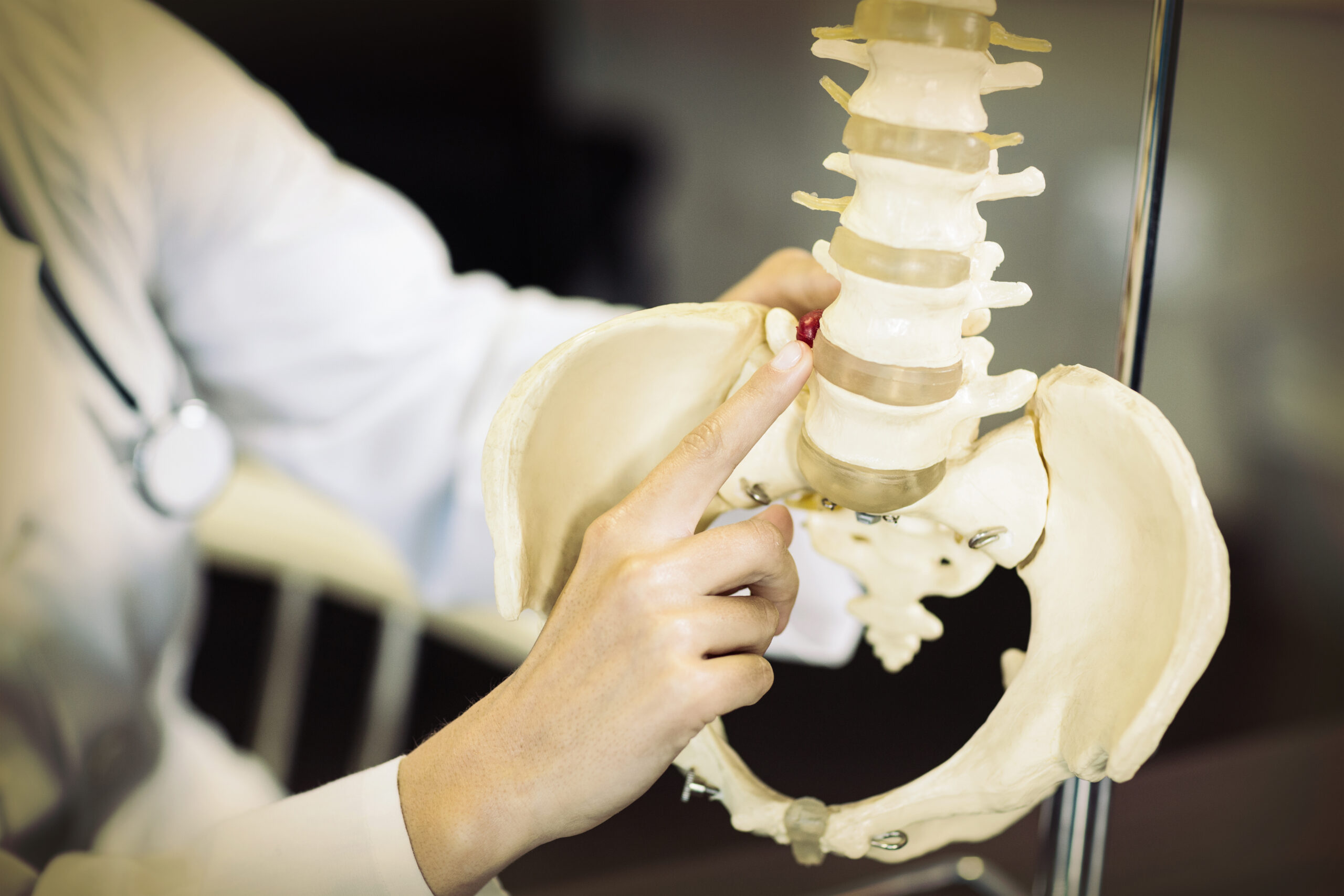
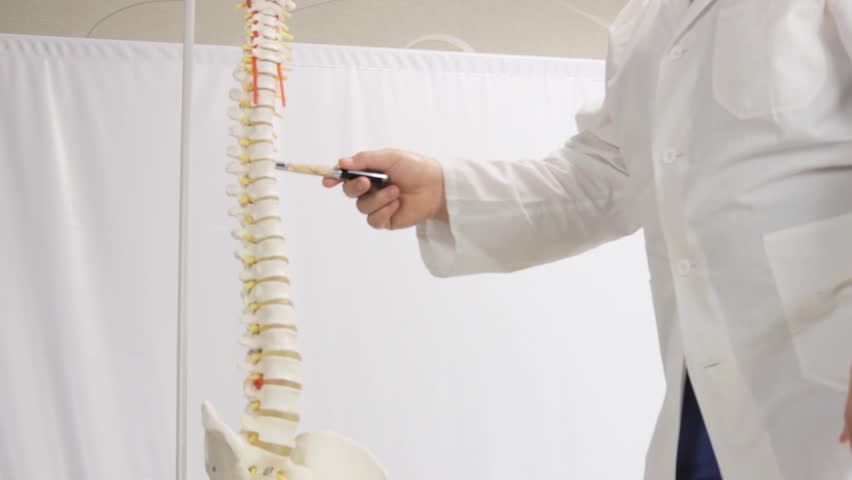
A qualified animal chiropractor plays a critical role in assessing and managing arthritis in senior cats. The process begins with a thorough evaluation, including observing the cat’s movement, palpating the spine, and reviewing medical history. This helps identify areas of restricted mobility or pain. The chiropractor then develops a customized plan, balancing adjustment frequency with the cat’s tolerance. Communication with the cat’s primary veterinarian is essential to ensure care aligns with other treatments, such as pain medications or joint supplements. Regular follow-ups allow for adjustments to the plan as the cat’s condition evolves. The goal is to enhance quality of life while minimizing discomfort through a collaborative, holistic approach.
Benefits and Limitations of Chiropractic Care for Cats
Chiropractic care can offer several benefits for senior cats with arthritis, including improved mobility, reduced pain, and enhanced overall well-being. By addressing musculoskeletal imbalances, it may also support the body’s natural healing processes. However, it’s not a cure-all and works best as part of a comprehensive care strategy. Some cats may not tolerate adjustments due to fear or sensitivity, and results can vary based on the severity of arthritis. It’s important to manage expectations and recognize that chiropractic care complements, rather than replaces, traditional veterinary treatments. Owners should also be aware of potential risks, such as temporary discomfort after adjustments, and ensure their cat’s care team is fully informed of all interventions.
Consulting a Qualified Animal Chiropractor
If considering chiropractic care for a senior cat with arthritis, consulting a certified animal chiropractor is essential. These professionals undergo specialized training to work with small animals, understanding the unique challenges of feline patients. Before starting care, discuss the cat’s medical history, current medications, and any previous injuries. A reputable chiropractor will conduct a detailed assessment and outline a clear treatment plan. Owners should also ask about the practitioner’s experience with arthritic cats and seek references if possible. Regular communication between the chiropractor, veterinarian, and pet owner ensures the cat receives coordinated, safe care. Ultimately, the decision to pursue chiropractic adjustments should be made with careful consideration of the cat’s individual needs and comfort level.