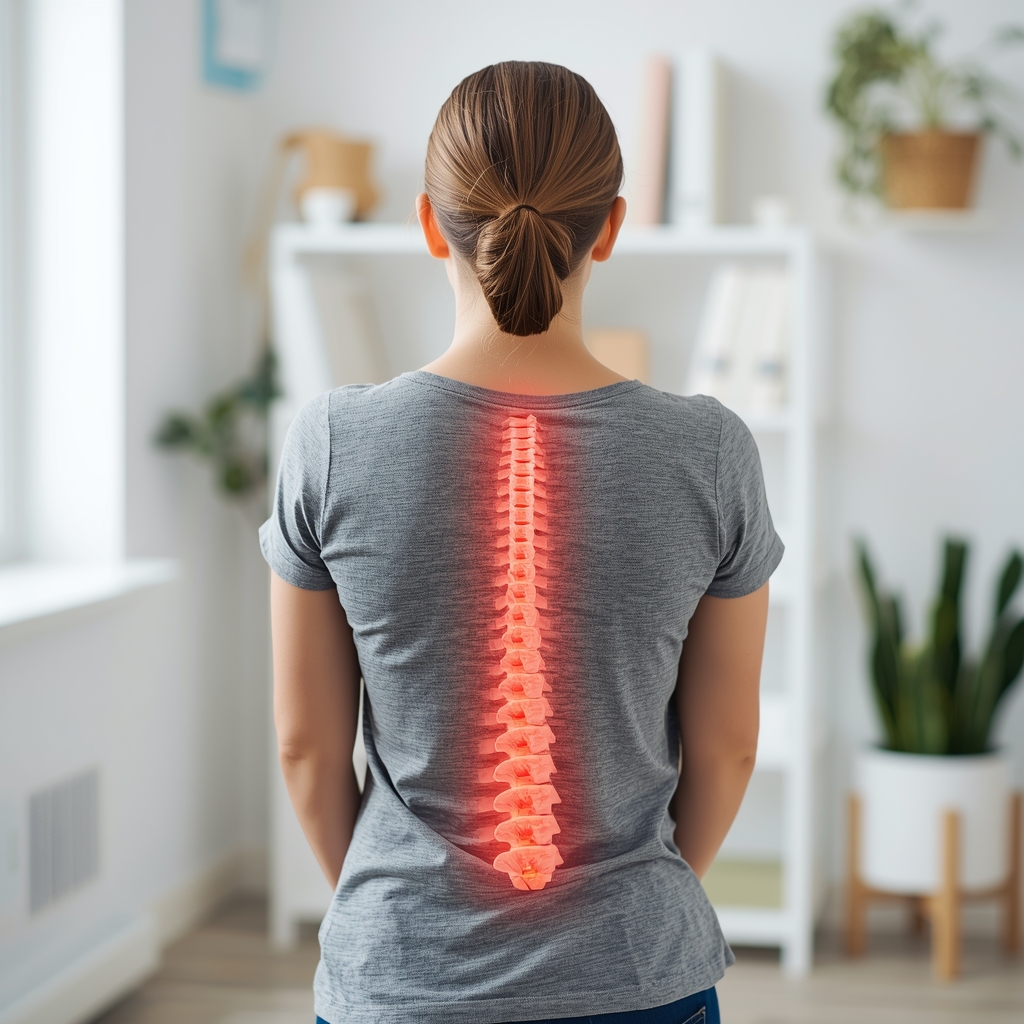
Understanding Family-Centered Chiropractic Care for Pediatric Scoliosis
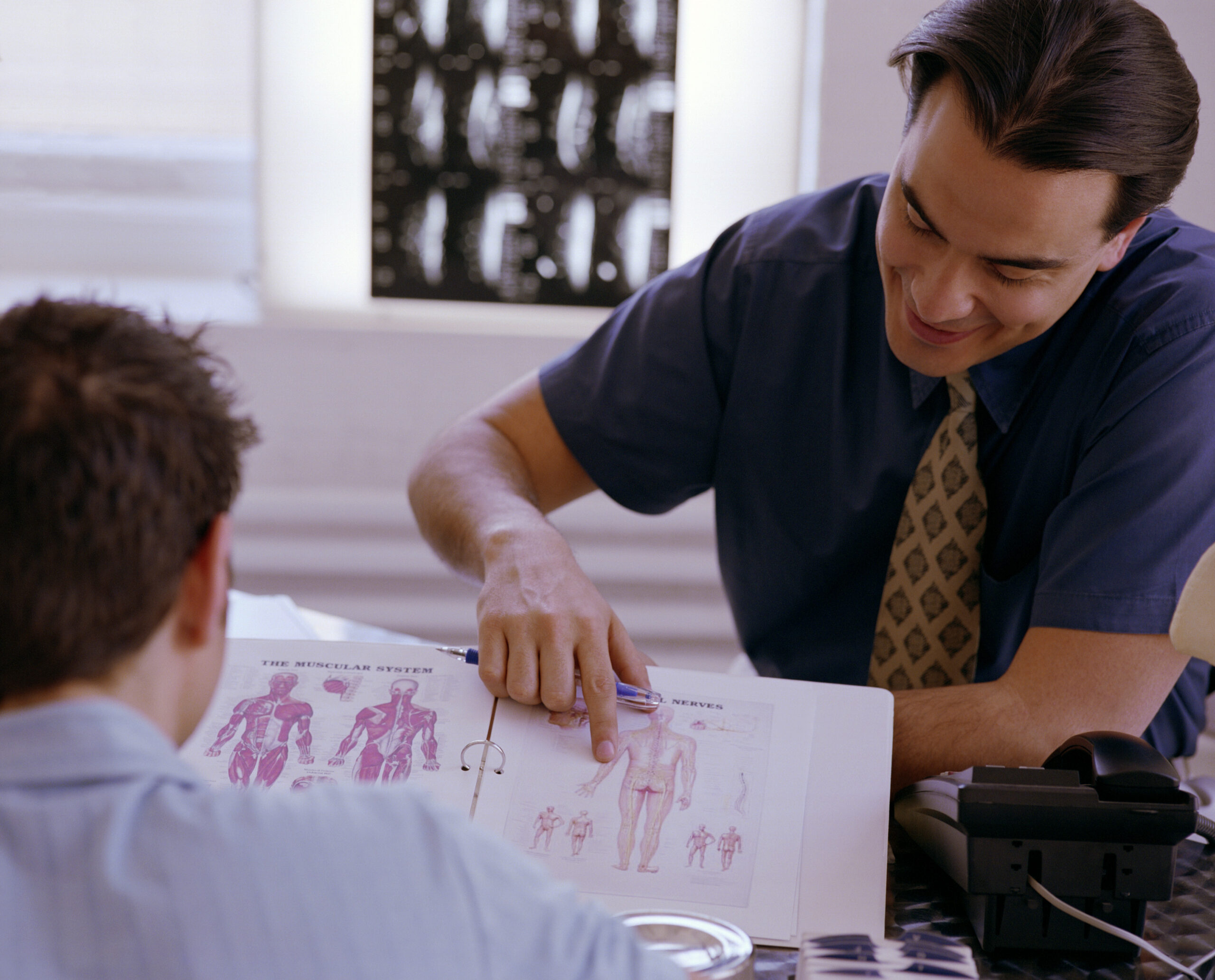
Family-centered chiropractic care emphasizes collaboration between healthcare providers, patients, and their families to address health concerns holistically. For pediatric scoliosis and posture issues, this approach ensures that treatment plans consider the child’s unique needs, lifestyle, and family dynamics. Chiropractors working with children often focus on gentle, age-appropriate techniques to support spinal development while involving parents in the process. This model fosters trust, encourages consistent care, and empowers families to make informed decisions about their child’s health. By prioritizing open communication and shared goals, family-centered care can enhance treatment outcomes and promote long-term wellness for young patients.
The Role of Family Involvement in Posture Management
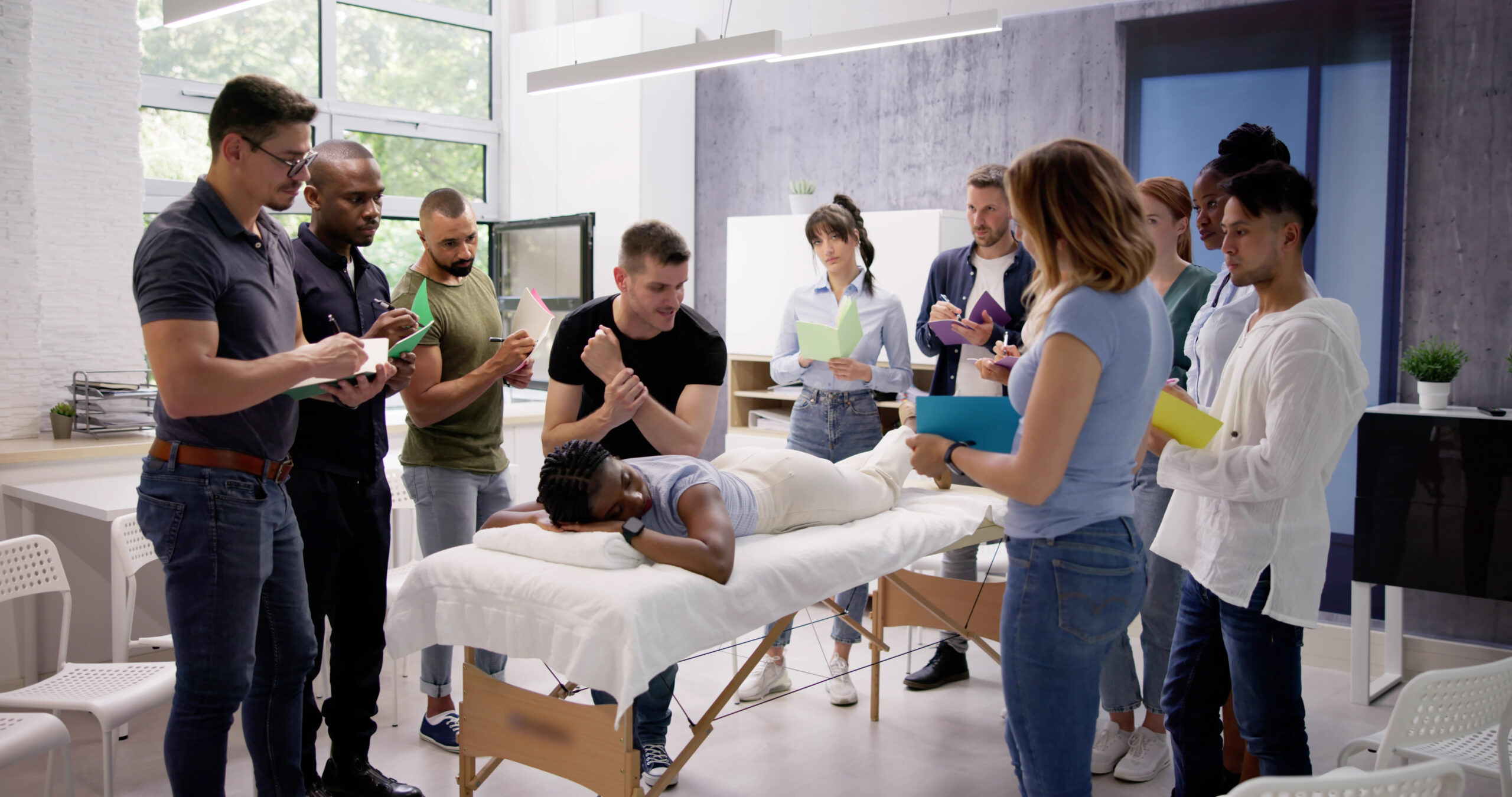
Parents and caregivers play a critical role in managing pediatric posture and scoliosis through chiropractic care. Their active participation helps reinforce therapeutic strategies at home, such as monitoring sitting habits, encouraging physical activity, and ensuring proper ergonomics during schoolwork. Family involvement also extends to attending chiropractic appointments, understanding treatment plans, and supporting the child’s emotional well-being. Chiropractors often provide education on posture correction exercises, stretching routines, and lifestyle adjustments that families can implement together. This collaborative effort not only strengthens the child’s progress but also builds a supportive environment that prioritizes spinal health as part of overall wellness.
Chiropractic Techniques Tailored for Children and Adolescents
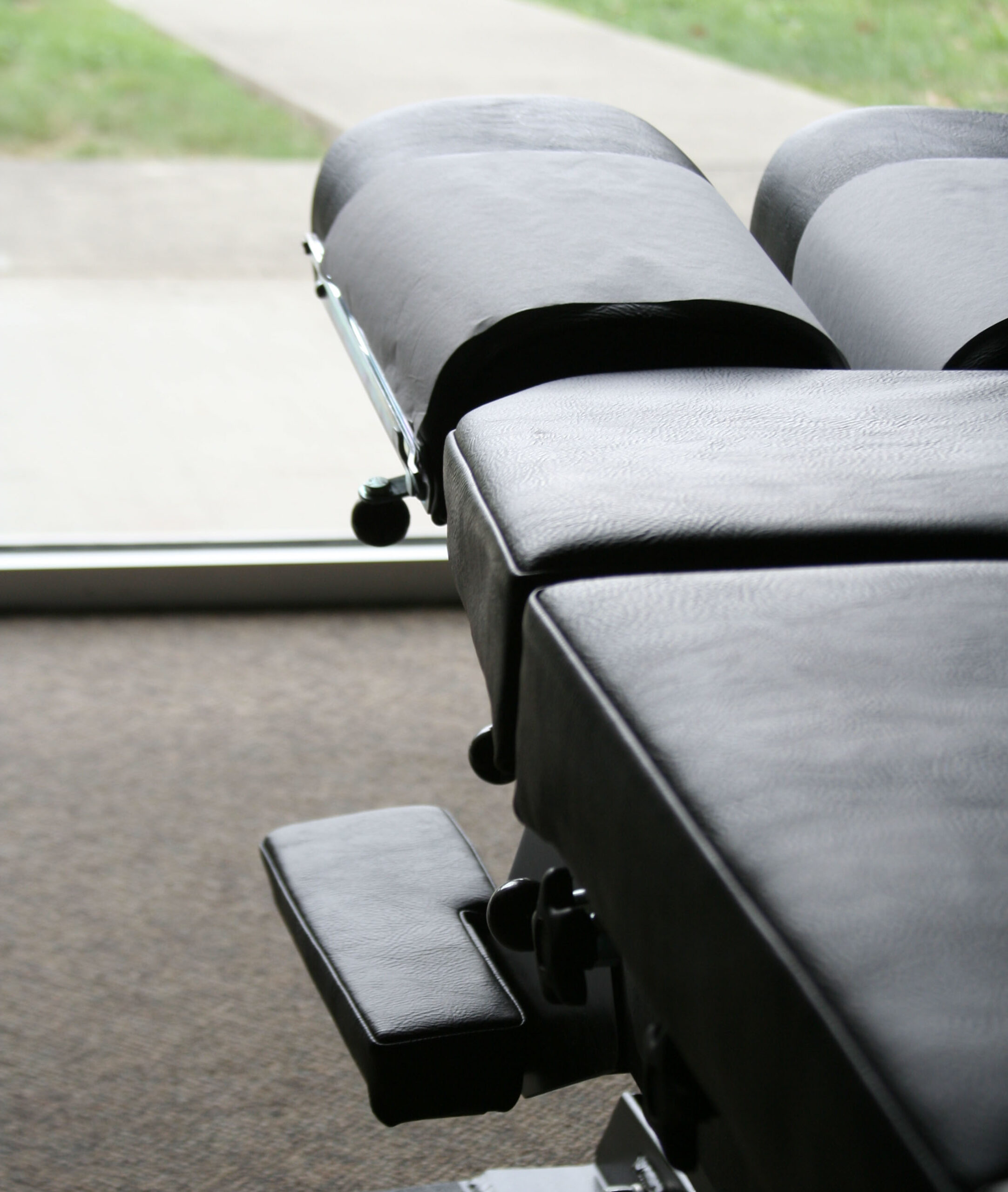
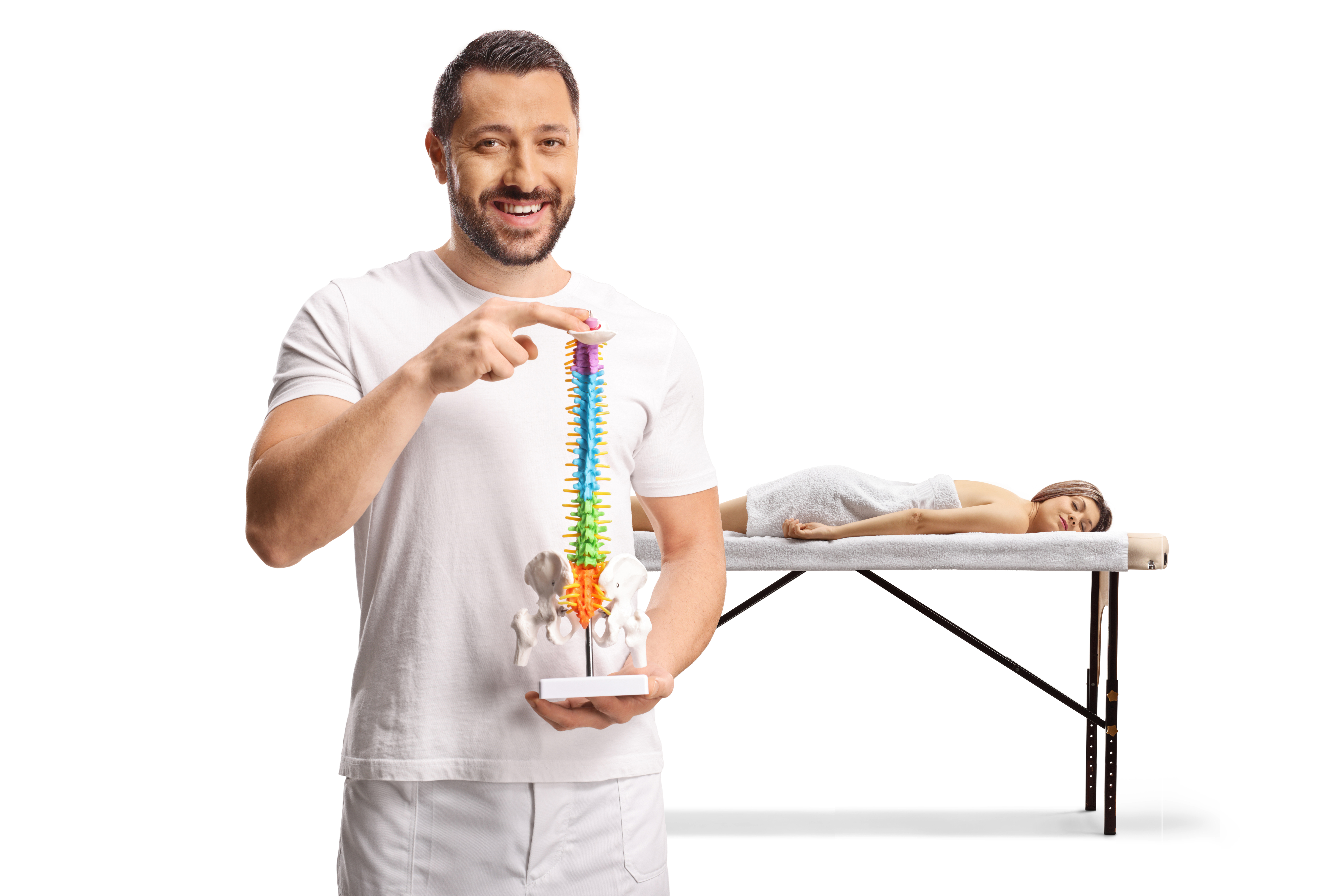
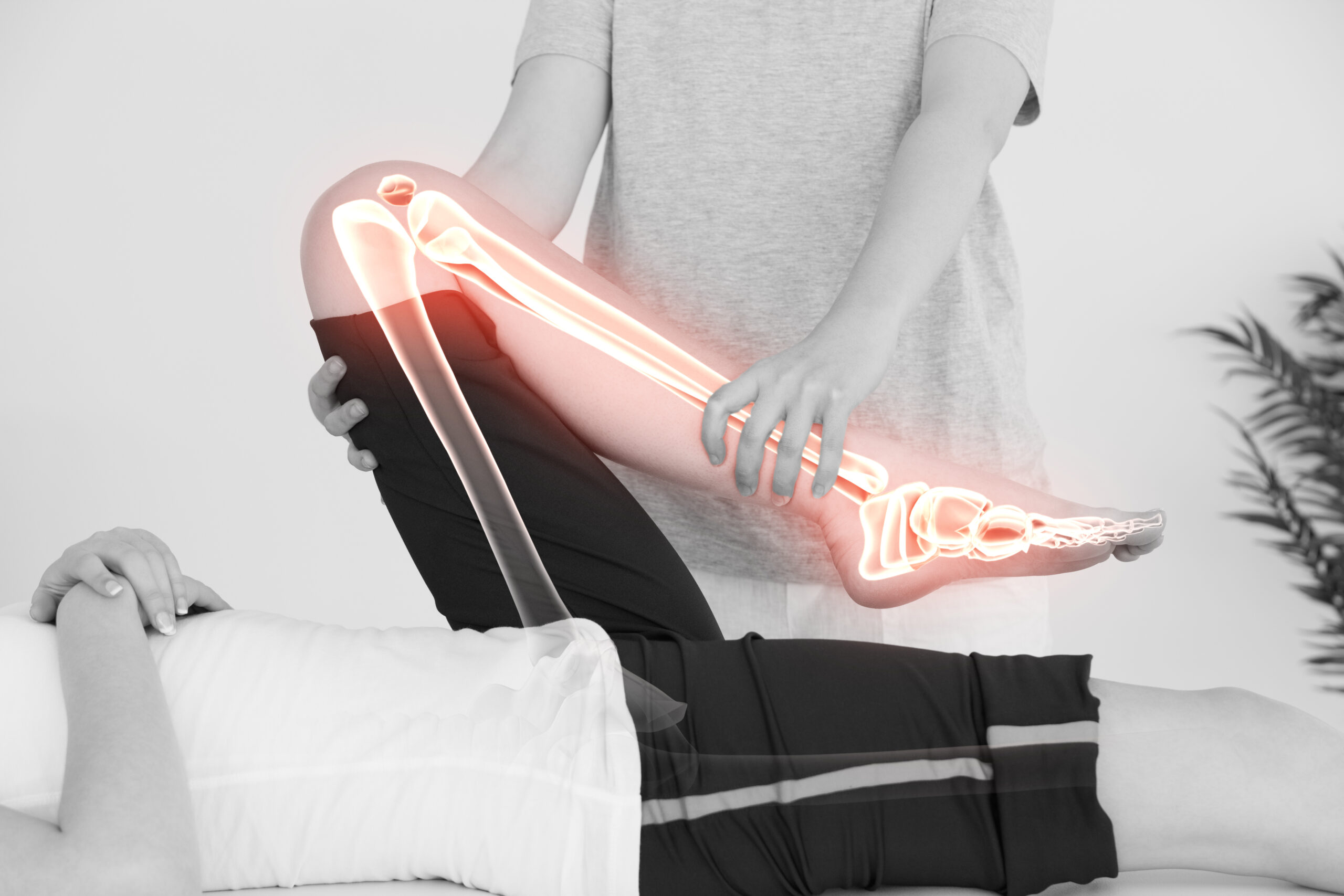
Chiropractors use specialized techniques designed for the developing bodies of children and teens to address scoliosis and posture issues. These may include gentle spinal adjustments, soft tissue therapies, and corrective exercises aimed at improving alignment and mobility. For example, the Activator Method employs a handheld tool to deliver precise, low-force adjustments, while flexion-distraction therapy can relieve pressure on the spine. Some practitioners incorporate neuromuscular re-education to help children develop better body awareness. These approaches are typically non-invasive and focus on supporting natural growth patterns. Families should discuss available techniques with their chiropractor to determine the most suitable options for their child’s condition and comfort level.
Lifestyle and Environmental Adjustments for Posture Improvement
Addressing pediatric posture and scoliosis often requires modifications to daily habits and environments. Families can create posture-friendly spaces by ensuring desks, chairs, and backpacks are appropriately sized and used correctly. Encouraging regular movement, such as stretching breaks during schoolwork or physical activities after sedentary periods, helps reduce strain on the spine. Ergonomic assessments may identify issues like poor sleeping positions or improper computer setup that contribute to postural imbalances. Additionally, promoting a balanced diet rich in nutrients that support bone health can complement chiropractic care. These lifestyle changes, when integrated with professional guidance, create a comprehensive approach to maintaining proper spinal alignment in growing children.
Monitoring Progress and Adjusting Care Plans
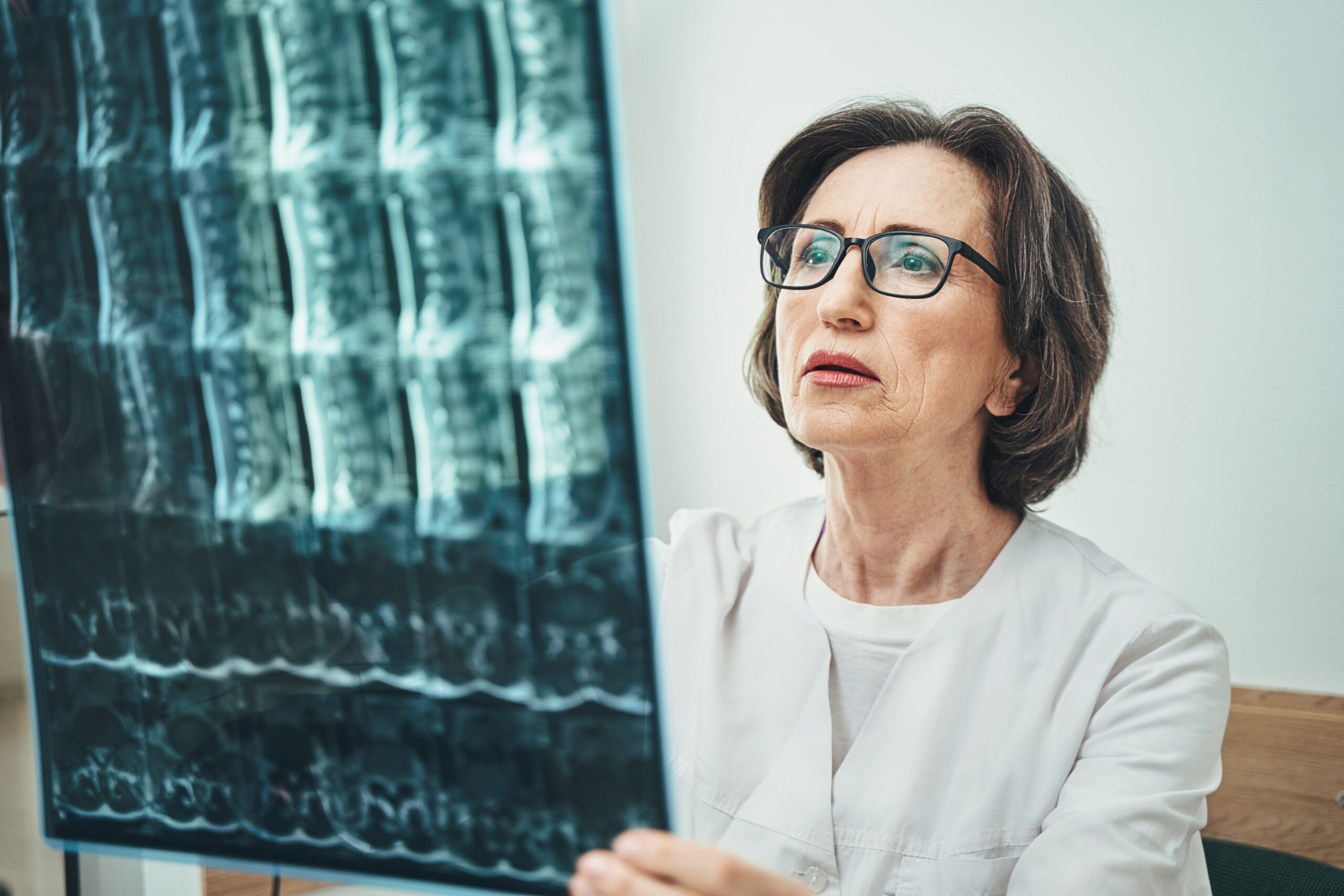
Regular follow-ups are essential to track a child’s progress and adjust chiropractic care as needed. Families should maintain open communication with their chiropractor to discuss improvements, challenges, or changes in symptoms. Monitoring may involve periodic evaluations of spinal curvature, posture, and functional mobility to ensure treatments remain effective. As children grow, their care plans may need modifications to accommodate developmental stages, such as increased physical activity or changes in school routines. Parents can also observe daily habits, like sitting posture or sports participation, and share insights during appointments. This dynamic approach allows for timely interventions and helps sustain long-term spinal health for adolescents.
When to Seek Professional Guidance for Pediatric Spinal Issues
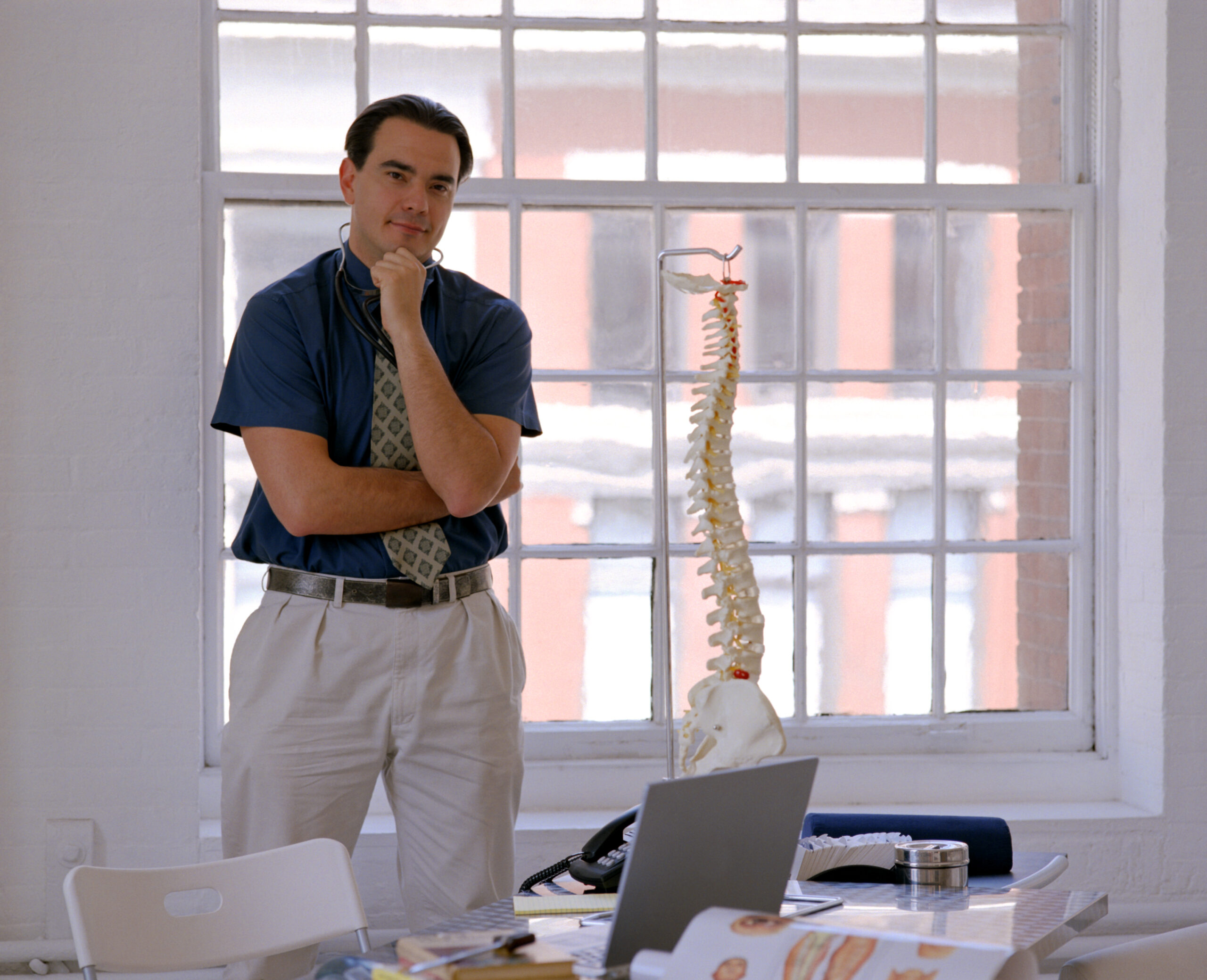
If a child exhibits signs of scoliosis—such as uneven shoulders, a visible curve in the spine, or persistent back pain—it’s important to consult a qualified chiropractor or healthcare provider. Early intervention can prevent complications and improve outcomes, especially during periods of rapid growth. Families should seek professional advice if posture issues interfere with daily activities, cause discomfort, or show signs of progression. Chiropractors can perform thorough assessments and recommend appropriate care plans, which may include adjustments, exercises, or referrals to other specialists if needed. By addressing concerns promptly, parents can ensure their child receives timely, effective support for spinal health and overall well-being.