Understanding Cervical Spine Manipulation and Its Role in Recovery
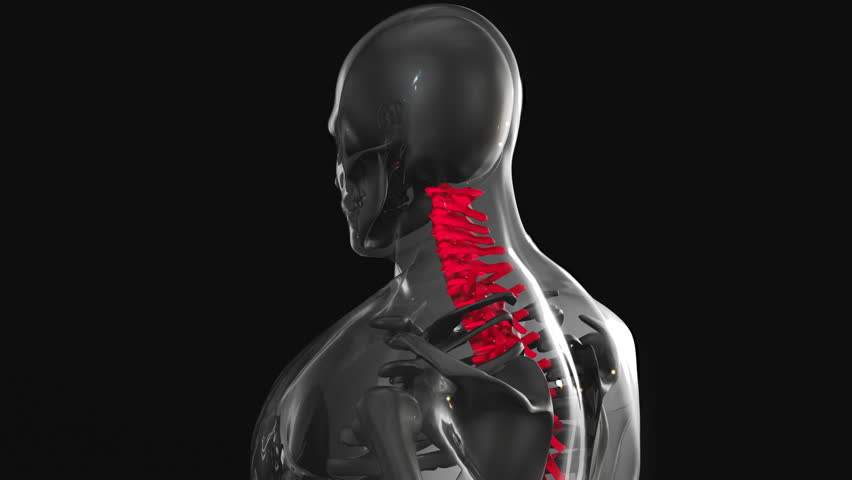
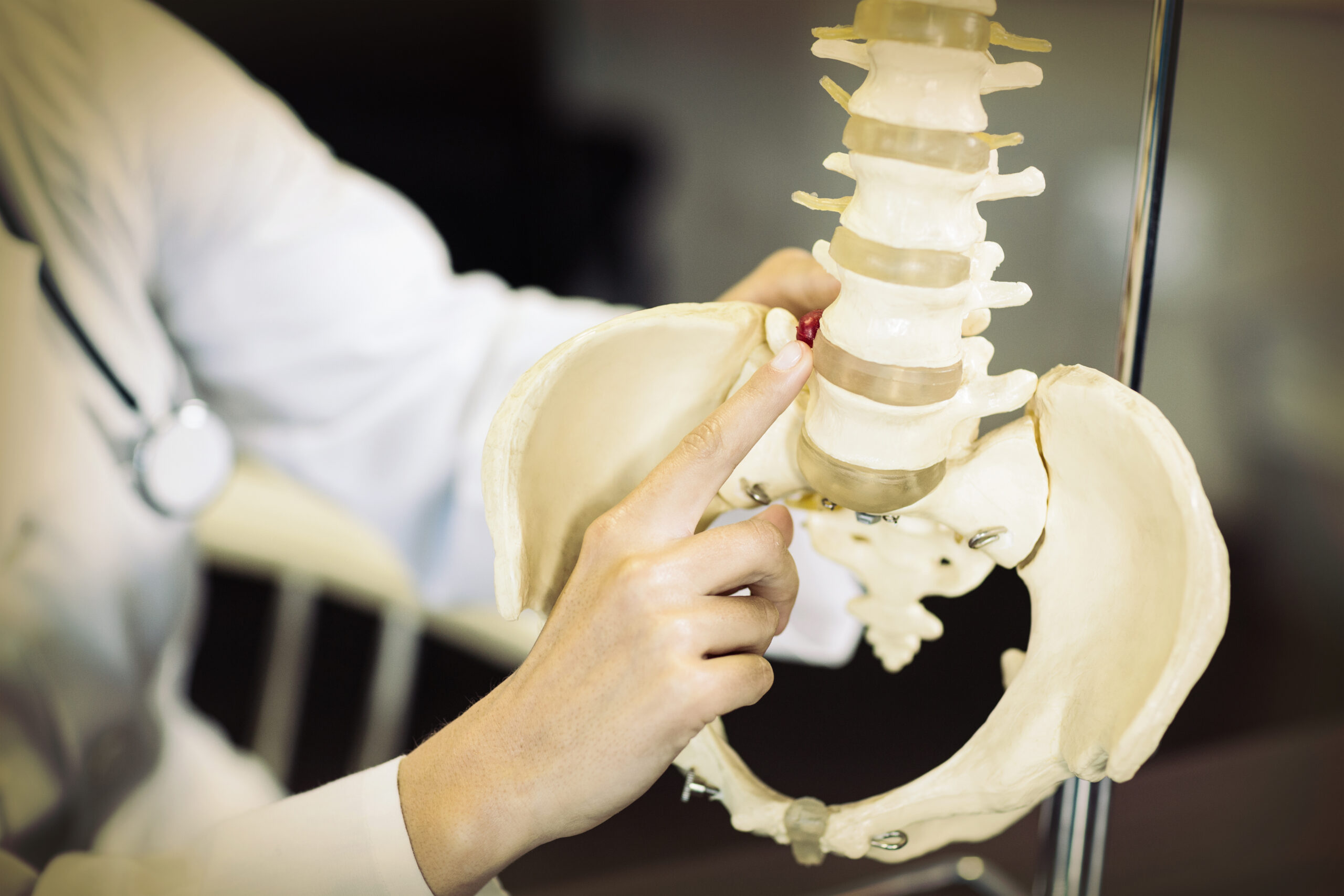
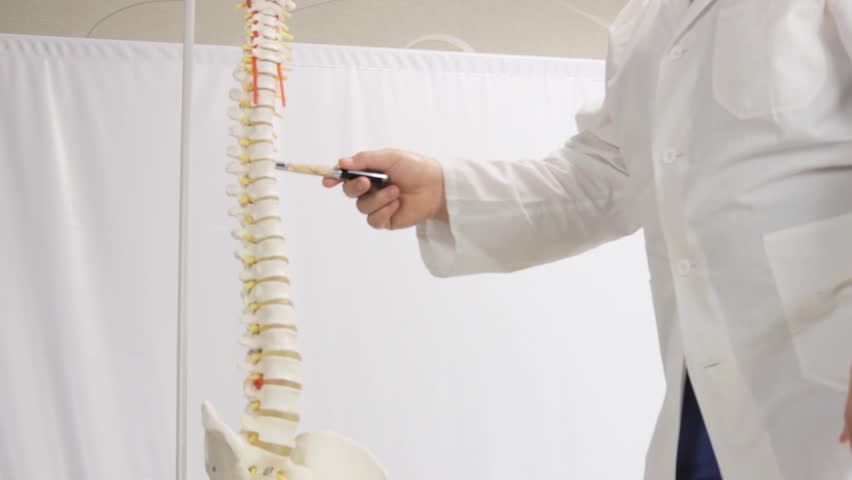
Cervical spine manipulation, a common chiropractic technique, involves gentle adjustments to the neck vertebrae to restore proper alignment and function. For patients recovering from concussions, this approach may address structural imbalances that contribute to cognitive symptoms like brain fog. While the primary focus of chiropractic care is often musculoskeletal, the neck’s proximity to the brainstem and its role in nervous system regulation make it a potential target for interventions aimed at improving cognitive recovery. By reducing pressure on nerves and enhancing blood flow, cervical adjustments may support the body’s natural healing processes. However, it is essential to recognize that this is one of many tools in a comprehensive recovery plan, not a standalone solution.
Linking Cervical Adjustments to Cognitive Function
The cervical spine’s connection to the brainstem and cranial nerves suggests a potential pathway for influencing cognitive health. Misalignments in the neck, known as subluxations, may disrupt neural communication, potentially exacerbating post-concussion symptoms. Chiropractors who specialize in concussion recovery often assess these areas, believing that realigning the spine could alleviate pressure on nerves and improve brain function. While direct evidence linking cervical manipulation to reduced brain fog is limited, anecdotal reports and clinical observations indicate that some patients experience improved mental clarity after adjustments. This suggests a possible role for spinal care in supporting neurological recovery, though more research is needed to establish definitive guidelines.
Evidence and Research on Cervical Manipulation for Concussions
Current scientific studies on cervical spine manipulation for concussion-related cognitive symptoms are sparse. Most research focuses on musculoskeletal outcomes rather than neurological improvements. However, some preliminary findings suggest that spinal adjustments may influence autonomic nervous system activity, which could indirectly affect cognitive function. For example, reducing tension in the neck might lower stress responses that worsen brain fog. Despite these possibilities, the lack of large-scale, controlled trials means that chiropractic interventions for cognitive recovery remain an area of ongoing investigation. Patients should approach these treatments with realistic expectations and in consultation with healthcare providers.
Integrating Chiropractic Care with Other Recovery Strategies
Cervical spine manipulation is most effective when integrated with other concussion recovery methods. Traditional approaches include rest, cognitive therapy, and gradual physical rehabilitation. Chiropractic care may complement these strategies by addressing structural factors that could hinder recovery. For instance, a chiropractor might work alongside neurologists or physical therapists to create a holistic plan. However, it is crucial to avoid unproven or conflicting treatments. Patients should ensure their care team is coordinated and that all interventions align with established medical guidelines. This collaborative approach maximizes the chances of a full recovery while minimizing risks.
Safety Considerations for Cervical Adjustments
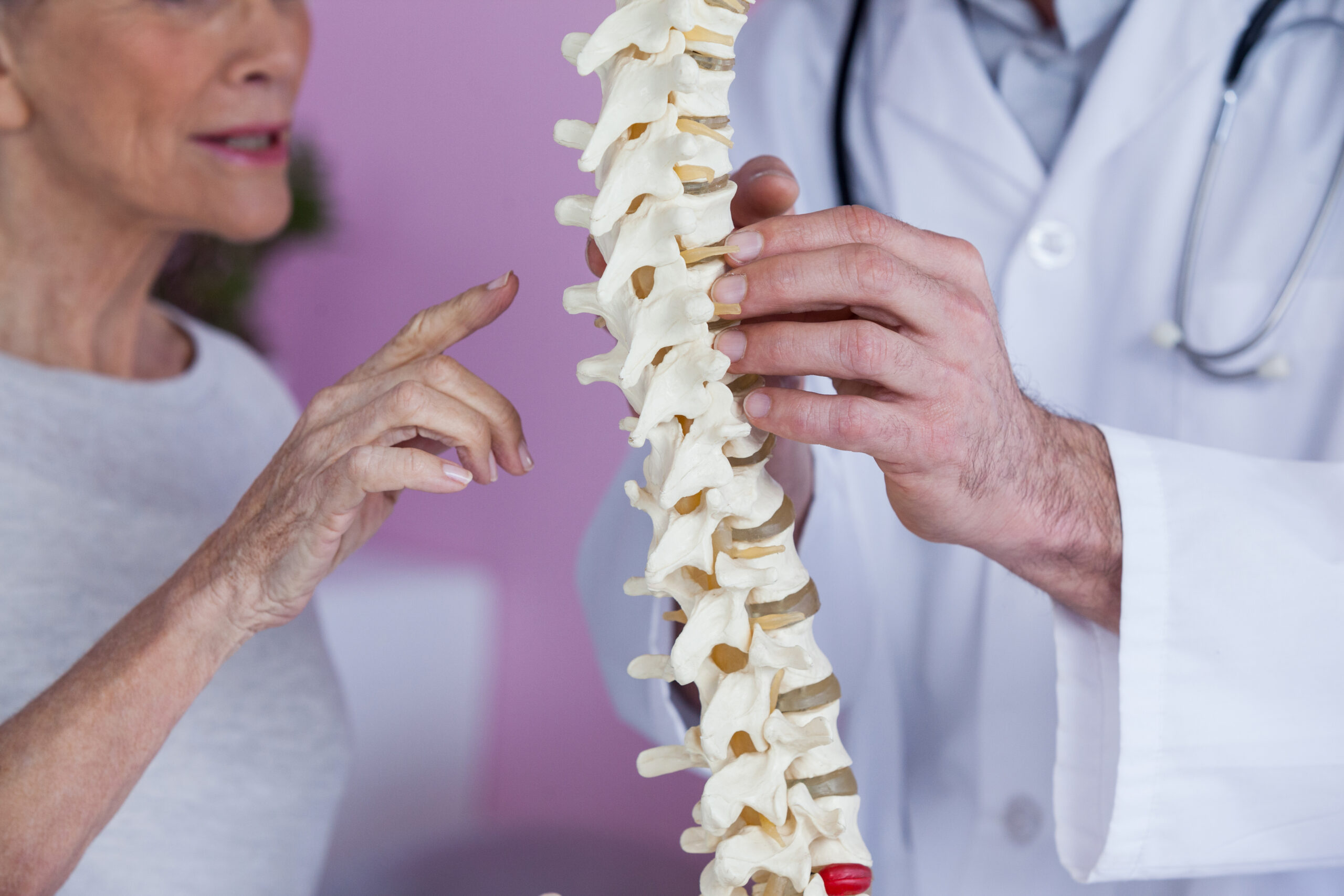
While cervical spine manipulation is generally safe when performed by a qualified chiropractor, it carries risks, especially for patients with recent head or neck injuries. The American Chiropractic Association emphasizes the importance of thorough patient evaluations before any adjustment. For concussion sufferers, this includes reviewing medical history and imaging results to rule out instability or other contraindications. Patients should also communicate openly with their chiropractor about symptoms and concerns. Choosing a provider with experience in concussion care is essential, as improper technique could worsen symptoms. Safety remains the top priority, and decisions should always be made in partnership with healthcare professionals.
Conclusion: A Holistic Approach to Cognitive Recovery
Cervical spine manipulation may offer potential benefits for patients experiencing cognitive symptoms like brain fog after a concussion, but it is not a cure-all. Its role is best understood as part of a broader, multidisciplinary recovery strategy. While some individuals report improvements in mental clarity following adjustments, the evidence remains inconclusive, and results can vary. Patients should prioritize evidence-based treatments and consult with licensed chiropractors who understand the complexities of concussion care. By combining spinal adjustments with other therapies, individuals can work toward restoring cognitive function safely and effectively.