Introduction to Cervical Spine Mobilization
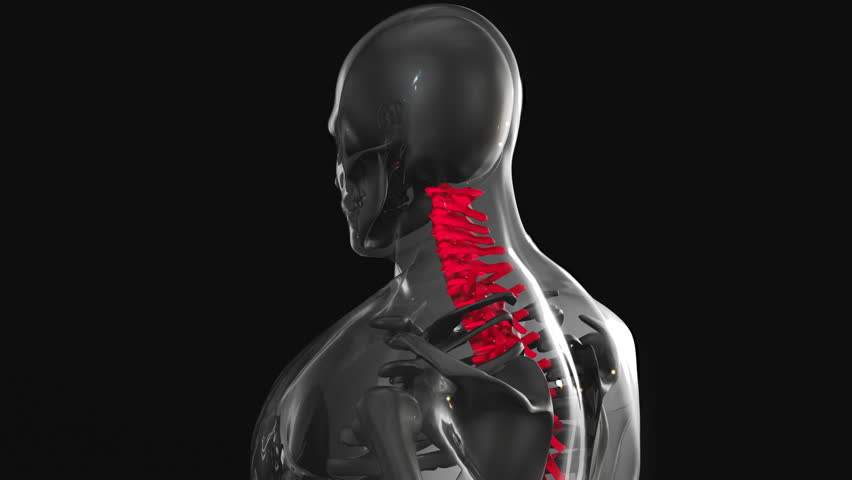
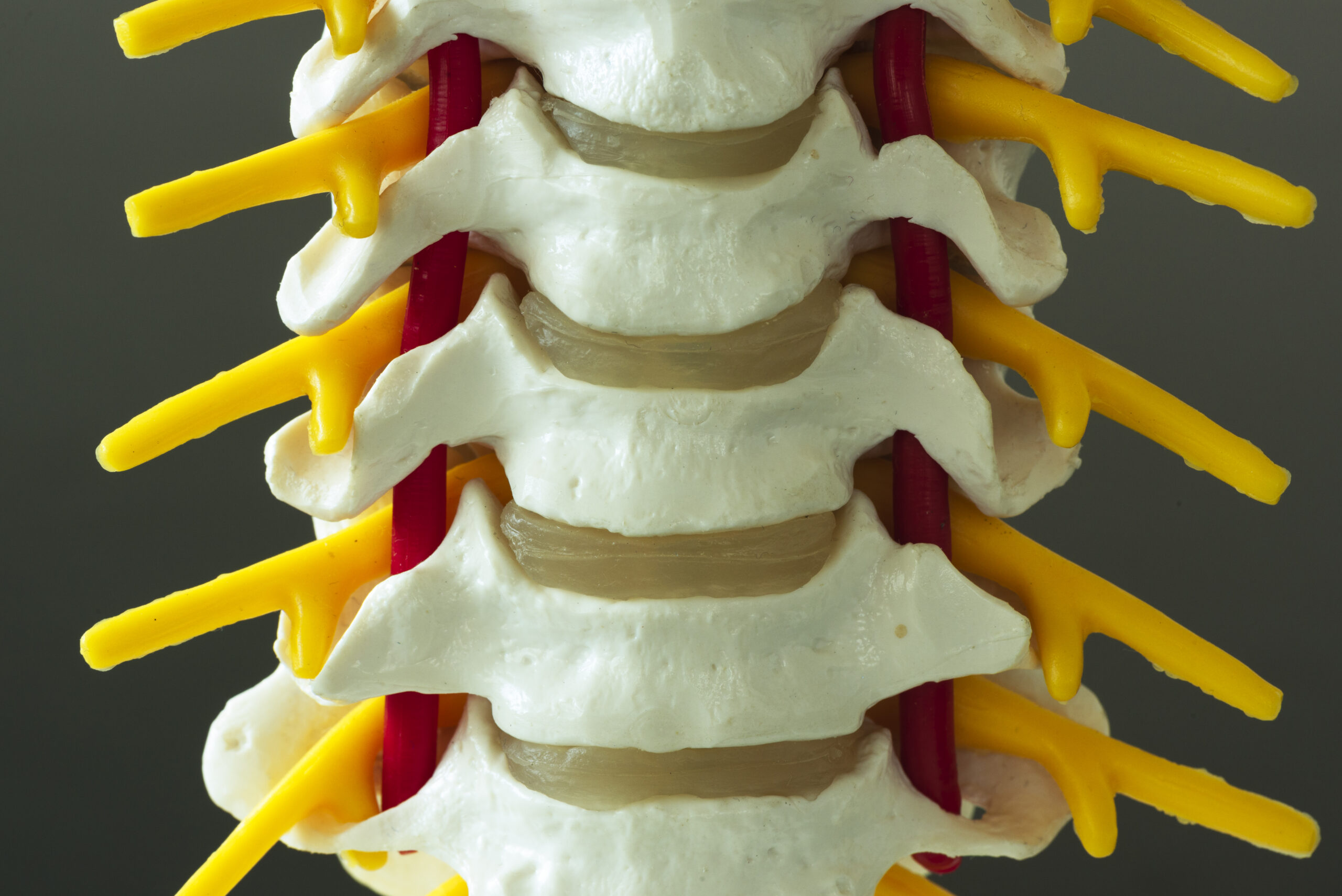
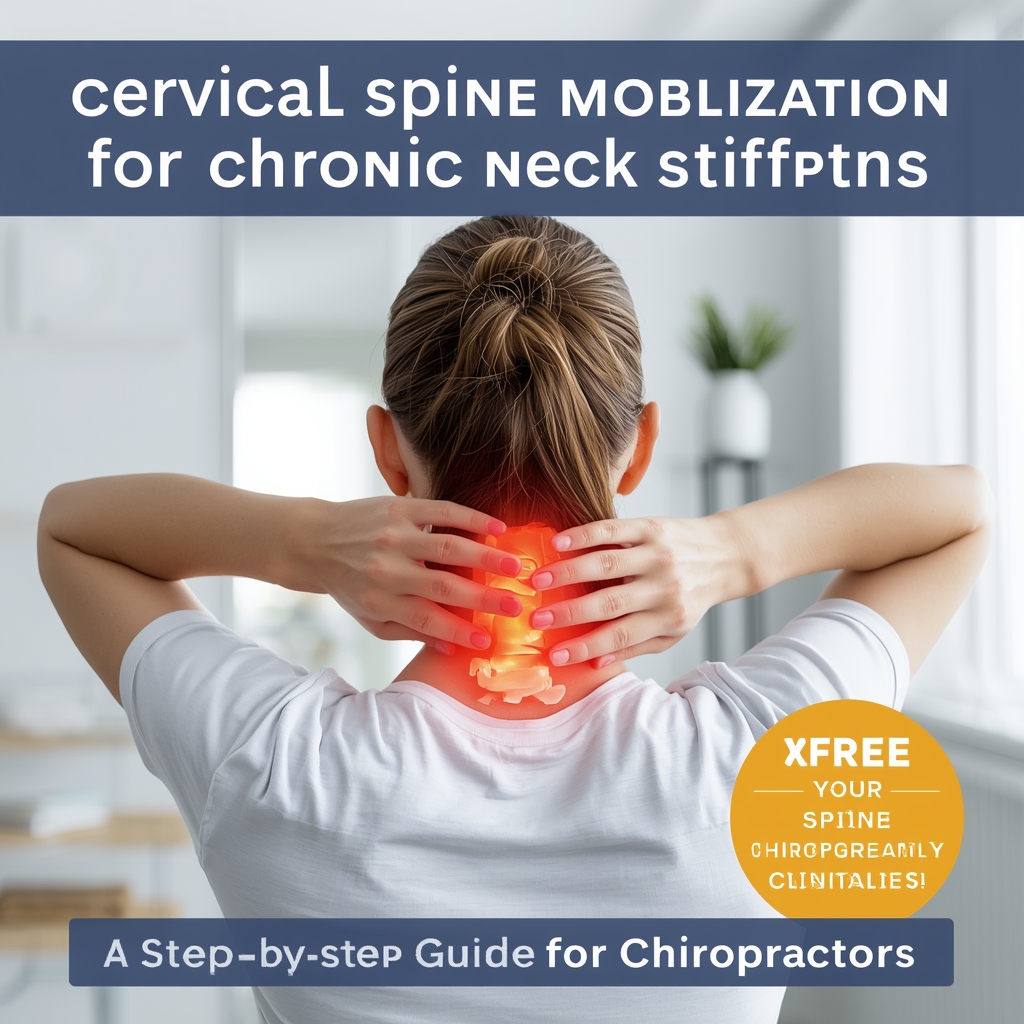
Cervical spine mobilization is a non-invasive technique used to improve neck mobility and alleviate chronic stiffness. It involves gentle, controlled movements to restore normal joint function and reduce discomfort. This approach is often part of a broader treatment plan for patients experiencing persistent neck pain. Proper demonstration of these techniques ensures patients understand how to engage with their chiropractor effectively. It also helps build trust and encourages active participation in the healing process. While mobilization is generally safe, it should always be performed under professional guidance to avoid injury. Understanding the purpose and process of these techniques empowers patients to take an informed role in their care. Chiropractors may use various methods, including manual adjustments and soft tissue work, to address underlying issues. The goal is to promote long-term relief and improved quality of life for individuals with chronic neck stiffness.
Preparing the Patient for the Technique
Before initiating cervical spine mobilization, the chiropractor must ensure the patient is physically and mentally prepared. This begins with a thorough assessment of the patient’s medical history, current symptoms, and any contraindications. The patient should be positioned comfortably, typically lying on their back or side, depending on the specific maneuver. The chiropractor will explain the procedure, address any concerns, and confirm the patient’s willingness to proceed. It is crucial to emphasize that the patient should communicate any discomfort during the process. Proper preparation also includes checking for signs of nerve irritation or instability, which could affect the approach. A calm, supportive environment helps the patient feel safe and cooperative. By establishing clear communication and mutual understanding, the chiropractor sets the stage for a successful session. This step ensures that the technique is both effective and comfortable for the patient.
Step 1: Assessing Neck Mobility
The first step in demonstrating cervical spine mobilization involves assessing the patient’s current range of motion. The chiropractor will ask the patient to gently move their head in various directions—forward, backward, and side to side—while observing for any pain, restriction, or abnormal movement. This assessment helps identify areas of stiffness or dysfunction that require attention. The chiropractor may also perform passive movements, gently guiding the patient’s head to gauge joint flexibility. It is important to note any asymmetries or limitations, as these can inform the treatment strategy. Patients should be encouraged to report any discomfort during this phase. This initial evaluation provides a baseline for measuring progress over time. It also allows the chiropractor to tailor the mobilization techniques to the patient’s specific needs. By starting with a thorough assessment, the chiropractor ensures the technique is both safe and targeted.
Step 2: Gentle Cervical Flexion
Gentle cervical flexion involves slowly moving the patient’s head forward, bringing the chin toward the chest. The chiropractor will support the patient’s head and apply a controlled, sustained force to encourage the neck to bend. This movement targets the posterior structures of the cervical spine, helping to relieve tension in the upper trapezius and suboccipital muscles. It is performed slowly to avoid overstretching and to allow the patient to adjust. The chiropractor may hold this position for a few seconds before releasing, repeating the motion several times. Patients should be instructed to breathe naturally and avoid holding their breath. This technique is often used to address forward head posture and associated stiffness. It is important to monitor the patient’s response and adjust the intensity as needed. By focusing on controlled, incremental movements, the chiropractor promotes gradual improvement without causing distress.
Step 3: Cervical Extension and Rotation
Cervical extension involves gently moving the patient’s head backward, tilting the chin upward. This action stretches the anterior neck muscles and can help relieve tightness in the cervical lordosis. The chiropractor will support the head and apply a slow, steady force while observing for any resistance or pain. Rotation follows, with the chiropractor guiding the patient’s head to the left and right, keeping the chin level. This movement targets the facet joints and surrounding soft tissues, improving lateral mobility. Each motion is performed carefully to avoid excessive force, with the patient encouraged to communicate any discomfort. These techniques are often combined to address multidirectional stiffness. The chiropractor may adjust the angle or duration based on the patient’s tolerance. By incorporating extension and rotation, the treatment plan becomes more comprehensive, addressing a wider range of mobility issues.
Conclusion and Safety Considerations
Cervical spine mobilization requires precision, patience, and a patient-centered approach. While these techniques can be beneficial, they are not a substitute for professional care. Patients should never attempt these maneuvers independently, as improper execution may lead to injury. Chiropractors must remain vigilant for signs of adverse reactions, such as increased pain or neurological symptoms, and adjust the approach accordingly. Regular follow-up and reassessment are essential to track progress and modify the treatment plan as needed. Education remains a critical component, empowering patients to maintain their mobility through proper posture and exercise. By prioritizing safety and clear communication, chiropractors ensure that patients receive effective, compassionate care. Ultimately, the goal is to enhance mobility, reduce discomfort, and support long-term musculoskeletal health.