Understanding the Cervical Spine's Role in TMJ Function
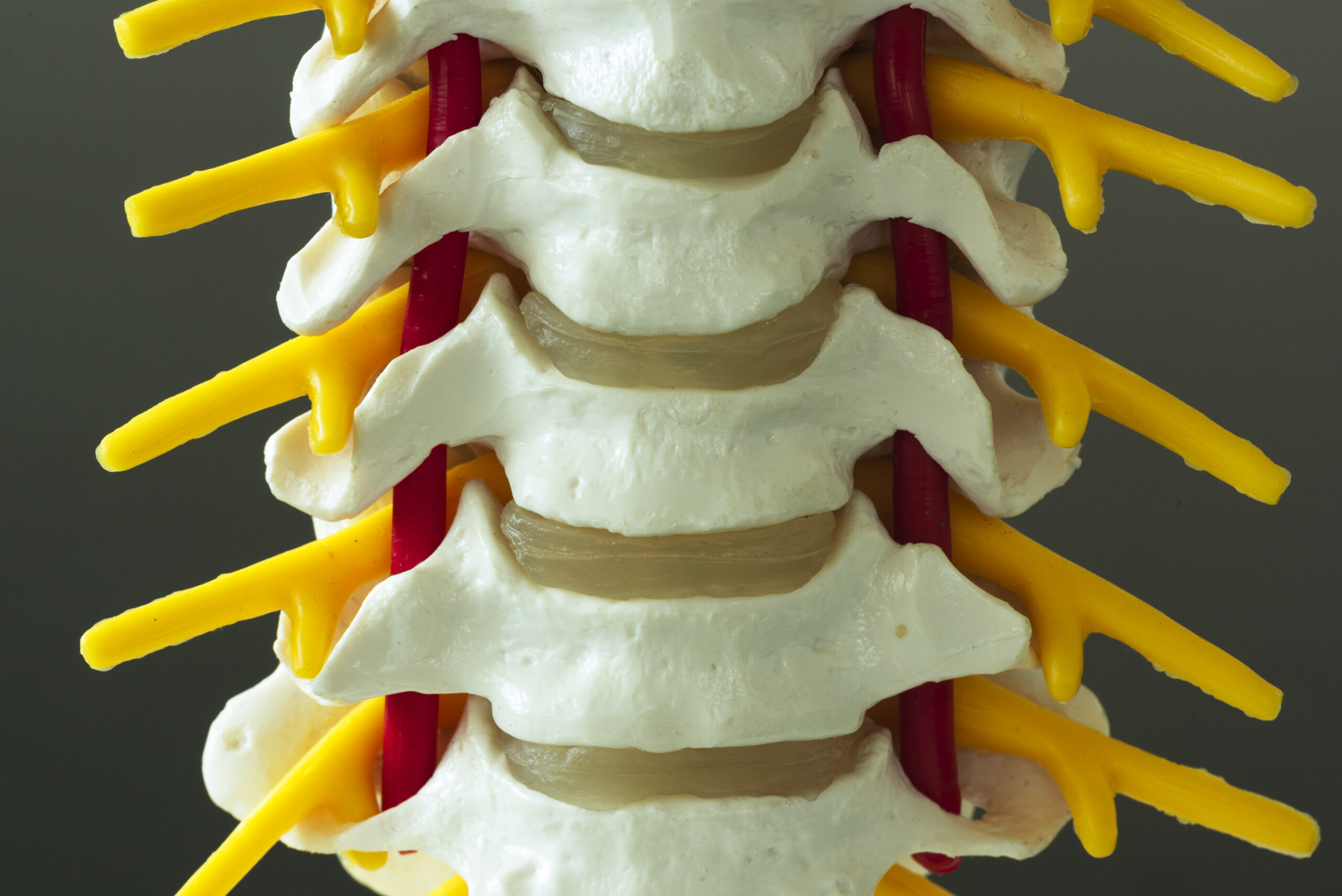
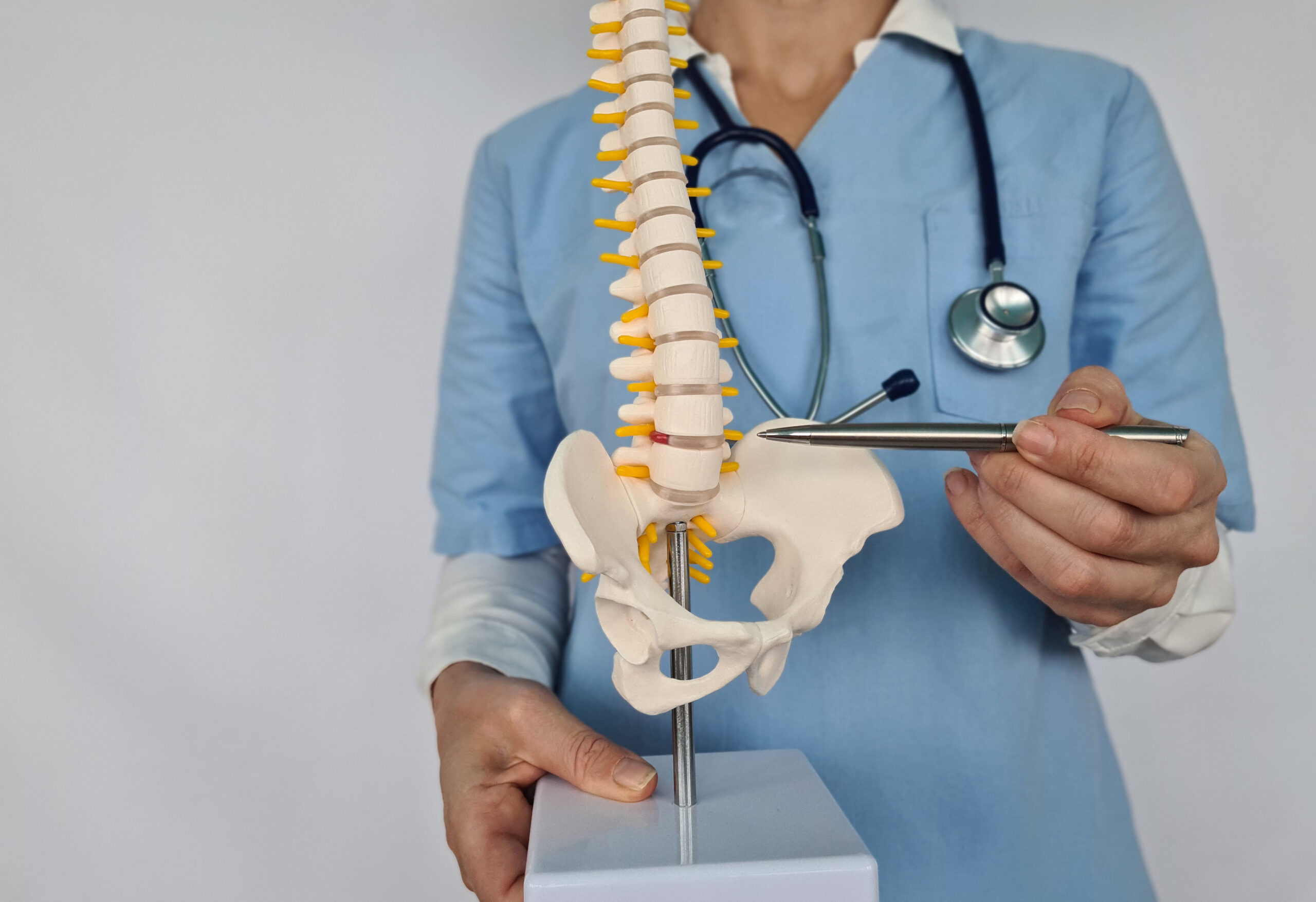
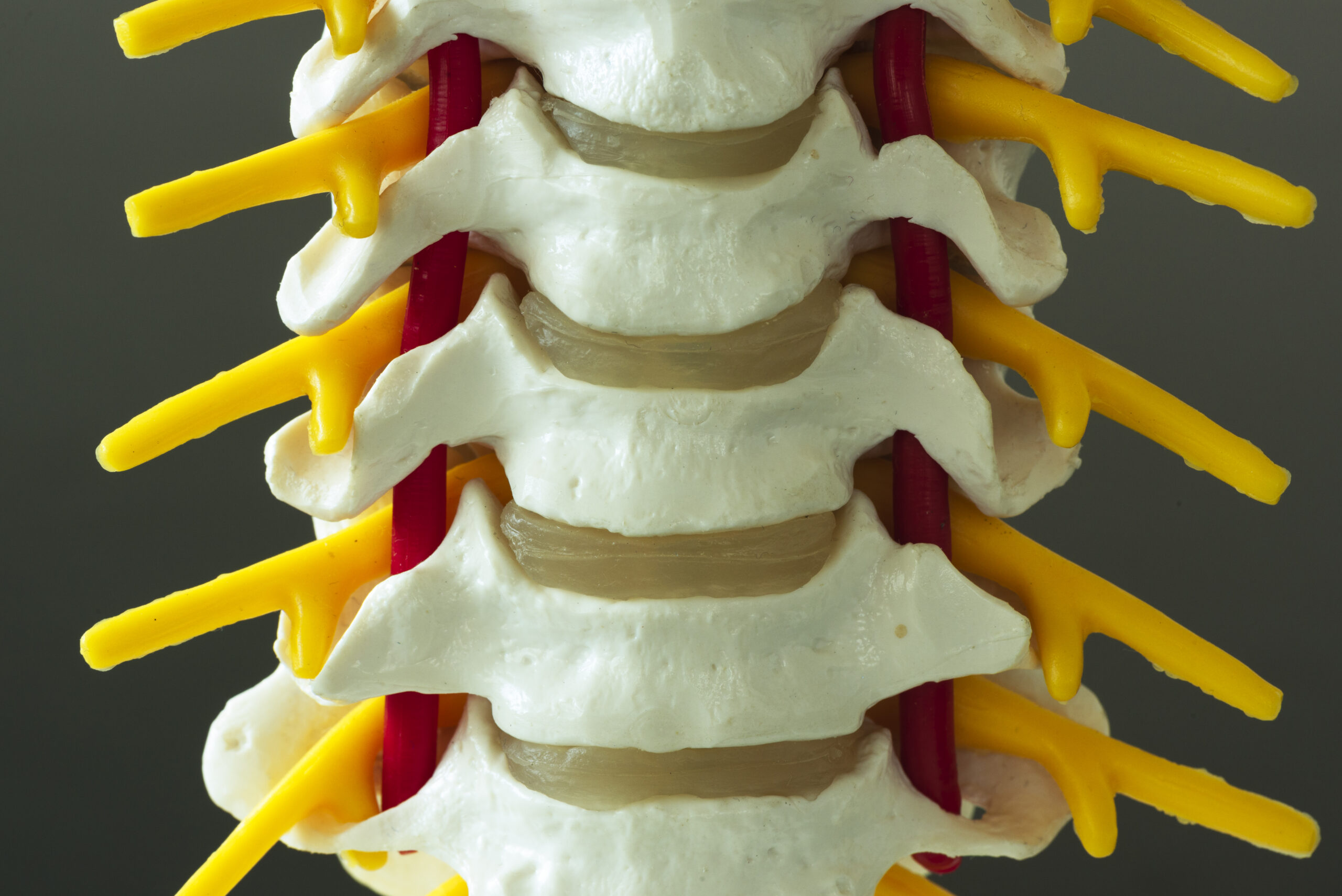
The cervical spine, comprising the seven vertebrae in the neck, plays a critical role in supporting head movement and protecting the spinal cord. Its alignment directly influences the mechanics of the temporomandibular joint (TMJ), which connects the jawbone to the skull. When the cervical spine is misaligned, it can create imbalances in the musculoskeletal system, potentially contributing to TMJ dysfunction. This connection highlights how spinal health extends beyond back pain, affecting facial and jaw structures. While research on this relationship is ongoing, many chiropractors recognize that cervical spine adjustments may help alleviate TMJ-related symptoms by restoring proper biomechanics. However, it is essential to approach this topic with caution, as individual cases vary, and professional evaluation is necessary for accurate diagnosis and treatment planning.
How Cervical Misalignment May Contribute to Jaw Pain
Misalignment in the cervical spine can lead to compensatory postural changes that strain the muscles and joints of the head and neck. These adjustments may cause uneven pressure on the TMJ, leading to pain, limited jaw movement, and discomfort. For example, forward head posture—a common issue linked to prolonged screen use—can alter the cervical spine's natural curve, increasing tension in the temporomandibular muscles. This tension may radiate to the jaw, exacerbating TMJ symptoms. Additionally, nerve irritation from spinal misalignment could disrupt normal muscle function, further complicating jaw mechanics. While these connections are widely observed in clinical practice, they remain an area of active research. Patients experiencing persistent jaw pain should consult a qualified healthcare provider to explore potential spinal contributions and determine the most appropriate course of action.
The Link Between Cervical Spine Health and Headaches
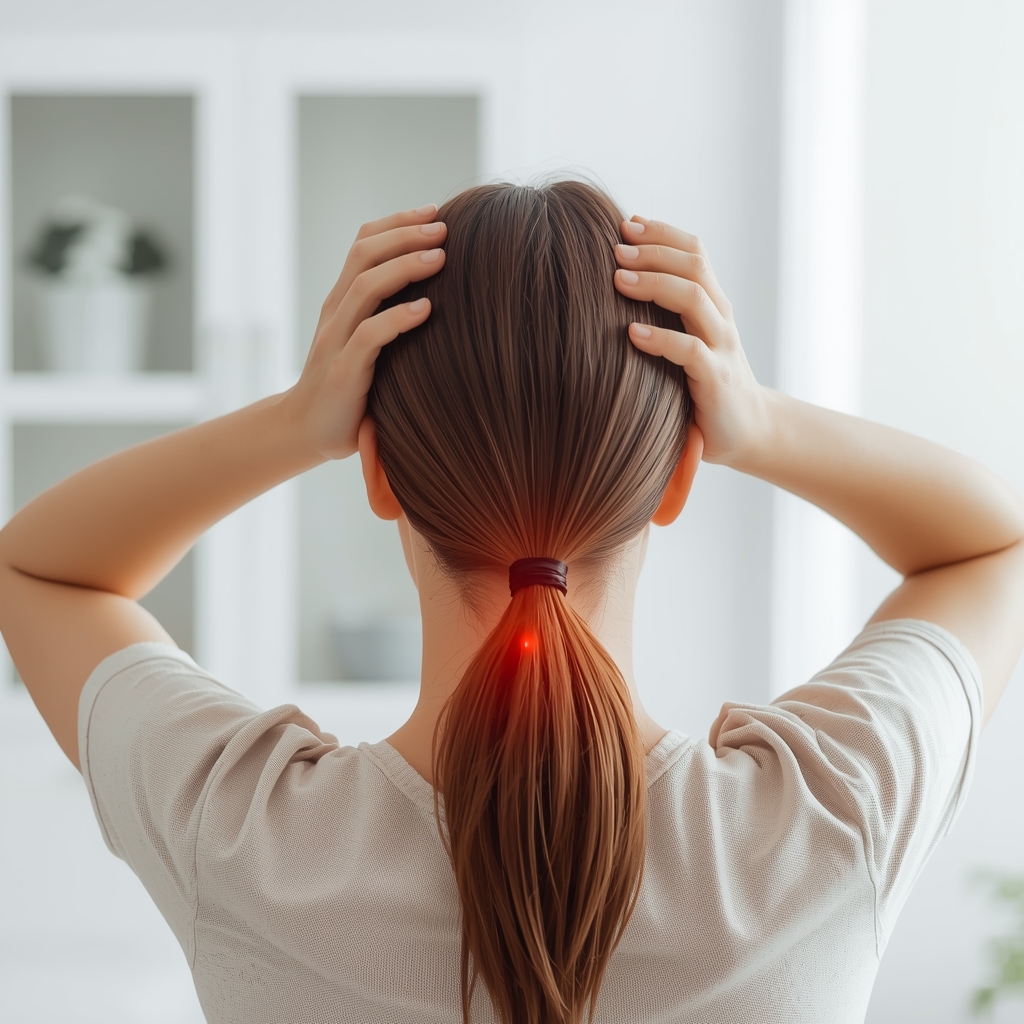
Headaches, particularly tension-type headaches, are frequently associated with cervical spine dysfunction. Misaligned vertebrae can irritate nerves and muscles in the neck, leading to referred pain that manifests in the head and face. This phenomenon may overlap with TMJ-related headaches, as both conditions involve overlapping musculature and nerve pathways. For instance, tightness in the suboccipital muscles—often linked to cervical spine issues—can trigger headaches that mimic TMJ-related discomfort. Chiropractic care targeting the cervical spine may help relieve these symptoms by restoring proper alignment and reducing muscular tension. However, it is crucial to differentiate between primary TMJ disorders and secondary headaches stemming from spinal issues. A thorough evaluation by a licensed chiropractor or physician is essential to identify the root cause and develop an effective treatment strategy.
Chiropractic Adjustments and TMJ Symptom Relief
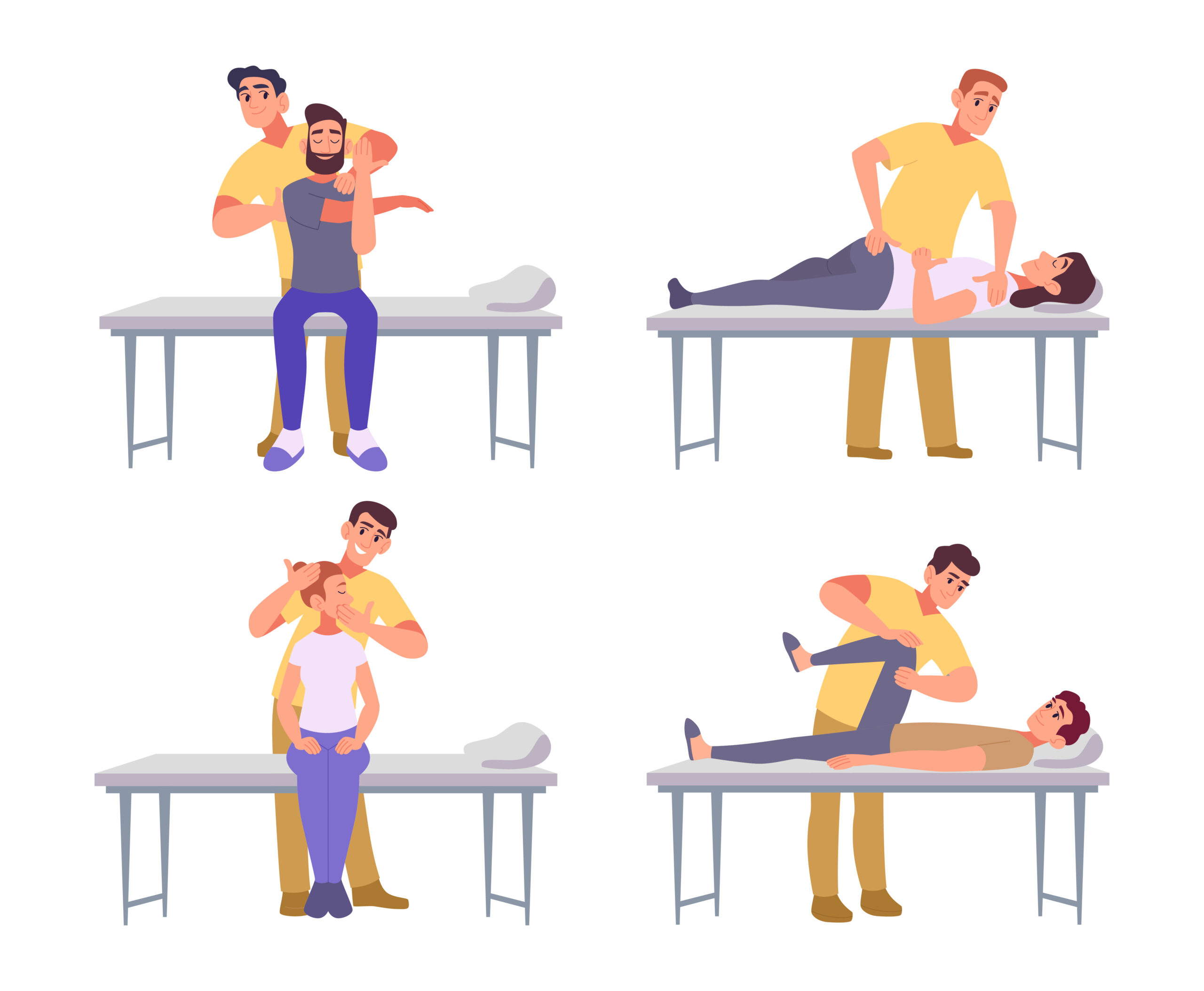
Chiropractic adjustments focus on realigning the spine to improve nervous system function and reduce musculoskeletal stress. For patients with TMJ-related headaches and jaw pain, these adjustments may help alleviate pressure on the cervical spine, potentially easing associated symptoms. Techniques such as diversified spinal manipulation or soft tissue therapies could address muscle imbalances contributing to TMJ dysfunction. While some studies suggest a correlation between cervical spine care and improved TMJ outcomes, more research is needed to establish definitive causal relationships. Patients considering chiropractic care should discuss their specific symptoms with a qualified provider, as treatment plans are tailored to individual needs. It is important to note that chiropractic care is often part of a broader approach that may include lifestyle modifications, physical therapy, or other interventions.
When to Seek Professional Evaluation for TMJ and Spinal Issues
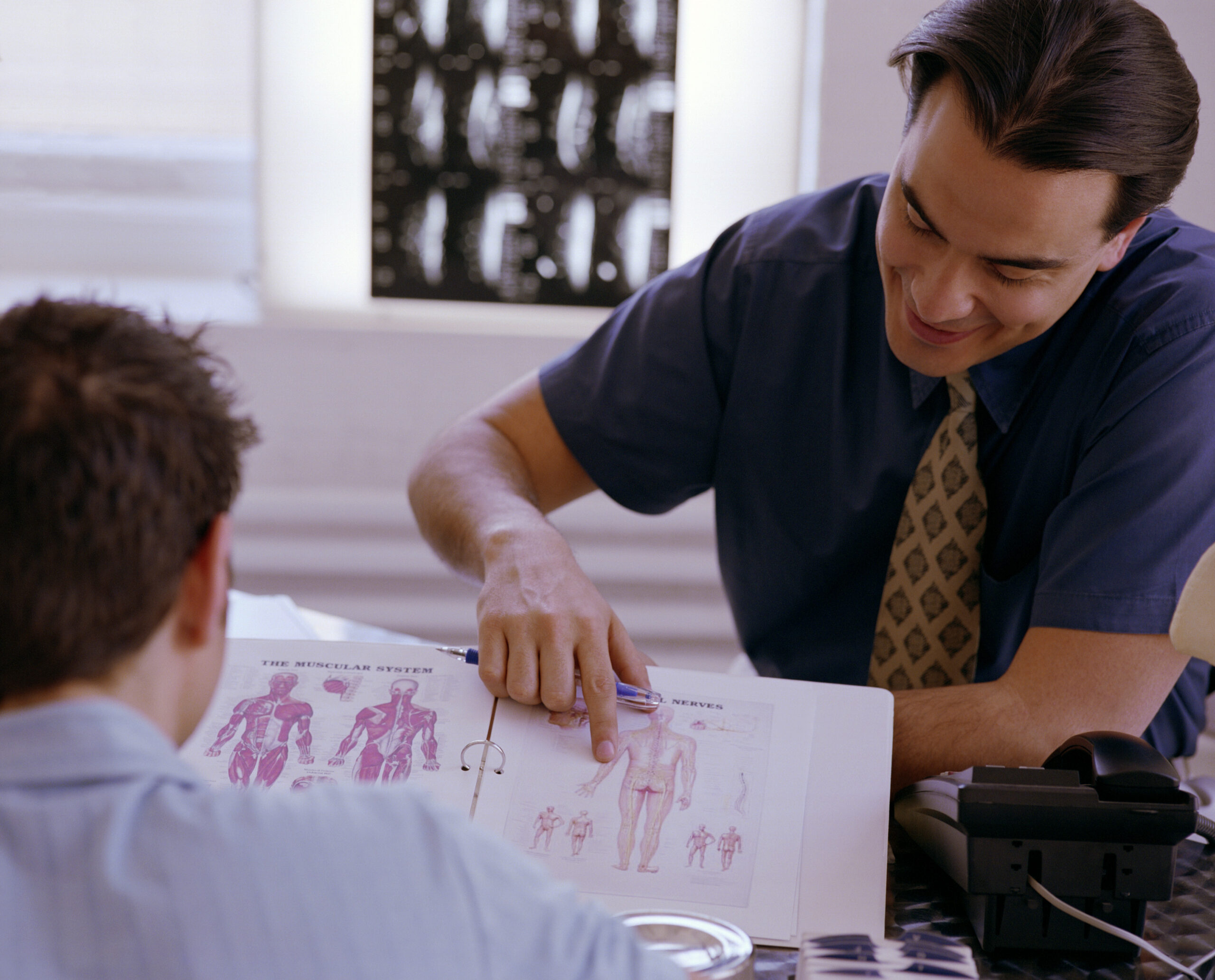
Individuals experiencing persistent jaw pain, headaches, or difficulty opening their mouth should consult a healthcare professional to determine the underlying causes. A chiropractor can assess spinal alignment and its potential impact on TMJ function through a comprehensive examination, including posture analysis and range-of-motion testing. However, it is vital to recognize that TMJ disorders can have multiple contributing factors, such as dental issues, stress, or arthritis. Self-diagnosis or unqualified treatments may delay effective care. A multidisciplinary approach involving dentists, physical therapists, and chiropractors often provides the most comprehensive solutions. Patients should prioritize open communication with their healthcare team to ensure safe, evidence-based interventions that address both spinal and TMJ-related concerns.
Integrating Spinal Health Into TMJ Management Strategies
Managing TMJ-related headaches and jaw pain often requires a holistic approach that considers the entire musculoskeletal system. Addressing cervical spine alignment can be a valuable component of this strategy, as it may reduce compensatory patterns that worsen TMJ symptoms. Patients may benefit from combining chiropractic care with other therapies, such as jaw exercises, stress management techniques, or ergonomic adjustments. Regular spinal checkups can also help prevent minor misalignments from escalating into more severe issues. While chiropractic interventions show promise, they are not a standalone solution for all TMJ cases. Ongoing research continues to explore the most effective ways to integrate spinal health into comprehensive TMJ treatment plans, emphasizing the importance of personalized care and professional guidance.