Understanding Active Release Technique (ART)
Active Release Technique (ART) is a specialized soft tissue treatment method designed to address issues in muscles, tendons, ligaments, and fascia. Developed by Dr. Michael Leahy, ART combines examination and treatment to identify and resolve soft tissue dysfunctions. Unlike traditional massage or stretching, ART focuses on the specific areas of restriction, adhesion, or scar tissue that may hinder movement and cause pain. For athletes, this technique is particularly valuable as it targets the root causes of injuries, such as overuse or repetitive strain, without requiring invasive procedures. By restoring normal tissue function, ART can enhance recovery and reduce downtime, making it a popular choice for those seeking non-surgical solutions.
How ART Addresses Soft Tissue Injuries
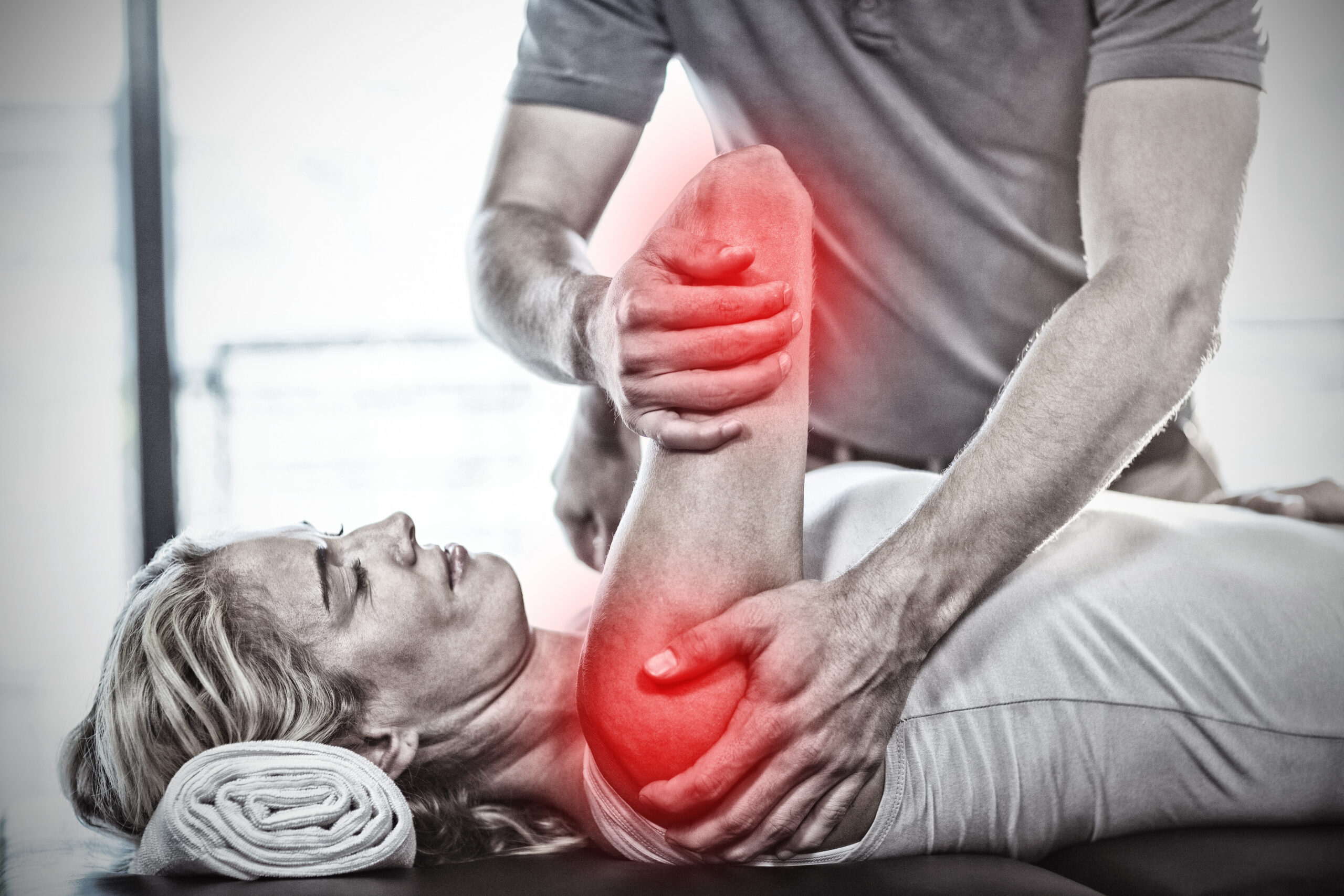
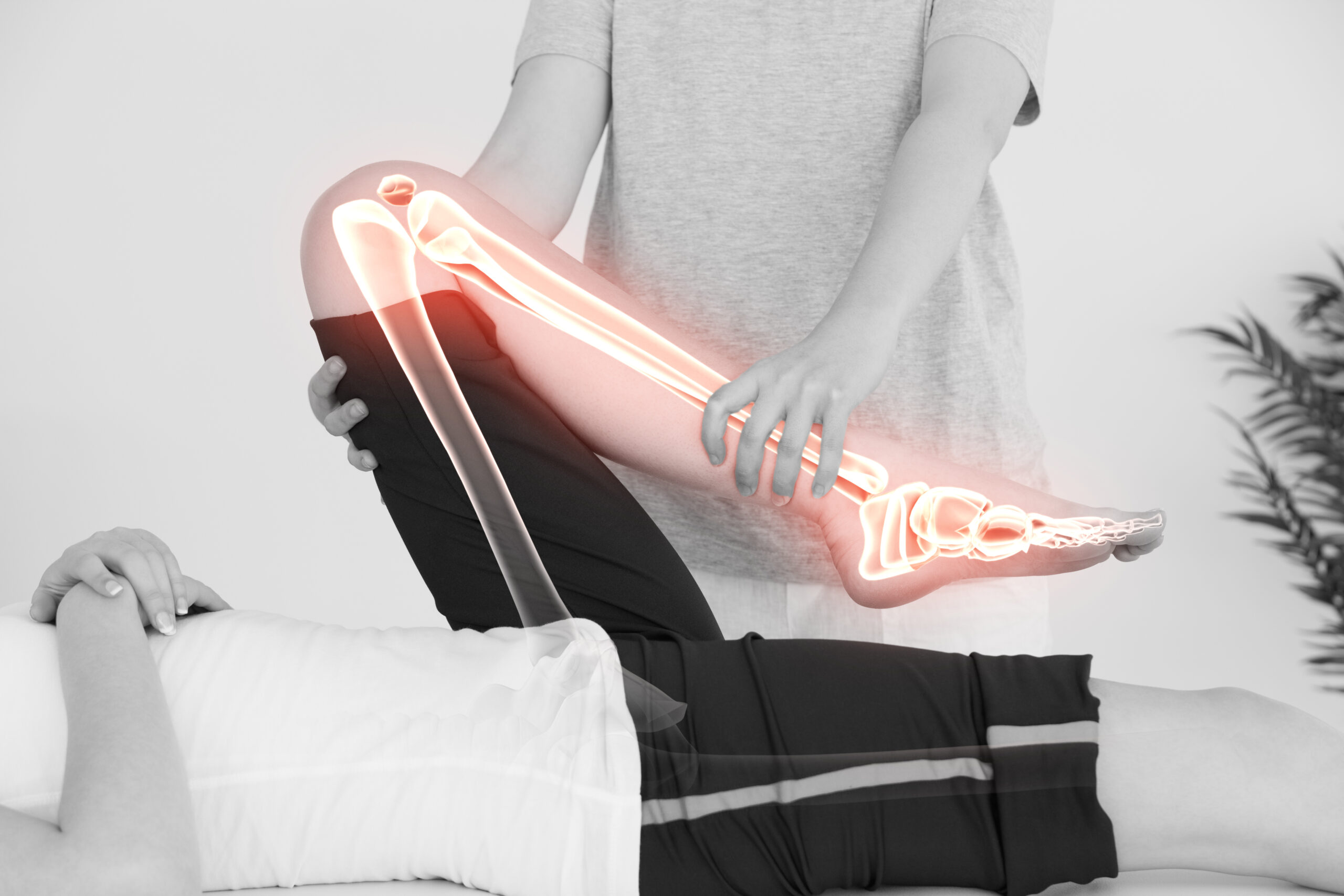
Soft tissue injuries, such as strains, sprains, and tendonitis, often involve damage to muscles, tendons, or ligaments. These injuries can lead to the formation of scar tissue or adhesions, which restrict movement and cause discomfort. ART works by applying precise pressure while the patient actively moves the affected area, allowing the therapist to detect and release these restrictions. This process helps break down scar tissue, improve blood flow, and restore the tissue’s natural elasticity. For athletes, this means faster recovery times and a reduced risk of re-injury. By addressing the underlying issues rather than just the symptoms, ART provides a targeted approach to healing that aligns with the body’s natural repair mechanisms.
Specific Applications for Athletes
ART is particularly effective for athletes dealing with common soft tissue injuries, such as hamstring strains, Achilles tendinitis, and rotator cuff issues. For example, a runner with a recurring hamstring strain may benefit from ART by targeting the specific adhesions that limit flexibility and cause pain. Similarly, a baseball pitcher with shoulder discomfort might find relief through ART by addressing tightness in the rotator cuff muscles. The technique’s adaptability allows practitioners to tailor treatments to the athlete’s unique needs, whether they’re recovering from a minor strain or a more severe overuse injury. By focusing on the affected tissues, ART helps athletes regain mobility and strength without the need for surgery, making it a preferred option for those looking to return to their sport quickly and safely.
Benefits of ART Over Surgical Options
While surgery may be necessary for severe injuries, many athletes opt for non-surgical alternatives like ART to avoid the risks and recovery time associated with operations. ART offers a less invasive approach, reducing the likelihood of complications such as infections or prolonged rehabilitation. Additionally, the technique often requires fewer sessions than surgery, allowing athletes to return to training more swiftly. By promoting natural healing processes, ART minimizes the need for pain medications and other interventions. It also supports long-term musculoskeletal health by addressing the root causes of injuries rather than just the symptoms. For athletes, this means a safer, more efficient path to recovery that aligns with their performance goals and lifestyle.
The ART Treatment Process for Athletes
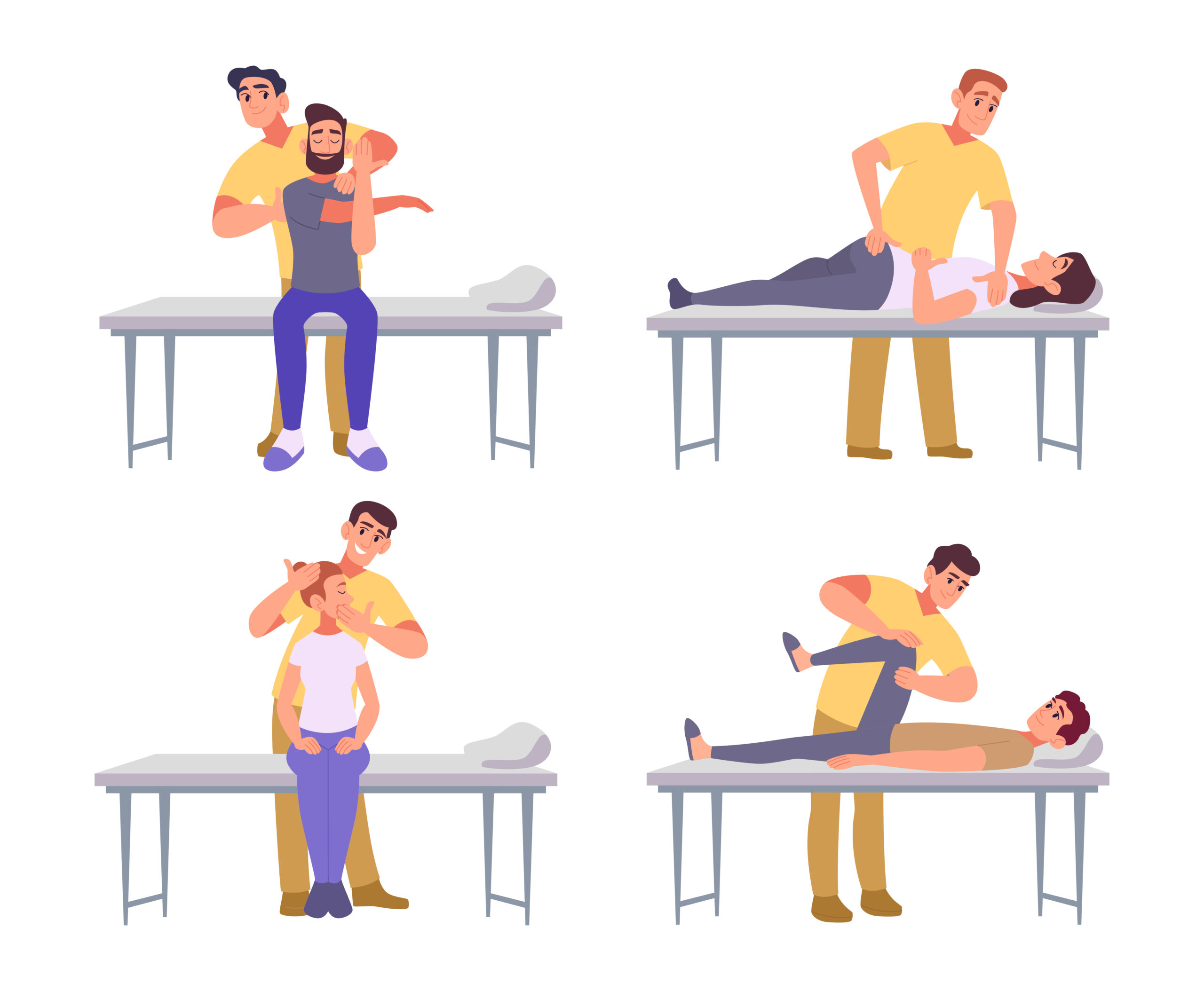
The ART treatment process begins with a thorough assessment of the athlete’s injury, focusing on identifying areas of restriction or dysfunction. The chiropractor or therapist then uses their hands to apply pressure while the patient performs specific movements, allowing for the release of adhesions and scar tissue. This hands-on approach is tailored to the athlete’s condition, ensuring that the treatment addresses their unique needs. Sessions are typically short but intense, with the number of visits depending on the severity of the injury. Athletes may also receive guidance on home exercises to complement their ART sessions and support ongoing recovery. By combining professional care with self-management strategies, ART provides a comprehensive solution for athletes looking to recover efficiently and maintain optimal performance.
Consulting a Chiropractor for ART
While ART can be highly effective, it’s essential for athletes to consult a qualified chiropractor or soft tissue specialist to determine if it’s the right option for their injury. A professional can evaluate the extent of the damage and create a personalized treatment plan that aligns with the athlete’s goals. It’s important to note that ART is just one of many tools available for injury recovery, and the best approach often involves a combination of therapies. Athletes should discuss their options with a healthcare provider to ensure they receive the most appropriate care. By working with a skilled practitioner, athletes can harness the benefits of ART to accelerate their recovery and return to their sport with confidence.