Understanding Thoracic Outlet Syndrome and Its Impact on Flexibility
Thoracic outlet syndrome (TOS) occurs when nerves or blood vessels in the thoracic outlet—between the neck and armpit—become compressed. This can lead to pain, numbness, and reduced range of motion in the arms and shoulders. Chronic cases often involve tightness in the thoracic spine and surrounding musculature, limiting flexibility. Chiropractic care addresses these issues by targeting spinal alignment and soft tissue restrictions. By improving thoracic spine mobility, adjustments may alleviate pressure on nerves and blood vessels, indirectly supporting greater flexibility. However, results vary, and a personalized approach is essential. Patients should consult a qualified chiropractor to explore how these methods might complement their treatment plan.
The Role of Thoracic Spine Adjustments in Enhancing Mobility
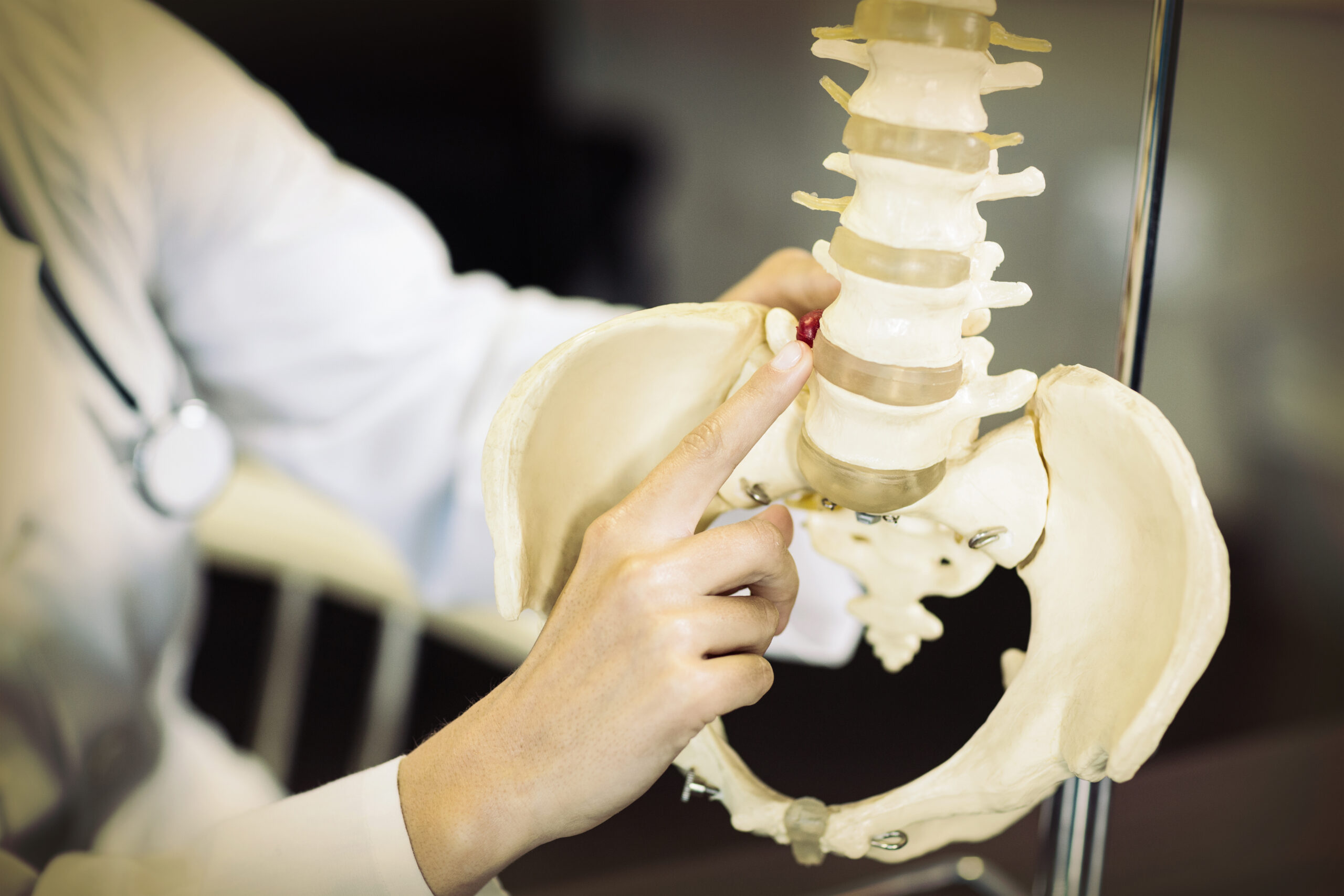
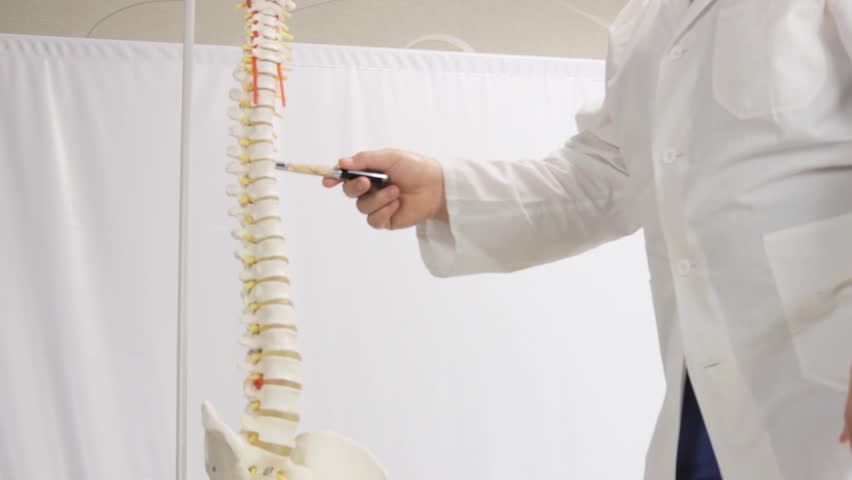
Chiropractic adjustments to the thoracic spine aim to restore proper alignment and movement in the mid-back region. Misalignments here can contribute to restricted flexibility by altering biomechanics and compressing nerves. By gently manipulating the vertebrae, adjustments may reduce stiffness, improve joint function, and relieve pressure on surrounding tissues. This can create a foundation for better posture and movement patterns. While adjustments alone may not directly increase flexibility, they can remove barriers to mobility. Patients often report improved ease of movement after sessions, though outcomes depend on individual conditions. Combining adjustments with targeted exercises typically yields the best results, as both approaches address different aspects of musculoskeletal health.
Stretching Routines to Complement Chiropractic Care
Specific stretching routines can enhance the effects of chiropractic adjustments by targeting tight muscles and connective tissues in the thoracic area. Exercises like cat-cow stretches, child’s pose, and thoracic rotations help improve spinal mobility and reduce tension. Chest-opening stretches, such as doorway stretches or wall angels, counteract slouching and promote better posture. These routines are designed to complement spinal realignment by maintaining flexibility in the muscles that support the thoracic spine. Consistency is key, as regular stretching can prevent reoccurrence of stiffness. Patients should work with a chiropractor or physical therapist to tailor routines to their needs, ensuring safety and effectiveness. When combined with adjustments, these stretches may contribute to long-term improvements in flexibility and comfort.
Integrating Adjustments and Stretching for Optimal Results
A holistic approach combining chiropractic adjustments and stretching routines can address both structural and muscular factors contributing to TOS. Adjustments correct spinal misalignments, while stretching targets muscle tightness that may exacerbate nerve or vascular compression. This dual strategy supports better posture, reduced pain, and improved range of motion. Patients may notice incremental progress when both methods are consistently applied, as adjustments create a stable foundation for stretching to build upon. However, the intensity and frequency of these interventions should align with an individual’s condition and tolerance. A chiropractor can guide patients in balancing these techniques to avoid overexertion. Regular follow-ups ensure adjustments and stretches remain effective as the body adapts, fostering sustainable flexibility improvements.
Benefits Beyond Flexibility: Pain Relief and Posture Improvement
Chiropractic adjustments and stretching routines for TOS offer benefits beyond flexibility, such as pain relief and posture correction. By alleviating nerve compression and muscle tension, these methods can reduce discomfort in the neck, shoulders, and arms. Improved posture resulting from adjustments and stretching may also decrease strain on the thoracic region, preventing further complications. Enhanced circulation from increased mobility can support tissue health and recovery. Patients often report greater ease in daily activities and improved sleep quality as a result. While these outcomes are common, they are not guaranteed, and individual experiences may vary. A chiropractor can help patients track progress and adjust their care plan as needed to maximize these broader benefits.
Consulting a Chiropractor for Personalized Care
Chiropractic care for TOS should be tailored to each patient’s unique condition and goals. A qualified chiropractor can assess spinal alignment, muscle tension, and nerve function to develop a customized plan. This may include adjustments, stretching routines, and lifestyle recommendations. It is important to communicate openly with the chiropractor about symptoms, preferences, and any underlying health conditions. While general guidance exists, individualized care ensures safety and effectiveness. Patients should also discuss any concerns about treatment approaches or expected outcomes. Regular evaluations allow for adjustments to the plan as needed, ensuring continued progress. By working closely with a professional, patients can explore how chiropractic methods may support their flexibility and overall well-being.