Understanding Sacroiliac Joint Dysfunction
Sacroiliac (SI) joint dysfunction refers to pain originating from the joints connecting the spine to the pelvis. This condition often arises from misalignment, inflammation, or instability in the SI joints, leading to discomfort in the lower back, hips, or legs. Common causes include trauma, pregnancy, repetitive movements, or muscular imbalances. While the exact prevalence is unclear, many individuals experience chronic pain that impacts daily activities. Chiropractors play a key role in addressing SI joint dysfunction by focusing on restoring proper joint function and reducing pain through non-invasive methods. Understanding the condition’s mechanics helps patients appreciate the targeted approaches used in treatment.
Targeted Adjustments for SI Joint Relief
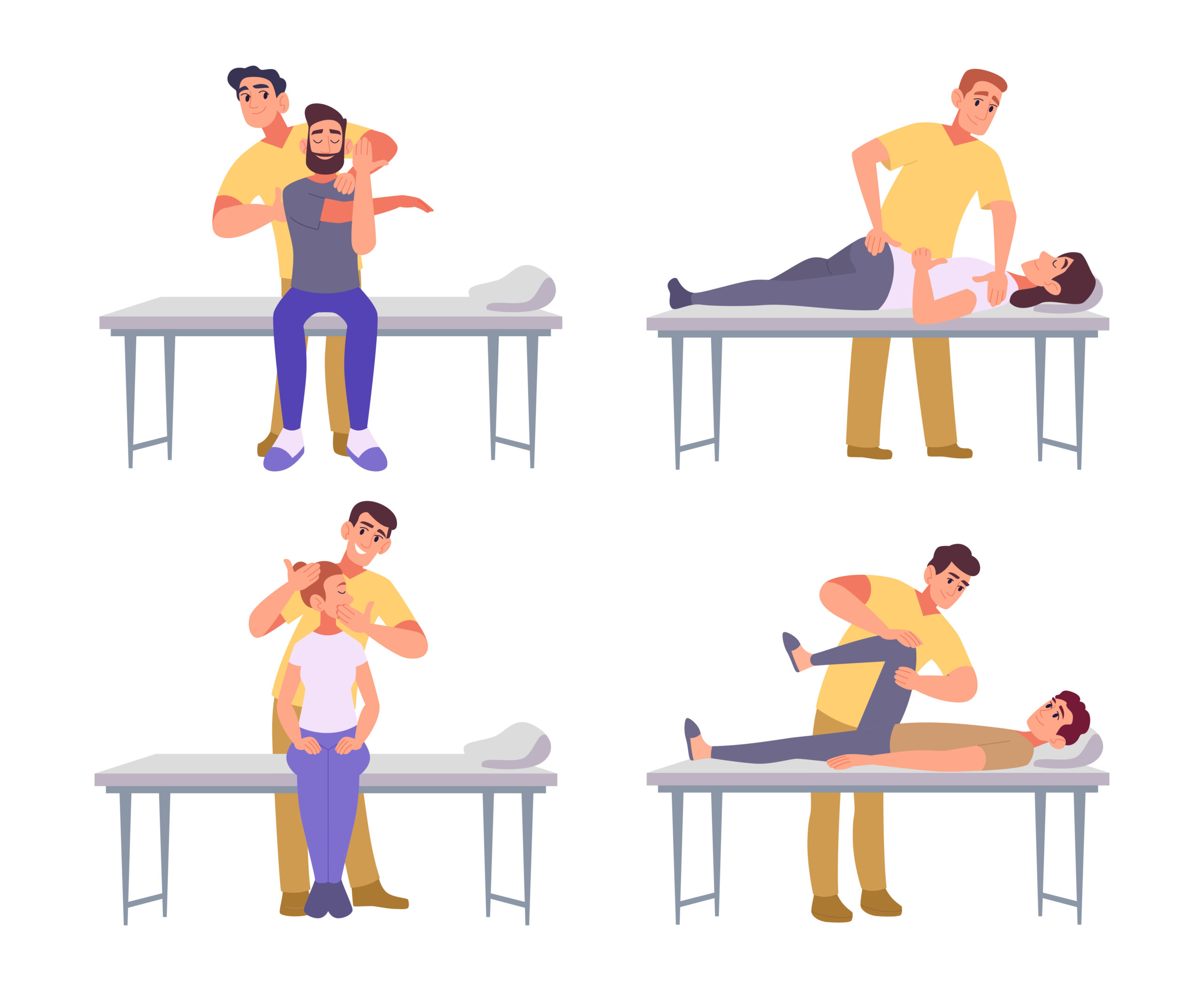
Chiropractors use manual adjustments to realign the sacroiliac joints and alleviate pressure on surrounding tissues. Techniques such as spinal manipulation or mobilization aim to restore normal movement and reduce inflammation. These adjustments are tailored to the patient’s specific needs, often focusing on the pelvis and lower back. By correcting misalignments, chiropractors can improve joint stability and reduce pain signals sent to the nervous system. Patients may notice immediate relief or gradual improvement over multiple sessions. It’s important to note that adjustments are part of a broader treatment plan and are most effective when combined with other therapies.
Rehabilitation Exercises to Strengthen the Area
Rehabilitation exercises are a critical component of managing sacroiliac joint dysfunction. These exercises focus on strengthening the core, glutes, and hip stabilizers to support the SI joints and prevent future instability. Common recommendations include pelvic tilts, bridges, and hip abductor stretches, which enhance muscle control and flexibility. Chiropractors often design personalized exercise routines to address individual weaknesses and movement patterns. Consistent practice can improve posture, reduce strain on the SI joints, and promote long-term recovery. Patients are advised to perform these exercises under professional guidance to ensure proper form and avoid exacerbating symptoms.
Combining Adjustments with Exercise Regimens
A comprehensive approach to SI joint dysfunction integrates chiropractic adjustments with structured rehabilitation exercises. Adjustments address immediate misalignments, while exercises build the muscular support needed for sustained relief. This dual strategy helps break the cycle of pain and dysfunction by targeting both structural and functional factors. For example, an adjustment might relieve acute pain, while daily stretching and strengthening routines prevent recurrence. Chiropractors may also incorporate soft tissue therapies or modalities like heat to enhance recovery. Patients often report better outcomes when they commit to both manual and active treatments, highlighting the importance of a holistic care plan.
Personalized Care and Patient Considerations
Each patient’s experience with sacroiliac joint dysfunction is unique, requiring a customized treatment approach. Chiropractors assess factors such as medical history, lifestyle, and activity levels to design an effective care plan. For instance, a pregnant individual may need modified techniques to avoid pressure on the SI joints, while an athlete might focus on sport-specific strengthening. Open communication between patient and provider ensures that adjustments and exercises align with individual goals and comfort levels. Patients should also be aware of warning signs, such as increased pain or new symptoms, and report them promptly. Personalized care maximizes the chances of successful recovery and long-term wellness.
Long-Term Management and Preventive Strategies
Maintaining progress after initial treatment requires ongoing attention to posture, movement habits, and physical conditioning. Chiropractors often emphasize ergonomic adjustments, such as proper lifting techniques or workplace setup, to reduce strain on the SI joints. Regular follow-up visits may help monitor joint stability and address emerging issues before they worsen. Patients are encouraged to stay active with low-impact exercises like swimming or yoga, which support joint health without excessive stress. Education on body mechanics and self-care practices empowers individuals to take an active role in their recovery. By combining professional care with lifestyle adjustments, patients can achieve lasting relief and prevent future episodes of dysfunction.